

Bagel Veganism Checker
Is My Bagel Vegan?
Select the flavor or check the ingredients you see on the labelSelect a flavor or highlight ingredients to see the verdict!
The short answer is that many bagels are vegan, but not all of them. Whether a bagel fits a plant-based diet depends entirely on the recipe and the bakery. If you are buying from a big commercial brand or a fancy artisan shop, you have to be a bit of the detective to make sure no honey, milk, or eggs snuck into the dough.
Quick Guide: Bagel Vegan Status
- Plain/Everything/Sesame: Usually vegan (check for honey).
- Egg Bagels: Never vegan.
- Cheese Bagels: Not vegan (unless specified as plant-based).
- Store-bought: High chance of being vegan, but check the "may contain" warnings.
The Hidden Ingredients That Break the Vegan Rule
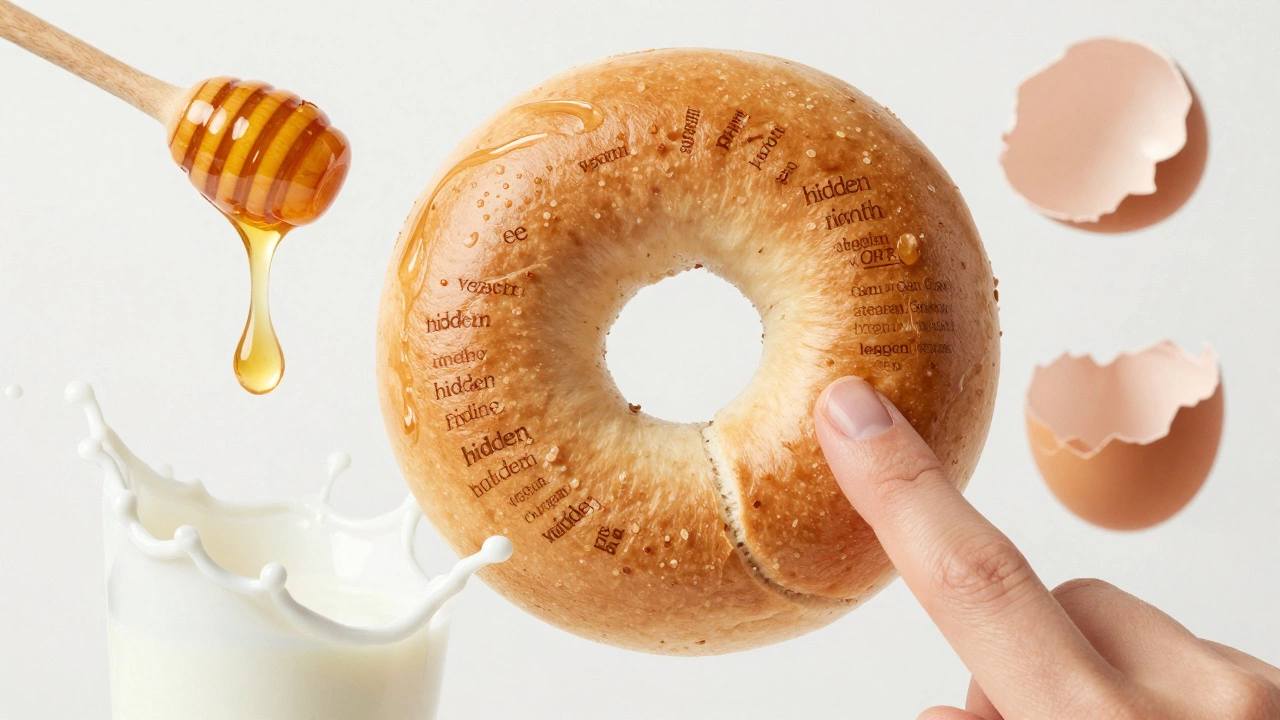
When you are scanning an ingredient list, most of the basics are fine. Flour and water are a given. However, there are a few specific culprits that turn a vegan-friendly roll into a non-vegan one. The biggest one is Honey is a natural sweetener produced by bees, often used in bagels to feed the yeast or give the crust a golden brown color. Since vegans avoid all animal-derived products, honey is a red flag. You will find it most often in "honey wheat" or even some "plain" varieties from premium bakeries.
Then there is the dairy. While rare in a standard plain bagel, some recipes use Milk or butter to make the crumb softer and richer. This is especially common in "brioche-style" bagels or those sold in the refrigerated section of the grocery store. If you see "whey" or "casein" on the label, put it back.
Lastly, keep an eye out for eggs. Not just in the dough, but on the outside. Many bakeries use an Egg Wash, which is a mixture of beaten egg and water brushed onto the dough before baking to create a shiny, golden finish. Even if the inside of the bagel is vegan, that glossy exterior might not be.
Breaking Down Bagel Types: Which Ones are Safe?
Not all bagels are created equal. Depending on the flavor and the style, your odds of finding a vegan option change. Let's look at the most common varieties you'll see at the counter.
The classics-Plain, Sesame, Poppy Seed, and Everything-are your best bets. These usually stick to the basics. The "Everything" bagel is almost always vegan because it relies on salt, garlic, onion, and seeds for flavor. However, some high-end shops might add a touch of honey to the dough of their plain bagels to help them brown in the oven.
Now, the danger zone. Egg bagels are obviously out. Cheese bagels, unless they use a specific Vegan Cheese alternative, are made with dairy. Then there are the sweet bagels. Cinnamon raisin or blueberry bagels often look safe, but these are the most likely to contain milk powder or honey to enhance the sweetness.
| Bagel Flavor | Likelihood of Being Vegan | Common Non-Vegan Ingredient |
|---|---|---|
| Plain / Sesame | High | Honey (occasional) |
| Everything | Very High | Rarely any |
| Honey Wheat | Zero | Honey |
| Egg / Cheese | Zero | Eggs / Dairy |
| Cinnamon Raisin | Medium | Milk / Honey |
How to Order Bagels at a Cafe
Ordering at a cafe can be stressful if you don't want to sound like a nuisance. The trick is to ask specific questions rather than a general "Is this vegan?" Sometimes staff think "vegan" just means "no meat," and they might tell you a cheese bagel is vegan because there is no ham in it.
Instead, ask: "Does the dough contain honey, milk, or eggs?" and "Is there an egg wash on the crust?" This forces the employee to actually check the ingredients or ask the baker. If you are at a place like Tim Hortons or a similar chain, they usually have an allergen guide available online or in-store that breaks down exactly what goes into their bread.
If the answer is a "maybe," it's safer to skip it. Most modern cafes are used to these questions and will be happy to point you toward their plant-based options. In many cities, you'll find that the basic boiled-and-baked New York style bagel is almost always vegan by default because the traditional method relies on a high-protein flour and a long ferment, not animal fats.
Vegan-Friendly Bagel Toppings and Spreads
Getting a vegan bagel is only half the battle; the toppings are where things get tricky. The classic cream cheese is the gold standard for bagels, but as you know, that's pure dairy. Luckily, the market for Plant-Based Cream Cheese has exploded. Brands now use coconut oil, cashews, or almond milk to mimic that tangy, spreadable texture.
If you don't have access to fancy vegan cream cheese, try these alternatives:
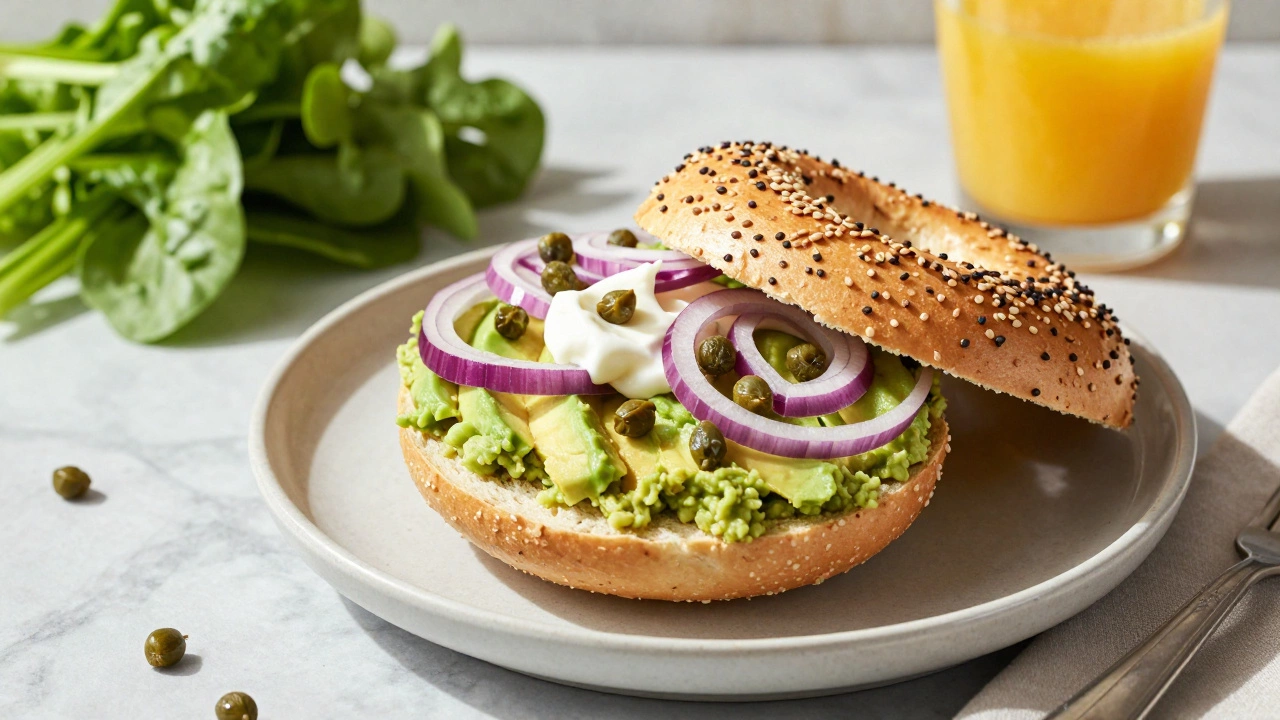
- Mashed Avocado: Add a squeeze of lime and some red pepper flakes for a satisfying, creamy hit.
- Hummus: A great protein-heavy option that pairs perfectly with an Everything bagel.
- Nut Butters: Almond or peanut butter with sliced bananas is a classic sweet combo.
- Pesto: Just make sure the pesto is "vegan" (meaning no parmesan cheese).
For those who love the savory side, a vegan-friendly "Lox" bagel is totally doable. Replace the smoked salmon with smoked carrots or a seasoned tofu slice. Add capers, sliced red onion, and a dollop of cashew cream, and you've got a meal that rivals any traditional deli platter.
Making Your Own Vegan Bagels at Home
If you're tired of guessing at the bakery, making them at home is actually surprisingly easy. You don't need a professional oven to get that chewy texture. The secret is in the Poaching Process, which is the act of boiling the shaped dough in water before baking to set the crust and create the signature bagel chew.
To make them vegan, just use high-protein bread flour, warm water, yeast, salt, and a touch of maple syrup or brown sugar instead of honey. The maple syrup helps the yeast activate and gives the bagel a beautiful golden color without using animal products. After you shape your bagels, drop them into boiling water with a tablespoon of brown sugar or molasses for about 30 to 60 seconds per side. Then, pop them in the oven at 375°F (190°C) until they are golden brown.
Home-baked bagels are not only vegan but usually healthier because you can control the amount of salt and sugar. Plus, you can experiment with your own additions, like adding dried cranberries, pumpkin seeds, or a swirl of cinnamon sugar into the dough.
Are all store-bought bagels vegan?
Not all of them, but the majority of mass-produced plain bagels are. You should always check the label for honey, whey, or milk powder, which are common in some commercial brands to improve shelf life and texture.
Can I use agave instead of honey in bagel recipes?
Yes, agave nectar is a great vegan substitute for honey. It has a similar consistency and sweetness level, making it perfect for feeding the yeast and helping the crust brown during the baking process.
Is the "Everything" bagel always vegan?
Almost always. The seasoning (salt, garlic, onion, sesame, poppy seeds) is entirely plant-based. However, the dough itself could still contain honey or milk, so it is always best to double-check the ingredients of the base bread.
What is an egg wash and why is it a problem?
An egg wash is a mixture of beaten egg applied to the surface of the dough before baking to create a shiny, golden-brown crust. Since it uses eggs, it makes the bagel non-vegan even if the dough itself contains no animal products.
What is the best vegan alternative to cream cheese?
Cashew-based spreads are widely considered the best alternative because they provide a rich, creamy texture and a slight tang that mimics traditional cream cheese. Coconut-oil based alternatives are also popular and widely available in supermarkets.
Popular Posts



The Journey of Macarons to Brazil: A Sweet Odyssey
Oct, 24 2024