
Vegan Hummus Ingredient Checker
Select the ingredients listed on your hummus label to check if it is 100% vegan.
Common Ingredients
✅ Vegan-Friendly!
All selected ingredients are plant-based. This hummus is safe for vegans.
❌ Not Vegan!
One or more ingredients are animal-derived.
Please select at least one ingredient to check.
Quick Summary: The Hummus Verdict
- Is it vegan? Yes, traditional hummus is 100% plant-based.
- Core Ingredients: Chickpeas, tahini, lemon, garlic, and olive oil.
- Watch out for: Honey in sweetened versions or yogurt in "creamy" blends.
- Why it's great: High protein, heart-healthy fats, and incredibly versatile.
Breaking Down the Ingredients
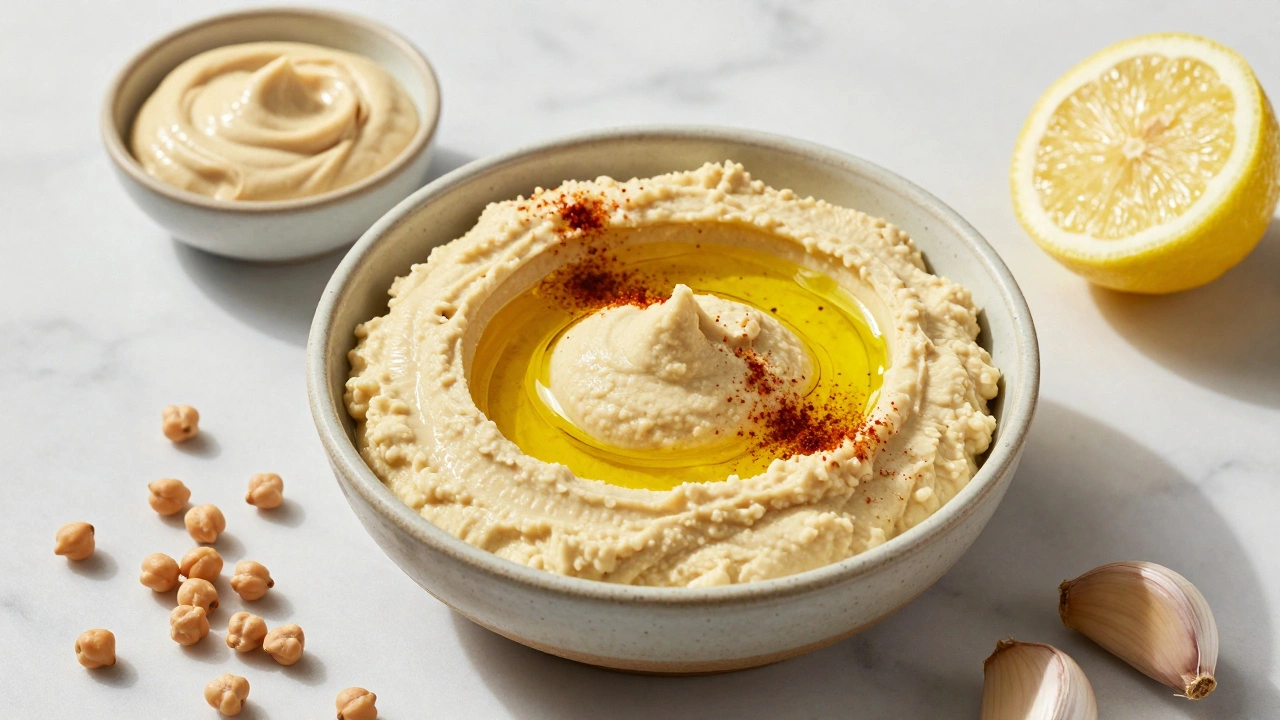
To understand why Hummus is a vegan superstar, we have to look at what's inside the tub. Traditional hummus relies on a few key players. First, you have Chickpeas (also known as garbanzo beans), which provide the bulk and the protein. Then comes Tahini, a paste made from toasted, ground sesame seeds. This is where that rich, nutty flavor and creamy texture come from.
The brightness comes from fresh lemon juice and a punch of garlic. Finally, extra virgin olive oil is blended in to create a smooth emulsion. None of these ingredients come from an animal. No milk, no eggs, no honey, and certainly no meat. It's a perfect example of how simple, whole foods can create a satisfying meal without needing any animal products.
The Sneaky Non-Vegan Ingredients to Avoid
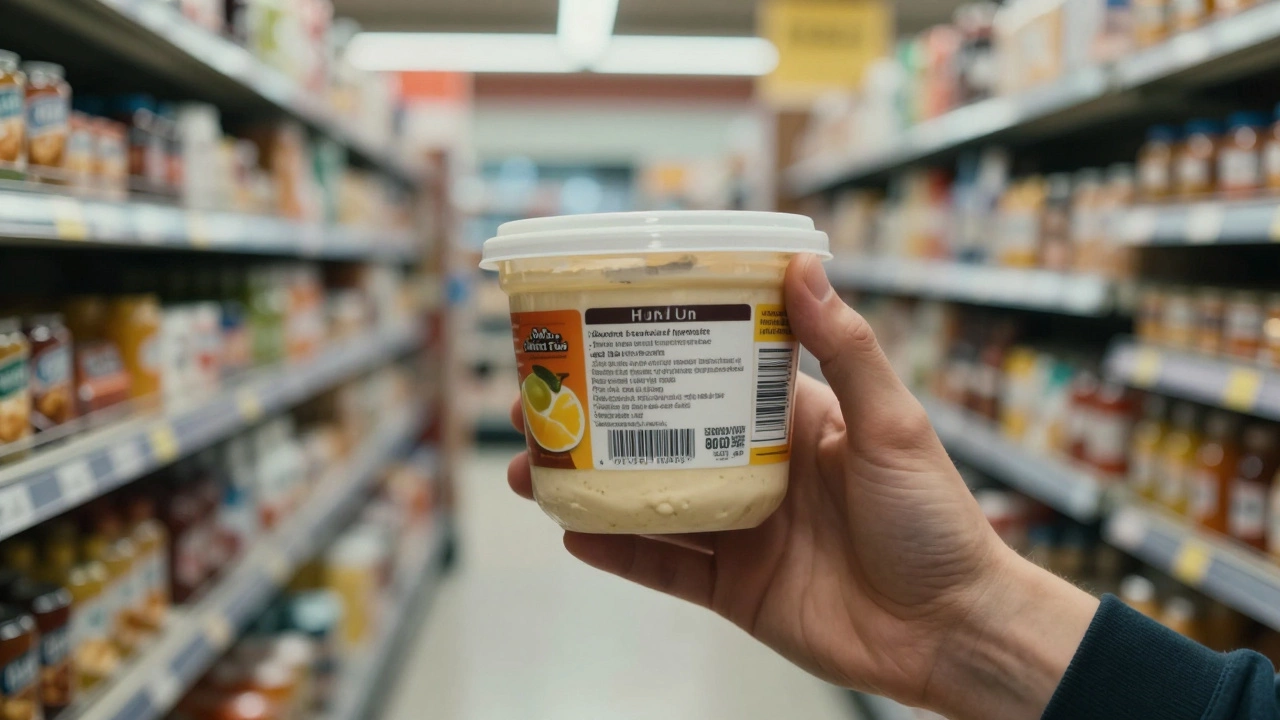
While the classic recipe is safe, not every container labeled "hummus" is vegan. If you're buying store-bought versions, you've got to be a bit of a detective. Some brands try to "elevate" the texture or flavor using ingredients that aren't plant-based. Have you ever seen a "honey roasted" hummus? That's a red flag. Honey is produced by bees, and most vegans avoid it.
Another common culprit is yogurt. Some companies add Greek yogurt or sour cream to make the dip airier or tangier. If the label mentions "dairy-free," you're golden. If not, check for things like casein or whey, which are milk derivatives. Even some "specialty" flavors, like a bacon-infused hummus, obviously cross the line. It sounds weird, but in the quest for "umami," some brands experiment with animal-based flavorings.
| Ingredient | Vegan Status | Reasoning |
|---|---|---|
| Chickpeas | Safe | Legume/Plant-based |
| Tahini | Safe | Sesame seed paste |
| Honey | Avoid | Animal byproduct (bees) |
| Greek Yogurt | Avoid | Dairy product |
| Olive Oil | Safe | Pressed from olives |
| Casein/Whey | Avoid | Milk proteins |
Why Hummus is a Must-Have for Plant-Based Diets
It isn't just about whether it's "allowed"; it's about why it's so useful. When you move away from meat and cheese, you need calorie-dense, nutrient-rich foods to keep your energy up. Hummus provides a fantastic balance of complex carbohydrates and healthy fats. For example, a half-cup serving usually packs around 8 grams of protein, which is great for muscle recovery after a workout.
Beyond the nutrition, it's a culinary Swiss Army knife. You can use it as a spread on sandwiches instead of mayonnaise, a dip for raw carrots and cucumbers, or even a base for a grain bowl. If you're feeling adventurous, some people even use it as a thickener for vegan soups to give them a creamier vibe without adding coconut milk or cashew cream.
Making Your Own Vegan Hummus at Home
If you're worried about hidden ingredients in store-bought tubs, the best move is to make it yourself. It's surprisingly easy and usually tastes better because you can control the salt and garlic levels. All you need is a food processor or a high-speed blender. If you want that ultra-smooth, restaurant-style texture, here's a pro tip: peel the skins off your chickpeas. You can do this by gently rubbing them between two paper towels. It takes a few extra minutes, but the result is a velvet-like consistency.
- Drain and rinse a can of chickpeas (or use homemade cooked beans).
- Toss them into the processor with 1/4 cup of tahini and 2 tablespoons of lemon juice.
- Blend until a thick paste forms, then add a clove of garlic and a pinch of salt.
- Slowly drizzle in olive oil while the machine is running until it reaches your desired creaminess.
- Taste and adjust the lemon or salt as needed.
Creative Vegan Hummus Variations
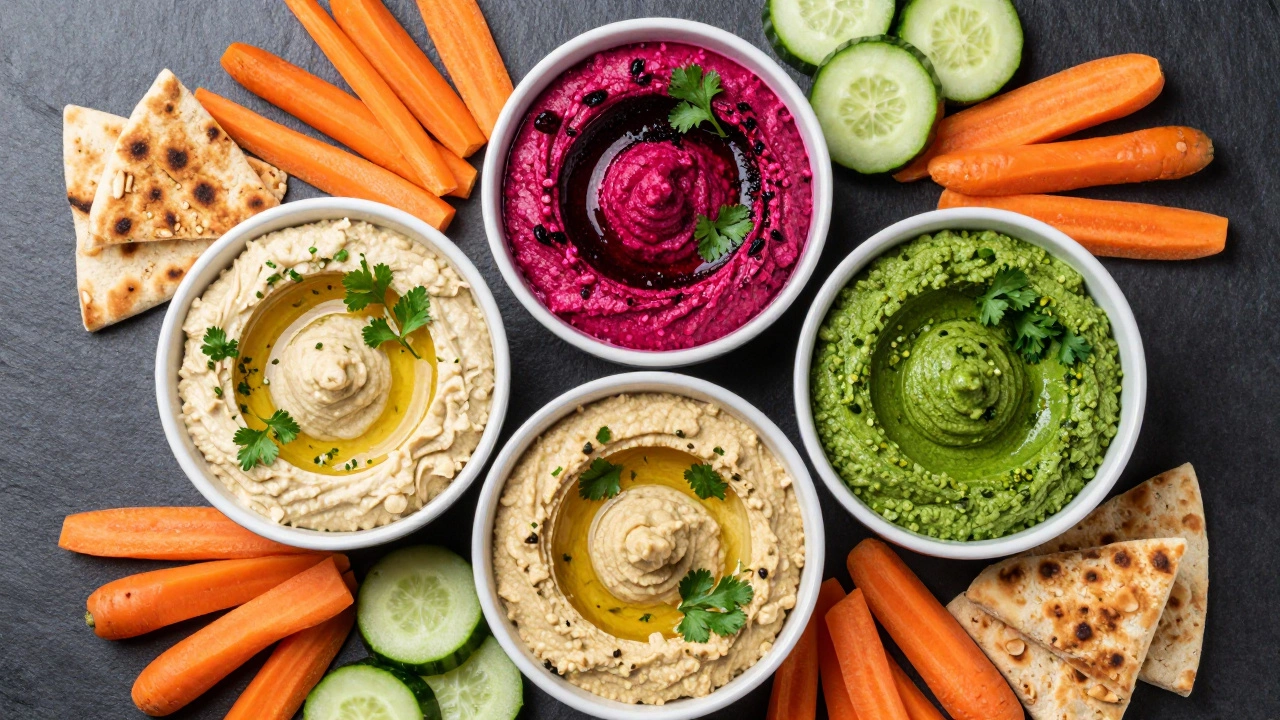
Once you've mastered the basic version, you can start playing with flavors. The beauty of a plant-based diet is the creativity it encourages. Want something spicy? Blend in some smoked paprika or a diced chipotle pepper in adobo sauce. If you're looking for something fresh, stir in some chopped parsley, cilantro, or a handful of spinach for a vibrant green color.
For those who love a sweet-and-savory mix, try roasting red peppers or beets before blending them in. Roasted beet hummus turns a shocking bright pink and has a natural sweetness that pairs perfectly with vegan feta (made from coconut oil or tofu). It's a great way to introduce guests to vegan eating without them even realizing they're eating something "alternative."
Common Pitfalls and Tips
One mistake people make is over-processing the hummus. If you blend it for too long, it can actually become warm from the friction of the blades, which might alter the taste of the fresh lemon juice. Blend in pulses and stop as soon as it's smooth. Also, if your hummus is too thick, don't just add more oil-that can make it greasy. Instead, add a tablespoon of cold water or some of the chickpea liquid (known as aquafaba) from the can. This keeps the flavor clean while adjusting the texture.
Another tip is to store it properly. Since it doesn't have chemical preservatives like some commercial brands, homemade hummus lasts about 5 to 7 days in the fridge. To keep it fresh, pour a thin layer of olive oil over the top before putting the lid on; this creates a seal that prevents the dip from oxidizing and turning brown.
Is every brand of hummus vegan?
No, not every brand is vegan. While the vast majority are, some brands add honey for sweetness or dairy-based yogurt for a creamier texture. Always check the ingredient list for honey, whey, casein, or milk derivatives.
What can I use instead of tahini if I'm allergic to sesame?
If you can't use tahini, you can swap it for sunflower seed butter (SunButter) or cashew butter. These provide a similar creaminess and fat content, although the flavor will shift slightly toward the specific nut or seed you choose.
Does hummus contain gluten?
Traditional hummus is naturally gluten-free because it's made from chickpeas and sesame. However, some processed versions might be made in facilities that handle wheat, so check for a "certified gluten-free" label if you have Celiac disease.
Can I freeze hummus?
Yes, you can freeze hummus, though the texture may change slightly upon thawing. It's best to thaw it in the fridge overnight and then stir it vigorously or give it a quick pulse in the blender to restore the creamy consistency.
Is hummus a good protein source for vegans?
Yes, it is a great supplemental protein source. While chickpeas aren't a complete protein on their own, pairing hummus with whole-grain pita or vegetables helps vegans get a full spectrum of amino acids.
Next Steps for Your Plant-Based Journey
If you've enjoyed adding hummus to your diet, you might want to explore other legume-based dips. Try making an edamame spread or a white bean dip with rosemary. Both follow the same basic logic as hummus but offer different flavor profiles and nutrients. If you're looking to expand your vegan pantry, start experimenting with different types of nut butters and seeds to find your favorite creamy alternatives to dairy.
For those who struggle with the transition to veganism, focus on these "easy wins" like hummus. They provide a familiar texture and taste, making the change feel less like a restriction and more like a culinary discovery. Whether you're eating it for breakfast on toast or as a late-night snack with veggie sticks, hummus is a reliable friend in the world of plant-based eating.