
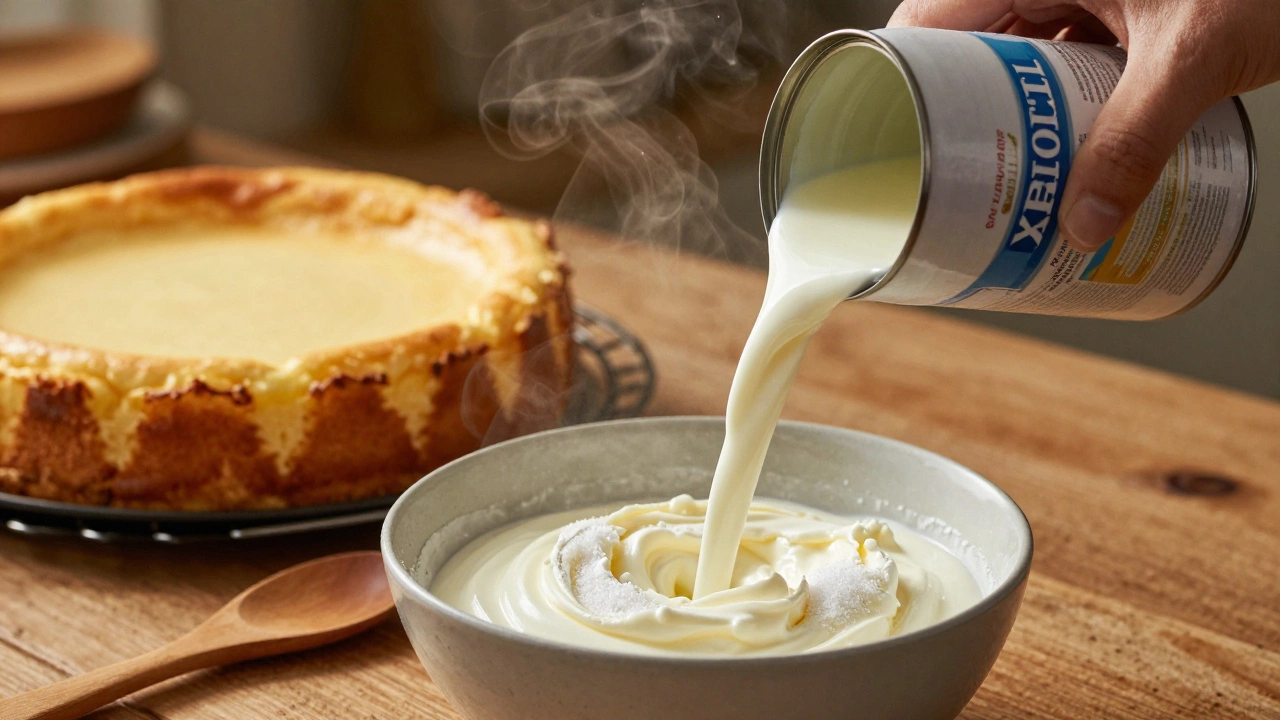
Cheesecake Cream Substitute Calculator
How Much Evaporated Milk to Use
Use this calculator to find the perfect replacement for heavy cream in your baked cheesecake recipe. Remember: This substitution only works for baked cheesecakes, not no-bake versions.
Enter the amount of heavy cream in your recipe to see the exact evaporated milk substitution.
Important: This substitution only works for baked cheesecakes. Do not use for no-bake recipes or recipes that require whipped cream texture.
If you’ve ever run out of heavy cream while making cheesecake, you know the panic. The recipe calls for a cup, you check the fridge-empty. You don’t want to run to the store, especially when the oven’s already preheated. The good news? You can swap in evaporated milk without ruining your dessert. It’s not a perfect match, but with the right amount and a few simple tweaks, your cheesecake will still be rich, smooth, and totally delicious.
Why Evaporated Milk Works as a Substitute
Heavy cream is about 36% fat. That fat gives cheesecake its luxurious texture and helps it set properly. Evaporated milk, on the other hand, is regular milk with about 60% of the water removed. It’s not as thick or fatty, but it’s still creamy and has enough body to hold up in baked custards. The key is using the right amount and adjusting for the lower fat content.
Evaporated milk is also shelf-stable, which makes it a great pantry staple. You don’t need to buy a whole carton of heavy cream just for one recipe. A can of evaporated milk lasts for months, and you can use it in soups, sauces, and coffee too.
How Much to Use: The Exact Ratio
For every 1 cup of heavy cream called for in your cheesecake recipe, use 1 cup of evaporated milk. That’s it. No need to reduce, dilute, or add butter. The volume stays the same.
But here’s the catch: evaporated milk doesn’t whip. So if your recipe calls for whipped heavy cream as a topping, you can’t use evaporated milk for that. Stick to sour cream, whipped coconut cream, or just skip the topping. The filling is what matters most.
Some people suggest adding melted butter to make up for the fat difference. Don’t. It can make the filling greasy and disrupt the texture. Evaporated milk works best on its own.
What Happens When You Swap Them
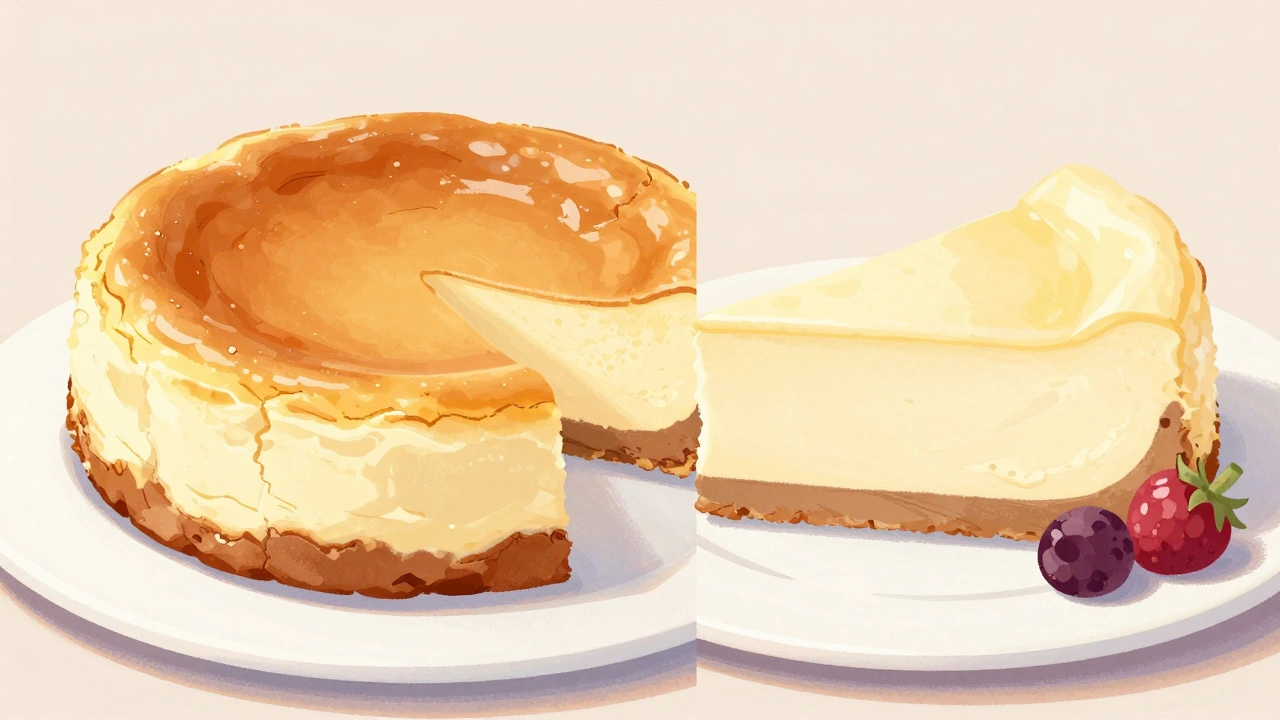
When you use evaporated milk instead of heavy cream, your cheesecake will be slightly less rich and a bit lighter in texture. It won’t be as dense or buttery, but it won’t be watery either. The flavor is milder-less buttery, more milky. That’s actually a plus if you prefer a cleaner taste.
One baker in Brighton tested this swap side by side: one cheesecake with heavy cream, one with evaporated milk. Both set perfectly. The heavy cream version had a slight edge in mouthfeel, but the evaporated milk version was just as smooth and held its shape when sliced. Guests couldn’t tell the difference unless they knew.
Evaporated milk also helps prevent cracking. Because it has less fat and more protein, it creates a more stable custard. That means fewer surface cracks on your cheesecake. If you’ve ever struggled with cracked tops, this swap might help.
When Not to Use Evaporated Milk
This substitution works great for baked cheesecakes. But avoid it if your recipe is no-bake. No-bake cheesecakes rely on heavy cream being whipped and folded in. Evaporated milk won’t hold air, so it won’t give you that light, airy texture. Stick to whipped cream or coconut cream for those.
Also skip it if your recipe uses cream cheese, sour cream, and heavy cream together. The heavy cream in those recipes is often there for volume and lift. Replacing it with evaporated milk might make the filling too thin. In those cases, try reducing the milk and adding a tablespoon of cornstarch to thicken it.
Pro Tips for the Best Results
- Use unsweetened evaporated milk. Sweetened versions will throw off the sugar balance in your recipe.
- Let the evaporated milk come to room temperature before mixing. Cold milk can cause the cream cheese to seize up.
- Don’t overmix. Blend just until smooth. Overbeating introduces air and increases the chance of cracks.
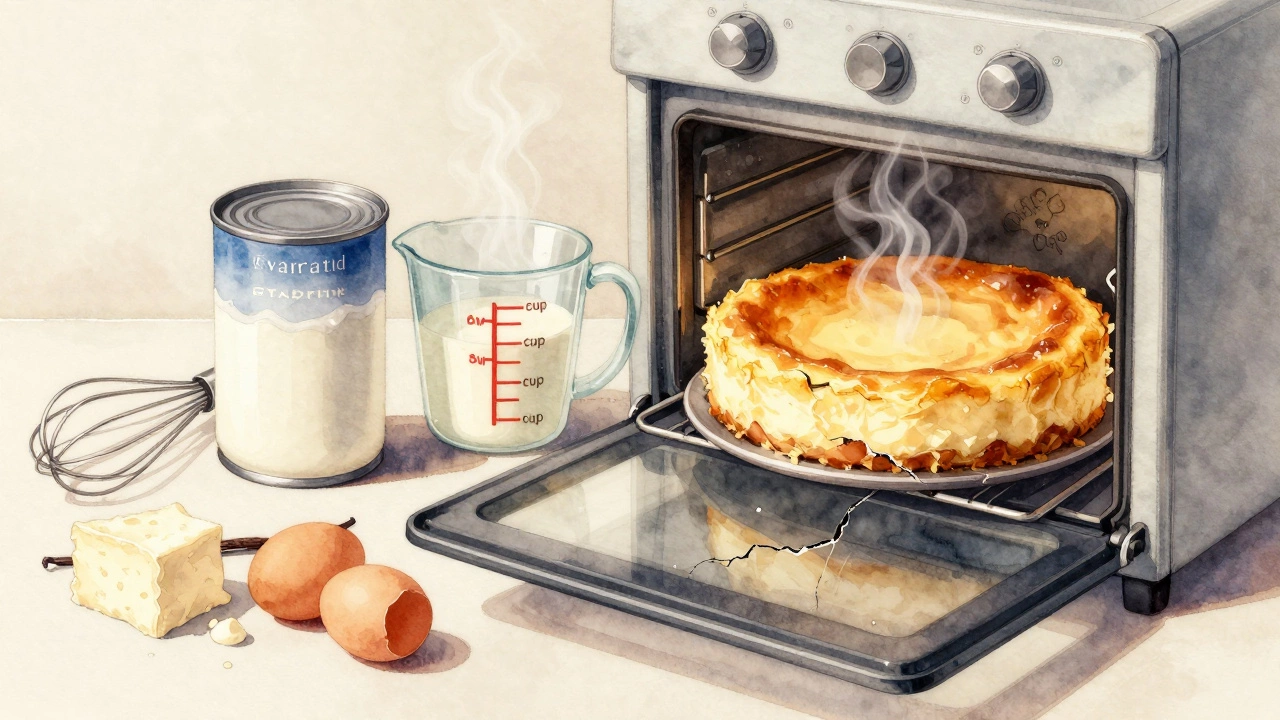
- Use a water bath (bain-marie) for even baking. It’s especially helpful when using evaporated milk, since the filling is a bit more delicate.
- Let the cheesecake cool slowly. Turn off the oven, crack the door, and let it sit for an hour. This prevents sudden temperature drops that cause cracks.
Other Dairy Substitutes (and Why They’re Worse)
You might be tempted to use half-and-half, whole milk, or even coconut milk. Here’s why those don’t work as well:
- Half-and-half: Too thin. It won’t set properly and can make your cheesecake runny.
- Whole milk: Even thinner. You’d need to add thickening agents like gelatin or cornstarch, which changes the texture.
- Coconut milk: Adds a coconut flavor. Fine for vegan versions, but it clashes with classic cheesecake flavors like vanilla or lemon.
- Heavy cream powder: Expensive, hard to find, and needs reconstitution. Evaporated milk is cheaper and easier.
Evaporated milk is the most reliable swap because it’s already concentrated. It doesn’t need extra help to thicken. It just needs the right amount-and you already know that: one cup for one cup.
Real Recipe Example
Here’s how it works in practice. A classic New York cheesecake recipe calls for:
- 24 oz cream cheese
- 1 cup heavy cream
- 3/4 cup sugar
- 3 large eggs
- 1 tsp vanilla
Swap the 1 cup heavy cream for 1 cup evaporated milk. Everything else stays the same. Bake at 325°F in a water bath for 55-65 minutes. The result? A smooth, creamy cheesecake with no weird aftertaste and a perfect slice.
One reader in East Sussex tried this last Christmas. She used evaporated milk because her cream had expired. Her kids asked if she’d changed the recipe. She said no. They said it tasted better. She’s been using it ever since.
Final Thoughts
Evaporated milk isn’t magic. It won’t make your cheesecake taste exactly like the one from a fancy bakery. But it’s close enough to fool most people, and it’s way more practical. You save money, you avoid waste, and you still get a dessert that holds up at parties, potlucks, or quiet Sunday snacks.
If you’re making cheesecake often, keep a can or two in your cupboard. It’s not just a backup-it’s a smart baking habit. And if you ever run out of heavy cream again? You’ll know exactly what to do.
Can I use evaporated milk instead of heavy cream in a no-bake cheesecake?
No, evaporated milk won’t work in no-bake cheesecakes. No-bake recipes rely on whipped heavy cream to create a light, airy texture. Evaporated milk can’t be whipped and will make the filling too dense and runny. Use whipped coconut cream or sour cream instead for no-bake versions.
Does evaporated milk change the flavor of cheesecake?
It makes the flavor slightly milder and less buttery, but not in a bad way. You’ll notice it’s cleaner and more milky. If you prefer less richness, you might actually like it better. It doesn’t add sweetness or odd aftertastes if you use unsweetened evaporated milk.
Do I need to adjust the sugar or eggs when using evaporated milk?
No. The sugar and egg amounts stay the same. Evaporated milk replaces heavy cream volume-for-volume without affecting the structure. Just make sure you’re using unsweetened evaporated milk-sweetened versions will make your cheesecake too sugary.
Will my cheesecake crack if I use evaporated milk?
Actually, it’s less likely to crack. Evaporated milk has more protein and less fat than heavy cream, which creates a more stable custard. To minimize cracking even further, use a water bath and let the cheesecake cool slowly in the turned-off oven.
Can I use evaporated milk in other baked desserts?
Yes. It works well in custards, flans, puddings, and even some bread puddings. Any recipe that uses heavy cream as a liquid base for a baked custard can usually swap in evaporated milk using a 1:1 ratio. Avoid it in recipes that require whipping or whipping cream texture.
Popular Posts


Why Eggs Matter in Cheesecake Recipes
Mar, 20 2025
Are Marshmallows Vegan? Find Out the Truth
Oct, 14 2025