
Mascarpone Freshness Checker
Follow these steps to determine if your cheese is still safe. When in doubt, throw it out!
Ready to check your cheese?
Select a step from the left to begin the safety assessment.
Visual Inspection
Look closely at the surface and edges of the cheese.
Smell Assessment
Bring the cheese close and take a deep breath.
Texture Analysis
Stir the cheese or lift a spoon to check consistency.
The Last Resort: Taste
Taste a small amount from the center of the tub.
Key Signs of Spoiled Mascarpone
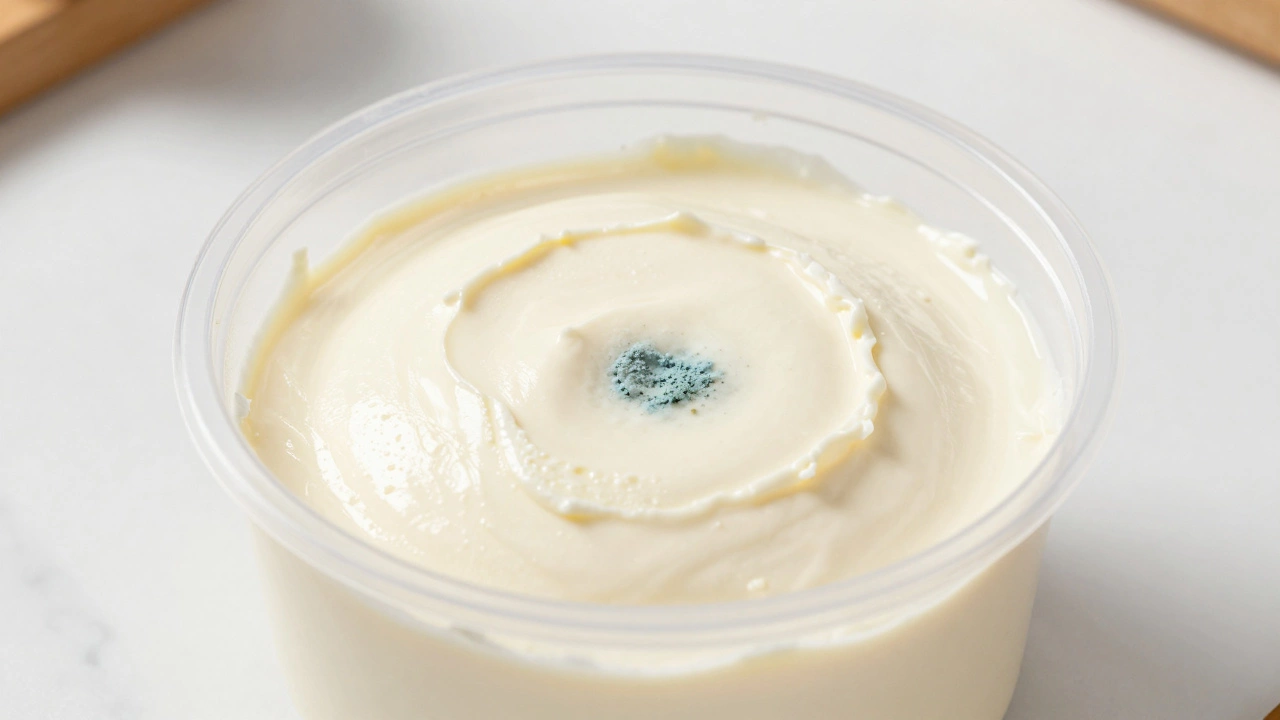
- Visible Mold: Any fuzzy growth (green, white, or pink) means it is time to bin it.
- Sour Smell: A sharp, acidic, or yeasty odor is a red flag.
- Texture Changes: Separation that doesn't fix with stirring or a slimy surface.
- Taste: A bitter or excessively sour tang that differs from its natural mildness.
First, let's get a clear handle on what we are dealing with. Mascarpone is a thick, creamy Italian cheese made from cow's milk cream. Unlike mascarpone cheese, which is often compared to cream cheese, it isn't fermented with bacteria to create a tang. Instead, it uses a citric acid catalyst. Because it has such a high fat content and low acidity, it is a playground for bacteria if not stored perfectly.
The Visual Red Flags
Your eyes are your first line of defense. Fresh mascarpone should be a consistent, ivory-white color. It should look smooth and dense, almost like a thick paste. If you see any discoloration, you need to be cautious.
The most obvious sign of spoilage is mold. While some cheeses, like Gorgonzola, are designed to have mold, mascarpone is a fresh cheese. Any mold growth-whether it is a tiny green dot or a white fuzzy patch-indicates that the cheese is contaminated. Because mascarpone is soft and moist, mold spores travel easily through the product. You cannot simply scrape the mold off the top and call it a day; the invisible roots have likely spread through the entire tub.
Keep an eye out for "yellowing" around the edges. If the white ivory transforms into a pale yellow or orange hue, the fats are oxidizing. This doesn't always mean it's toxic, but it means the flavor has shifted, and it is no longer fresh enough for a high-quality dessert.
The Smell Test
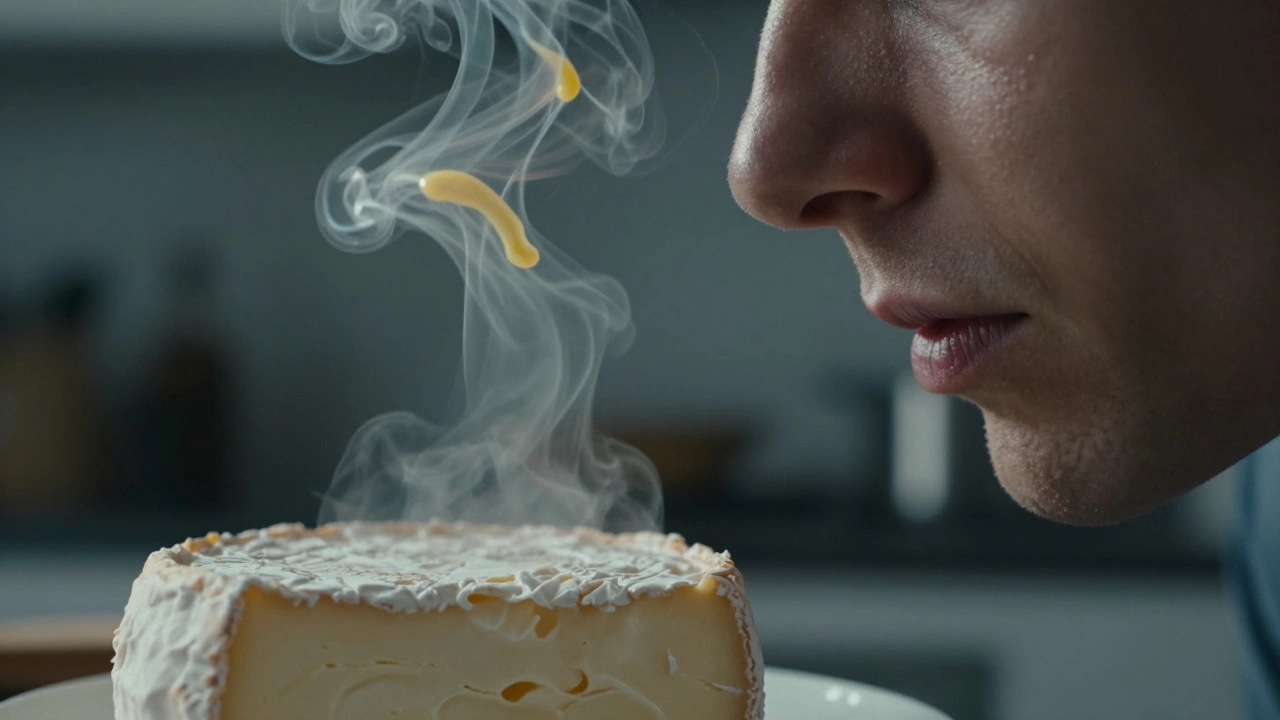
If the looks are okay, use your nose. Fresh mascarpone has a very mild, slightly sweet, and milky scent. It shouldn't scream "cheese" at you. When it starts to turn, the aroma changes drastically.
If you detect a scent that reminds you of old gym socks, vinegar, or very sour milk, the cheese has spoiled. This happens when Lactic Acid Bacteria begin to over-process the sugars in the cream. If the smell is pungent or "yeasty" (like bread dough that's been sitting out too long), it's a sign that wild yeasts have moved in. In a dish like tiramisu, where the cheese isn't cooked, these flavors will bleed right into your coffee-soaked ladyfingers and ruin the entire batch.
Checking the Texture and Consistency
Texture is where things get tricky. Mascarpone can sometimes separate slightly in the fridge, which looks scary but isn't always a sign of decay. If you see a little bit of liquid (whey) on top, try stirring it back in. If it incorporates smoothly and stays thick, you are usually fine.
However, if the texture has become "slimy" or develops a sticky, stringy quality when you lift a spoon, stop immediately. This is often a sign of bacterial colonies creating biofilms. Another warning sign is if the cheese has become grainy or curdled in a way that doesn't smooth out. Fresh mascarpone should be velvet-smooth; if it feels like cottage cheese, it has gone past its prime.
| Attribute | Fresh Mascarpone | Spoiled Mascarpone |
|---|---|---|
| Color | Ivory / Bright White | Yellowish or Spotted (Mold) |
| Scent | Mild, Sweet, Milky | Sour, Acidic, or Pungent |
| Texture | Smooth and Thick | Slimy, Grainy, or Curdled |
| Taste | Creamy and Neutral | Bitter, Sour, or Tangy |
The Taste Test (The Last Resort)
If you've passed the sight and smell tests but are still unsure, a tiny taste test is the final step. Use a clean spoon to take a small amount from the center of the tub, not the surface.
Fresh mascarpone is barely tangy. It tastes like very heavy cream. If you notice a sharp, bitter, or "fizzy" sensation on your tongue, spit it out. That fizzing is a result of fermentation and gas production by spoilage bacteria. There is no amount of sugar or cocoa powder that can hide the taste of spoiled cheese once it's mixed into a cream.
How to Stop Mascarpone from Spoiling
Since you've likely just lost a tub of cheese, let's make sure it doesn't happen again. Mascarpone is far more delicate than Cream Cheese because it lacks the preservatives and high acidity of its American cousin. To keep it fresh, follow these simple rules:
- Avoid Temperature Swings: Don't leave the tub on the counter while you prep other ingredients. Keep it in the fridge until the exact moment you need to whip it.
- Prevent Cross-Contamination: Never use a spoon that has touched other food to scoop your cheese. One stray crumb of bread or a drop of jam can introduce mold spores that will colonize the whole container in 48 hours.
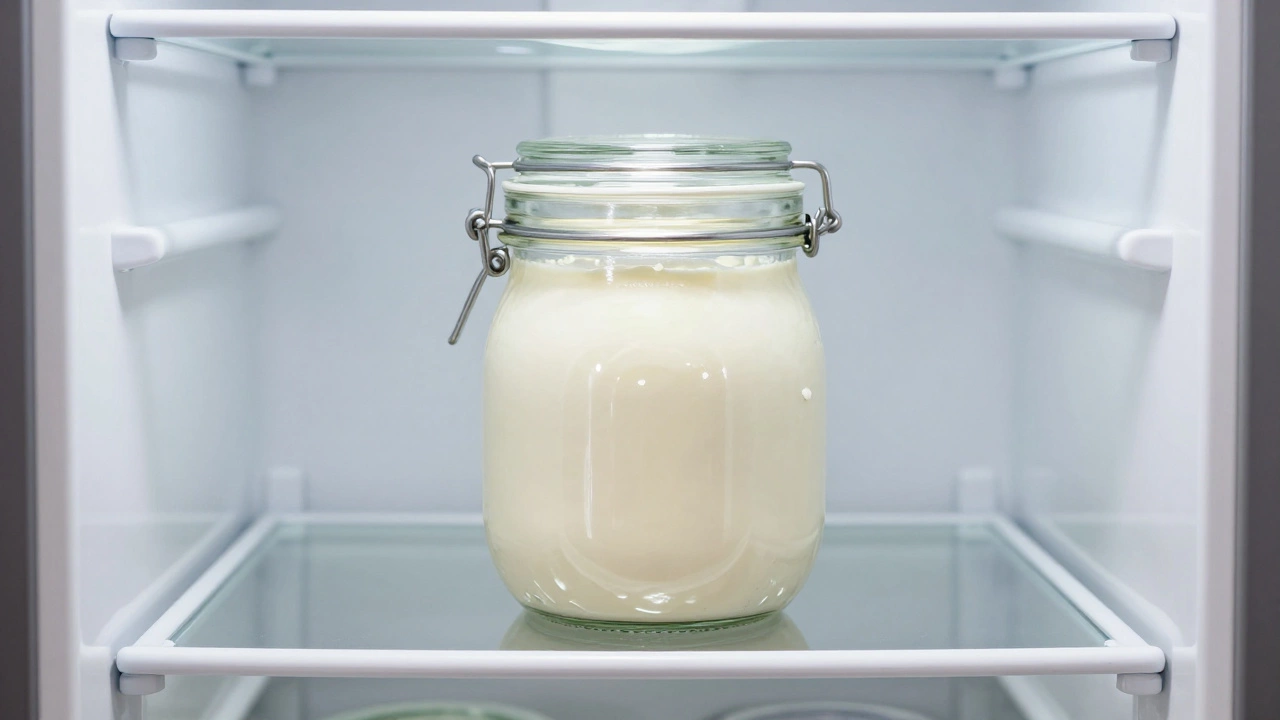
- The Airtight Seal: If the tub has a foil lid and a plastic cover, make sure both are snapped shut tightly. If you've transferred the cheese to another container, use a glass jar with a locking lid to keep oxygen out.
- Storage Location: Store it in the main body of the fridge, not the door. The door is the warmest part of the appliance and fluctuates every time you open it, which accelerates spoilage.
Shelf Life Expectations
How long does it actually last? An unopened tub of mascarpone typically lasts until the expiration date on the package, provided it was stored at a constant 40°F (4°C) or below. However, once the seal is broken, the clock starts ticking much faster.
Generally, opened mascarpone should be used within 5 to 7 days. Some people try to push it to two weeks, but the high moisture content makes this a risky gamble. If you find yourself unable to use a whole tub for a single recipe, remember that while you cannot safely freeze mascarpone (it will break and separate into a watery mess), you can use it in savory pasta sauces where the heat can provide an extra layer of safety, provided the cheese isn't already smelling sour.
Can I just cut the mold off the top?
No. Because mascarpone is a soft, high-moisture cheese, mold hyphae (the invisible roots) penetrate deep into the product. By the time you see a spot of mold on the surface, the rest of the tub is likely contaminated with spores. Throw it away to avoid foodborne illness.
Does mascarpone always have a slight tang?
It should be very mild. If it tastes sharply sour or acidic like a lemon or a strong yogurt, it has likely fermented too much and is no longer fresh. It should taste more like butter or heavy cream than like a fermented cheese.
Why did my mascarpone separate?
Slight separation of whey (the clear liquid) is common and usually safe. It happens due to temperature changes. If the liquid stirs back in and the texture remains smooth, it is fine. If it's chunky or slimy, discard it.
Can I use mascarpone past the expiration date?
Expiration dates are guidelines, but for soft cheeses, they are safer to follow strictly. If it is a few days past the date and passes the smell and sight tests, it might be okay, but for high-risk desserts like tiramisu, it's better to be safe and buy a fresh tub.
What is the best way to store open mascarpone?
Keep it in its original container if possible, ensuring the lid is airtight. Store it in the coldest part of your refrigerator (the back of the middle shelf) and always use a clean, dry utensil to avoid introducing bacteria.
What to do next
If you've discovered your cheese is bad, don't let it ruin your dessert plans. If you're in a pinch and can't get to the store, you can make a quick substitute. A mix of cream cheese and heavy cream (beaten until thick) or a blend of ricotta and heavy cream can work in a pinch for some recipes, though the flavor won't be exactly the same as a traditional Italian experience.
If you are shopping for a new tub, check the date on the shelf. Some stores put the shortest-dated items at the front. Reach for the back of the shelf to find the freshest batch, ensuring your tiramisu stays creamy and safe for everyone to enjoy.
Popular Posts

Why Milk Isn't for Vegans: Unveiling the Reasons
Feb, 7 2025