
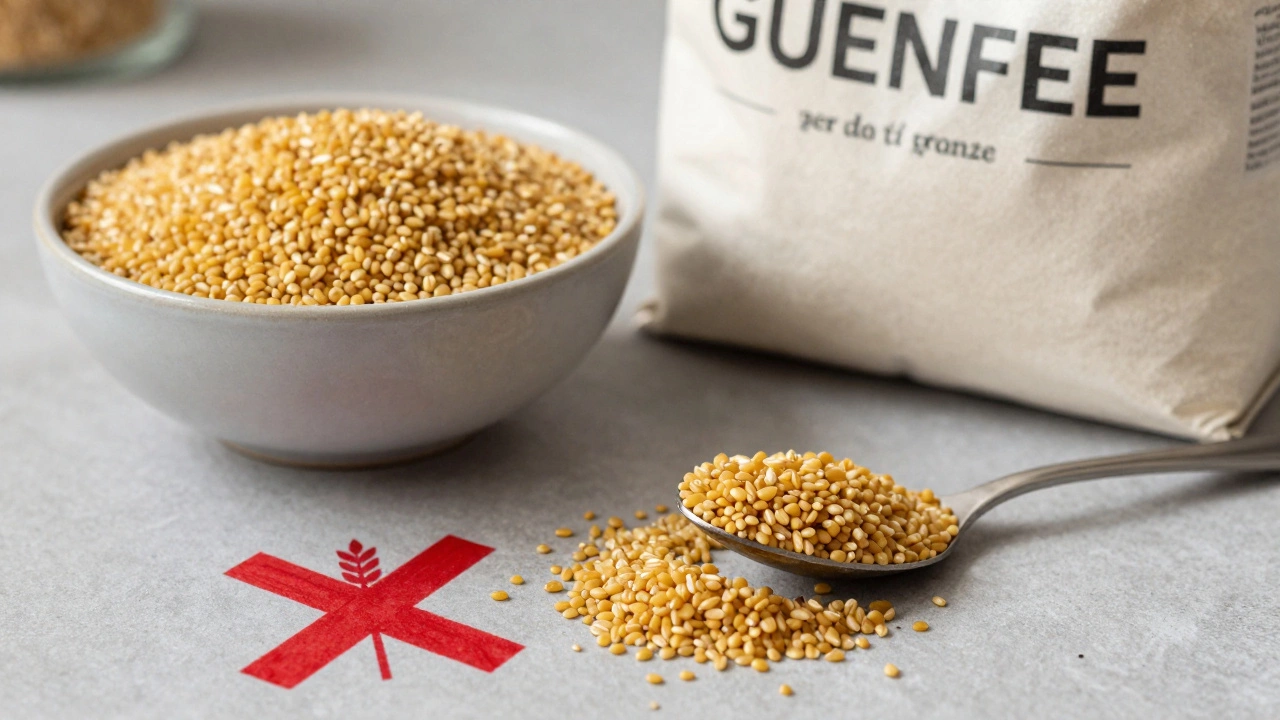
Gluten-Free Ingredient Checker
Check Ingredients for Gluten Safety
Enter any ingredient name to see if it's safe for gluten-free baking. Many grains like bulgur wheat contain gluten even if they're not obvious.
Important Notes
If you're baking gluten-free cakes and reached for a bag of bulgur wheat thinking it might be a safe swap, you’re not alone. Many people assume that because bulgur is a whole grain and often marketed as a healthy alternative, it must be naturally gluten-free. But here’s the hard truth: bulgur wheat is not gluten-free. It’s made from wheat-and that means it contains gluten.
What is bulgur wheat, really?
Bulgur wheat is cracked, parboiled, and dried wheat kernels, usually made from durum wheat. It’s a staple in Middle Eastern cooking-think tabbouleh, pilafs, and stuffed peppers. It’s quick to cook, chewy in texture, and packed with fiber and minerals. But none of that changes the fact that it comes from wheat. And wheat? It’s one of the three major sources of gluten, along with barley and rye.
If you have celiac disease, a wheat allergy, or non-celiac gluten sensitivity, eating bulgur can trigger symptoms like bloating, diarrhea, fatigue, or even long-term intestinal damage. There’s no safe amount. Even trace amounts from cross-contamination can be harmful for some people.
Why do people think bulgur is gluten-free?
Confusion happens for a few reasons. First, bulgur is often sold alongside quinoa, rice, and other naturally gluten-free grains in the health food aisle. It looks similar. It’s labeled as a “whole grain,” and people associate that with “healthy” and “safe.” Second, some brands market bulgur as a “natural” or “ancient grain,” which sounds wholesome-but doesn’t mean gluten-free.
Third, there’s a myth that because bulgur is partially cooked and dried, the gluten structure breaks down. It doesn’t. Gluten proteins are tough. They don’t vanish with boiling or drying. The gluten in bulgur is just as active as in bread or pasta.
What can you use instead in gluten-free cakes?
Since bulgur adds texture and chew, you might be using it in recipes to mimic the structure of wheat-based desserts. But for gluten-free cakes, you need alternatives that bind, moisten, and add body without gluten. Here are the best swaps:
- Cooked quinoa - Adds a slight nutty flavor and firm texture. Works well in dense cakes or muffins.
- Gluten-free oat flour - Made from certified gluten-free oats. Provides moisture and structure. Always check the label-many oats are cross-contaminated.
- Almond flour - Low-carb, high-protein, and great for moist cakes. Pairs well with fruit and spices.
- Coconut flour - Absorbs a lot of liquid, so you’ll need more eggs or binding agents. Best blended with other flours.
- Rice flour blends - Pre-mixed gluten-free flour blends (like Bob’s Red Mill 1-to-1) are designed to replace wheat flour directly in cake recipes.
None of these will taste exactly like bulgur-but they’ll give you a cake that’s safe and still delicious. For example, a gluten-free carrot cake using almond flour and a touch of ground flaxseed holds together beautifully without any wheat products.
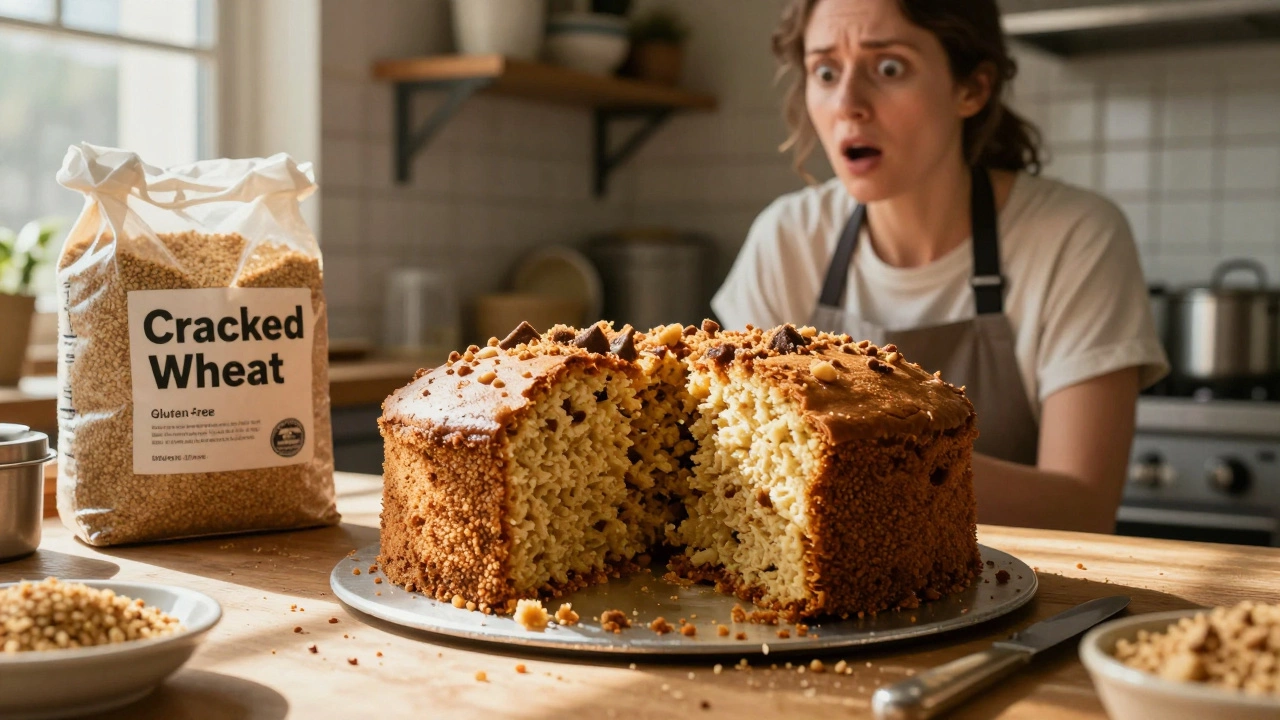
How to spot hidden bulgur in packaged goods
Bulgur doesn’t always show up as “bulgur wheat.” On ingredient lists, you might see:
- Cracked wheat
- Wheat groats
- Whole wheat kernels
- Freekeh (a similar grain, also made from wheat)
Always read labels-even on things you wouldn’t expect. Some gluten-free labeled snacks, granola bars, or veggie burgers still contain bulgur. The FDA allows products to be labeled “gluten-free” only if they contain less than 20 ppm of gluten. But if bulgur is listed as an ingredient, that product is NOT gluten-free, no matter what the label says.
What about “wheat-free” vs. “gluten-free”?
This is a common mix-up. “Wheat-free” doesn’t mean gluten-free. A product can be wheat-free but still contain barley or rye-both of which have gluten. And bulgur is wheat. So if something says “wheat-free,” but you see bulgur on the list? It’s a trap.
Gluten-free means no wheat, barley, rye, or their crossbred hybrids. If you’re baking for someone with celiac disease, “wheat-free” isn’t enough. You need certified gluten-free ingredients.
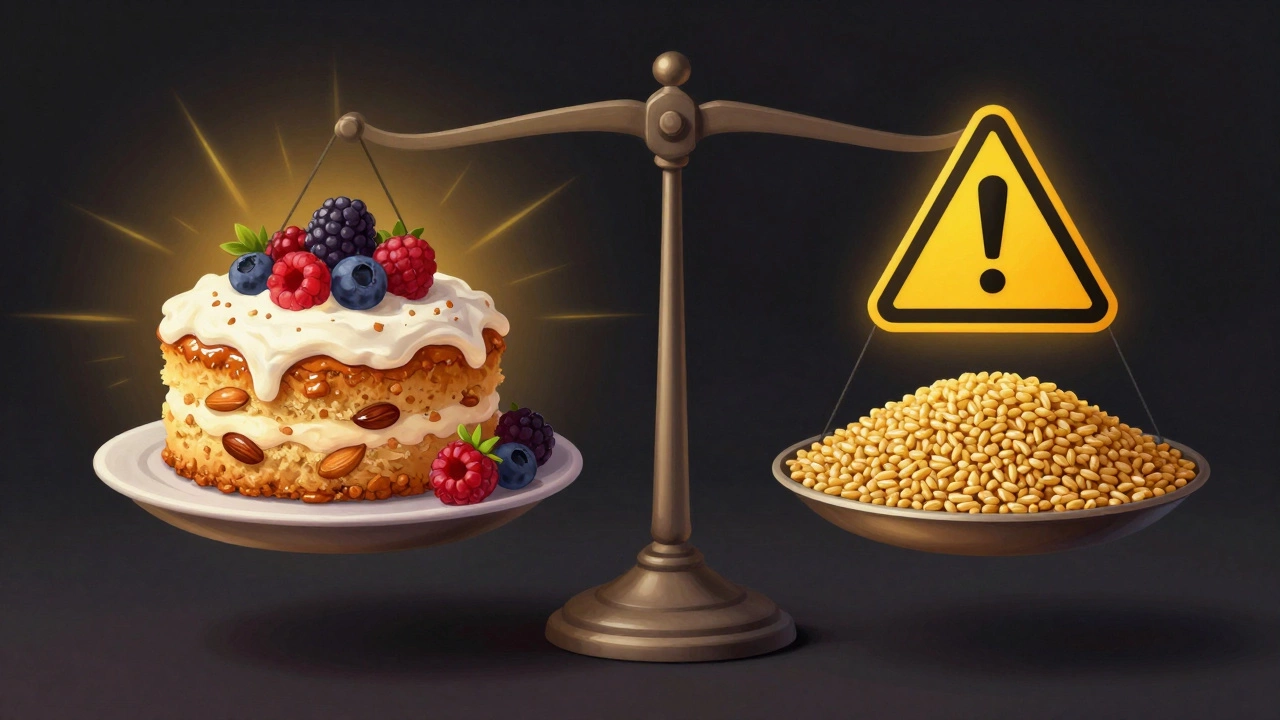
Real-world baking mistake: the bulgur cake disaster
A friend of mine in Brighton once made a “healthy” gluten-free cake using bulgur because she thought it was a whole-grain substitute for flour. The cake was dense, gritty, and didn’t rise. Worse-her son, who has celiac disease, ate a slice and spent the next three days with stomach pain and brain fog. She didn’t realize bulgur was wheat. No one told her. The packaging didn’t warn her. She just assumed.
That’s why this matters. Gluten isn’t just about taste or texture. It’s about health. And when you’re baking for others, especially those with medical needs, assumptions can have real consequences.
How to bake safe gluten-free cakes every time
Here’s a simple rule: if it comes from wheat, barley, or rye, leave it out. Stick to these trusted gluten-free grains and flours:
- Rice flour (white or brown)
- Cornmeal or corn flour
- Quinoa flour
- Buckwheat flour (yes, it’s gluten-free, even though it sounds like wheat)
- Tapioca starch
- Potato starch
- Chickpea flour
- Certified gluten-free oats
Always buy flours labeled “certified gluten-free.” Even naturally gluten-free grains can be contaminated during farming, transport, or processing. Certification means they’ve been tested and processed in dedicated facilities.
When in doubt, skip it. Don’t guess. Use a trusted gluten-free cake recipe from a reputable source-like King Arthur Baking or Beyond Celiac-and stick to their ingredients.
Final takeaway: bulgur wheat is not your friend in gluten-free baking
Bulgur wheat is nutritious. It’s flavorful. It’s traditional. But it’s not gluten-free. And if you’re making cakes for someone who can’t tolerate gluten, it’s dangerous to use-even in small amounts.
There are plenty of delicious, safe alternatives out there. You don’t need to sacrifice taste or texture. You just need to know what’s safe. Stick to certified gluten-free flours. Read every label. And when in doubt, ask. Your cake-and your guests-will thank you.
Popular Posts

Funeral Cake: Why That Name Sticks Around
Jun, 13 2025
Why Eggs Matter in Cheesecake Recipes
Mar, 20 2025

Why Is It Called a Princess Cake?
Feb, 15 2025