

Hidden Ingredient Detective
Can you spot the hidden animal products? Test your knowledge on common non-vegan ingredients found in everyday foods.
Quiz Complete!
Imagine biting into a rich, chocolatey brownie, only to realize it contains gelatin derived from cow bones. Or perhaps you’ve just finished a bowl of vibrant fruit salad, wondering if the sugar was filtered through bone char. These scenarios highlight the central question on many minds: is it possible to be 100% vegan? The short answer is no, not in an absolute, scientific sense. However, the practical answer is yes, if you define veganism as a conscious effort to exclude all forms of animal exploitation and cruelty to the greatest extent possible.
This distinction matters because perfection is a trap that leads to guilt, burnout, and ultimately, quitting. Understanding the reality of modern food production helps you navigate grocery stores with confidence rather than fear. Let’s look at where those hidden animal products come from and how to manage them without losing your mind.
The Definition Gap: Ethics vs. Absolutism
To understand why 100% purity is impossible, we first need to look at how veganism is defined. The Vegan Society, founded in 1944, defines veganism as "a philosophy and way of living which seeks to exclude-as far as is possible and practicable-all forms of exploitation of, and cruelty to, animals." Notice the phrase "as far as is possible and practicable." This isn’t a loophole; it’s a recognition of reality.
If you aim for zero animal contact, you will fail immediately. Your clothes might contain trace amounts of lanolin (wool wax) used in manufacturing processes. The bus you take to work may have leather seats. Even the air you breathe contains microscopic particles from natural sources that were once part of an animal ecosystem. Striving for literal 100% purity is not just difficult; it is logically inconsistent with living in a world built by humans who have historically used animals for everything.
The goal isn’t perfection. The goal is reduction. Every time you choose a plant-based option over an animal-derived one, you reduce demand for industrial farming. That shift in mindset-from seeking unattainable purity to pursuing consistent progress-is what makes a sustainable vegan lifestyle possible.
Hidden Animal Products in Everyday Foods
Even when you actively avoid meat, dairy, and eggs, animal derivatives hide in plain sight. These aren’t always obvious because they are often listed under chemical names or vague terms like "natural flavors." Here are the most common culprits found in processed foods and even some fresh produce:
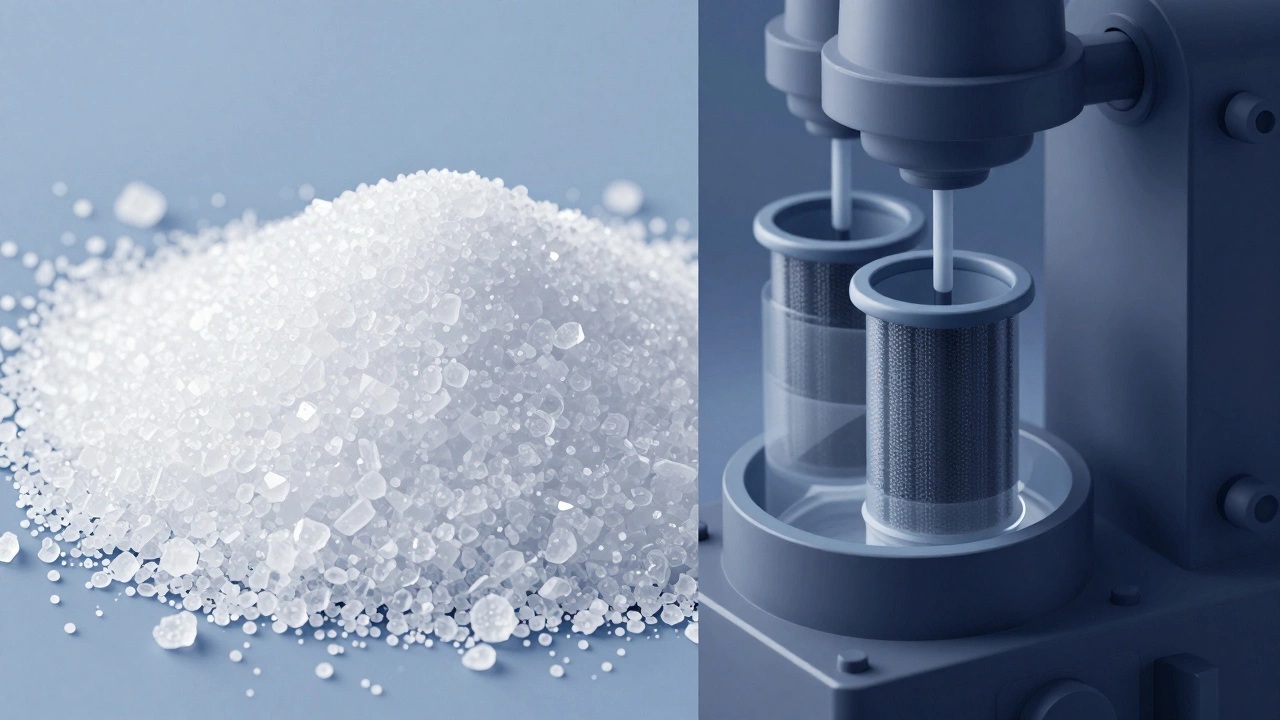
- Bone Char: Used in refining white sugar. While not always present in organic or beet sugars, conventional cane sugar often uses this filter.
- Gelatin: Derived from collagen in animal skin, bones, and connective tissue. Found in gummies, marshmallows, and some yogurt brands.
- Carmine (Cochineal): A red pigment made from crushed insects. Common in lipsticks, yogurts, and fruit snacks.
- Shellac: Produced by lac bugs. Used as a glaze on candies, pills, and sometimes fruits like apples to make them shiny.
- L-Cysteine: An amino acid often sourced from duck feathers or human hair. Used as a dough conditioner in breads and bagels.
These ingredients are not malicious additions; they are efficient, cheap, and effective processing aids. But their presence means that reading labels becomes a necessary skill, not just a preference. You don’t need to memorize every ingredient, but knowing these key offenders helps you spot them quickly.
The Cross-Contamination Dilemma
Beyond intentional ingredients, there is the issue of cross-contamination. Most large-scale food manufacturers do not dedicate separate facilities for vegan products. A factory might produce milk chocolate in the morning and dark chocolate in the afternoon, using the same machinery. Traces of milk can remain despite rigorous cleaning protocols.
This raises a tough question: Is a product still vegan if it contains trace amounts of animal products due to shared equipment? Most vegans agree that incidental cross-contact does not negate the vegan status of a product. If a company intentionally adds milk, it’s not vegan. If a tiny residue remains after cleaning, it’s a limitation of current infrastructure, not an ethical choice. Holding yourself to a standard of zero contamination would mean avoiding almost all processed foods, including many labeled "vegan."
Consider this: If you eat a cookie from a jar that also held peanut butter cookies, you’re not allergic to peanuts, but you might worry about traces. Similarly, trace animal proteins in a vegan cake don’t change its fundamental nature. They reflect the complexity of global supply chains, not a failure of your ethics.
Vegan Desserts: Where Hidden Ingredients Hide
Desserts are particularly tricky because they rely heavily on texture and shine-qualities often achieved with animal-derived additives. When baking or buying vegan desserts, keep an eye out for these specific issues:
| Ingredient | Source | Common In | Vegan Alternative |
|---|---|---|---|
| Gelatin | Animal collagen | Gummy bears, marshmallows, jellies | Agar-agar, pectin |
| Confectioner’s Glaze | Lac bugs (shellac) | Candy coatings, licorice | Plant-based waxes |
| Honey | Bees | Oatmeal cookies, granola bars | Maple syrup, agave nectar |
| White Sugar | Bone char filtration | Cakes, frostings, chocolates | Organic sugar, coconut sugar |
When making vegan desserts at home, you control the inputs. Using maple syrup instead of honey, agar instead of gelatin, and organic sugar eliminates most concerns. Buying pre-made vegan desserts requires more vigilance. Look for certifications like the V-Label or Certified Vegan logo, which indicate third-party verification that no animal products were used intentionally.
Farming Practices and Produce
Even raw, unprocessed foods aren’t entirely free from animal involvement. Conventional farming often uses animal manure as fertilizer. Fish emulsion is a popular organic fertilizer made from fish waste. Some orchards use geese or ducks to control pests, meaning the fruit you buy may have benefited from animal labor.
Does this make strawberries non-vegan? Not necessarily. The intent behind using manure or pest-control animals is agricultural efficiency, not exploitation for consumption. Furthermore, wild plants grow without any human intervention, proving that plants can thrive without animal inputs. Choosing organic produce reduces the likelihood of synthetic chemicals, but doesn’t guarantee zero animal involvement. Again, the "as far as possible" clause applies here. You cannot inspect every field, so you trust the label and move on.

Practical Steps for Realistic Veganism
So, how do you live vegan without obsessing over every microscopic detail? Here are actionable strategies to maintain your values while staying sane:
- Focus on Intent: Ask yourself, "Did I choose this product to support animal-free systems?" If yes, you’re doing fine. Don’t punish yourself for things beyond your control.
- Read Labels Selectively: You don’t need to scrutinize every item. Focus on high-risk categories like candy, baked goods, and supplements. For whole foods like bananas or rice, assume they’re safe unless stated otherwise.
- Support Transparent Brands: Choose companies that clearly state their sourcing practices. Many modern vegan brands prioritize transparency because their customers value it.
- Embrace Imperfection: If you accidentally eat something with hidden gelatin, it’s okay. Apologize to yourself, learn from it, and continue. One mistake doesn’t erase months of ethical choices.
- Educate Yourself Gradually: Start with the basics (no meat, dairy, eggs). Then expand to less obvious areas (gelatin, shellac) as you become more comfortable. Don’t overwhelm yourself with information all at once.
Remember, the best vegan is the one who stays vegan long-term. Perfectionism leads to dropout. Consistency leads to impact.
The Bigger Picture: Why It Matters
Ultimately, the question of whether you can be 100% vegan misses the point. The real question is: Are you reducing harm? Industrial animal agriculture is responsible for significant greenhouse gas emissions, deforestation, and water pollution. By choosing plant-based options, you contribute to a system that prioritizes sustainability and compassion.
Your individual choices ripple outward. As more people adopt vegan lifestyles, companies adapt. Supermarkets stock more plant-based items. Restaurants add vegan menus. Regulations improve. This cultural shift happens because millions of imperfect vegans make consistent efforts, not because a few perfect vegans achieve theoretical purity.
So, is it possible to be 100% vegan? No. Is it possible to live a deeply ethical, compassionate, and impactful life as a vegan? Absolutely. And that’s what truly counts.
What does 'accidental animal products' mean in vegan food?
Accidental animal products refer to trace amounts of animal-derived substances that end up in food due to shared manufacturing equipment or processing methods. For example, a vegan chocolate bar might contain minute traces of milk protein because the same machine processed milk chocolate earlier. This is different from intentional ingredients like gelatin or whey.
Is bone char really used in sugar?
Yes, bone char (made from cattle bones) is commonly used to decolorize and refine white cane sugar in some countries, including the US. However, it is not used in beet sugar or organic cane sugar. If you want to avoid it, look for labels saying "organic," "unrefined," or "beet sugar."
Can I trust products labeled 'vegan'?
Generally, yes. Companies labeling products as vegan usually ensure no animal ingredients are intentionally added. However, they rarely guarantee zero cross-contamination. For extra assurance, look for certified vegan logos from organizations like the Vegan Society or PETA, which verify both ingredients and manufacturing processes.
Are all fruits and vegetables 100% vegan?
Not strictly. Some farms use animal manure as fertilizer or employ animals for pest control. Wild-grown plants are naturally free of such inputs. Since most consumers can't verify farming practices for every vegetable, the vegan principle of "as far as possible" allows us to consider produce vegan unless proven otherwise.
How do I handle cross-contamination anxiety?
Acknowledge that total avoidance is impossible in today's food system. Focus on intentional choices rather than accidental traces. If you're highly sensitive, seek out brands with dedicated vegan facilities. Otherwise, accept that minor cross-contact doesn't undermine your ethical stance. Progress, not perfection, is the goal.