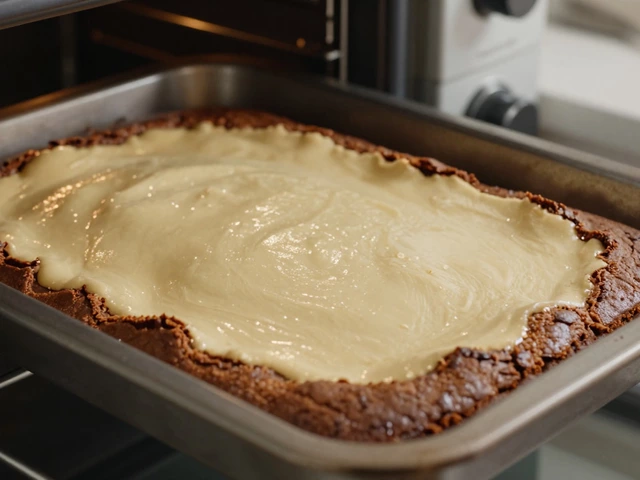
Fudge Storage Advisor
Not sure where to store your fresh batch? Select your fudge type below to get expert advice on texture and safety.
Select a type and click "Get Storage Advice" to see recommendations.
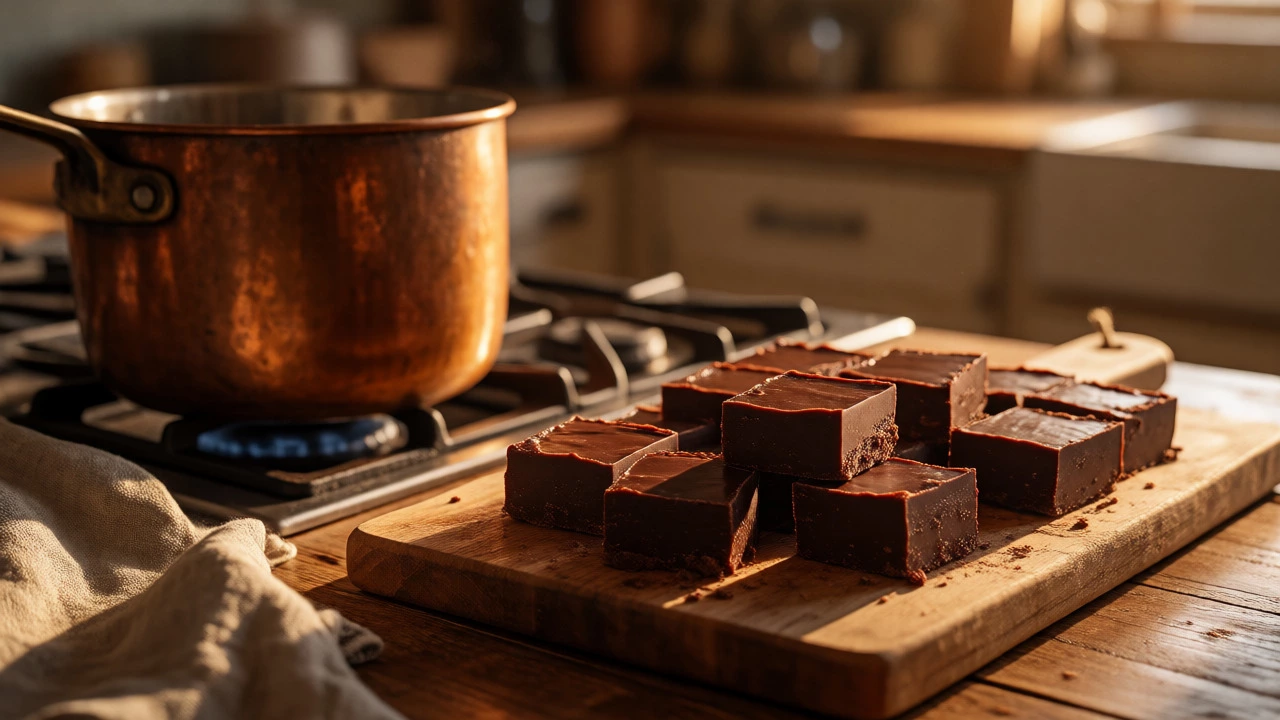
You just spent two hours stirring a pot of sugar and condensed milk until your arm ached. The smell is incredible-chocolatey, sweet, and warm. You pour it into the pan, let it set, and cut those perfect squares. Now comes the tricky part: where do you put them? Do you shove the whole tray in the fridge like leftovers, or leave it on the counter next to the kettle?
Here is the short answer that might surprise you: you generally should not refrigerate homemade fudge. For most traditional recipes, the fridge is actually the enemy of texture. It dries out the sugar crystals, makes the fudge crumbly, and can cause condensation that ruins the glossy top. However, there are exceptions. If your fudge has fresh fruit, cream cheese, or ganache swirls, the rules change completely.
The Science Behind Fudge Texture
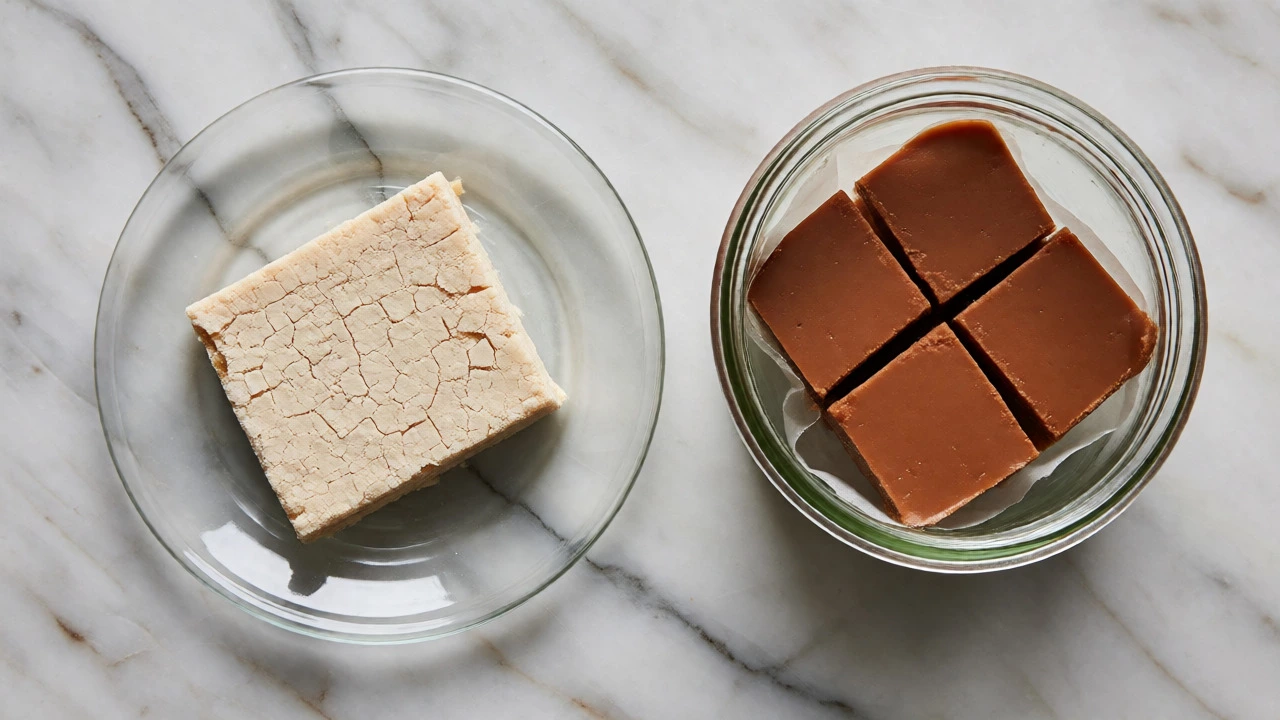
To understand why the fridge is usually a bad idea, you have to look at what fudge actually is. It isn't just solid chocolate; it's a supersaturated sugar solution with tiny crystals suspended in it. This structure relies on moisture balance. When you expose fudge to the cold, dry air of a refrigerator, two things happen. First, the moisture migrates from the center of the candy to the surface and evaporates. Second, the starches and sugars retrograde, meaning they harden and lose their creamy mouthfeel.
Think of it like bread. Nobody keeps fresh artisan sourdough in the fridge because it goes stale faster than if left on the counter. Fudge behaves similarly. The cold accelerates the crystallization process in ways that make the candy feel gritty rather than smooth. In my kitchen here in Brighton, I’ve tested this repeatedly. A batch of classic vanilla fudge left in an airtight container on the pantry shelf stayed soft and melt-in-your-mouth for ten days. The identical batch stored in the fridge became hard and chalky within forty-eight hours.
When Room Temperature Storage Is Best
If you are making standard confectionery-style fudge using condensed milk, butter, and sugar (or chocolate), room temperature is your best friend. This applies to:
- Classic chocolate fudge
- Peanut butter fudge
- Vanilla or maple fudge
- Fudge made with marshmallow fluff
- Nougat-based fudges
The key is the container. An open plate will dry out in about three days. To get the full week or more of freshness, you need an airtight environment. Place a sheet of wax paper or parchment between layers so the pieces don't stick together, then seal the container tight. Keep it away from direct sunlight and heat sources. A cupboard away from the oven is ideal. The ambient temperature in a typical UK home (around 18-20°C) is perfect for keeping the fats semi-solid but pliable.
Exceptions: When You Must Refrigerate
Not all fudge is created equal. Some modern variations introduce ingredients that are highly perishable. If your recipe includes dairy products that aren't fully cooked down to a high temperature, or fresh additions, bacteria can grow at room temperature. You must refrigerate these types:
- Cream Cheese Fudge: Cream cheese is a TCS (Time/Temperature Control for Safety) food. It needs to stay below 5°C to prevent bacterial growth.
- Ganache Swirls: If you swirled in fresh heavy cream and chocolate ganache that wasn't boiled to the firm ball stage, it needs cooling.
- Fresh Fruit Add-ins: Strawberries, raspberries, or bananas added raw introduce water activity that promotes mold.
- Bailey's or Alcohol Infusions: While alcohol preserves somewhat, the dairy base in liqueurs often requires chilling if the fudge is very soft.
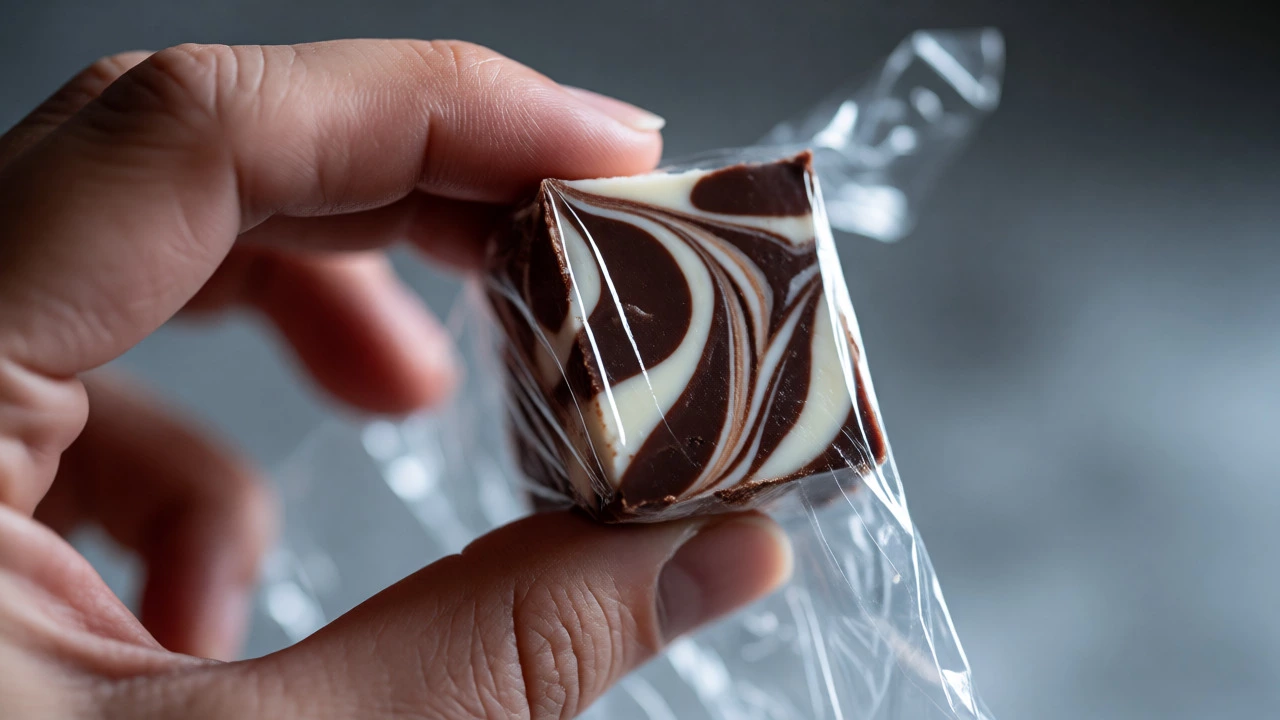
If you fall into one of these categories, wrap individual pieces tightly in plastic wrap before putting them in the container. This double barrier helps prevent the fridge air from sucking out the moisture.
How Long Does Homemade Fudge Last?
Shelf life depends heavily on storage method and ingredients. Here is a realistic breakdown based on common kitchen conditions:
| Storage Method | Standard Chocolate/Vanilla | Cream Cheese/Fruit | Quality Notes |
|---|---|---|---|
| Room Temp (Airtight) | 7-10 Days | Not Recommended | Best texture, easy to eat immediately. |
| Refrigerator (Wrapped) | 2-3 Weeks | 5-7 Days | Texture becomes harder/grainier. Bring to room temp before eating. |
| Freezer (Vacuum/Sealed) | 2-3 Months | 1-2 Months | Thaw slowly in fridge then counter. Prevents freezer burn. |
Notice that freezing is a viable option for long-term storage, especially if you made a huge batch for Christmas gifts. But even then, quality degrades over time. The fats in the butter can oxidize, leading to a slightly rancid taste after three months.
Troubleshooting Common Storage Mistakes
Even if you follow the rules, things can go wrong. Here are the most frequent issues people face when storing fudge and how to fix them.
Problem: The fudge is too hard to cut.
This usually happens if it was stored in the fridge or if the recipe had too much sugar relative to fat. If it’s from the fridge, let it sit on the counter for 30 minutes. If it’s still hard, you likely overcooked the mixture. Next time, use a candy thermometer and pull it off the heat at 234°F (112°C) for soft fudge, or 238°F (114°C) for firmer sets.
Problem: The surface is sticky or weeping.
This is called "weeping" or sweating. It occurs when humidity is high or when the fudge is exposed to fluctuating temperatures. If you take cold fudge out of the fridge and put it directly into a humid room, condensation forms on the surface. This dissolves some of the sugar, creating a syrupy mess. Always let refrigerated fudge come to room temperature inside its sealed container before opening it.
Problem: It tastes stale.
Fudge absorbs odors easily. If you stored your chocolate fudge next to onions or garlic in the fridge, it will taste weird. Use glass containers with rubber seals rather than plastic tubs, which can retain previous smells. If you’re storing it at room temperature, keep it far from strong spices.
Pro Tips for Maximum Freshness
After baking and selling desserts for years, I’ve picked up a few tricks that extend the life of homemade treats without needing preservatives.
- Use Corn Syrup: Adding a tablespoon of light corn syrup or glucose syrup to your boiling mixture interferes with large crystal formation. This keeps the fudge softer for longer, even at room temperature.
- Butter Quality Matters: High-fat European-style butter (like Lurpak or Kerrygold) creates a richer, more stable emulsion than standard supermarket butter. This stability helps resist drying out.
- Slice Only What You Need: Cutting fudge exposes the interior to air. Store the block whole and slice pieces as you eat them. This minimizes the surface area vulnerable to drying.
- The Freezer Hack: If you must freeze fudge, place the wrapped blocks in a vacuum-seal bag. Removing the air prevents ice crystals from forming on the surface, which is the main cause of texture damage during freezing.
Final Verdict: To Chill or Not to Chill?
For 90% of homemade fudge recipes, skip the fridge. Your pantry or cupboard is the superior choice. It maintains the creamy, dense texture that makes fudge special. Reserve the refrigerator for specific varieties containing perishable add-ins like cream cheese or fresh fruit, and always wrap those pieces tightly to combat the dry cold air.
Remember, fudge is meant to be enjoyed. If you find yourself worrying too much about preservation, you’re probably holding onto it too long. Make smaller batches, store them properly at room temperature, and enjoy them while they’re at their peak. There is nothing worse than biting into a piece of fudge that feels like a sugar brick because it sat in the back of the fridge for a month.
Does fudge go bad if left out overnight?
No, standard chocolate or vanilla fudge does not go bad if left out overnight. Because it has low water activity due to the high sugar content, it is shelf-stable at room temperature for several days. Just ensure it is covered to prevent dust or insects from getting to it.
Why did my fudge get grainy in the fridge?
The cold temperature of the refrigerator causes the sugar molecules to crystallize further and the fats to harden excessively. This changes the smooth, amorphous structure of the fudge into a rougher, grainy texture. Moisture loss in the dry fridge air also contributes to this gritty feeling.
Can I freeze fudge to make it last longer?
Yes, you can freeze fudge for up to 3 months. Wrap individual pieces or blocks tightly in plastic wrap, then place them in an airtight freezer bag or container. Thaw it in the refrigerator first, then bring it to room temperature before serving to maintain the best texture.
How do I know if my fudge has gone bad?
Signs of spoilage include visible mold (common in fruit or cream cheese varieties), an off or rancid smell (from the butter/fats), or a significant change in texture such as becoming overly slimy or extremely hard and crumbly beyond normal staleness. If it smells sour or looks fuzzy, discard it.
Should I cover fudge while it cools?
Do not cover hot fudge with a lid, as trapped steam will create condensation and make the top sticky. Let it cool uncovered until it is completely set and at room temperature. Once cooled, transfer it to an airtight container or wrap it tightly for storage.
Popular Posts
How Long Does It Take for Fudge to Fully Harden?
Nov, 24 2025