Baking Brownies: Secrets to Perfect Texture, Storage, and History
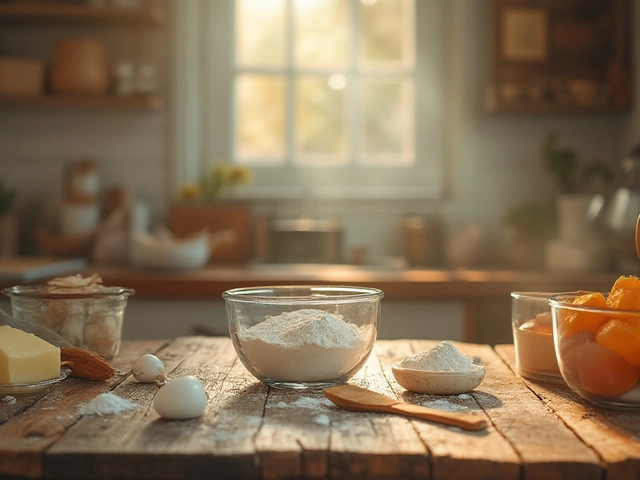
When you’re baking brownies, a dense, fudgy chocolate square that’s a staple in American dessert culture. Also known as chocolate brownies, it’s not just about mixing chocolate and flour—it’s about controlling heat, time, and patience to get that perfect bite. You don’t need fancy equipment or a culinary degree. Just a good recipe, a reliable oven, and the will to wait.
One of the biggest mistakes people make? Cutting brownies too soon. Brownie texture, the difference between cakey and fudgy, depends almost entirely on how long you let them cool. Rushing this step turns a rich, melt-in-your-mouth treat into a crumbly mess. Most recipes say 30 minutes. The real experts? They wait two hours. And if you’re really serious, letting them cool overnight—yes, that’s safe—gives you cleaner cuts and deeper flavor. It’s not magic. It’s science. The residual heat keeps cooking the center gently, letting the sugars and fats settle into that ideal chew.
Then there’s storage. Brownie shelf life, how long they stay fresh without going dry or stale. Keep them at room temperature in an airtight container, and they’ll last five days. Pop them in the fridge? They’ll stay good for up to a week—but they’ll firm up. Freeze them? They’ll keep for three months like a time capsule of chocolate joy. Wrap them tight. No air gets in. No moisture escapes. That’s the secret.
And where did this treat even come from? Who invented brownies, the answer isn’t France or Italy—it’s Chicago, in the 1890s. A woman named Bertha Palmer, running a hotel kitchen, supposedly asked for something simple, portable, and rich for her ladies’ club. The result? A dense chocolate square baked in a pan, cut into bite-sized pieces. No frosting. No fuss. Just chocolate. And it stuck.
Today, baking brownies isn’t just about following a recipe. It’s about understanding the little things: how flour affects structure, why sugar crystals matter, what happens if you skip vanilla, or why some folks add sour cream for extra richness. It’s a small treat with big variables. And that’s why people keep coming back—because even after a hundred tries, you can still find a new way to make them better.
Below, you’ll find real answers to real questions: how long to cool them, how to store them, why they crack, what happens if you freeze them, and even how much they really cost to make at home. No fluff. No guesswork. Just the stuff that actually works.
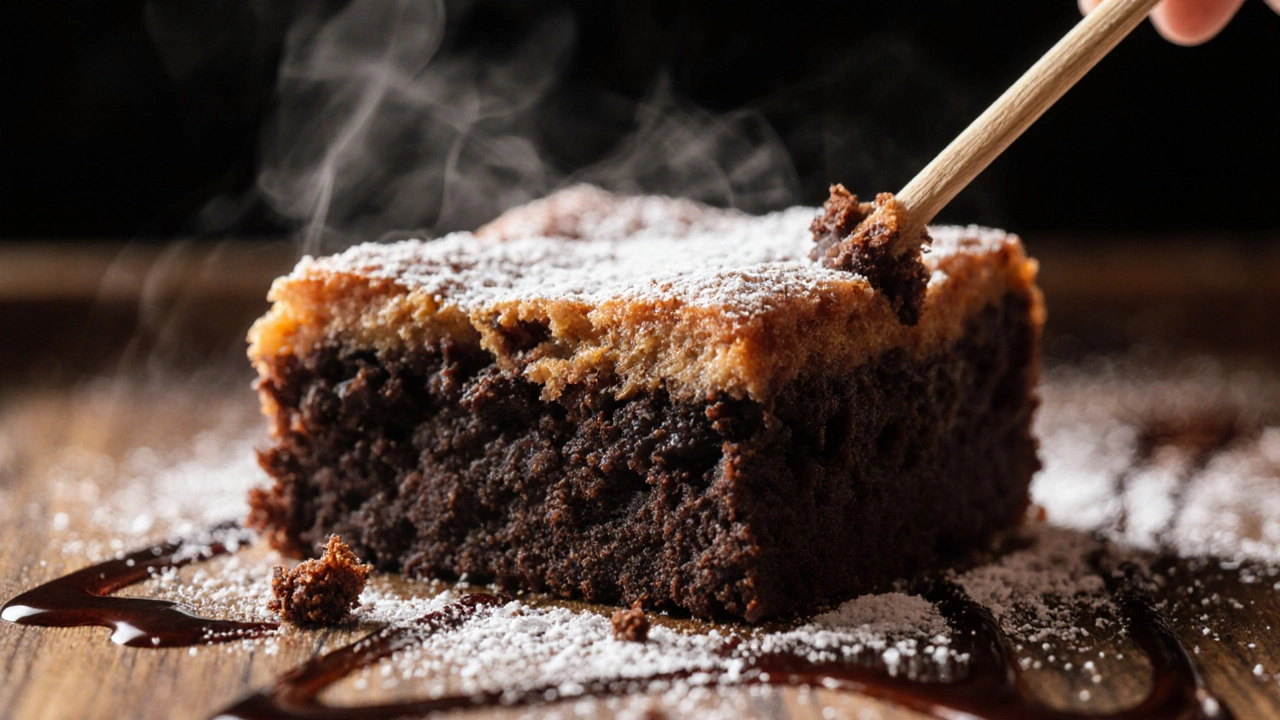
Why Brownies Turn Hard After Baking
Brownies turn hard after baking due to overbaking, too much flour, or improper storage. Learn how to fix texture issues and bake moist, fudgy brownies every time.
View MorePopular Posts
Trending Birthday Cakes: What's Hot Right Now?
May, 24 2025