Macaron Price: What You Really Pay for These French Treats in 2025
When you see a box of macarons, delicate French almond meringue cookies with creamy fillings. Also known as French macarons, they’re not just sweets—they’re tiny works of art made with precision, patience, and expensive ingredients. That price tag isn’t just for sugar and flavor. It’s paying for hours of skilled labor, high-quality almond flour, real vanilla, and food-grade colorants that don’t fade. A single macaron can cost anywhere from £1.50 to £4 in the UK, and if you’re buying a box of 12, you’re looking at £18 to £48 before tax. Why so much? Because every shell has to be piped perfectly, rested just right, baked without cracking, then filled by hand. No machines do this well. No shortcuts work.
What drives the macaron price isn’t just the ingredients—it’s the process. Almond flour alone costs 5 to 10 times more than regular flour. Powdered sugar needs to be ultra-fine. Egg whites must be aged and separated with care. Fillings like salted caramel, pistachio buttercream, or dark chocolate ganache aren’t store-bought jam—they’re cooked down, stabilized, and cooled slowly. Then there’s packaging: each macaron sits in its own paper cup inside a rigid box to avoid crushing. That’s why a bakery in London charges more than a café in Manchester. Location, overhead, and reputation all play a part. And don’t forget seasonal flavors—lavender honey or cranberry rose in December? Those cost extra because ingredients are rarer and demand is higher.
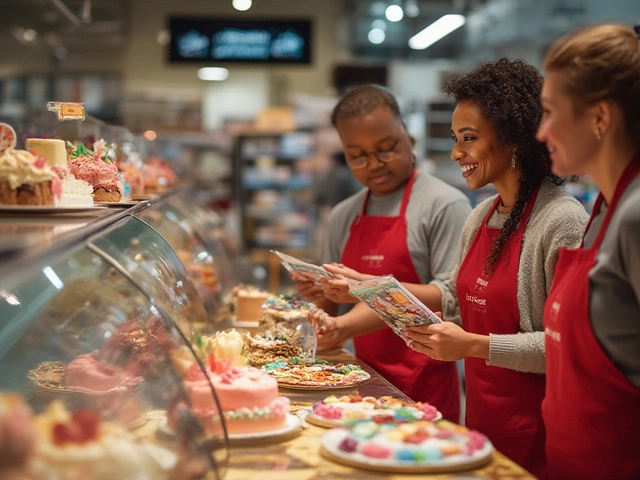
But here’s the real secret: you don’t have to pay retail. Many people buy macaron kits, pre-measured ingredient packs with piping tips and instructions to make them at home. A good DIY kit runs £20–£30 and makes 24–30 macarons—cutting the cost per piece to under £1. Others order in bulk for events: wedding favors, corporate gifts, or baby showers. Bakers often slash prices by 20–30% for orders of 50+. Even seasonal sales matter—Easter and Christmas are when you’ll find the best deals. And if you’re willing to wait, some bakeries sell day-old macarons at half-price. They’re still perfect to eat—just not photogenic enough for Instagram.
What you’re really paying for with store-bought macarons isn’t just the cookie—it’s the guarantee of consistency. A bad macaron cracks, sticks, or tastes like cardboard. A good one snaps gently, melts on your tongue, and has a filling that doesn’t leak. That’s why people pay more for a name they trust. But if you’re curious, you can learn to make them too. It’s not magic. It’s math, temperature, and a little practice. And once you do, you’ll never look at a £3 macaron the same way again.
Below, you’ll find real insights from people who’ve bought, baked, and compared macarons across the UK in 2025—from supermarket bargains to luxury boutiques. Whether you’re budgeting for a gift, planning a party, or just wondering if they’re worth it, these posts break down the numbers, the tricks, and the truth behind every bite.
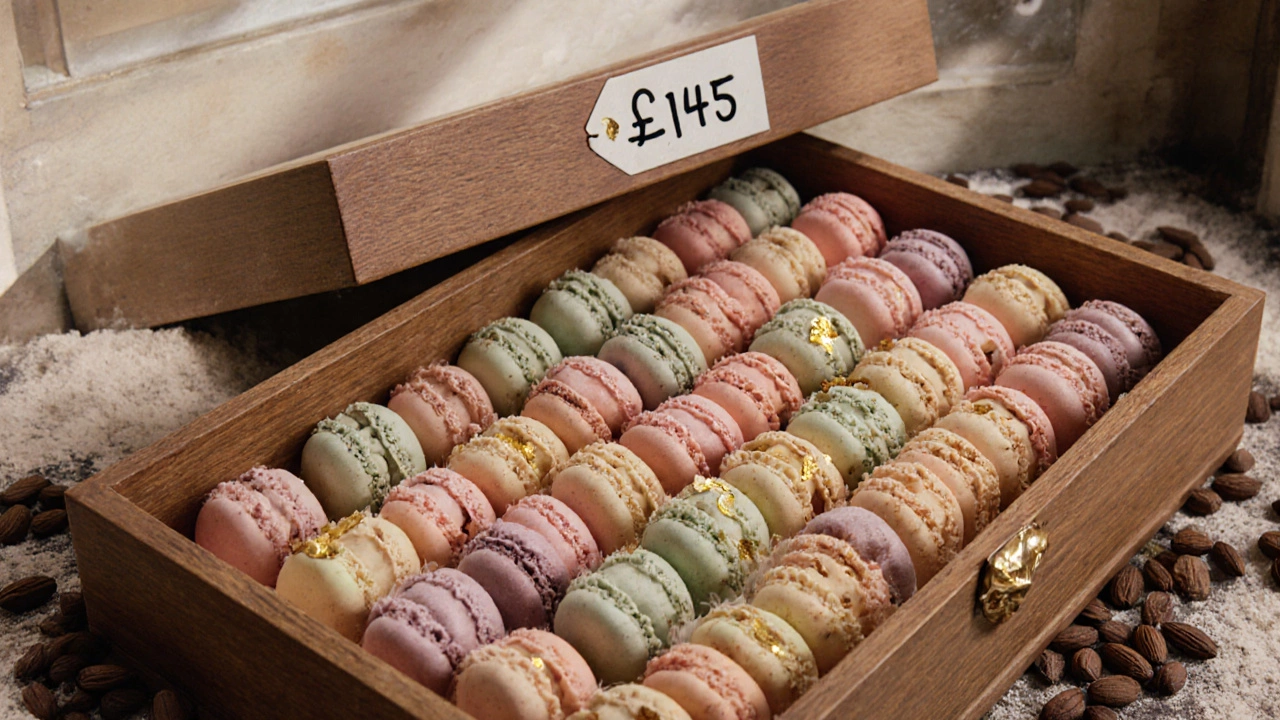
How Much Does a Hundred Macarons Cost in 2025?
Find out how much a hundred macarons cost in 2025-from supermarket packs to luxury bakeries. Learn what affects the price, how to get the best value, and whether DIY is worth it.
View More