
Negative Effects of Vegan Desserts: What You Need to Know
When you think of vegan desserts, sweet treats made without animal products like dairy, eggs, or honey. Also known as plant-based sweets, they’re often marketed as healthier, guilt-free options. But here’s the truth: not all vegan desserts are created equal—and some come with unexpected downsides.
One big issue? sugar substitutes, ingredients like agave, maple syrup, or coconut sugar used to replace honey or white sugar in vegan recipes. These aren’t magic bullets. Agave, for example, is mostly fructose—worse than regular sugar for your liver. Coconut sugar sounds natural, but it’s still sugar, just with a tiny bit of minerals. And when you’re swapping out butter and cream for coconut oil or vegan margarine, you’re often trading one processed fat for another. The result? A dessert that’s technically vegan but still spikes your blood sugar, leaves you craving more, and packs empty calories.
Then there’s texture. Vegan desserts often rely on gums, starches, and weird flours to mimic eggs and dairy. Xanthan gum, guar gum, arrowroot—these aren’t kitchen staples for a reason. They can cause bloating, gas, and digestive discomfort, especially if you eat them often. A vegan brownie might look fudgy, but if it’s held together by a handful of potato starch and flaxseed gel, it’s not going to taste or feel like the real thing. And let’s not forget the flavor. Many vegan recipes use vanilla extract, almond milk, or cocoa powder to mask the earthy taste of chickpea flour or aquafaba. That’s not baking—it’s camouflage.
Some vegan desserts even contain hidden non-vegan ingredients. Ever checked the label on "vegan" chocolate? It might have milk powder added for creaminess. Or what about marshmallows labeled vegan? They might use carrageenan, a seaweed extract linked to gut inflammation. Even fruit like kiwi can be coated in beeswax or shellac—two things vegans avoid. So when you buy a "vegan dessert," you’re not just avoiding eggs and milk. You’re navigating a minefield of additives, processing, and misleading labels.
The real problem isn’t veganism itself—it’s the assumption that anything plant-based is automatically good for you. A cake made with refined flour, sugar, and coconut oil isn’t a health food. It’s just a cake with a different ingredient list. And if you’re eating it every day because you think it’s "better," you might be trading one set of problems for another.
So what’s the fix? You don’t need to give up vegan desserts. You just need to know what you’re eating. Look at the ingredient list like a detective. Ask: Is this processed? Is this sugar in disguise? Does it make my stomach feel weird? The posts below break down real cases—from why your vegan fudge turns grainy to how a little flour can save your cheesecake from collapsing. You’ll see what actually works, what’s just marketing, and how to make desserts that taste great without the side effects.
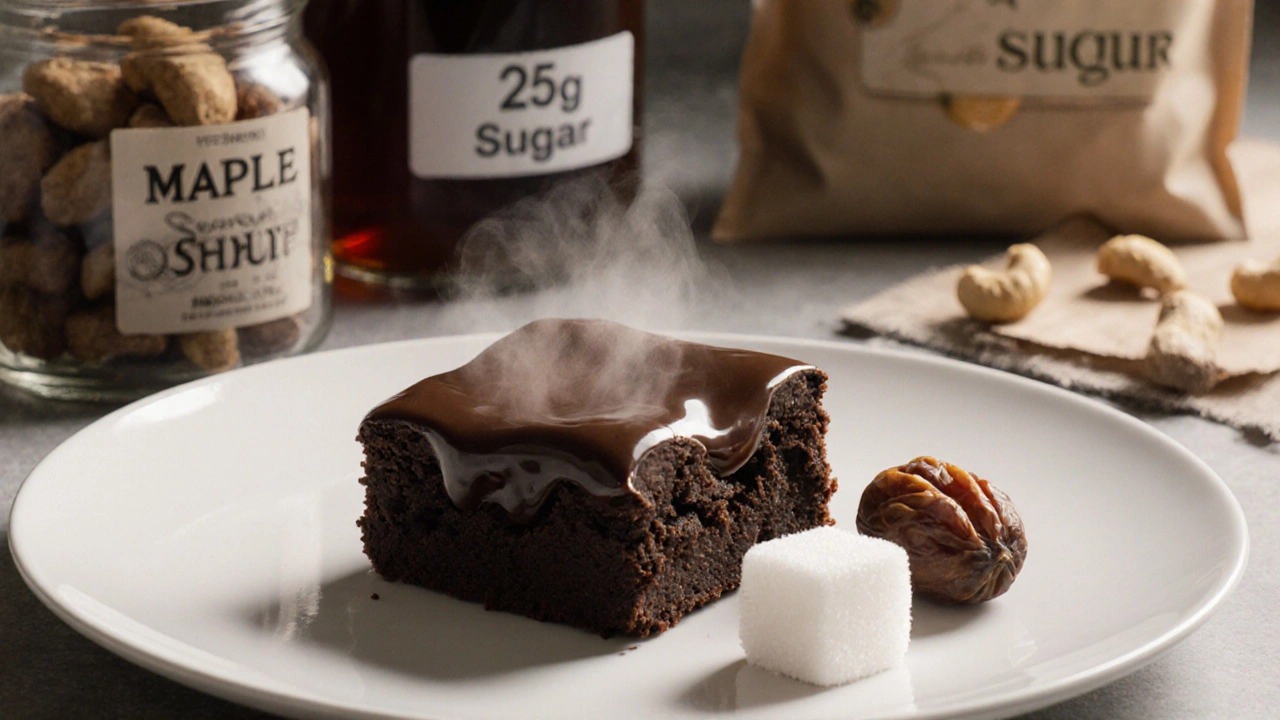
What Are the Downsides of Vegan Desserts?
Vegan desserts aren't automatically healthy. Many are loaded with sugar, processed ingredients, and lack key nutrients. Learn the real downsides and how to enjoy them without the trade-offs.
View MorePopular Posts


Sinking Cake: Why it Happens and How to Fix It
May, 27 2025

Who Brought Macarons to Brazil?
Jan, 29 2026


Does Cheesecake Have Gluten?
Feb, 26 2025