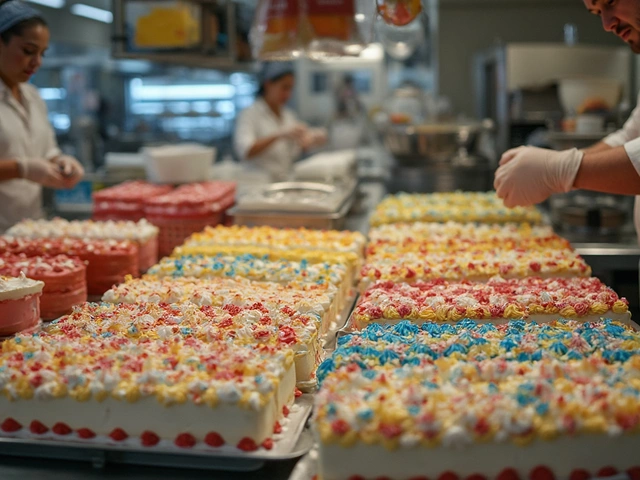
Processed Vegan Ingredients: What They Are and Which Ones Actually Work
When you hear processed vegan ingredients, plant-based substances modified from their natural state for use in packaged foods and desserts. Also known as vegan food additives, they're the hidden backbone of most store-bought vegan desserts—from dairy-free chocolate to marshmallows that don't use gelatin. But here’s the truth: not every processed vegan ingredient is healthy, natural, or even worth buying. Some are just cleverly disguised chemicals with a plant label. Others? They’re game-changers that make vegan baking possible without sacrificing texture or taste.
Take vegan gelatin alternatives, plant-derived substances like agar-agar, carrageenan, or pectin that replace animal gelatin in jellies, mousses, and fudge. They’re essential if you want your brownies to hold shape or your fudge to set without dairy. But here’s the catch: not all of them work the same. Agar-agar sets firmer than gelatin, while pectin needs sugar and acid to activate. If you skip the right balance, your dessert turns rubbery or runny. Then there’s vegan sweeteners, like maple syrup, coconut sugar, or monk fruit extract used to replace refined white sugar in vegan cakes and cookies. Some add flavor, others just sweetness—and some leave a weird aftertaste. You wouldn’t use honey in a vegan recipe, but you might not realize that some "natural" syrups are processed with animal-derived filters.
And don’t get started on the wax coatings on fruits like kiwi—yes, that’s a processed vegan ingredient, a shellac-based coating derived from insects that some brands use to extend shelf life. It’s not in your dessert directly, but if you’re using that kiwi in a cake, you’re unknowingly adding something non-vegan. Same goes for some dark chocolates labeled "vegan"—they might be dairy-free, but the lecithin could be soy-based or egg-based. Labels lie. You have to dig.
What you’ll find in these posts isn’t a list of banned ingredients. It’s a practical guide to knowing what’s behind the labels. You’ll learn why Oreos are accidentally vegan (and why some aren’t), how to spot fake vegan marshmallows, and which sweeteners actually make fudge creamy instead of grainy. You’ll see how flour in cheesecake isn’t just filler—it’s a texture fix. And you’ll find out why letting brownies cool overnight isn’t just a suggestion, it’s science.
There’s no need to buy every "vegan" product on the shelf. You just need to know what you’re looking at—and what it’s really doing to your dessert. These posts cut through the noise. They show you exactly which processed vegan ingredients work, which ones don’t, and how to tell the difference without a chemistry degree.
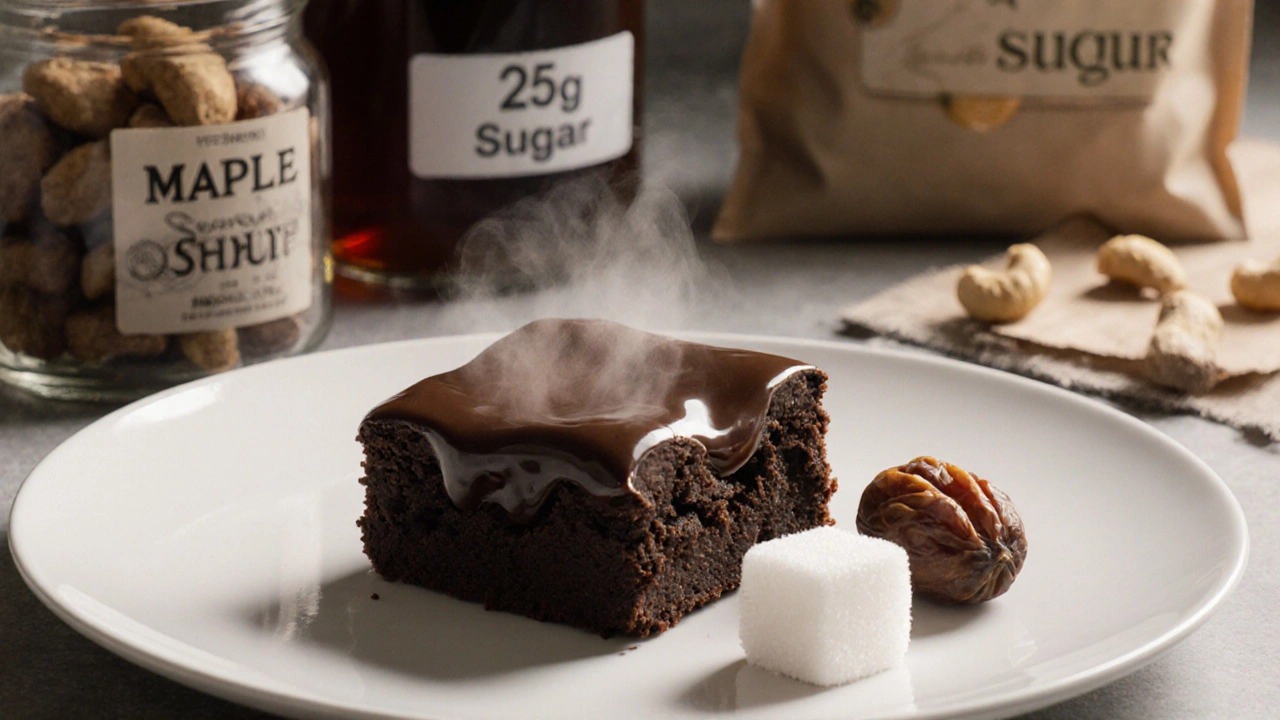
What Are the Downsides of Vegan Desserts?
Vegan desserts aren't automatically healthy. Many are loaded with sugar, processed ingredients, and lack key nutrients. Learn the real downsides and how to enjoy them without the trade-offs.
View MorePopular Posts



Do Potatoes Have Gluten? Exploring Gluten-Free Bakes
Feb, 19 2025