
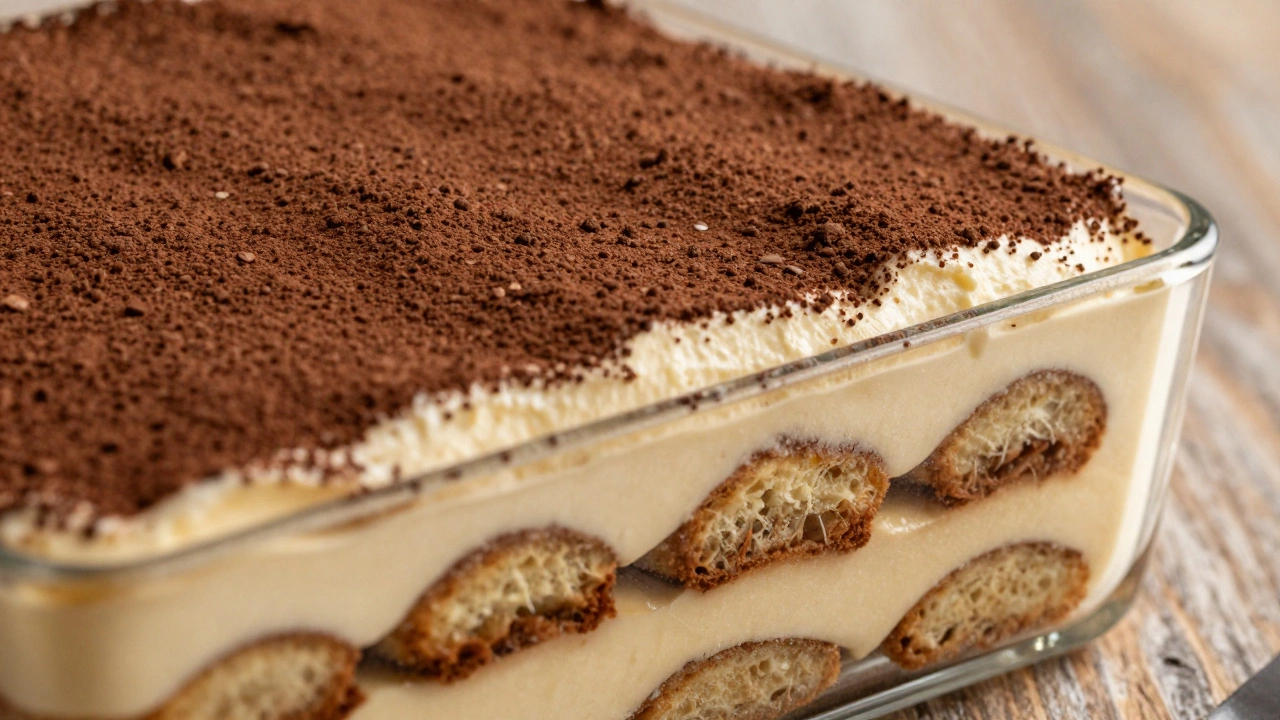
Tiramisu Calculator & Planner
Recipe Settings
Results for 8 Servings
| Ingredient | Amount Needed |
|---|
~20 mins + Chill
Easy
Ask anyone what the most famous Italian food is, and you’ll get a split decision. Half will shout "pizza," the other half will scream "pasta." But if you ask them for the dessert that defines Italy on the global stage, the answer is almost always the same: tiramisu. It’s not just a sweet treat; it’s a cultural export that has conquered menus from New York to Tokyo. You don’t need to speak Italian to know its name, and you certainly don’t need to visit Venice or Rome to find a version of it in your local café.
Yet, despite its ubiquity, tiramisu remains misunderstood. People argue about its origin, debate whether it should contain raw eggs, and often serve it completely wrong. So, what exactly makes this layered masterpiece so special? And why does it hold such a firm grip on our collective palate?
The Meaning Behind the Name
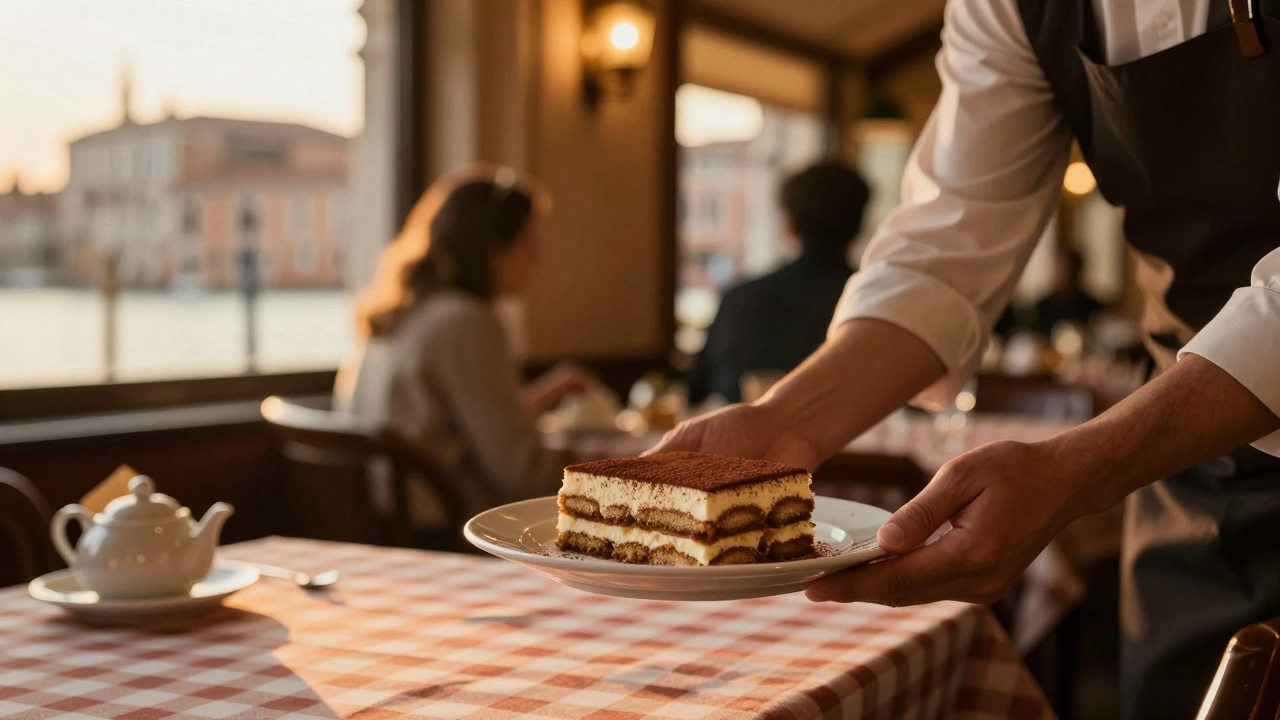
To understand tiramisu, you have to look at what it says. The word comes from the Venetian dialect phrase tirame su, which translates literally to "pull me up" or colloquially as "pick me up." This isn’t just poetic fluff; it refers directly to the ingredients. The combination of strong coffee (espresso) and sugar provides an energy boost, while the rich fats in the mascarpone cheese offer comfort. It is a dessert designed to revive you after a heavy meal.
This linguistic clue also points us toward its likely birthplace: Veneto, specifically the region around Treviso and Venice. While several regions in Italy claim to have invented it, the use of Venetian dialect in the name is a strong indicator. It suggests that tiramisu is not a dish from the south, where ricotta dominates, but a creation of the north, where dairy farming produces high-quality cow’s milk cheeses like mascarpone.
The Core Ingredients That Make It Work
Tiramisu is deceptively simple. It doesn’t require complex techniques like tempering chocolate or whipping meringue. Its magic lies in the quality of five specific components. If you swap any of these out for a cheaper alternative, the balance collapses.
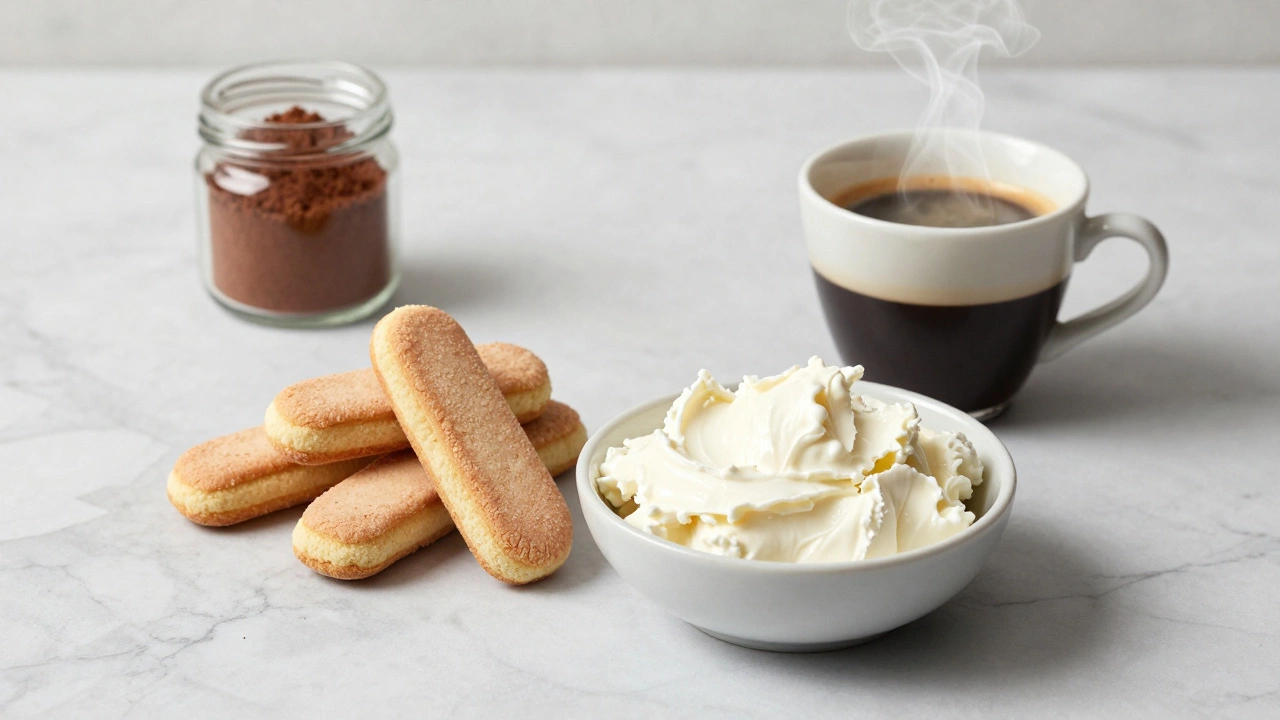
| Ingredient | Role in the Dish | Key Attribute |
|---|---|---|
| Mascarpone Cheese | Provides richness and structure | High fat content (approx. 40-60%), smooth texture |
| Espresso Coffee | Adds bitterness and aroma | Strong, dark roast, cooled completely |
| Savoiardi (Ladyfingers) | Acts as the sponge base | Dry, porous biscuit that absorbs liquid without disintegrating immediately |
| Eggs | Binds the cream and adds volume | Fresh, large eggs; yolks for richness, whites for stability |
| Cocoa Powder | Contrasts with sweetness | Unsweetened, finely sifted |
Mascarpone is non-negotiable. It is a fresh cream cheese that originated in Lombardy but became central to Venetian cuisine. Unlike cream cheese, which is tangy and dense, mascarpone is mild, buttery, and melts in your mouth. Using cream cheese instead creates a heavier, curdled texture that lacks the ethereal lightness of true tiramisu.
Then there are the Savoiardi. These ladyfingers are not the soft cake fingers you might find in some American bakeries. They are dry, crisp biscuits designed to be dipped. When you dip them into espresso, they act like a sponge, soaking up the flavor while maintaining enough structural integrity to hold the layers together. If you use cake instead, the result is a soggy mess rather than a distinct layering of flavors.
The Great Debate: Raw Eggs vs. Safety
Here is where things get tricky for home cooks and restaurants alike. Traditional tiramisu recipes call for raw egg yolks mixed with sugar and mascarpone, topped with whipped raw egg whites. This technique, known as making a zabaglione-style base, gives the dessert its signature glossy sheen and airy texture.
However, the risk of salmonella in raw eggs is a real concern, especially for pregnant women, the elderly, or those with compromised immune systems. In recent years, many chefs have adapted the recipe. Some pasteurize the eggs by heating them gently over a double boiler until they reach a safe temperature. Others replace the eggs entirely with whipped cream or stabilized mascarpone mixtures.
If you are aiming for authenticity, the traditional method with fresh, high-quality eggs is the way to go. But if you are serving a crowd with varying dietary needs, the pasteurized version is a smart compromise. Never skip the eggs entirely unless you want a cheesecake-like density, which defeats the purpose of the "pick me up" airiness.
How to Assemble Without Disaster
Making tiramisu is less about cooking and more about assembly. The biggest mistake people make is soaking the ladyfingers too long. You want a quick dip-just a second on each side. If you leave them in the coffee, they will turn to mush within minutes. The residual moisture in the biscuits will continue to hydrate them as they sit in the fridge.
- Prepare the coffee mixture: Brew strong espresso and let it cool completely. Add a splash of Marsala wine, rum, or vanilla extract if desired. Warm coffee will melt the cream, so patience is key.
- Make the cream: Beat egg yolks and sugar until pale and thick. Fold in the mascarpone until smooth. In a separate bowl, whip egg whites to stiff peaks and fold them into the mascarpone mixture gently to keep it light.
- Dip and layer: Quickly dip each Savoiardo into the coffee and arrange them in a single layer at the bottom of your dish. Spread half the cream mixture over the biscuits.
- Repeat: Add another layer of dipped biscuits and top with the remaining cream. Smooth the surface with a spatula.
- Chill: Cover and refrigerate for at least 6 hours, preferably overnight. This allows the flavors to meld and the structure to set.
- Finish: Just before serving, dust generously with unsweetened cocoa powder. Do not add the cocoa beforehand, as it will soak into the cream and lose its visual impact.
Why Tiramisu Conquered the World
Tiramisu didn’t become famous overnight. It appeared in print in the early 1980s, notably in a cookbook by Roberto Linguanotto from Treviso. Before that, it was a regional secret. Its explosion onto the global stage coincided with the rise of Italian cuisine worldwide. As people fell in love with pizza and pasta, they wanted a dessert that felt equally authentic yet sophisticated.
Unlike gelato, which requires specialized equipment to make well, or panna cotta, which can feel too plain, tiramisu offers complexity. It balances bitter and sweet, creamy and crunchy, warm spices and cold chill. It is versatile enough to be served in a fancy restaurant or made in a dorm room kitchen. This accessibility helped it spread. Food bloggers, home cooks, and chefs all adopted it because it looks impressive but is technically forgiving.
In the UK, tiramisu became a staple of Sunday roasts and dinner parties. In the US, it found a home in brunch menus alongside pancakes and eggs benedict. Its adaptability means it can be customized. You can add fruit, switch the coffee for tea, or even make a vegan version using cashew cream and aquafaba. Yet, the core identity remains intact.
Common Mistakes to Avoid
Even experienced bakers mess up tiramisu. Here are the pitfalls that ruin the dish:
- Using instant coffee: Instant coffee lacks the depth and body of brewed espresso. It tastes flat and chemical. Take the time to brew real coffee, even if it’s a strong drip brew.
- Skippping the chill time: Tiramisu is not ready when you assemble it. It needs time to rest. Cutting into it too soon results in a sliding, unstable mess. The flavors need to marry, and the biscuits need to soften evenly.
- Over-sweetening: Mascarpone is rich, and the ladyfingers are sweet. You don’t need extra sugar in the cream unless your eggs are very small. Balance is key. The bitterness of the coffee and cocoa should cut through the fat.
- Adding chocolate shavings instead of cocoa: While chocolate shavings look pretty, they change the texture and taste. Cocoa powder provides a dry, bitter contrast that defines the top layer. Save the shavings for decoration if you must, but stick to cocoa for the main dusting.
Variations That Respect the Tradition
While the classic recipe is king, there are acceptable variations that play with the core elements. A popular twist is the "Tiramisu al Limone," where lemon zest and juice replace some of the coffee. This brightens the profile, making it suitable for spring menus. Another variation involves adding a layer of strawberry compote between the cream and biscuits, offering a fruity acidity that cuts the richness.
For those avoiding alcohol, omitting the Marsala or rum is perfectly fine. The coffee alone provides enough flavor intensity. However, avoid adding artificial flavorings like vanilla essence in large quantities, as they can overpower the delicate mascarpone. Stick to natural extracts or whole spices like cinnamon or nutmeg sparingly.
Can I make tiramisu without raw eggs?
Yes. You can pasteurize the eggs by heating them with sugar over a double boiler until they reach 160°F (71°C). Alternatively, you can substitute the eggs with whipped cream or a commercial stabilizer, though the texture will be denser and less airy than the traditional version.
How long does tiramisu last in the fridge?
Tiramisu keeps well in the refrigerator for 3 to 4 days. Because it contains raw eggs and dairy, it should not be left out at room temperature for more than two hours. Store it in an airtight container to prevent it from absorbing other odors.
What is the difference between tiramisu and zuppa inglese?
Zuppa inglese is an older Italian dessert that predates tiramisu. It uses sponge cake soaked in liqueur (like Amaretto) and filled with pastry cream (custard), then topped with caramel. Tiramisu uses ladyfingers, espresso, and mascarpone cream, and is dusted with cocoa. Zuppa inglese is more like a trifle, while tiramisu is a no-bake cheesecake-style dessert.
Can I freeze tiramisu?
It is not recommended to freeze tiramisu because the mascarpone cream can separate and become grainy upon thawing. The texture suffers significantly. If you must store it long-term, consider freezing the components separately and assembling them fresh later.
Why is my tiramisu runny?
A runny tiramisu usually means the mascarpone cream wasn't stable enough or the ladyfingers were oversaturated. Ensure you whip the egg whites to stiff peaks and fold them in gently. Also, dip the biscuits quickly. If the cream itself is loose, you may have used low-fat mascarpone or added too much liquid to the mixture.
Popular Posts


Why Is It Called a Princess Cake?
Feb, 15 2025

The 10 Most Popular Cakes Everyone Loves
Oct, 4 2026