
Cake Recommendation Finder
Event Details
Select your preferences below.
Top Recommendation
Walk into any bakery in Brighton or London, and you’ll see the same thing: a queue forming at the display case. But what are they actually buying? It’s not always the towering, mirror-glazed showpiece with intricate sugar flowers. While those look stunning on social media, the cakes that truly sell out-the ones people crave again and again-are often much simpler.
If you’re planning a birthday party, hosting a wedding, or just curious about global taste trends, knowing which cakes dominate the market can save you from costly mistakes. You might assume everyone wants red velvet or tiramisu, but the data tells a different story. The truth is, popularity isn’t random; it’s driven by texture, flavor balance, and cultural familiarity.
The Undisputed Champion: Chocolate Cake
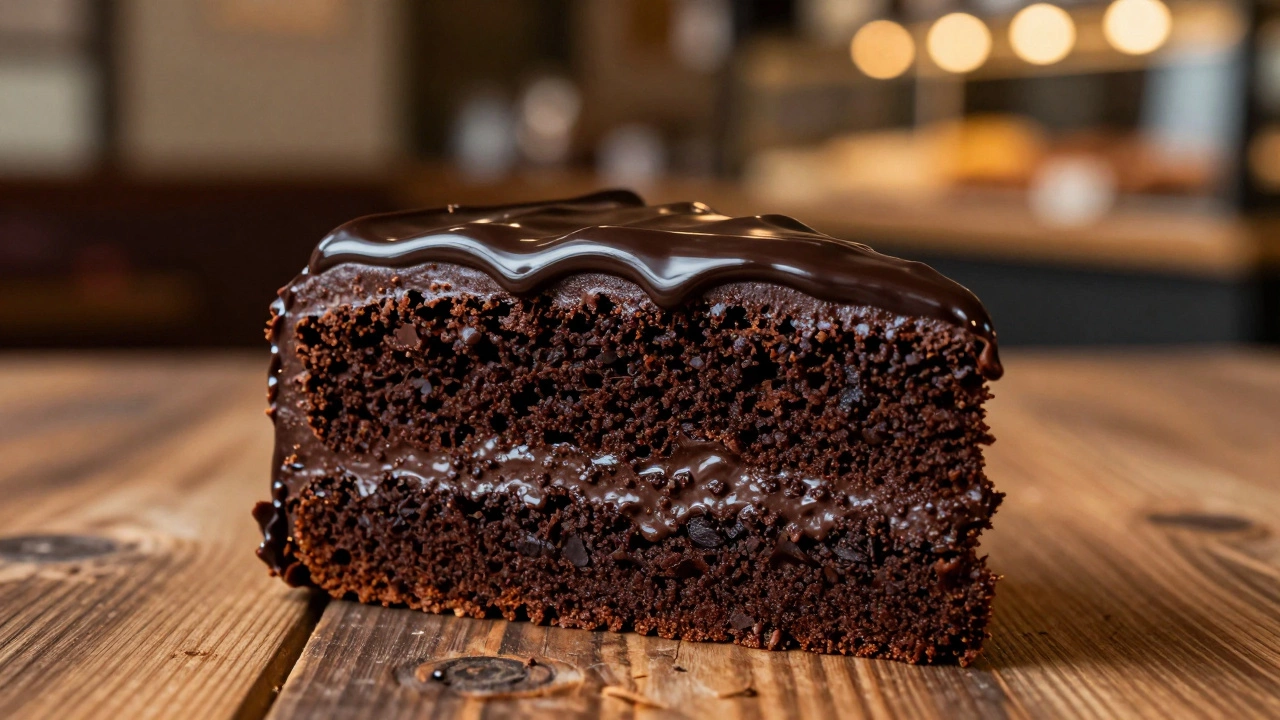
When surveys ask "what cake do people like the most," Chocolate Cake consistently takes the top spot across Western markets. It’s not just one type of chocolate cake, either. The preference leans heavily toward rich, moist varieties rather than dry, crumbly sponges.
Why does chocolate win so often? It hits multiple sensory notes. The bitterness of cocoa balances the sweetness of sugar, creating a complex flavor profile that doesn’t feel cloying. Plus, chocolate triggers dopamine release in the brain, making it feel rewarding. In the UK, the classic Victoria Sponge with jam and cream is beloved, but when given the choice, adults and children alike tend to vote for chocolate.
- Flavor Profile: Rich, earthy, slightly bitter with sweet undertones.
- Texture: Moist, dense, and tender.
- Versatility: Pairs well with ganache, buttercream, caramel, or fruit fillings.
A study by the National Association of Baking Industries found that over 60% of consumers list chocolate as their primary flavor preference for baked goods. This isn’t limited to the US; similar trends appear in European and Australian markets. If you’re unsure what to bake, chocolate is the safest bet because it appeals to the widest demographic.
The Silent Majority: Vanilla and Yellow Cake
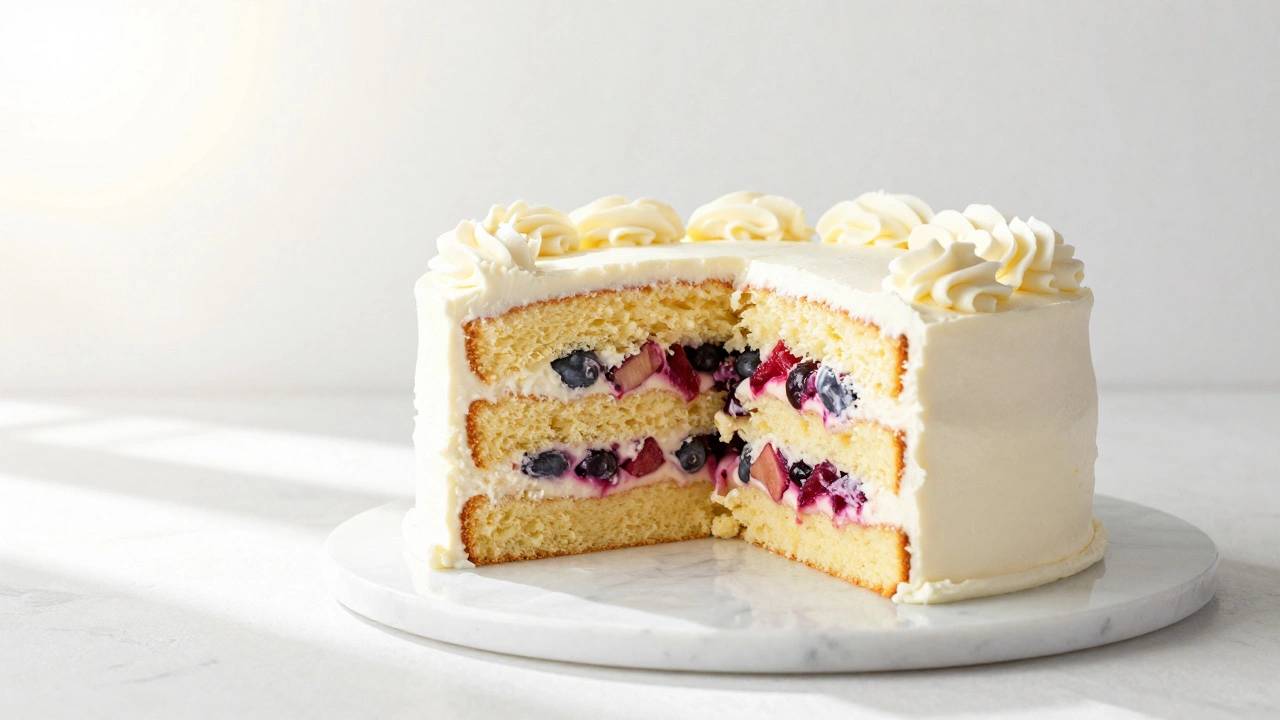
You might think vanilla is boring, but it’s actually the second most popular cake flavor globally. Vanilla Cake isn’t just a fallback option; it’s a canvas. Its mild, creamy flavor allows other ingredients to shine, whether that’s fresh berries, lemon curd, or a thick layer of frosting.
In many households, the "yellow cake"-made with whole eggs and butter-is the standard birthday cake. It has a nostalgic quality that connects people to childhood memories. For weddings, vanilla bean cake is often preferred because it feels elegant and light. Unlike chocolate, which can be heavy, vanilla feels refreshing.
| Feature | Chocolate Cake | Vanilla/Yellow Cake |
|---|---|---|
| Primary Appeal | Richness and indulgence | Nostalgia and versatility |
| Best Frosting Pair | Cream cheese or ganache | Buttercream or whipped cream |
| Dietary Flexibility | Harder to make gluten-free without altering texture | Easier to adapt for vegan or gluten-free diets |
| Occasion Preference | Celebrations, desserts, coffee breaks | Birthdays, weddings, brunches |
The key to a great vanilla cake is using real vanilla extract or beans. Artificial vanilla can taste chemical and flat. When done right, vanilla cake offers a clean, sweet finish that complements almost any filling.
Regional Favorites: Carrot, Lemon, and Red Velvet
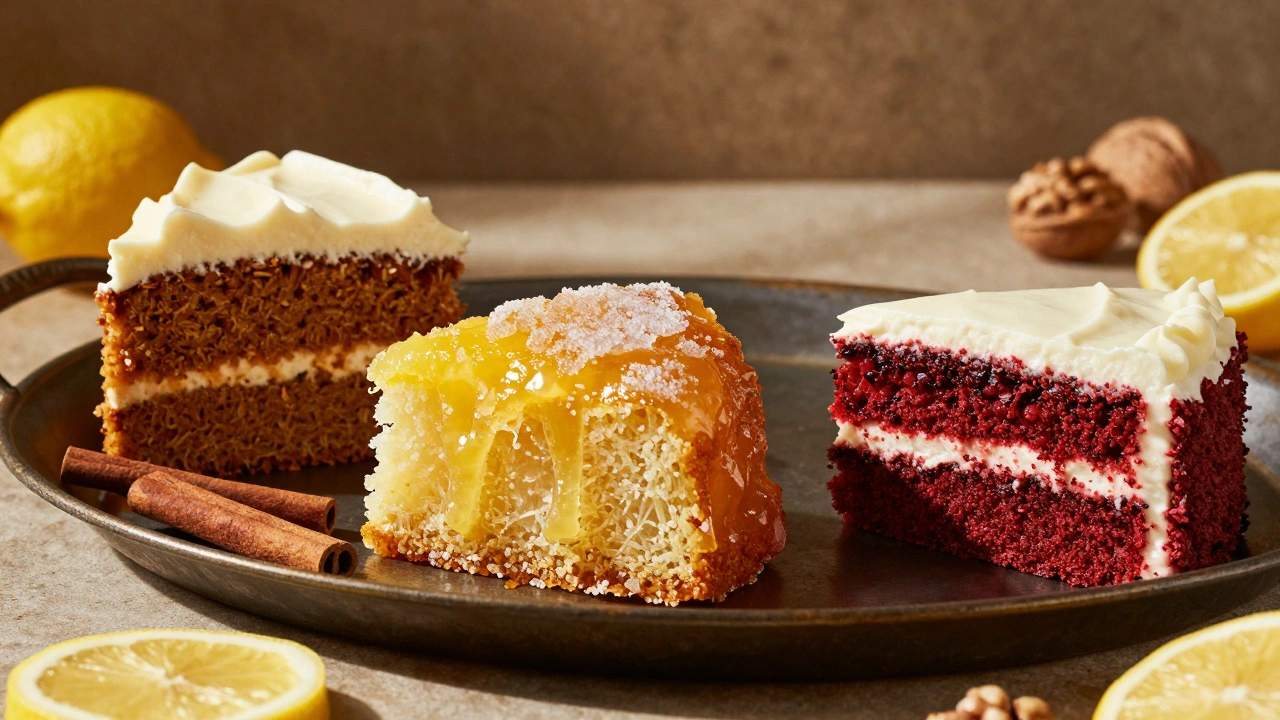
While chocolate and vanilla dominate the global charts, specific regions have their own champions. In the UK and parts of Europe, Carrot Cake is incredibly popular. It’s not just about the carrots; it’s the spices. Cinnamon, nutmeg, and ginger give it a warm, comforting aroma that feels perfect for autumn and winter gatherings.
Carrot cake also bridges the gap between dessert and breakfast. Many people enjoy a slice with morning tea because it contains vegetables and nuts, making it feel slightly healthier than pure sugar cakes. The addition of cream cheese frosting adds a tangy contrast that cuts through the sweetness.
In warmer climates or during spring events, Lemon Cake rises in popularity. Its bright, acidic flavor provides a palate-cleansing effect. Lemon drizzle cake, a British staple, uses the zest and juice of lemons to create a sticky, sugary crust that pairs beautifully with the soft sponge inside.
Red velvet cake, while famous in the US, has gained traction globally due to its striking appearance. However, its popularity is often visual rather than gustatory. Many people prefer the taste of chocolate or vanilla over the subtle cocoa and buttermilk flavor of red velvet. It’s a cake bought for Instagram as much as for the mouth.
How Age and Culture Shape Cake Preferences
It’s not just about flavor; demographics play a huge role in what people choose. Children overwhelmingly prefer brightly colored cakes with sweet, simple flavors like strawberry or vanilla. They are drawn to the visual spectacle of sprinkles and fondant shapes.
Adults, however, tend to gravitate toward more sophisticated flavors. Adult birthdays often feature olive oil cake, salted caramel, or dark chocolate variations. There’s a growing trend toward less sugar and more natural ingredients. Adults appreciate the complexity of flavors like espresso, cardamom, or matcha.
Cultural background also influences choices. In South Asian communities, mango cake or cardamom-infused cakes are favorites. In Mediterranean cultures, olive oil and citrus cakes are common. Understanding your audience helps you pick the right cake. A corporate event might call for a neutral vanilla sponge, while a family reunion could lean toward a hearty carrot or banana bread-style cake.
The Rise of Dietary-Specific Cakes
In recent years, the definition of "popular" has expanded to include dietary restrictions. Gluten-Free Cake and Vegan Cake are no longer niche products. With better baking techniques, these cakes now rival traditional ones in texture and taste.
Vegan cakes use plant-based milk, flax eggs, or aquafaba to bind ingredients. They often rely on fruits like applesauce or bananas for moisture, resulting in a denser but delicious crumb. Gluten-free cakes use almond flour, rice flour, or oat flour blends. The challenge here is achieving the right rise and chew, but modern recipes have solved many of these issues.
If you’re hosting a mixed group, offering a small portion of a dairy-free or gluten-free option ensures no one feels excluded. Interestingly, many non-vegan guests report preferring the lighter, fruit-forward versions of vegan cakes because they aren’t as heavy on butter and cream.
Choosing the Right Cake for Your Event
So, what cake do people like the most? It depends on who is eating it. Here’s a quick guide to help you decide based on your specific needs:
- For Maximum Appeal: Go with chocolate fudge cake. It satisfies the majority of tastes and looks impressive with a smooth ganache finish.
- For Nostalgia and Comfort: Choose a classic yellow vanilla cake with berry filling. It’s universally loved and feels homey.
- For Health-Conscious Guests: Opt for carrot cake or apple cinnamon cake. The inclusion of vegetables and spices makes it feel wholesome.
- For Summer Gatherings: Lemon drizzle or raspberry ripple cake offers a refreshing, light experience.
- For Visual Impact: Red velvet or mirror-glaze cakes work well if aesthetics are the priority, even if the flavor is secondary.
Remember, the best cake is one that matches the occasion. A formal dinner might require a delicate sponge, while a casual backyard BBQ calls for something sturdy and shareable. Don’t underestimate the power of freshness. A simple cake made with high-quality ingredients will always beat a complicated one made with cheap substitutes.
Is chocolate cake really the most popular?
Yes, in most Western countries, chocolate cake ranks number one in consumer preference surveys. Its rich flavor and ability to pair with various frostings make it a crowd-pleaser for all ages.
Why is vanilla cake considered versatile?
Vanilla cake has a mild flavor that doesn’t overpower other ingredients. It works well with fruits, creams, chocolates, and spices, making it suitable for both simple and elaborate designs.
What is the best cake for a child's birthday?
Children typically prefer chocolate or vanilla cakes with colorful frosting. Bright decorations and familiar flavors are key to keeping kids excited.
Are gluten-free cakes as good as regular cakes?
Modern gluten-free cakes have improved significantly. While they may have a slightly different texture, many people find them moist and flavorful, especially when made with almond or oat flour.
Does red velvet cake taste like chocolate?
Red velvet cake has a very mild chocolate flavor, primarily from cocoa powder. Its distinct taste comes from buttermilk and vinegar, which react with the cocoa to create a unique tanginess.
Popular Posts

What is a Gluten-Free Cake?
Mar, 13 2025

Sinking Cake: Why it Happens and How to Fix It
May, 27 2025