Find Your Perfect Macaron Flavor
Not sure which macaron to choose? Answer three simple questions about your preferences to find your perfect match.
Your Match:
You’ve seen them. They are those perfectly smooth, colorful discs with a ruffled skirt around the middle. They look like little jewels sitting on a bakery counter. But when you finally bite into one, does it taste as good as it looks? That is the question most people ask before buying their first box of macarons, which are delicate French confections made from almond flour, egg whites, and sugar. The short answer is yes, but only if they are made correctly. A bad macaron tastes like dry meringue or sticky glue. A good one is an explosion of texture and flavor that changes with every bite.
Understanding what a macaron actually tastes like requires looking past the pretty colors. It is not just about whether it is chocolate or vanilla. It is about the interplay between the crisp shell, the chewy interior, and the creamy filling. Let’s break down exactly what you should expect when you take that first bite.
The Shell: Almond, Sweetness, and Crunch
The outer part of the macaron is called the shell. If you have never had a fresh one, you might imagine it is soft all the way through. It isn’t. The very top surface should be thin and crisp. When your teeth hit it, you should hear a faint crack. This crunch is essential. Without it, the macaron feels dense and heavy.
Underneath that crisp layer is the body of the shell. This part is airy and slightly chewy. The primary flavor here comes from almond flour, which provides a nutty, earthy sweetness that forms the base of the macaron structure. Even if the macaron is flavored with raspberry or pistachio, the almond note will always be there in the background. It is subtle, but it grounds the other flavors. If a macaron tastes purely of artificial fruit syrup with no nuttiness, something is wrong. The almond flavor balances the high sugar content, keeping it from being cloying.
The texture of the shell depends heavily on how long it has been resting. Freshly baked macarons can be too dry. Professional bakers let them "rest" for 24 to 72 hours after assembling. During this time, moisture from the filling migrates into the shell. This process turns the inner part of the shell from cake-like to tender and chewy. This is why day-old macarons often taste better than brand-new ones.
The Filling: Cream, Butter, and Contrast
If the shell is the vehicle, the filling is the destination. The filling makes up about half of the macaron’s weight and provides the dominant flavor profile. Most traditional fillings fall into two categories: buttercream and ganache.
Buttercream fillings are light, fluffy mixtures of whipped butter and sugar, often infused with extracts or citrus zest. These are common in fruit-flavored macarons like lemon, strawberry, or passion fruit. Buttercream cuts through the richness of the almond shell. It adds a bright, tangy contrast. For example, a lemon macaron uses a tart lemon curd or buttercream to balance the sweet almond shell. The result is refreshing rather than heavy.
Ganache fillings are rich mixtures of chocolate and cream, sometimes combined with butter or nuts. These are used for deeper flavors like dark chocolate, coffee, salted caramel, or hazelnut. Ganache is denser and smoother than buttercream. It coats the tongue and provides a luxurious mouthfeel. A salted caramel macaron, for instance, relies on the salty-sweet complexity of the ganache to elevate the simple almond shell. The fat content in the ganache also helps keep the macaron moist for longer.
Sometimes, you will find jam or curd fillings. These add a burst of acidity. A raspberry macaron might have a seedless raspberry jam center. This adds a juicy, tart element that contrasts with the dry-ish shell. The key is balance. The filling should not be so wet that it makes the shell soggy, nor so thick that it chokes the bite.
Classic Flavors and What to Expect
To understand the taste spectrum, let’s look at some of the most popular varieties. Each one offers a different experience.
| Flavor | Shell Note | Filling Type | Taste Experience |
|---|---|---|---|
| Pistachio | Nutty, green-hued | Pistachio buttercream | Rich, earthy, and intensely nutty. Often considered the gold standard. |
| Dark Chocolate | Almond with cocoa powder | Chocolate ganache | Bitter-sweet, deep, and indulgent. Less sweet than milk chocolate versions. |
| Lemon | Plain almond | Lemon curd or buttercream | Tart, bright, and zesty. Cuts through the sweetness effectively. |
| Rose/Pistachio | Almond with rose water | Rose-infused cream | Floral and perfumed. Can be overpowering if not balanced well. |
| Salted Caramel | Almond | Caramel ganache | Savory-sweet, buttery, and complex. The salt enhances the chocolate notes. |
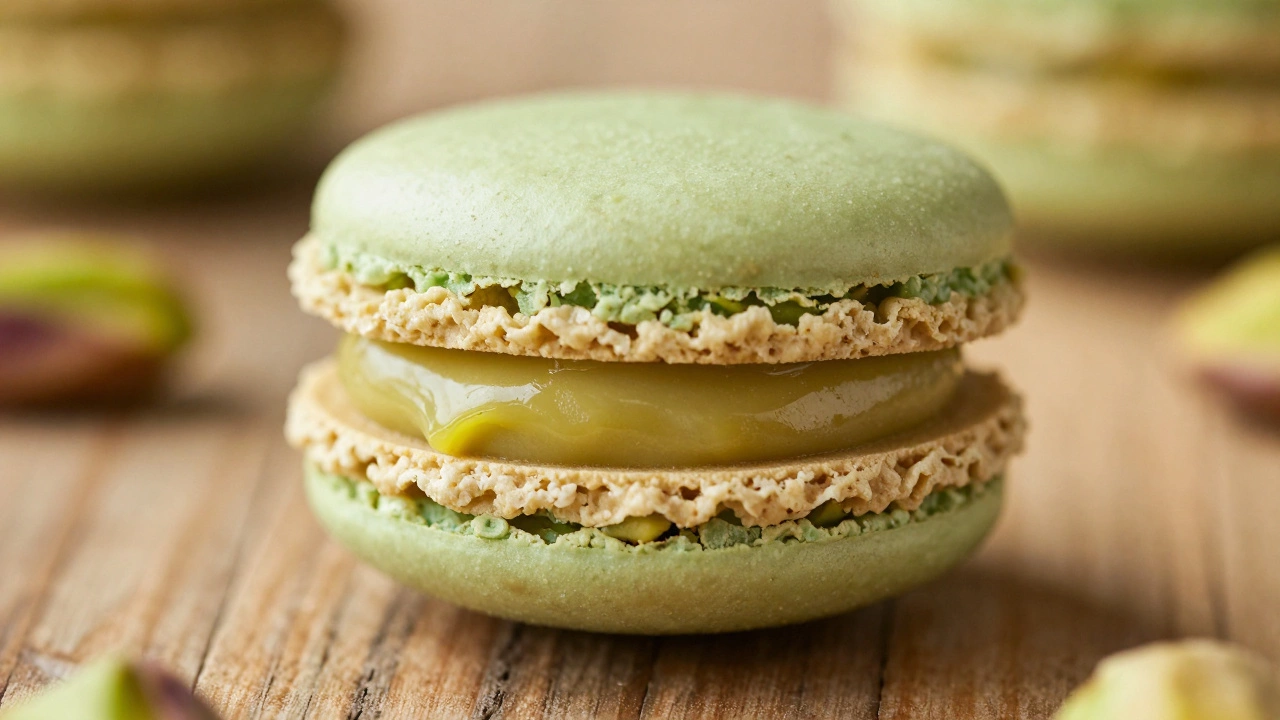
Pistachio is arguably the most famous macaron flavor. You know it by its pale green color. The taste is distinctively nutty. High-quality pistachio macarons use real pistachio paste, not just food coloring. It tastes rich and slightly savory, which pairs beautifully with the sweet shell.
Chocolate macarons vary widely. Milk chocolate versions can be too sweet for some palates. Dark chocolate (70% cacao or higher) is usually preferred because the bitterness balances the sugar. The combination of cocoa-dusted shells and dark ganache creates a dessert that feels more like a sophisticated truffle than a cookie.
Fruit flavors like raspberry, strawberry, and blueberry rely on intensity. Natural fruit flavors are often subtle, so bakers may use freeze-dried fruit powders in the shell to boost the taste. The filling is usually a compote or curd to provide acidity. If a fruit macaron tastes like candy, it likely uses artificial flavoring. Look for a tart edge that makes your mouth water.
Texture: The Three-Stage Bite
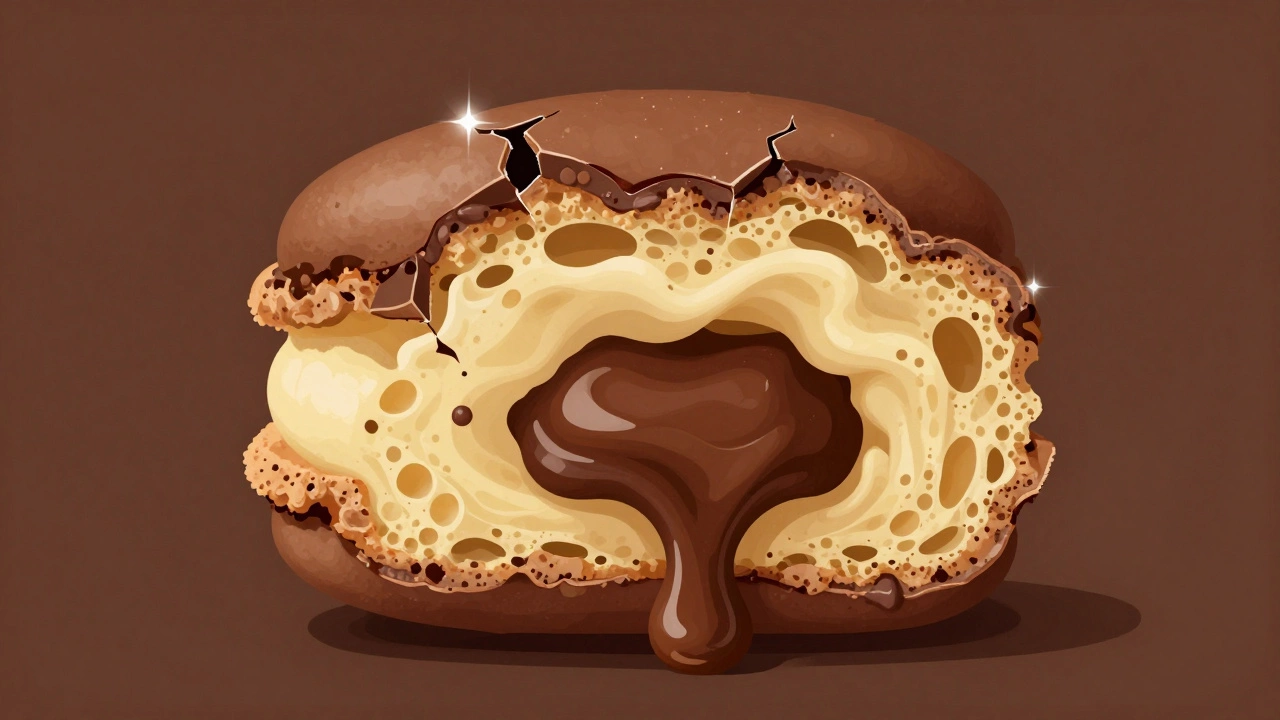
Flavor is important, but texture is what defines a great macaron. A poorly made macaron fails primarily in texture. Here is what the ideal bite sequence should feel like:
- The Crack: Your teeth break the thin, crisp skin on top. There should be no resistance, just a clean snap.
- The Chew: As you press down, the inner shell yields. It should be soft and slightly elastic, not crumbly or hard. This is the "foot" area, where the batter expanded during baking.
- The Melt: The filling releases. Whether it is a smooth ganache or a fluffy buttercream, it should coat your palate. It should not be gritty or separate from the shell.
If the shell is hollow, you will hear a loud clunk when you bite it. This means the macaron was overbaked or the batter was not piped correctly. Hollow shells are dry and lack the chewy texture that makes macarons enjoyable. They taste like stale meringue.
If the shell is raw or doughy, it means it was underbaked. This is unpleasant and can even be unsafe if the eggs were not properly pasteurized. A good macaron is fully cooked but still moist due to the resting period.
Why Some Macarons Taste Bad
Not every macaron you buy will be perfect. In fact, many mass-produced versions disappoint. Here is why:
- Artificial Flavoring: Cheap macarons use synthetic oils for flavor. A "strawberry" macaron tastes like bubblegum, not fruit. Real fruit extracts or purees cost more, so budget brands cut corners here.
- Stale Shells: Macarons lose their crispness quickly if stored improperly. If the shell is tough or leathery, it has been sitting out too long without proper humidity control.
- Too Much Sugar: The classic recipe is very sweet. Some modern bakers reduce the sugar or add sea salt to the shell to make it more approachable. If you find a macaron overwhelming, it might be an old-school recipe without these adjustments.
- Wrong Filling Ratio: A macaron needs enough filling to bridge the gap between the shells. If it is too sparse, the shells stick together or feel dry. If it is too much, the macaron falls apart in your hand.
How to Choose the Best Macarons
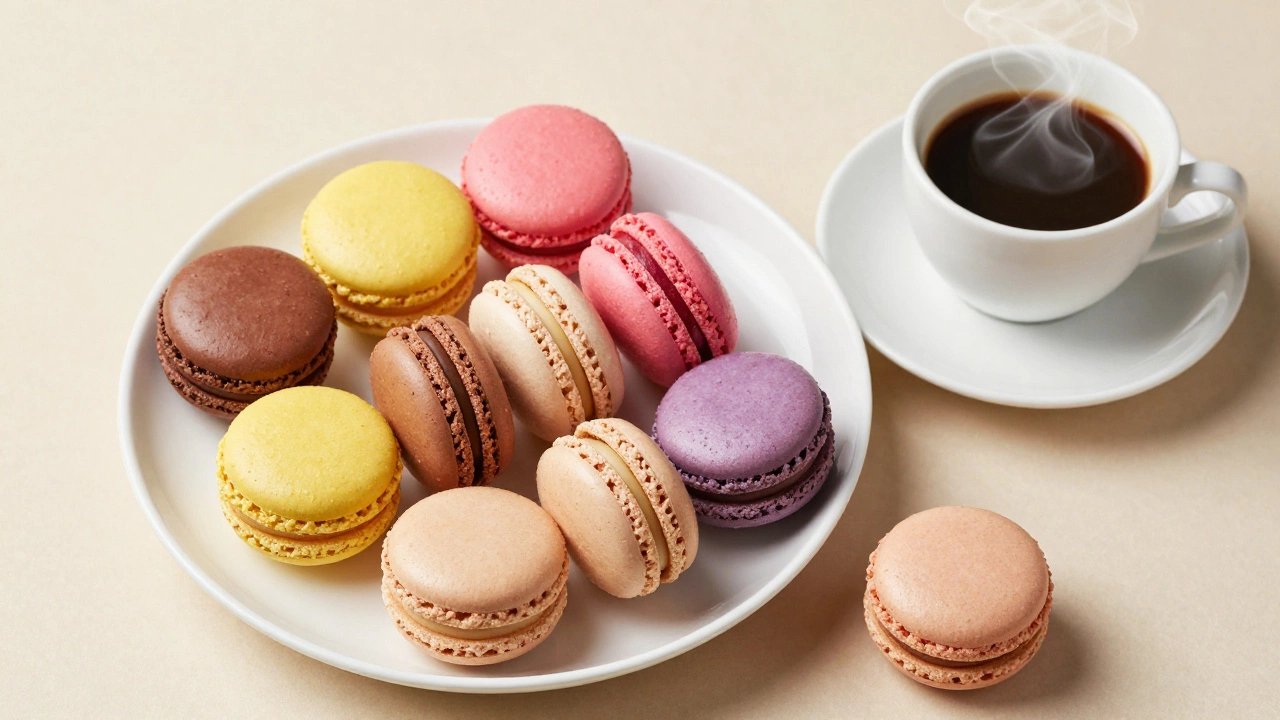
If you want to experience the true taste of a macaron, look for signs of quality. First, check the appearance. The shells should be smooth and matte, not shiny. Shiny shells indicate too much humidity during drying, which leads to a chewy exterior instead of a crisp one. The "feet" (the ruffled edges) should be even and not cracked.
Second, consider the source. Artisanal bakeries that make macarons in small batches usually use higher-quality ingredients like Valrhona chocolate or imported almonds. They also allow for the crucial resting period. Supermarket macarons are often made for shelf stability, not flavor nuance.
Third, try seasonal flavors. Bakers who rotate their menu based on seasonality are usually more passionate about flavor. A lavender honey macaron in spring or a pumpkin spice version in autumn shows attention to detail. These limited editions often highlight unique ingredient combinations that standard flavors miss.
Finally, pair them correctly. Macarons are intense. Eating five in a row will lead to flavor fatigue. Pair a single macaron with a black coffee or a mild tea. The bitterness of the coffee cleanses the palate and highlights the sweetness of the almond and filling. It transforms the snack into a refined treat.
Storage and Freshness
Once you have bought your macarons, how you store them affects the taste. Macarons are hygroscopic, meaning they absorb moisture from the air. If left out in a humid kitchen, the shells will become soft and lose their crunch within hours.
For best results, store them in an airtight container at room temperature for up to three days. This allows the flavors to meld. If you need to keep them longer, refrigerate them. However, take them out 30 minutes before eating. Cold macarons mute the flavors. The fats in the buttercream and ganache harden when cold, making the filling seem waxy. Letting them come to room temperature restores the creamy texture and full aroma.
You can also freeze macarons. Wrap them tightly in plastic wrap and then foil. They can last up to a month in the freezer. Thaw them overnight in the refrigerator, then bring to room temperature. Surprisingly, frozen-thawed macarons often retain their texture better than refrigerated ones because the freezing process halts staling.
Do macarons taste like cookies?
No, they do not taste like typical cookies. Cookies are usually thicker, cakier, or crispier throughout. Macarons have a unique multi-textural experience with a crisp exterior, chewy interior, and creamy filling. The flavor profile is also more delicate and nuanced, relying heavily on almond and specific fillings rather than just butter and sugar.
Are macarons gluten-free?
Yes, traditional macarons are naturally gluten-free. The shell is made from almond flour, egg whites, and powdered sugar, none of which contain gluten. However, if you are buying them from a bakery that also handles wheat products, there is a risk of cross-contamination. Always ask the baker about their preparation methods if you have celiac disease or severe gluten sensitivity.
Why do some macarons taste bitter?
Bitterness usually comes from the chocolate or coffee components. High-quality dark chocolate has natural bitterness, which is desirable in balance. However, if the entire macaron tastes bitter, the shell may have been overbaked, burning the almond flour. Alternatively, the filling might have gone bad, especially if it contained dairy and was not stored correctly.
What is the difference between a macaron and a macaroon?
They are completely different treats. A macaron is a smooth, round French sandwich cookie made with almond flour. A macaroon is a coconut-based cookie, often shaped like a mound, that is chewy and sticky. The spelling and pronunciation differ slightly, but the confusion is common. Macarons are elegant and structured; macaroons are rustic and textured.
How long do macarons stay fresh?
At room temperature in an airtight container, macarons last about 3 to 5 days. In the refrigerator, they can last up to a week. For long-term storage, you can freeze them for up to a month. The best flavor is usually found on the second or third day after assembly, once the shell has absorbed some moisture from the filling.
Popular Posts
Do Gluten-Free Cakes Need More Baking Powder?
Feb, 21 2025