Brownie History Timeline
Explore how brownies evolved from a simple kitchen creation to a global comfort food. Click any event to learn more.
The children's book The Brownies by Palmer Cox becomes a national sensation, introducing mischievous brown-skinned creatures to the public.
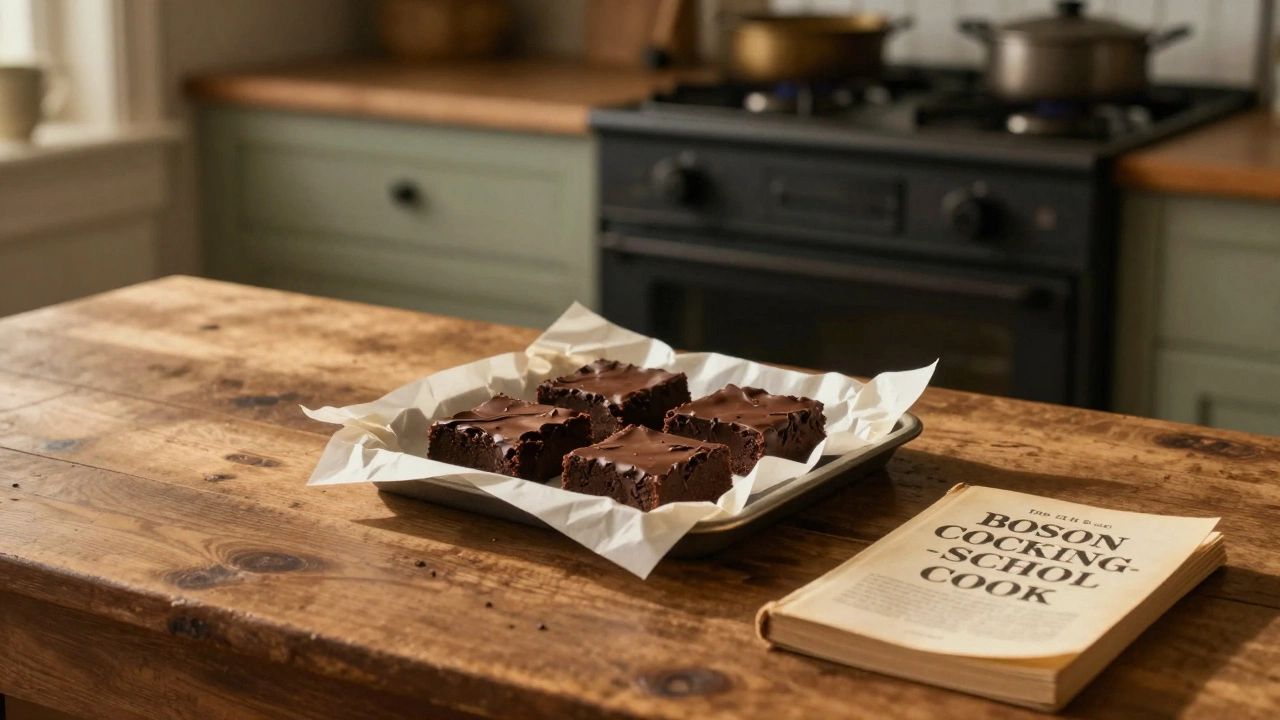
Fannie Merritt Farmer's Boston Cooking-School Cook Book features the first published recipe for "Brownie Cake," though it wasn't the original invention.
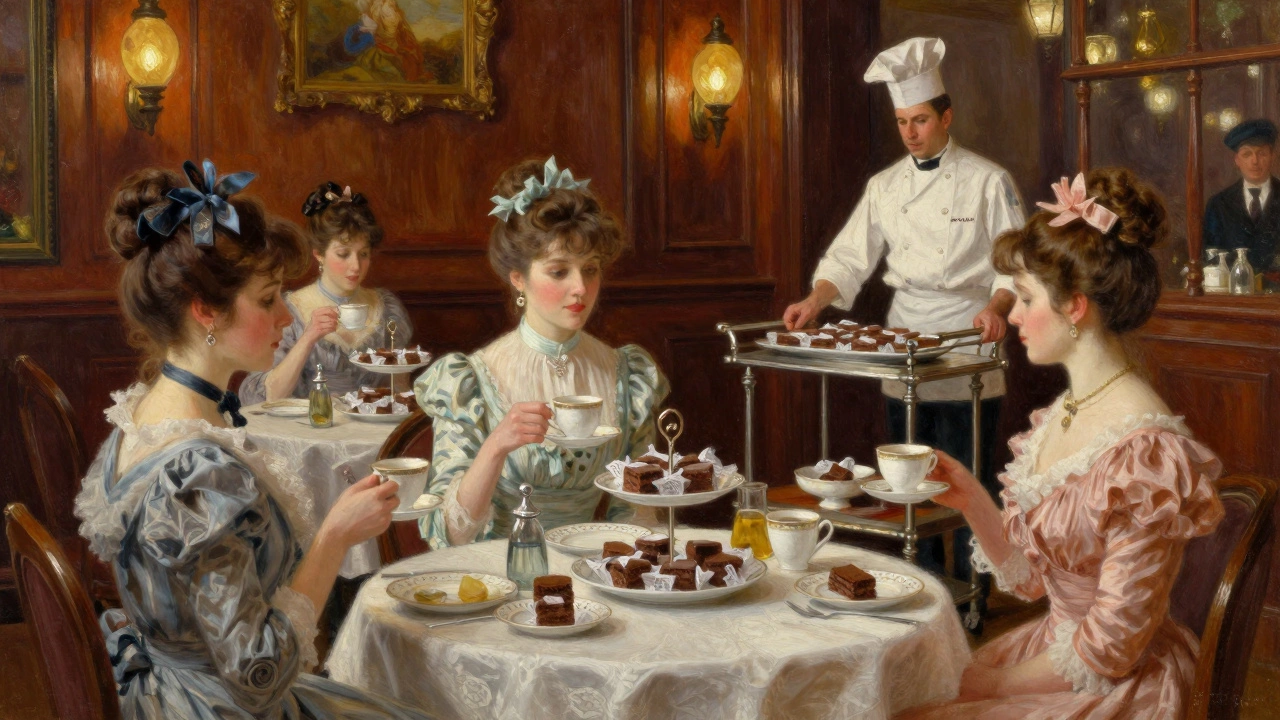
Chicago's Palace Hotel introduces "Brownies" as a small, fudgy dessert for ladies' tea. The name is adopted from the popular children's book.
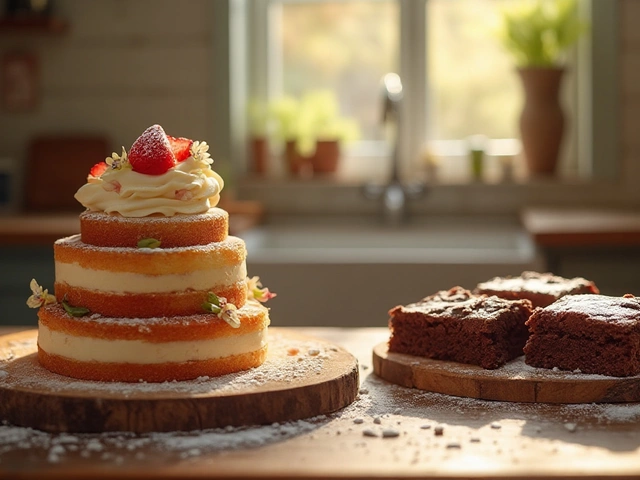
Brownies spread across America, becoming staples for school fundraisers, church events, and family picnics. Texture becomes defined: dense, fudgy, and slightly underbaked.
Brownies become a symbol of home comfort. Soldiers receive them in care packages, and women's magazines publish "brownie recipes for busy kitchens."
Brownies spread globally. British bakers adopt them as "American brownies" while French bakers label them "gâteau américain," but English speakers keep the original name.
Brownies continue to evolve with vegan, gluten-free, and keto variations while maintaining their core characteristics: dense texture, fudgy center, and easy sharing.
Ever bite into a warm, fudgy brownie and wonder where the name came from? It’s not just a cute nickname for a chocolate square. The word brownie has a story that’s as rich as the dessert itself-full of accidental discoveries, cultural shifts, and a touch of American ingenuity.
The First Brownie Wasn’t Even Called That
The brownie as we know it didn’t appear in a fancy bakery or a chef’s recipe book. It showed up in the late 1800s, in the kitchens of ordinary American households. The earliest known recipe appeared in the 1896 edition of the Boston Cooking-School Cook Book by Fannie Merritt Farmer. She called it a ‘Brownie Cake’-a dense, chocolatey square baked in a low oven and cut into rectangles. But she didn’t invent it. She just wrote it down.
Before that, women were already baking similar treats. They called them ‘brown cakes’ or ‘chocolate brown cakes.’ The name wasn’t fixed. It was just a description: brown = color, cake = form. No magic, no branding. Just practical baking.
Where Did ‘Brownie’ Actually Come From?
The real shift happened in 1897, when a recipe for ‘Brownies’ appeared in the Palace Hotel in Chicago. The hotel’s chef, Bertha Palmer, supposedly asked for a dessert that was smaller than a cake but rich enough for ladies’ tea. The result? A dense, fudgy square wrapped in wax paper and served with tea. It was so popular, the hotel started selling them by the dozen.
But the name? That came from elsewhere.
In 1893, a children’s book called The Brownies by Palmer Cox became a national sensation. It featured tiny, mischievous, brown-skinned creatures who helped with chores at night. They were called ‘brownies’ because of their color and their quiet, helpful nature. The name stuck in pop culture.
By 1898, cookbooks started using ‘brownie’ to describe the dessert. It wasn’t because the treat looked like the creatures-it was because the word was already in the public’s mind. Marketers loved it. ‘Brownie’ was catchier than ‘chocolate brown cake.’ It sounded friendly, homemade, and fun.
It Wasn’t About the Color Alone
Some people think ‘brownie’ just means ‘brown-colored cake.’ But that’s too simple. There were plenty of brown desserts back then-gingerbread, date squares, molasses cakes. None of them got called ‘brownies.’
The key difference? Texture. A true brownie is dense, fudgy, and slightly underbaked in the center. It’s not airy like a cake. It’s not crumbly like a cookie. It’s in between. That texture became its identity. And the name ‘brownie’ matched that feeling-something small, comforting, and quietly satisfying.
How It Spread Across America
By the 1920s, brownies were in every American household. They were baked for school fundraisers, church events, and family picnics. Recipes changed: some added nuts, others used melted chocolate instead of cocoa. But the name stayed.
During World War II, brownies became a symbol of home. Soldiers received them in care packages. Women’s magazines published ‘brownie recipes for busy kitchens.’ They were easy to make, didn’t need fancy ingredients, and traveled well. The name ‘brownie’ had become synonymous with comfort.
Why the Name Stuck Around the World
When American culture spread after the war, so did brownies. British bakers adopted them in the 1950s, calling them ‘American brownies’ at first. In France, they were labeled ‘gâteau américain.’ But the English-speaking world kept the name.
Today, if you walk into a bakery in Tokyo, Sydney, or Berlin, you’ll see ‘brownie’ on the menu-not ‘chocolate square’ or ‘dense chocolate cake.’ The name has outlasted trends, ingredients, and even baking styles.
What ‘Brownie’ Really Means Now
It’s not just a dessert. It’s a feeling. The word ‘brownie’ carries nostalgia, warmth, and a sense of simple joy. You don’t need to explain it. You just know it.
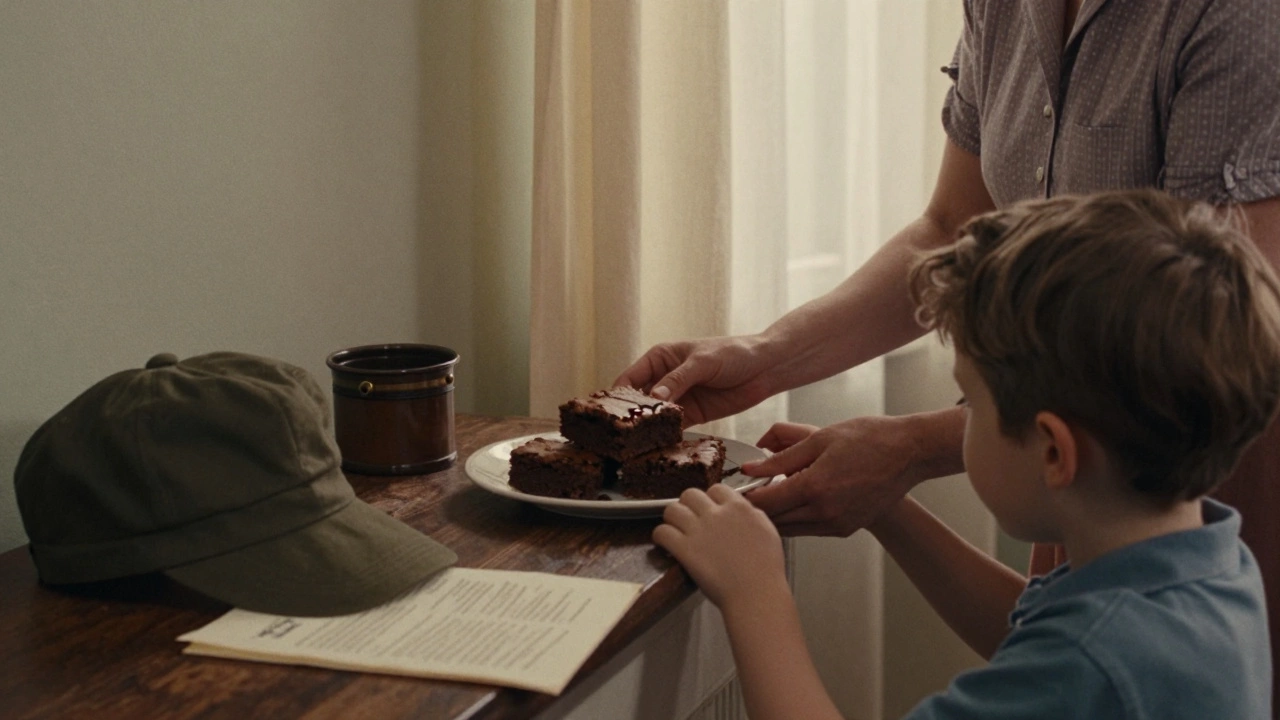
When someone says ‘I’ll bring brownies,’ you don’t picture a cake. You picture a slightly gooey square, maybe with a crackly top, eaten with cold milk. You think of childhood birthdays, school bake sales, or a quiet evening with a book.
The name didn’t come from a chef. It didn’t come from a trademark. It came from culture-mixing a children’s book, a hotel’s snack, and a home baker’s need for something easy and delicious.
Fun Fact: The First Brownie Wasn’t Chocolate
Believe it or not, the earliest versions of brownies didn’t have chocolate at all. Some used molasses, caramel, or even coffee for depth. Chocolate became the standard only after Hershey’s started mass-producing cocoa powder in the early 1900s. Before that, brownies were more like dense, spiced bars. Chocolate didn’t make the brownie-it made it iconic.
Modern Brownies Still Follow the Original Rules
Today, you can find vegan brownies, gluten-free brownies, protein brownies, even keto brownies. But the core hasn’t changed: dense, fudgy, square-shaped, and meant to be eaten with your hands.
The name ‘brownie’ survives because it’s not about the ingredients. It’s about the experience. It’s the dessert you eat without a fork. The one you share without asking. The one that doesn’t need a fancy name-because ‘brownie’ says it all.
Popular Posts
Are Oreos Vegan? Let's Crack Open the Truth!
Apr, 4 2025