
Cookie Egg Simulator
Adjust the number of eggs in your standard recipe to see how it impacts the final bake.
Predicted Outcome
Expert Advice
Stick to the script! One egg provides the perfect balance of structure from proteins and tenderness from fats. Expect a classic chewy cookie with controlled spread.
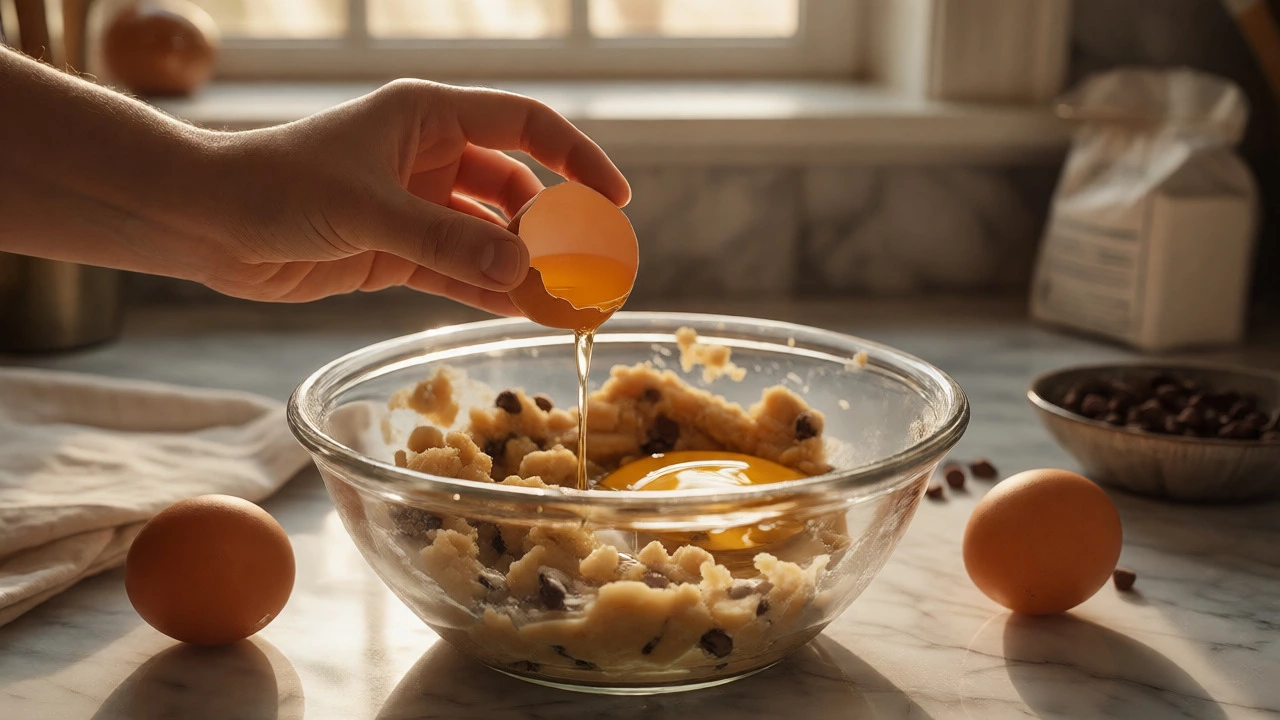
You’re standing in your kitchen, ready to bake a batch of chocolate chip cookies. You crack one egg into the bowl, but then you hesitate. Maybe you accidentally cracked two? Or maybe you’re wondering if adding an extra yolk will make them richer? It’s a common kitchen dilemma. Baking is chemistry, and eggs are one of the most powerful ingredients in that equation. They aren’t just filler; they are structural engineers, moisture managers, and flavor boosters all rolled into one shell.
So, what actually happens when you double the egg count in a standard cookie recipe? Will you end up with a rubbery disaster or a bakery-style masterpiece? The answer depends entirely on what kind of cookie you want. Let’s break down the science without getting bogged down in jargon, so you can decide whether to stick to the script or experiment with a little extra richness.
The Role of Eggs in Cookie Structure
To understand the outcome, you first need to know what an egg does in dough. An egg is primarily water (about 75% in the white) and protein. When you mix it into flour and sugar, the proteins coagulate during baking, creating a network that holds the cookie together. Without eggs, many cookie recipes would simply spread into flat, crispy discs because there’s no structure to hold the shape against the melting butter.
But eggs also add fat, especially from the yolk. Fat tenderizes gluten strands, which prevents the cookie from becoming tough like bread. So, an egg is a balancing act: it provides structure through protein while ensuring tenderness through fat. When you add a second egg, you are doubling both the binding power and the moisture content. This shift dramatically alters the final product’s architecture.
Texture Changes: Cakey vs. Chewy
The most immediate effect of adding a second egg is a change in texture. Standard chewy cookies rely on a specific ratio of brown sugar (which adds moisture and acidity) to eggs. If you add an extra egg, particularly the whole egg, you introduce more liquid and protein than the flour can easily absorb without becoming dense.
Here is how the texture shifts:
- Cakey Texture: Extra egg whites create more air pockets when whipped or mixed, leading to a lighter, fluffier crumb. If you use only an extra white, your cookies will likely rise more and have a cake-like interior.
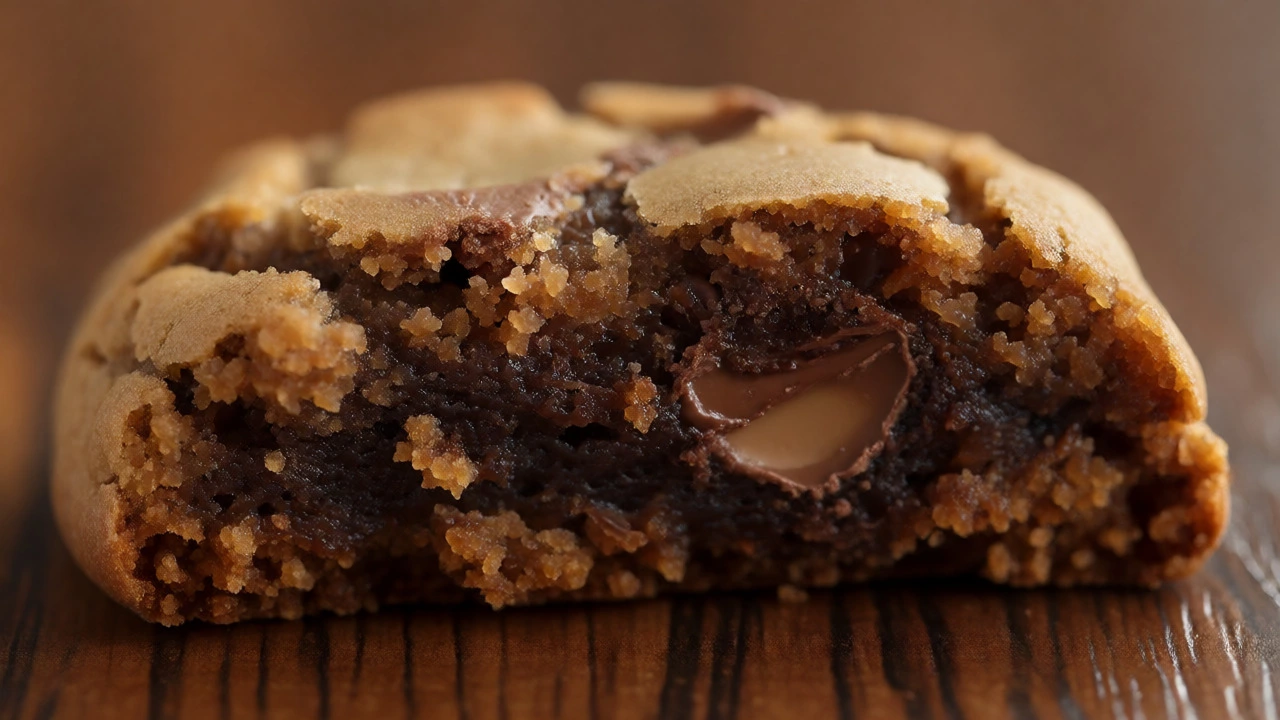
- Dense and Fudgy: Adding an extra yolk increases fat content significantly. This inhibits gluten formation further, resulting in a denser, fudgier cookie that feels richer on the tongue but may lack the classic "bite" of a traditional drop cookie.
- Puffiness: With more leavening support from the egg proteins, cookies often puff up higher in the oven before collapsing slightly as they cool. This can be desirable for soft-baked styles but problematic if you want thin, crispy edges.
If you are aiming for a chewy cookie, beware. Too much egg can make the center gummy rather than pleasantly chewy. The excess moisture doesn’t always evaporate fully in the short baking time required for small cookies, leaving the middle undercooked-feeling.
Flavor and Richness Impact
Eggs carry flavor. While we don’t usually taste "egg" in a well-made cookie, the fats in the yolk coat our palate, allowing other flavors-like vanilla, chocolate, or spices-to linger longer. Doubling the eggs intensifies this effect.
A cookie made with two eggs per standard batch (usually 3-4 dozen cookies) will taste richer and more custard-like. Some people love this depth; others find it overwhelming, masking the subtle notes of browned butter or sea salt. If your recipe already includes high-fat ingredients like heavy cream or extra butter, adding a second egg might push the flavor profile too far toward "cake batter" territory.
Conversely, if you are using low-fat substitutes or reducing butter to make healthier cookies, that second egg can rescue the flavor by providing necessary mouthfeel. In these cases, the extra egg isn’t just structural; it’s a flavor carrier that compensates for missing dairy fats.
Spread and Appearance
One of the biggest fears in cookie baking is excessive spreading. Does adding an egg cause cookies to flatten out or stay puffy?
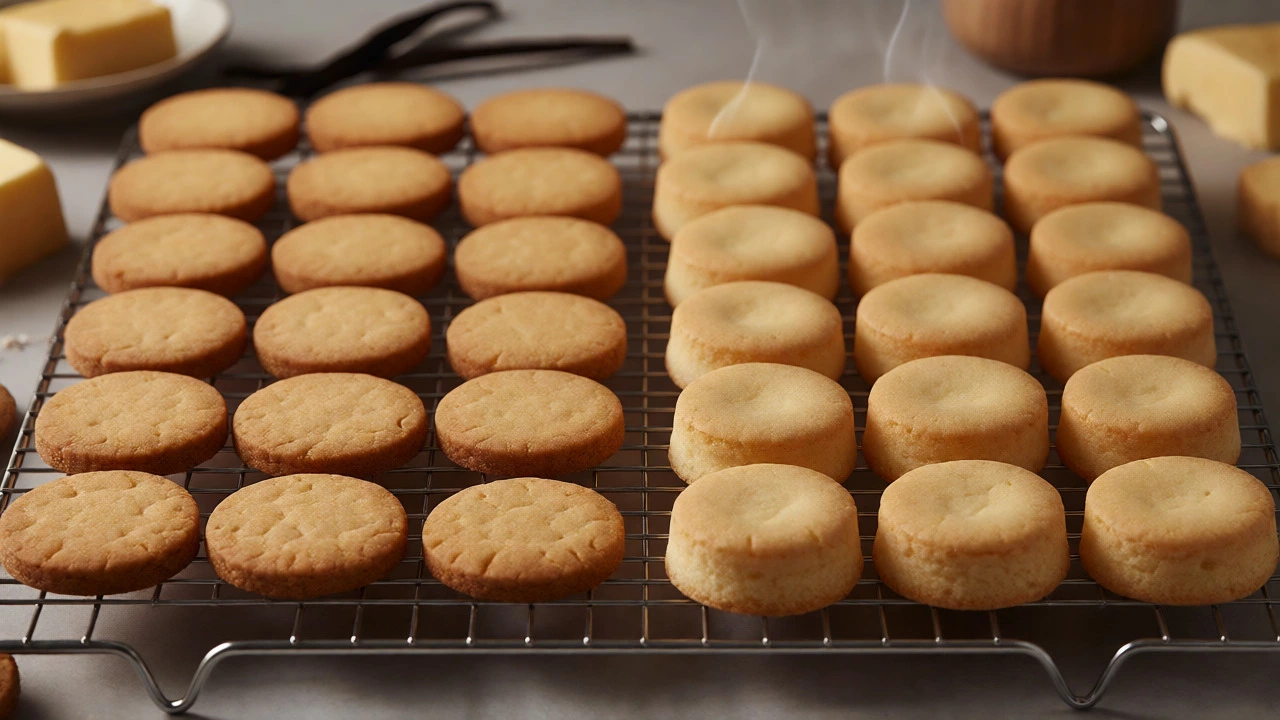
Generally, extra eggs reduce spread. Why? Because the additional protein sets faster in the heat of the oven, locking the cookie’s shape before the butter has a chance to melt completely and cause collapse. You’ll notice your cookies coming out of the oven looking taller and thicker than usual.
However, this comes with a caveat. If the cookies are too thick, the outside might burn before the inside is fully cooked. You may need to lower your oven temperature by 25°F (about 15°C) or extend the baking time slightly to ensure even cooking. Visual cues matter here: look for golden edges and a set center, not just a timer beep.
| Attribute | Standard Recipe (1 Egg) | Modified Recipe (2 Eggs) |
|---|---|---|
| Texture | Balanced chew/crisp | Cakey, dense, or fudgy |
| Moisture Content | Moderate | High (risk of gummy center) |
| Spread | Controlled | Reduced (taller cookies) |
| Richness | Standard | Enhanced, custard-like |
| Structure | Flexible | Firm, stable |
When to Add That Second Egg
Not all cookies benefit from an extra egg. Knowing when to make the switch saves you from wasted ingredients. Here are scenarios where doubling the eggs works wonders:
- Gluten-Free Baking: Gluten-free flours lack the elastic network wheat provides. A second egg acts as a crucial binder, preventing crumbly disasters. Many GF cookie recipes explicitly call for extra eggs for this reason.
- Soft-Baked Styles: If you prefer New York-style soft cookies, the extra moisture and lift from a second egg help maintain that pillowy center.
- Low-Fat Recipes: As mentioned, if you’ve cut butter, the egg replaces lost fat and moisture.
On the flip side, avoid adding a second egg if you are making:
- Crispy Edge Cookies: Think biscotti or thin lace cookies. These rely on low moisture for crunch. Extra egg means steam, and steam kills crispiness.
- Already Rich Doughs: Shortbread-style cookies or those with significant nut butters already have enough fat and structure. Adding more egg can make them greasy or overly soft.
Troubleshooting Your Double-Egg Batch
If you’ve already added the second egg and the dough looks wrong, don’t panic. You can adjust on the fly.
If the dough is too wet or sticky, chill it for at least 30 minutes. Cold dough spreads less, counteracting the extra moisture. If it’s still too loose after chilling, add a tablespoon of flour at a time until it handles easily.
If the baked cookies seem raw in the middle despite golden edges, return them to the oven at a lower temperature for another 3-5 minutes. Alternatively, let them cool completely on the pan; residual heat continues to cook the centers. Often, what feels underdone straight from the oven firms up beautifully after ten minutes of cooling.
Remember, baking is forgiving. Even if your double-egg cookies turn out cakey, they are still delicious. Serve them warm with ice cream, and no one will care about the structural engineering behind them.
Can I replace the second egg with just the yolk?
Yes, adding only an extra yolk is a popular trick. It increases richness and tenderness without adding as much water as the white. This results in a fudgier, denser cookie rather than a cakey one. It’s ideal if you want deeper flavor without altering the rise too much.
Will my cookies taste eggy?
Usually, no. Properly baked cookies shouldn’t taste distinctly of eggs. However, if the cookies are underbaked due to extra moisture, or if you use very fresh, strong-flavored eggs, you might detect a slight sulfur note. Ensuring full baking and using vanilla extract helps mask any potential egg flavor.
Does adding two eggs affect baking time?
Often, yes. Because the cookies are thicker and moister, they may take an additional 1-3 minutes to bake. Watch for visual cues like set centers and lightly browned edges rather than relying solely on the original timer.
Can I use two egg whites instead of one whole egg?
This creates a different result. Two whites provide more protein and structure but less fat. Your cookies will be lighter, airier, and potentially crispier on the outside but drier on the inside compared to using a whole egg. It’s great for meringue-style cookies but less ideal for classic chewy ones.
What if I accidentally used two eggs?
Don’t throw the dough away! Proceed with baking. You’ll likely get softer, richer cookies. If they seem too soft, chill the dough before scooping to control spread. They will still be tasty, just with a different texture profile than intended.
Popular Posts




Should I Stir Fudge While Boiling?
Mar, 29 2025