
Biltmore vs. Traditional Cheesecake Estimator
Calculator Inputs
Enter how many slices you plan to eat to compare the nutritional impact.
Nutritional Breakdown
| Nutrient | Biltmore Style (Cottage Cheese) |
Traditional NY (Cream Cheese) |
|---|---|---|
| Calories | -- | -- |
| Fat (g) | -- | -- |
| Protein (g) | -- | -- |
| Carbs (g) | -- | -- |
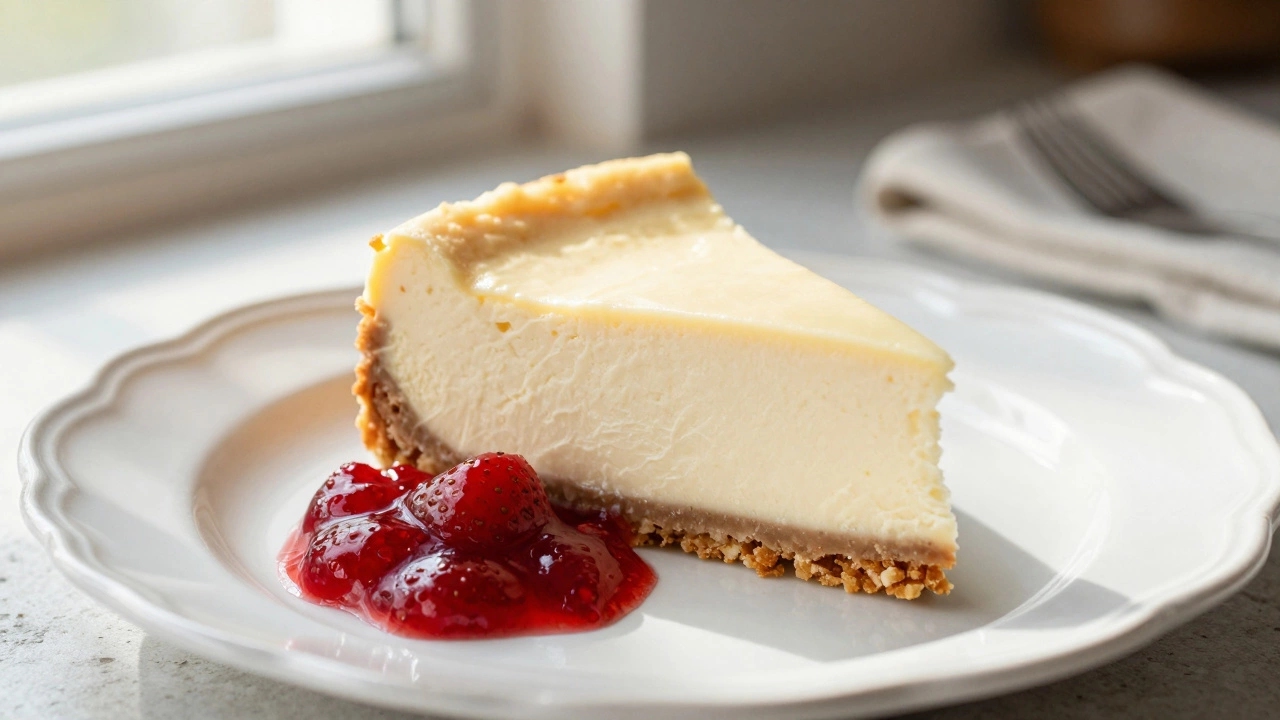
Most people think all cheesecakes are just variations of the same dense, creamy slice you get at a bakery. But if you’ve ever had a Biltmore cheesecake, you know it tastes different. It’s lighter, fluffier, and has a texture that sits somewhere between a traditional New York cheesecake and a rich mousse. So, what exactly is it? And why does it have such a fancy name?
The short answer: A Biltmore cheesecake is a specific style of cheesecake made with cottage cheese instead of (or in addition to) cream cheese. This simple swap changes everything about the dessert’s density, flavor profile, and nutritional content. But there’s more to this cake than just ingredients-it’s tied to American Gilded Age history, estate cooking, and a shift in how we view dairy desserts.
The Origin Story: From Asheville Estate to Your Kitchen
To understand the cake, you have to look at where the name comes from. The Biltmore Estate is a massive historic house located in Asheville, North Carolina. Built by George Washington Vanderbilt II in the late 19th century, it was designed to rival European chateaus. The estate wasn’t just a home; it was a statement of wealth, featuring its own vineyards, farms, and a kitchen staff large enough to cater for hundreds.
In the early 1900s, American cuisine was still finding its footing alongside French haute cuisine. Wealthy households like the Vanderbilts employed chefs who experimented with local ingredients. North Carolina has always been a major producer of dairy, particularly cheese. Cottage cheese, which was often considered a humble, everyday food for the working class, found its way into high-society menus when chefs realized it could create a lighter, more digestible dessert.
The term “Biltmore cheesecake” likely emerged as a marketing nod to this era of opulence. By associating the dessert with the famous estate, bakers elevated a simple cottage cheese cake into something sophisticated. Today, the name persists even though most people making this cake have never stepped foot in Asheville. It serves as a shorthand for a specific technique: using curd-based cheese to achieve a unique texture.
Cottage Cheese vs. Cream Cheese: The Texture Difference
If you’ve only ever baked with cream cheese, switching to cottage cheese might feel counterintuitive. Cream cheese is smooth, dense, and high in fat. Cottage cheese is lumpy, moist, and lower in fat. So how do they make a smooth cake out of it?
The secret lies in blending. When you puree cottage cheese until it’s completely smooth, it loses its grainy texture entirely. The result is a batter that is significantly lighter than one made with heavy cream or sour cream. Here is a breakdown of how the two main styles compare:
| Feature | Biltmore (Cottage Cheese) | New York (Cream Cheese) |
|---|---|---|
| Primary Dairy | Cottage cheese (low-fat or full-fat) | Cream cheese (high-fat) |
| Texture | Light, airy, slightly spongy | Dense, heavy, fudgy |
| Flavor Profile | Milder, less tangy, subtle sweetness | Rich, sharp, intensely creamy |
| Caloric Density | Lower (depending on fat content used) | Higher due to fat and sugar |
| Baking Method | Often no-bake or low-temp bake | Water bath required for even baking |
This difference matters because not everyone wants a dense brick of cheese for dessert. The Biltmore style appeals to those who want the satisfaction of cheesecake without the heaviness. It also tends to be easier on the stomach for people who find heavy cream difficult to digest.
How to Make Authentic Biltmore Cheesecake
Making this cake isn’t rocket science, but it does require attention to detail. If you skip steps, you risk ending up with a grainy mess rather than a silky slice. Here is the standard approach used by home bakers and professional kitchens alike.
Ingredients You’ll Need
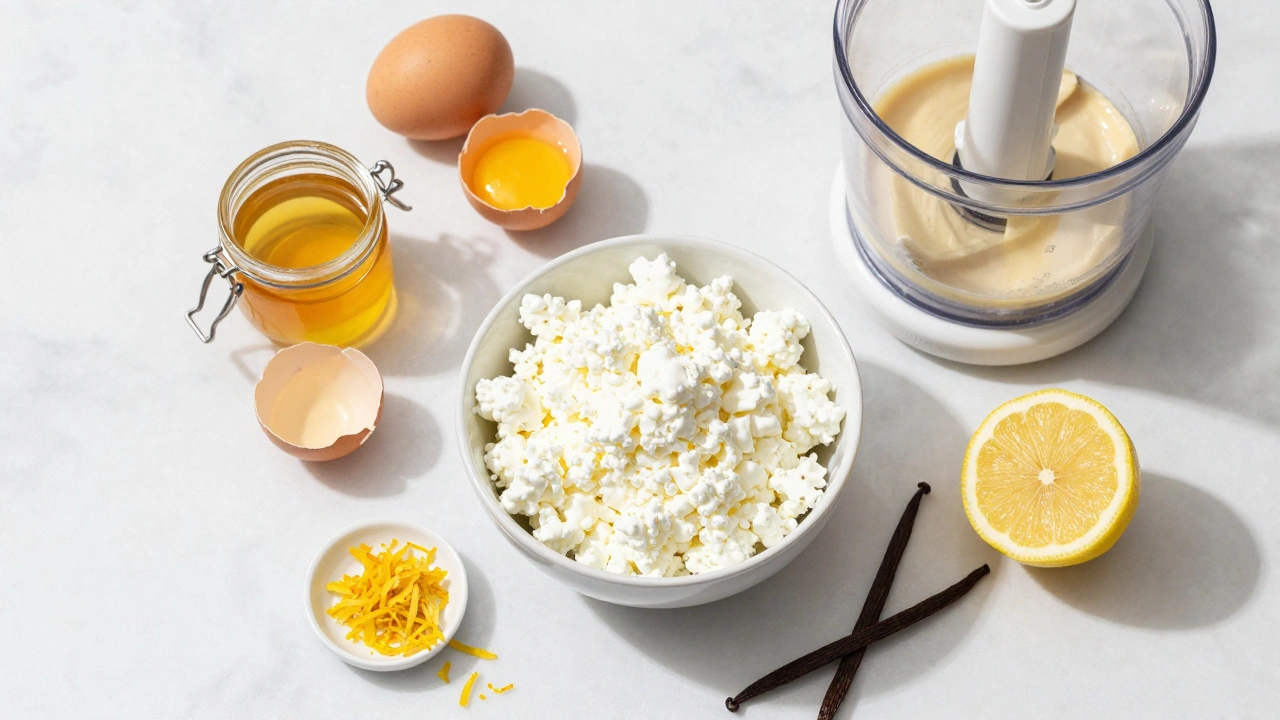
- Cottage Cheese: Use small-curd cottage cheese for the smoothest result. Low-fat works fine, but full-fat will give a richer taste. Drain excess liquid if your brand is very wet.
- Graham Cracker Crust: Crushed graham crackers mixed with melted butter and a little sugar. Some recipes use digestive biscuits if you’re outside the US.
- Sweetener: Granulated sugar or honey. Since cottage cheese is mild, you don’t need excessive sugar.
- Eggs: Usually 2-3 eggs to bind the mixture.
- Vanilla Extract: Essential for masking any residual dairy tang.
- Lemon Zest/Juice: Adds brightness and cuts through the richness.
Step-by-Step Instructions
- Prepare the Crust: Press your crumb mixture firmly into the bottom of a springform pan. Bake at 350°F (175°C) for 8-10 minutes, then let it cool completely.
- Blend the Cheese: This is the most critical step. Place the cottage cheese in a food processor or high-speed blender. Blend on high for 1-2 minutes until it is absolutely smooth. No lumps allowed.
- Combine Wet Ingredients: Add the eggs, sugar, vanilla, and lemon zest to the blended cheese. Pulse gently to combine. Do not overmix, or you’ll incorporate too much air, causing cracks during baking.
- Pour and Bake: Pour the filling over the cooled crust. Bake at a low temperature-around 325°F (160°C)-for 45-60 minutes. The center should still jiggle slightly like Jell-O when you take it out.
- Cool Slowly: Turn off the oven and crack the door open. Let the cheesecake sit inside for an hour. This gradual cooling prevents cracking. Then, refrigerate for at least 6 hours, preferably overnight.

Why Cottage Cheese Works Better for Some Palates
There is a growing trend toward lighter desserts, and Biltmore cheesecake fits perfectly into this niche. Cottage cheese is naturally higher in protein and lower in saturated fat compared to cream cheese. For health-conscious bakers, this makes a significant difference.
Additionally, the flavor of cottage cheese is milder. Traditional cheesecake can be quite tangy, sometimes bordering on sour if you use aged cream cheese. Cottage cheese offers a neutral canvas that allows other flavors to shine. This makes it an excellent base for experimenting with fruit toppings, swirls, or infusions.
Try swirling in fresh strawberry compote, blueberry jam, or even a dark chocolate ganache. Because the base is lighter, it doesn’t compete with strong toppings. It complements them.
Troubleshooting Common Issues
Even experienced bakers run into problems with cheesecake. Here are the most common issues specific to the Biltmore style and how to fix them.
- Grainy Texture: If your finished cake feels gritty, you didn’t blend the cottage cheese enough. Next time, process it longer or strain it through a fine-mesh sieve after blending.
- Cracked Surface: Cracks usually happen from baking too hot or cooling too fast. Stick to the low-and-slow method. If it cracks, cover it with whipped cream or fruit to hide it.
- Too Watery: Cottage cheese contains whey. If your brand is very wet, drain it in a cheesecloth for an hour before blending. Alternatively, add a tablespoon of cornstarch to the batter to help absorb moisture.
- Not Set Enough: If the center is still liquid after baking, you may need to bake it longer. However, remember that it firms up significantly in the fridge. If it’s jiggly but not runny, trust the chill.
Variations to Try
Once you master the basic recipe, you can start playing around. The beauty of Biltmore cheesecake is its versatility. Here are three popular variations:
- No-Bake Version: Skip the oven entirely. Mix the blended cottage cheese with gelatin and whipped cream. Chill for 8 hours. This creates a mousse-like dessert that is incredibly light.
- Herbed Savory Twist: While rare, some chefs use cottage cheese bases for savory tarts with herbs, garlic, and caramelized onions. It’s a delicious appetizer option.
- Gluten-Free Crust: Swap graham crackers for almond flour and coconut flour. This pairs well with the lighter nature of the filling.
Where Does It Fit in Modern Dessert Culture?
In an era where people are constantly looking for ways to reduce sugar and fat intake without sacrificing taste, Biltmore cheesecake is having a moment. It bridges the gap between indulgence and nutrition. It’s not a diet food, but it’s certainly a smarter choice than a slice of heavy, cream-laden traditional cheesecake.
Moreover, it connects us to a piece of culinary history. Eating this cake reminds us that dessert evolution isn’t just about adding more sugar; it’s about refining texture and technique. Whether you call it Biltmore, cottage cheese cheesecake, or just a light cheesecake, the experience is distinct and satisfying.
Is Biltmore cheesecake healthier than regular cheesecake?
Yes, generally speaking. Because it uses cottage cheese instead of cream cheese, it typically has less saturated fat and fewer calories per serving. Cottage cheese is also higher in protein. However, the crust and added sugars still contribute to the total calorie count, so portion control matters.
Can I use ricotta instead of cottage cheese?
You can, but the result will be different. Ricotta is denser and sweeter than cottage cheese. A ricotta cheesecake will be closer in texture to a traditional Italian torta caprese. For the authentic Biltmore lightness, stick with cottage cheese.
Do I need a water bath for Biltmore cheesecake?
It is recommended but not strictly necessary. Because cottage cheese has more moisture, the batter is less prone to drying out and cracking than dense cream cheese batters. However, a water bath helps ensure even cooking and a smoother surface.
Why is it called Biltmore cheesecake?
The name refers to the Biltmore Estate in North Carolina. During the Gilded Age, chefs at the estate experimented with local ingredients like cottage cheese to create lighter desserts. The name stuck as a way to market this specific style of cottage cheese-based cake.
How long does Biltmore cheesecake last in the fridge?
Stored in an airtight container, it will keep for 4-5 days in the refrigerator. You can also freeze slices for up to 2 months. Thaw them in the fridge overnight before serving.
Popular Posts

Level 5 Vegan: What It Means and Why It Matters
Jul, 24 2025


Discovering the Sweet History of Elvis Presley Cake
Jan, 15 2025