Ever bitten into a slice of cake and thought, Where’s the cream? You’re not alone. Many people assume cake = frosting = whipped cream = decoration. But that’s not true. A cake without cream isn’t broken-it’s just different. In fact, some of the most beloved cakes in the world have no cream at all.
It’s called a sponge cake
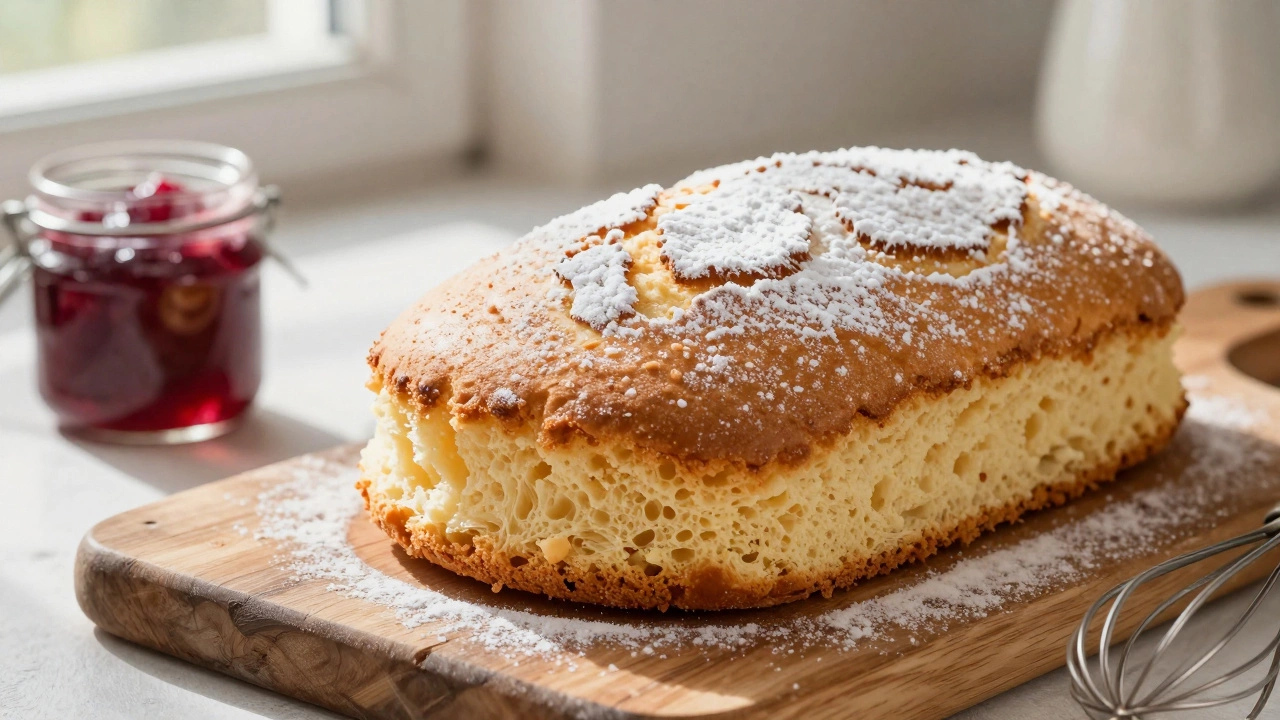
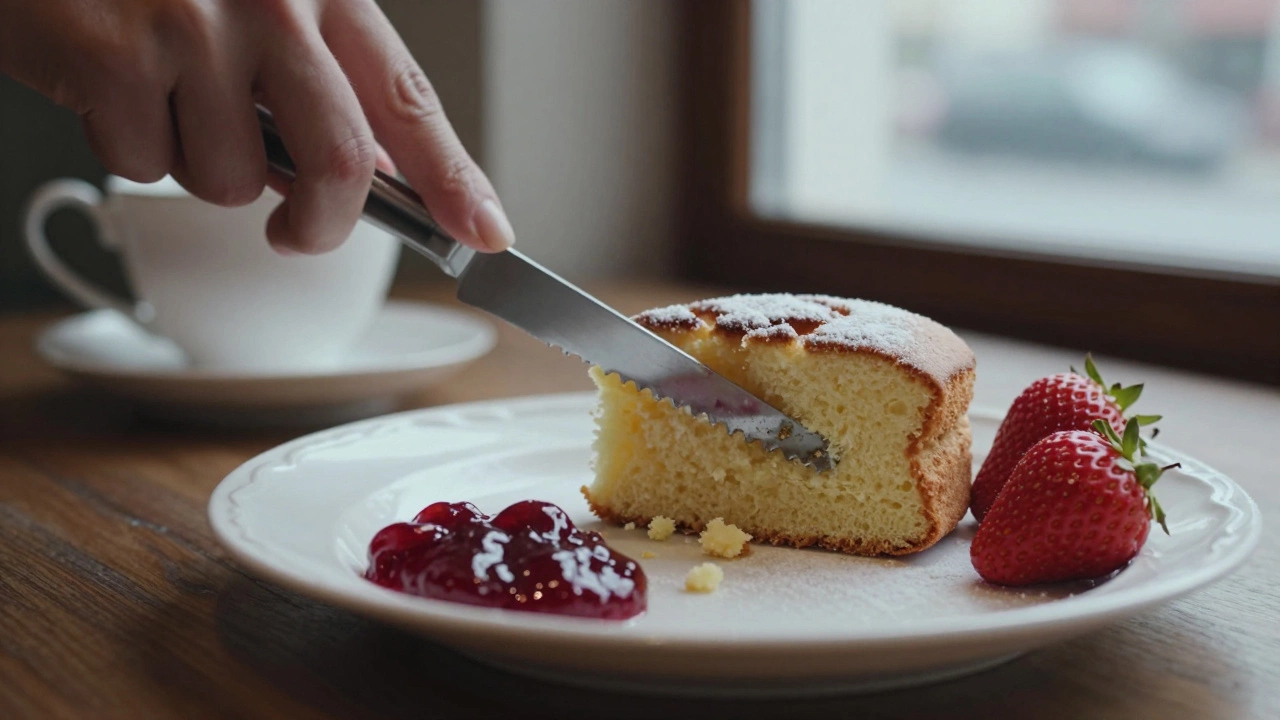
A cake without cream is most commonly called a sponge cake. It’s the foundation of countless desserts, from British tea-time treats to Italian tiramisu and American layer cakes. Sponge cake relies on eggs, sugar, flour, and a bit of butter or oil. No cream, no frosting, no filling. Just light, airy, and tender crumb. The name comes from its texture-soft, porous, and springy, like a kitchen sponge.In the UK, a plain sponge cake is often served with a dusting of powdered sugar and a dollop of jam, not cream. In France, it’s the base for fraisier or charlotte. In Japan, it’s the star of the strawberry shortcake, where the cream is on the side, not baked in.
Why do some cakes skip the cream?
Cream isn’t necessary for structure or flavor. The real magic of cake comes from how the batter is mixed, how the eggs are whipped, and how the heat transforms the ingredients. A well-made sponge cake rises on its own, thanks to air trapped in beaten eggs. That’s why it doesn’t need butter or cream to puff up.Some bakers avoid cream for practical reasons. Cream spoils fast. It melts in warm weather. It adds cost. And for many, the pure taste of cake-sweet, buttery, slightly eggy-is the point. In bakeries across Europe, you’ll find shelves lined with plain cakes: pan di spagna in Italy, genoise in France, Biskvit in Russia. These are all sponge cakes, all cream-free, all beloved.
Other names for cake without cream
Depending on where you are, you might hear different terms:- Plain cake - The most straightforward term. Used in home baking across the US and UK.
- Unfrosted cake - Often used in commercial settings to describe cakes that haven’t been decorated yet.
- Basic cake - A term you’ll see in beginner baking books. It means the recipe has no extras-no chocolate, no fruit, no cream.
- Butter cake - Sometimes confused with sponge, but butter cakes use more fat and are denser. Still, they can be served without frosting.
Don’t let the names fool you. None of these are "incomplete" cakes. They’re intentional. They’re classic. They’re the canvas, not the decoration.
How to tell if your cake is meant to be cream-free
Not all cakes without cream are sponge cakes. Some are meant to be filled or glazed, not topped with whipped cream. Here’s how to tell:- If the recipe calls for beaten eggs and no butter or oil, it’s likely a sponge.
- If the texture is light and springy, not dense or moist, it’s probably sponge.
- If the instructions say "serve with jam" or "dust with sugar," it’s designed to be plain.
- If the cake is layered with fruit, custard, or syrup, it’s still a cream-free cake-it just has other fillings.
Some cakes, like angel food cake or chiffon cake, are also cream-free by nature. Angel food cake uses only egg whites and no butter. Chiffon cake uses oil instead of butter. Both are airy, delicate, and often served as-is.
Why people think cake needs cream
The idea that cake must have cream comes from modern cake culture. Think birthday cakes with swirls of buttercream, wedding cakes with fondant, or Instagram-worthy desserts layered with mascarpone. These are beautiful-but they’re not the rule. They’re the exception.Before the 1950s, most home bakers didn’t have access to refrigerators or heavy cream. Cakes were simple. Flour, sugar, eggs, maybe a bit of citrus zest. Cream was a luxury. Even today, in rural villages across Europe and Asia, plain cakes are the norm. They’re baked on Sundays, eaten with tea, and stored for days without spoiling.
How to make a perfect cream-free cake
You don’t need fancy tools. Just a few ingredients and patience.- Use room-temperature eggs. They whip up better and trap more air.
- Sift the flour. This prevents lumps and makes the crumb even.
- Don’t overmix. Stir just until the flour disappears. Overmixing = tough cake.
- Bake in a preheated oven. A cold oven won’t let the cake rise properly.
- Let it cool completely before slicing. Warm cake crumbles.
Try this simple recipe: 4 eggs, 1 cup sugar, 1 cup flour, 1 tsp vanilla. Beat eggs and sugar until pale and thick-about 8 minutes. Fold in flour gently. Bake at 350°F (175°C) for 25-30 minutes in a 9-inch round pan. When cool, dust with powdered sugar. That’s it. No cream. No fuss. Just cake.
What to do with a cream-free cake
Just because it doesn’t have cream doesn’t mean it’s boring. Here are classic ways to enjoy it:- Split it in half, spread with raspberry jam, and top with a dusting of icing sugar.
- Soak it in warm syrup (sugar + water + lemon) and layer with fresh berries.
- Turn it into trifle: cube the cake, layer with custard and fruit, top with crushed biscuits.
- Dip slices in melted chocolate and let them harden.
- Toast slices lightly and serve with honey and yogurt.
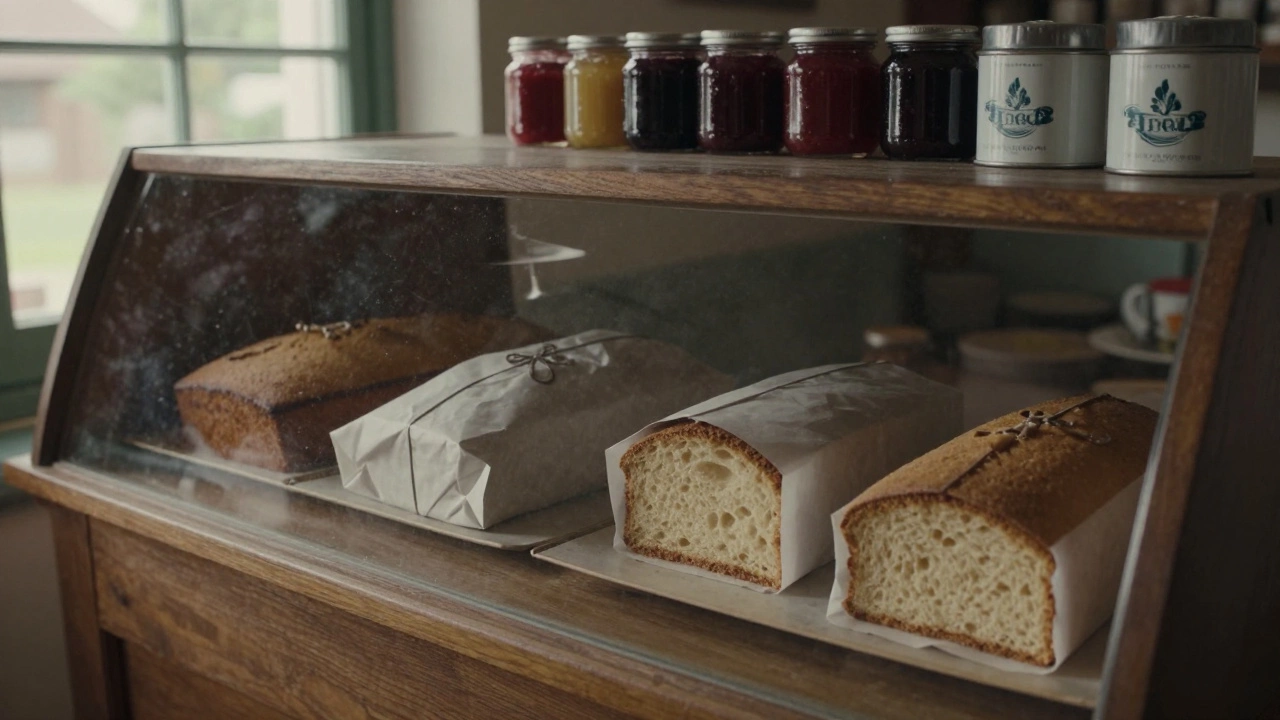
In Brighton, where I live, you’ll find old-fashioned bakeries selling plain sponge cakes wrapped in wax paper. No frosting. No filling. Just a slice of history. People buy them by the dozen for afternoon tea. They’re not "basic." They’re timeless.
Why cream-free cakes matter
They remind us that cake doesn’t need to be fancy to be good. The best cakes are often the ones that let the ingredients speak. A sponge cake tastes like childhood. Like your grandma’s kitchen. Like the smell of vanilla and warm oven air.When you strip away the cream, you’re left with the soul of cake. And that’s worth celebrating.
Is a sponge cake the same as a plain cake?
Yes, in most cases. A sponge cake is a type of plain cake-light, airy, and made without cream or butter. But not all plain cakes are sponge cakes. A butter cake can also be plain if it’s not frosted. The key difference is texture: sponge is light and springy, butter cake is denser and richer.
Can you frost a sponge cake later?
Absolutely. Sponge cake is the most common base for layered cakes. Many bakers bake a plain sponge, let it cool, then split it and fill it with cream, jam, or custard. It’s the standard method for birthday cakes, wedding cakes, and even tiramisu. The cream goes between the layers, not on top.
Why does my plain cake fall apart when I slice it?
It’s probably underbaked or sliced too soon. Sponge cakes need to cool completely-sometimes up to 2 hours-before cutting. If you slice while warm, the crumb is too soft and will tear. Also, use a serrated knife and saw gently. Don’t press down.
Are cream-free cakes healthier?
Not necessarily. A sponge cake still has sugar and eggs. But it usually has less fat than a buttercream-frosted cake. If you skip the cream and just dust with sugar, you cut out hundreds of calories and saturated fat. For a lighter treat, plain cake is a better choice.
What’s the difference between a sponge cake and a pound cake?
Pound cake is dense and rich-it traditionally uses a pound each of flour, butter, sugar, and eggs. Sponge cake uses no butter and relies on whipped eggs for lift. Pound cake is moist and heavy. Sponge cake is light and airy. They’re both cream-free, but they’re completely different textures and uses.
Next steps if you want to bake one
Start with a simple sponge cake recipe. Bake it plain. Taste it as it is. Then try it with jam. Then with berries. Then dipped in chocolate. You’ll start to see how much flavor lives in the cake itself-not just on top. Once you’ve tasted a real cream-free cake, you’ll never think of it as "missing" anything again.Popular Posts
Best Gluten‑Free Flour for Cake Baking
Oct, 23 2025