Angel Food Cake Nutrition & Serving Calculator
Calculate the total calories and sugar content for your serving of angel food cake based on slice size and toppings.
Toppings (per slice):
Your Serving Summary
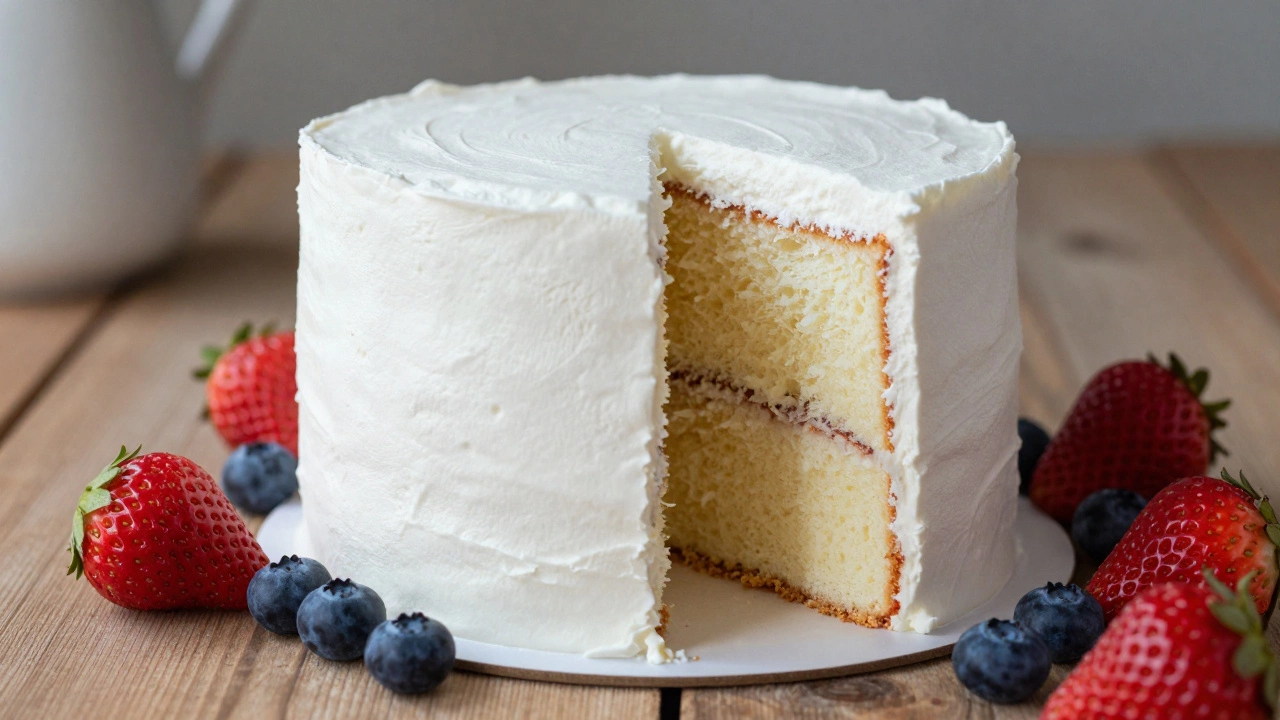
You’ve probably seen it before: a tall, snow-white cylinder of sponge that looks like it belongs in a cloud. It’s light, airy, and sweet without being heavy. But what exactly is angel food cake? It isn’t just a regular sponge cake with a fancy name. It is a specific type of batter-based cake that relies entirely on whipped egg whites for its structure, containing no butter or yolks at all.
If you are looking for a dessert that feels indulgent but doesn't weigh you down, this is it. Understanding what makes this cake unique goes beyond the ingredients; it involves the physics of air bubbles and the chemistry of protein coagulation. Let's break down the history, the science, and how to make sure yours turns out perfectly every time.
The Origins: A Victorian Era Mystery
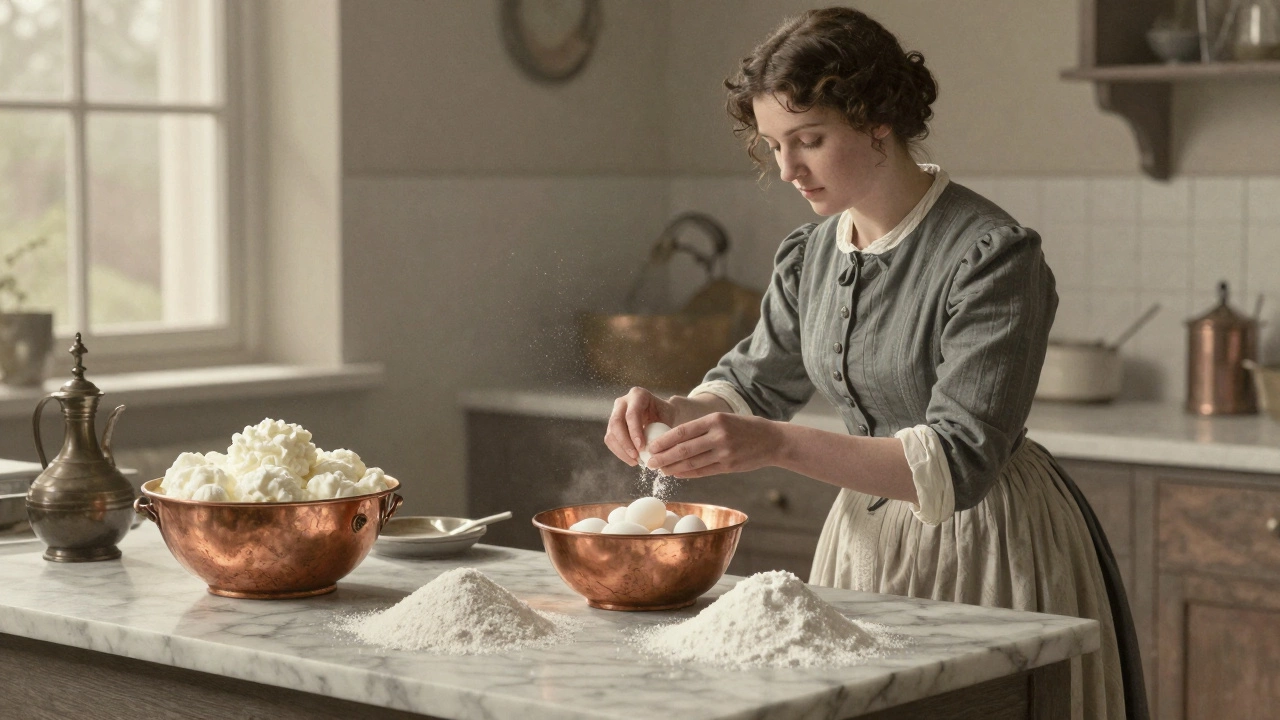
Where did this ethereal dessert come from? The history of angel food cake is shrouded in a bit of culinary folklore. Most food historians agree it emerged in the United States during the late 19th century, specifically around the 1870s. This was the height of the Victorian era, where social etiquette dictated strict rules about who could do what in the kitchen.
Legend has it that a woman named Sarah Roosevelt (a distant relative of the president) created the recipe. Because the cake required only egg whites, sugar, and flour, it was considered "women's work" since men were often tasked with separating eggs for other recipes or handling heavier meats. Another popular story suggests it was invented by a hotel chef in Colorado Springs to use up leftover egg whites from making custards.
Regardless of the exact origin, the cake became a staple in American bakeries by the early 1900s. Its popularity surged because it was affordable-egg whites were cheap compared to butter and yolks-and it satisfied the growing demand for lighter, less rich desserts after heavy holiday meals.
The Science: Why It Fluffs Up
To understand what angel food cake is, you have to look at what it isn't. Unlike pound cakes or butter cakes, which rely on fat for tenderness and moisture, angel food cake is a member of the chiffon cake family, though technically it is distinct because it contains no oil. It is a foam cake.
The structure comes from egg whites, also known as albumen. When you whip egg whites, you trap millions of tiny air bubbles within the protein matrix. As the cake bakes, these air bubbles expand due to heat. Simultaneously, the proteins in the whites denature and coagulate, setting the shape of the cake. If you deflate the batter before baking, those air pockets collapse, and you end up with a dense, flat disc instead of a lofty dome.
This is why the pan matters so much. You cannot grease an angel food cake pan. The batter needs to climb up the sides of the ungreased tube pan as it expands. If there is any fat on the surface, the cake will slip down before it sets. This physical requirement is what gives the cake its signature tall, cylindrical shape with a hole in the center.
Key Ingredients and Their Roles
The ingredient list for angel food cake is surprisingly short. Usually, it includes just five items. Each one plays a critical role in the final texture and flavor.
- Egg Whites: These provide the structure. Room temperature whites whip up better than cold ones, creating more volume. You typically need about eight large egg whites for a standard recipe.
- Sugar: Granulated sugar stabilizes the meringue. It dissolves into the egg whites, preventing them from drying out too quickly in the oven. Some recipes call for confectioners' sugar for extra smoothness, but granular works fine if added gradually.
- Cake Flour: Low-protein flour is essential. Bread flour has too much gluten, which would make the cake tough and chewy. Cake flour keeps the crumb tender. Never substitute whole wheat flour unless you want a very different, denser product.
- Cream of Tartar: This acidic powder strengthens the egg white proteins. It helps the meringue hold its peaks and prevents weeping (liquid separation) during baking.
- Vanilla Extract: Since there is no butter or yolk flavor, vanilla provides the necessary aromatic sweetness. Almond extract is a common variation, adding a nutty depth.
Note that there is absolutely no fat in this mix. No butter, no oil, no milk. That is what makes it naturally gluten-free compatible if you use a certified gluten-free cake flour blend, and it is also dairy-free.
How to Bake the Perfect Angel Food Cake
Making this cake requires precision. Here is the step-by-step process to ensure success.
- Preheat and Prep: Preheat your oven to 350°F (175°C). Ensure your tube pan is completely clean and dry. Do not grease it.
- Sift Dry Ingredients: Sift the cake flour, sugar, and cream of tartar together three times. This aerates the flour and removes lumps, ensuring a smooth batter.
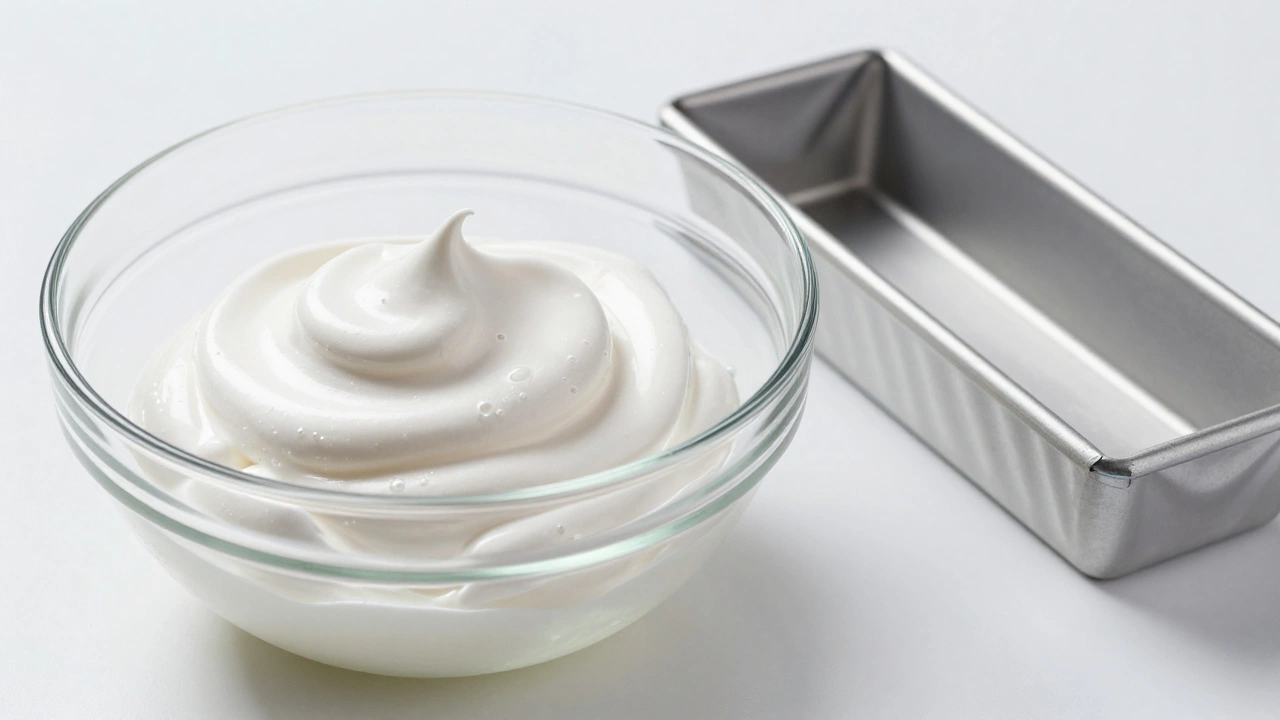
- Whip the Whites: In a spotless copper or stainless steel bowl, beat the egg whites until foamy. Add a pinch of salt. Gradually add half the sugar mixture while beating on medium speed. Continue until stiff, glossy peaks form. The meringue should stand straight up when you lift the beater.
- Fold, Don't Stir: Gently fold in the remaining dry ingredients using a rubber spatula. Use a cutting motion through the center and folding over the top. Be careful not to deflate the air bubbles. The batter should look thick and shiny.
- Bake: Pour the batter into the ungreased tube pan. Smooth the top. Bake for 40-45 minutes. The cake is done when it springs back lightly when touched and the top is golden brown.
- Cool Upside Down: This is the most crucial step. Immediately invert the pan onto its legs or a bottle neck. Let it cool completely (about 1-2 hours). This gravity-assisted cooling prevents the cake from collapsing under its own weight as it sets.
Troubleshooting Common Issues
Even experienced bakers can run into trouble with angel food cake. Here is how to fix common problems.
| Problem | Likely Cause | Solution |
|---|---|---|
| Dense or Flat | Deflated batter or insufficient whipping | Whip whites to stiff peaks; fold gently; check oven temperature. |
| Collapsed Center | Not cooled upside down long enough | Invert immediately after baking; wait until completely cool. |
| Gummy Texture | Underbaked or too much liquid | Bake longer; measure ingredients by weight for accuracy. |
| Stuck to Pan | Pan was greased or cake not cooled fully | Never grease the pan; run a knife around the edge only after cooling. |
| Grainy Mouthfeel | Sugar didn't dissolve | Add sugar slowly to whites; ensure meringue is glossy. |
Serving Suggestions and Variations
Because angel food cake is mild and sweet, it pairs beautifully with strong flavors. Fresh berries are the classic choice. Strawberries, raspberries, and blueberries cut through the sweetness with their acidity. Whipped cream is a traditional topping, though some prefer a dollop of mascarpone for richness.
You can also experiment with flavors. Add cocoa powder for a chocolate version (often called devil's food cake, ironically), or mix in lemon zest for a bright citrus twist. For a savory-sweet contrast, try serving it with caramelized onions or figs, though this is less common.
Storage is simple. Wrap the cooled cake tightly in plastic wrap and store it at room temperature for up to three days. It can also be frozen for longer storage. Slice it before freezing for easy single-serving portions.
Is Angel Food Cake Healthy?
Compared to other cakes, yes. It is lower in calories and fat because it lacks butter and egg yolks. However, it is still high in sugar. A typical slice contains about 150-200 calories, depending on the size. It is a better option for those watching their fat intake, but portion control is still key. For those with diabetes, the high sugar content means it should be consumed sparingly or modified with sugar substitutes like erythritol, though this can affect the texture.
Can I make angel food cake in a regular round pan?
It is not recommended. The tube pan allows heat to circulate evenly around the center, ensuring the cake cooks through without burning the edges. A regular pan may result in a sunken center or uneven baking. If you must, reduce the baking time and monitor closely.
Why does my angel food cake taste eggy?
This usually happens if the cake is underbaked. The raw egg flavor remains if the proteins haven't fully coagulated. Ensure you bake it until the top is golden and it springs back to the touch. Adding a bit more vanilla or almond extract can also mask any residual egginess.
Can I use powdered sugar instead of granulated sugar?
Yes, you can. Powdered sugar dissolves faster and can create a smoother texture. However, it contains cornstarch, which can slightly alter the rise. Stick to granulated sugar for the most reliable results, adding it slowly to the meringue.
How do I remove the cake from the tube pan?
Wait until the cake is completely cool. Run a thin knife around the outer edge and the center tube. Then, gently push the cake out from the bottom. If it sticks, give the pan a gentle tap against the counter.
Is angel food cake vegan?
No, traditional angel food cake is not vegan because it uses egg whites. However, you can make a vegan version using aquafaba (the liquid from canned chickpeas) as a substitute for egg whites. Whip the aquafaba with cream of tartar and sugar to create a similar meringue structure.