Global Cake Popularity Calculator
Select your cake type below to see how it performs globally in terms of volume, revenue, and cultural appeal.
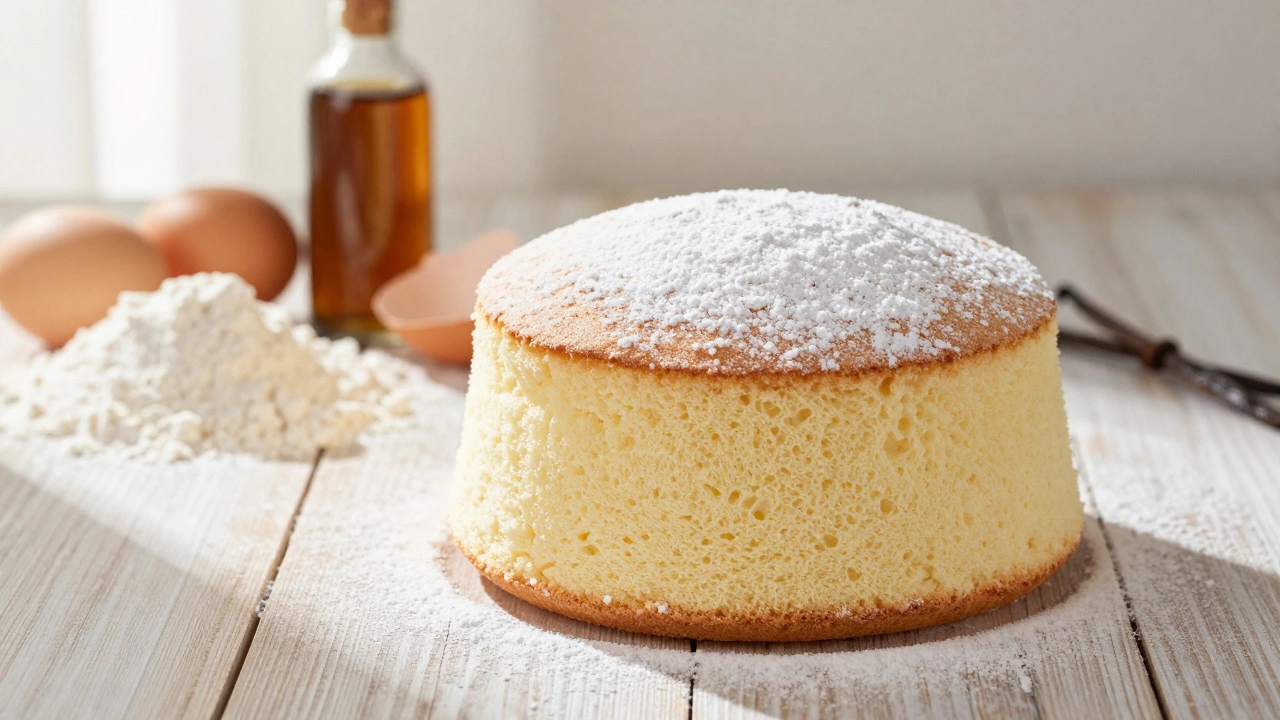
Vanilla Sponge
The Volume KingChocolate Layer
Revenue PowerhouseCarrot Cake
Unexpected ContenderAnalysis Result
High DemandSales Metrics
Key Advantages
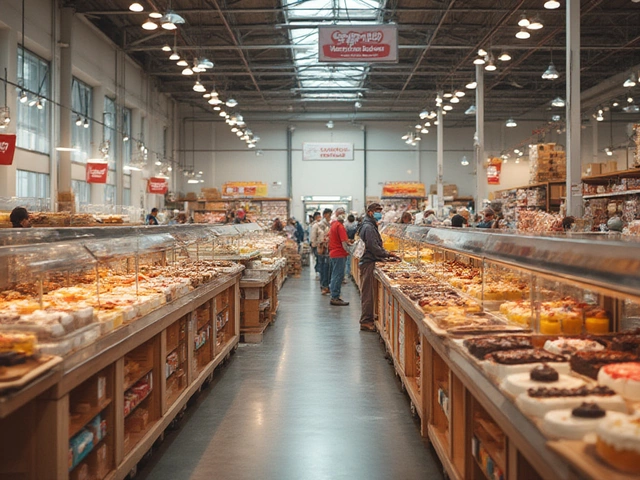
Walk into any bakery from London to Los Angeles, and you will see a familiar pattern. The shelves are stocked with rich chocolate layers, airy sponges, and dense fruit cakes. But if you look closely at what actually moves off the shelf, one contender consistently outpaces the rest. When we ask what is the most sold cake, the answer isn't just about personal preference; it is about mass appeal, cost-effectiveness, and cultural ubiquity.
The title of "most sold" can be interpreted in two ways: by total volume (number of units) or by revenue (total money spent). In terms of pure volume, the simple vanilla sponge cake reigns supreme. It is the blank canvas for every birthday party, wedding, and casual afternoon tea. However, when we factor in global commercial sales, including branded products like KitKat slices and supermarket ready-to-eat options, the landscape shifts slightly toward chocolate-based confections. Let's break down why these specific cakes dominate the market and what makes them so irresistible to the masses.
The Reign of Vanilla: The Volume Champion
If you were to count every single slice of cake eaten worldwide, Vanilla Cake would likely take the gold medal. This isn't because vanilla is the most exciting flavor profile-it is often described as neutral-but because it is the safest bet for the largest audience. Vanilla cake is a light, sweet sponge made primarily from flour, sugar, eggs, butter, and vanilla extract. Its simplicity allows it to adapt to countless variations, from classic buttercream to elaborate fondant decorations.
Consider the economics of baking. Vanilla ingredients are generally cheaper than high-quality cocoa or exotic fruits. For bakeries operating on thin margins, a vanilla base reduces risk. If a customer dislikes the frosting, they might still eat the cake. If they dislike the chocolate sponge itself, the entire product is wasted. This versatility makes vanilla the backbone of the commercial cake industry.
- Universal Appeal: Unlike strong flavors like lemon or coffee, vanilla does not polarize taste buds. It pairs well with almost any topping.
- Cost Efficiency: Vanilla extract and basic pantry staples keep production costs low, allowing for higher profit margins per unit.
- Cultural Neutrality: In many cultures, a plain white or yellow cake is the default for celebrations, making it a staple for events ranging from christenings to retirements.
In the United States alone, surveys consistently show that vanilla is tied with chocolate for the most popular flavor, but vanilla often wins in custom cake orders where decoration takes center stage. The cake itself becomes a vehicle for creativity rather than the main event.
Chocolate Cake: The Revenue Powerhouse
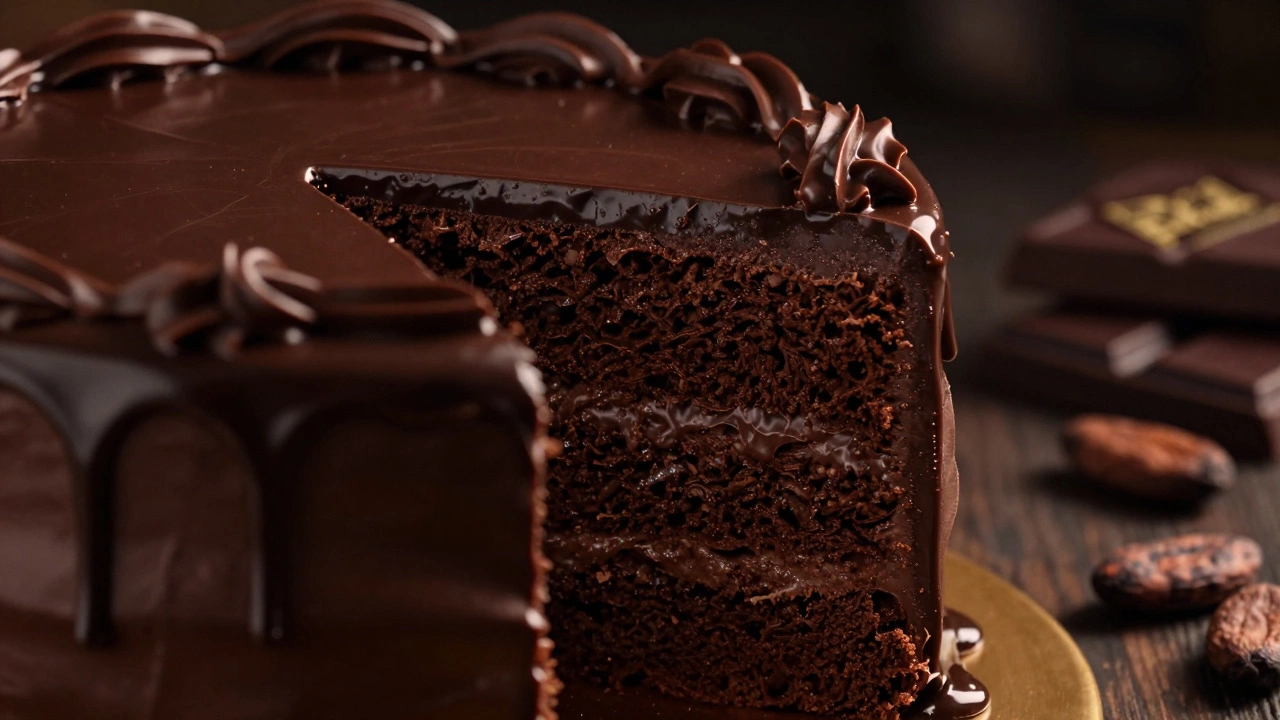
While vanilla may lead in unit volume, Chocolate Cake often generates more revenue. Why? Because people are willing to pay a premium for it. Chocolate carries a perception of luxury and indulgence that vanilla sometimes lacks. Chocolate cake is a moist, dense cake flavored with cocoa powder or melted chocolate, often layered with ganache or chocolate buttercream.
The rise of dark chocolate has further boosted this category. Consumers associate dark chocolate with health benefits, such as antioxidants, which justifies a higher price point. Brands like Betty Crocker and Pillsbury have long dominated the boxed mix market with their chocolate offerings, proving that convenience drives massive sales volumes. A quick box of chocolate cake mix is a household staple in millions of homes, contributing significantly to the overall sales figures.
Furthermore, chocolate cake is less dependent on decorative perfection. A slightly uneven layer of chocolate cake is forgiven because the intense flavor compensates for visual flaws. This makes it a favorite for home bakers who want to serve something impressive without spending hours piping intricate designs. The result is a higher frequency of consumption in private households compared to vanilla, which is often reserved for formal occasions.
The Rise of Carrot Cake: The Unexpected Contender
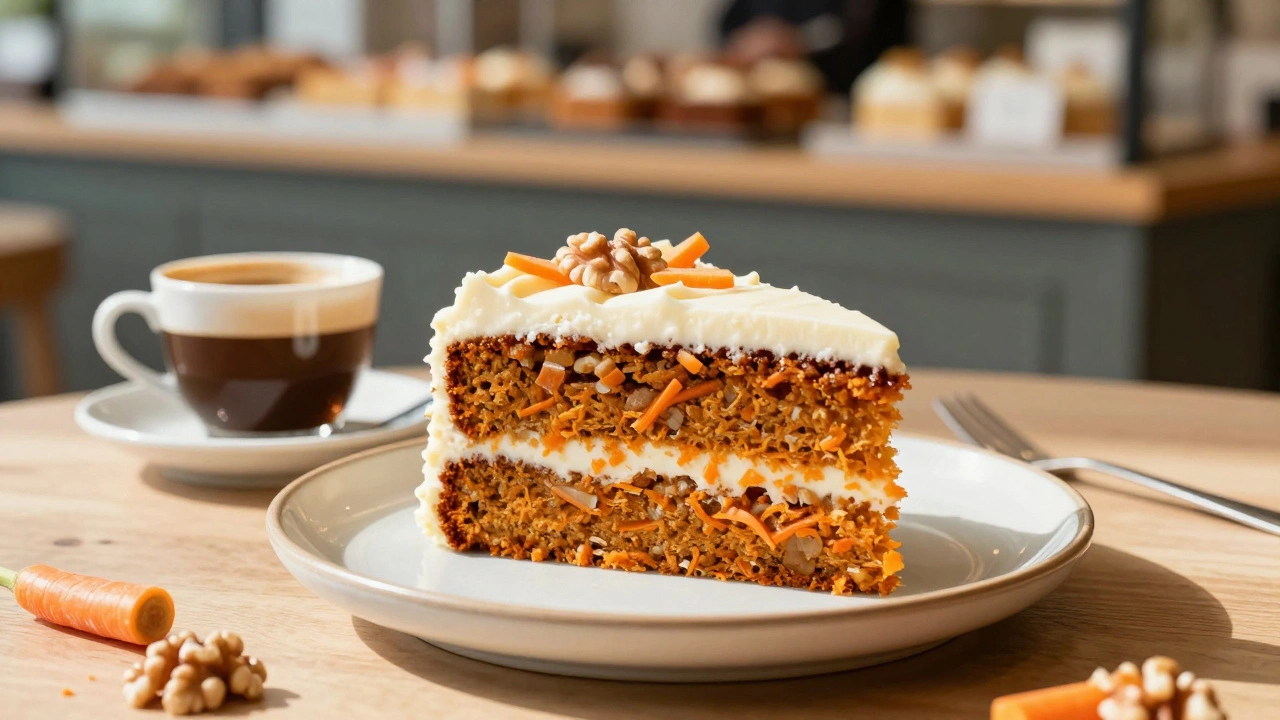
You might not expect it, but Carrot Cake punches well above its weight class. Often dismissed as a "healthy" option due to its grated vegetable content, carrot cake is actually a calorie-dense treat loaded with cream cheese frosting. Despite this, its unique texture and spice profile-usually featuring cinnamon and nutmeg-give it a distinct identity that stands out in a crowded market.
Carrot cake's popularity surged in the mid-20th century, particularly in American diners and cafes. Today, it remains a top seller in coffee shops across Europe and North America. Its success lies in its ability to straddle the line between dessert and snack. People feel slightly less guilty ordering a slice of carrot cake than a slice of black forest gateau, even though the nutritional difference is negligible. This psychological advantage drives repeat purchases among consumers who are trying to moderate their sugar intake without giving up sweets entirely.
Regional Variations: Who Eats What?
The definition of "most sold" changes dramatically depending on where you are standing. Global averages mask significant regional preferences that drive local economies.
| Region | Top Seller | Key Characteristics |
|---|---|---|
| United Kingdom | Fruit Cake & Victoria Sponge | Dense, dried fruit-filled; traditional for Christmas and weddings. |
| United States | Chocolate & Vanilla Layer Cake | Large portions, heavy frosting, celebratory focus. |
| France | Mille-Feuille & Madeleines | Puff pastry layers; small, individual pastries often sold by weight. |
| Japan | Sponge Cake (Castella) | Light, airy, often served warm; breakfast and dessert staple. |
| India | Banana & Pineapple Cake | Fruit-forward, moist texture, widely available in supermarkets. |
In the UK, the traditional fruit cake remains a holiday giant, driven by Christmas traditions. However, for everyday consumption, the Victoria Sponge-a simple vanilla sandwich cake with jam and cream-is a perennial bestseller. In Japan, the culture of eating cake for breakfast has created a massive market for soft, egg-heavy sponge cakes that are lighter than their Western counterparts. These regional nuances mean that while vanilla and chocolate dominate globally, local favorites hold strong sway in specific markets.
The Impact of Convenience Culture
A major driver of cake sales today is convenience. The era of baking from scratch for every occasion is fading. Instead, consumers turn to pre-packaged options. This shift has elevated the status of KitKat Slice and similar branded desserts. While technically a bar or a slice rather than a traditional baked cake, these products compete directly with homemade cakes for shelf space and consumer wallets.
Supermarkets have capitalized on this by offering ready-to-eat cakes that require no refrigeration until opened. These products are engineered for maximum shelf life and consistent taste. The result is a surge in sales for cakes that prioritize stability over freshness. A vanilla cupcake with a stable frosting sells better than a delicate mousse cake that requires careful handling. This practical consideration influences what bakers produce and what shoppers buy, reinforcing the dominance of simple, robust flavors.
Health Trends and Dietary Shifts
We cannot discuss modern cake sales without addressing the impact of dietary restrictions. The rise of gluten-free, vegan, and low-sugar diets has fragmented the market. While traditional cakes still sell the most, niche categories are growing rapidly. Vegan Cake sales have skyrocketed in urban centers, driven by ethical concerns and lactose intolerance.
Interestingly, many "healthy" alternatives now mimic the taste and texture of traditional cakes so closely that consumers do not perceive them as substitutes. A vegan chocolate cake using avocado or applesauce as a binder can taste indistinguishable from a butter-based version. This convergence means that the gap between mainstream and niche sales is narrowing. Bakeries that offer inclusive options often see increased foot traffic, as groups with mixed dietary needs can finally share a single dessert.
However, despite these trends, the core demand remains unchanged. People crave comfort, celebration, and sweetness. The most sold cakes are those that deliver on these promises reliably, regardless of the latest health fad. Vanilla and chocolate remain the anchors because they satisfy the fundamental human desire for familiar, comforting flavors.
Conclusion: What Should You Bake?
If you are looking to bake the most universally loved cake, stick with vanilla or chocolate. They are the safe bets that please the widest range of palates. If you want to add a twist, consider incorporating spices like cinnamon or nuts, which elevate the base flavor without alienating guests. Understanding why these cakes sell so well helps us appreciate the balance of tradition, economics, and taste that defines our culinary habits. Next time you visit a bakery, notice what’s left on the shelf-and what’s gone. The empty spaces tell the real story of what we love to eat.
Is vanilla cake really the most popular cake in the world?
Yes, in terms of total units sold, vanilla cake is often considered the most popular. Its neutral flavor appeals to all ages and cultures, making it the default choice for birthdays, weddings, and general celebrations. However, chocolate cake often generates higher revenue due to its perceived premium status.
Why is chocolate cake more expensive than vanilla?
High-quality cocoa powder and chocolate are generally more expensive than vanilla extract. Additionally, chocolate cake is often associated with indulgence and luxury, allowing bakeries to charge a premium price. The demand for rich, decadent flavors also supports higher pricing strategies.
What is the best-selling cake in the United Kingdom?
In the UK, fruit cake is a seasonal bestseller during Christmas, but for year-round sales, the Victoria Sponge and chocolate fudge cake are top contenders. Supermarket-ready chocolate cakes also sell in massive volumes due to convenience.
How has the rise of vegan diets affected cake sales?
Vegan cake sales have grown significantly, particularly in urban areas. Many bakeries now offer vegan versions of classic cakes like chocolate and carrot cake. These options attract both vegans and non-vegans looking for lighter or allergen-friendly alternatives, expanding the potential customer base.
Does convenience play a role in cake popularity?
Absolutely. Pre-packaged cakes, boxed mixes, and ready-to-eat slices from supermarkets account for a huge portion of global cake sales. Consumers often prioritize ease and speed over baking from scratch, driving the success of brands that offer consistent, convenient products.