
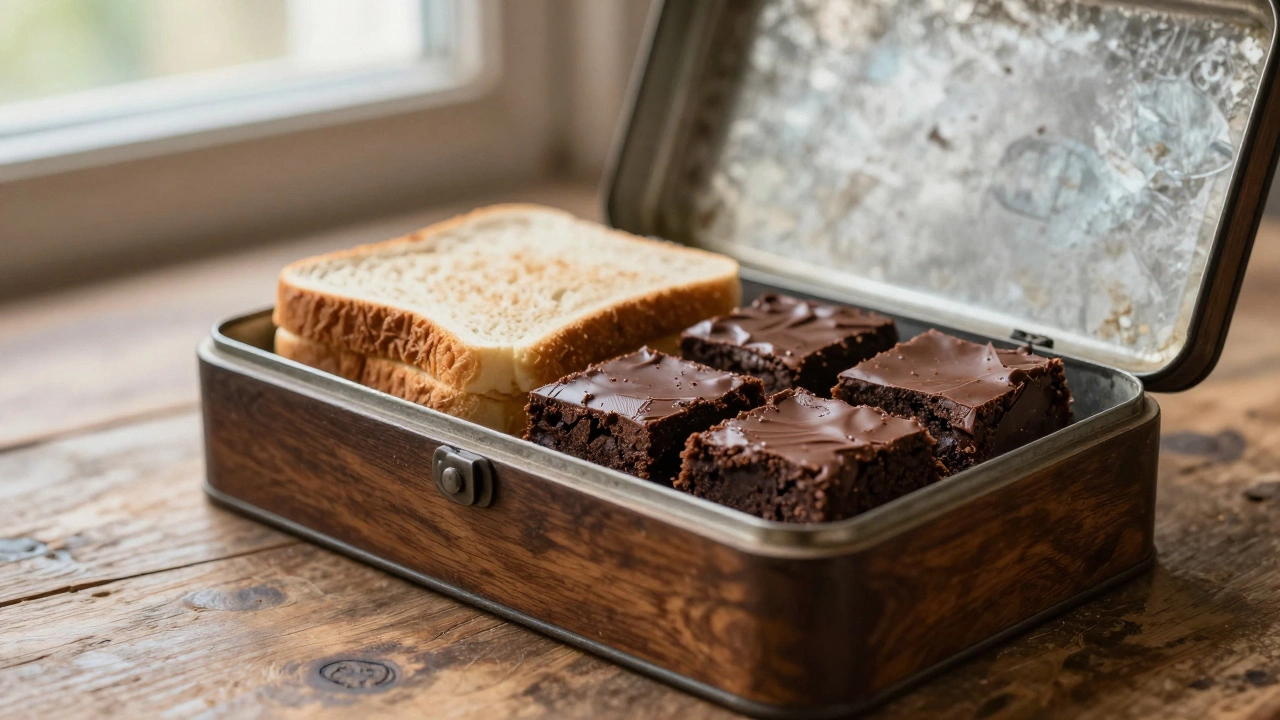
Ever wondered why we call that dense, fudgy square of chocolate a "brownie"? It sounds like something a child would name, and that's because the treat is far more modern than the ancient cakes we find in European history. Most people think it's just because they're brown, but the story is a mix of 19th-century American ingenuity and a few legendary kitchen accidents.
The Quick Rundown
- The Color: The most direct reason is their dark brown color from cocoa.
- The Culture: They emerged in the U.S. during the late 1800s as a portable alternative to cake.
- The Myth: While often attributed to a specific bakery, the "accidental" creation is likely a marketing tale.
The Birth of a Chocolate Icon
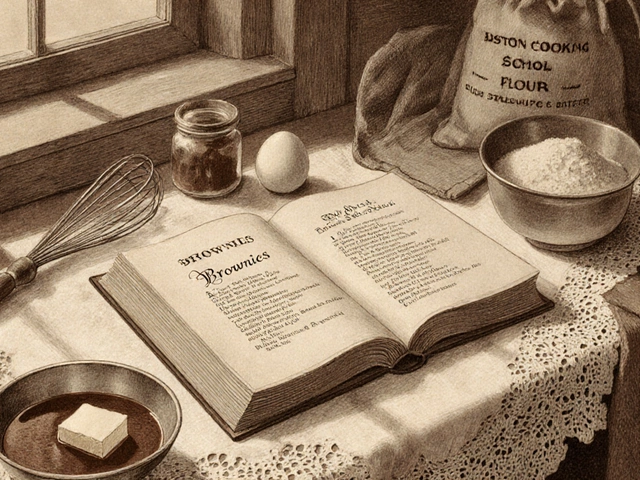
To understand the name, we have to look at the era. In the late 1800s, Brownies is a square chocolate baked treat that sits halfway between a cake and a cookie. Unlike the fluffy sponges common in Victorian England, these were dense and rich. They first appeared in the United States, which was going through a massive boom in chocolate production thanks to the invention of the cocoa press by Coenraad van Houten in 1846. This allowed chocolate to be processed into a powder, making it easier to mix into batters.
Back then, women often packed desserts for lunch boxes. A full slice of cake would crumble or dry out, but a denser, chocolatey bar stayed moist. Because these treats were uniformly dark and rich, the simple descriptive term "brownie" stuck. It wasn't a complex culinary name; it was a literal description of the snack's appearance.
The Palmer House Legend
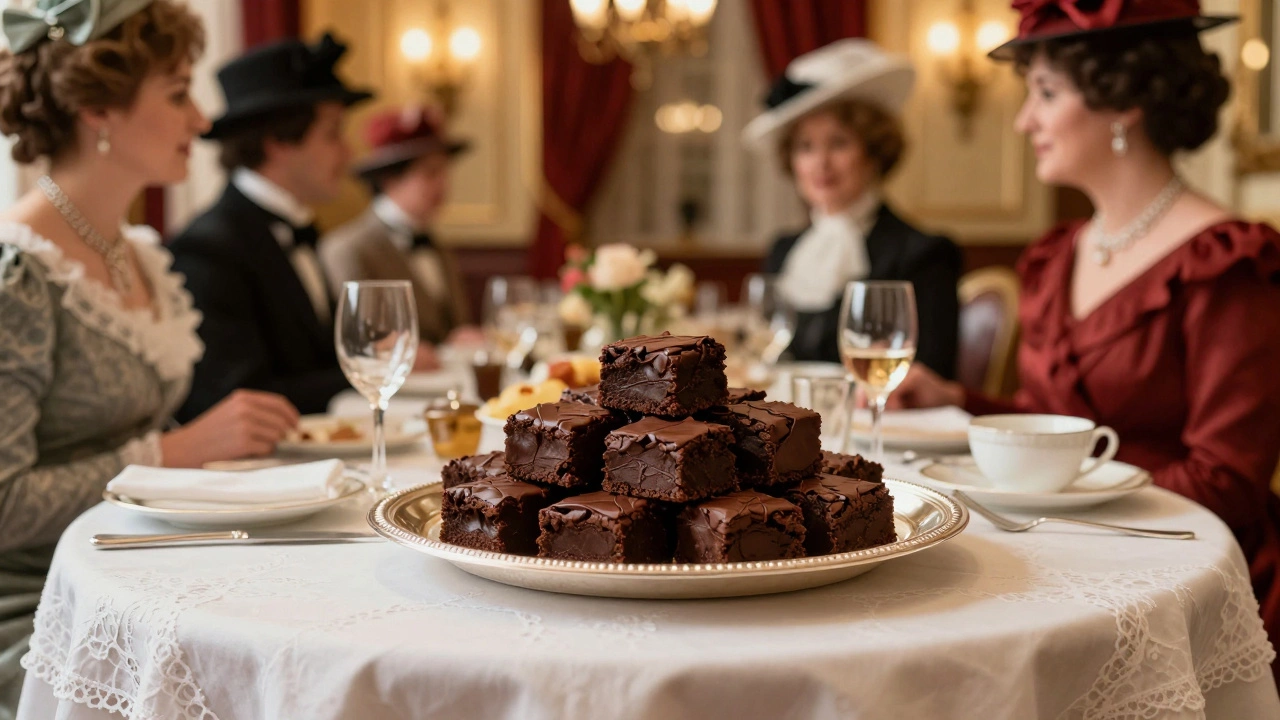
If you search for the origin, you'll almost always find the story of the Palmer House Hotel in Chicago. The legend says that in 1893, a chef created a dessert for ladies to have with their afternoon tea. They wanted something smaller than a slice of cake but richer than a cookie. The result was the legendary Palmer House brownie.
While this story is charming, historians suggest that brownies were likely evolving in many home kitchens across the Midwest simultaneously. It's more likely that the hotel simply perfected the recipe and gave it a fancy platform. The real "invention" was probably a variation of the Chocolate Cake, where the baker simply forgot to add enough flour or leavening agents like baking powder, resulting in that signature dense texture we love today.
Fudgy vs. Cakey: A Semantic Divide
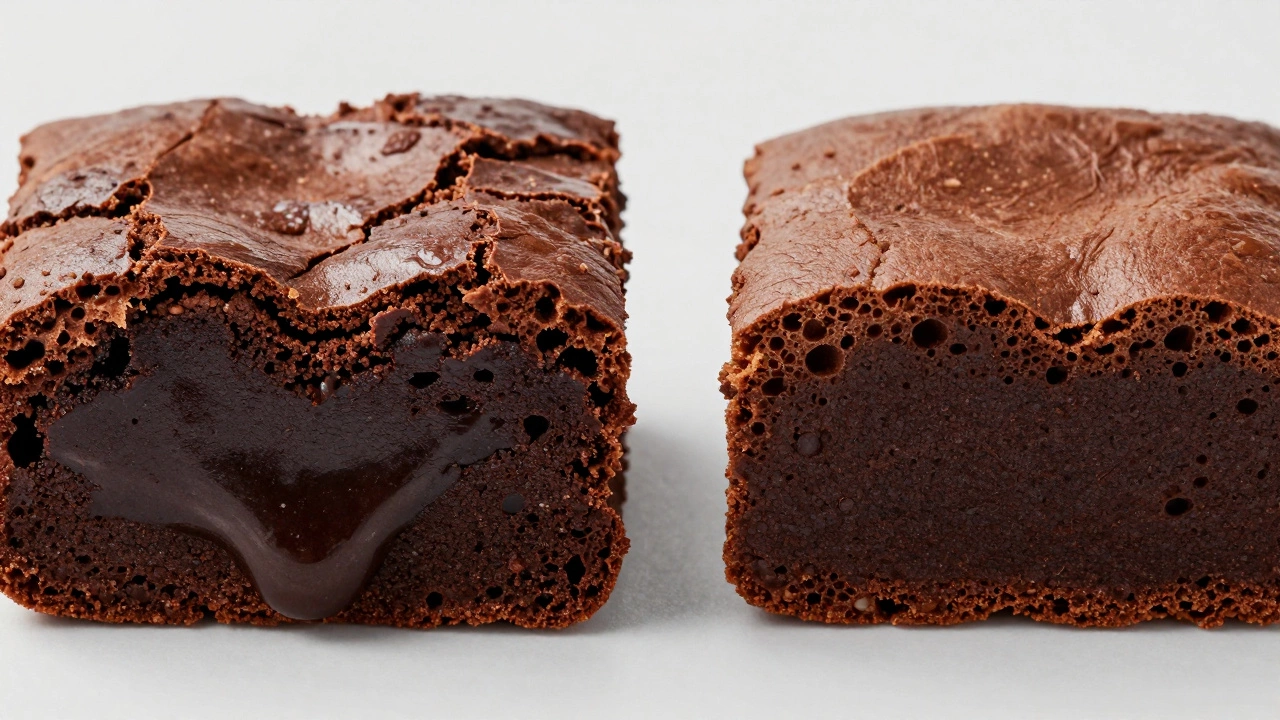
Once the name "brownie" became standard, the treat split into two distinct camps. This isn't just a matter of taste; it's a matter of chemistry. The difference comes down to the ratio of fat to flour and the use of Butter and Cocoa Powder.
| Attribute | Fudgy Brownies | Cakey Brownies |
|---|---|---|
| Flour Content | Low | High |
| Fat Ratio | High (more butter/chocolate) | Lower |
| Leavening | Little to none | Baking powder/soda used |
| Texture | Dense and gooey | Light and airy |
If you use melted chocolate instead of cocoa powder, you're leaning toward the fudgy side. If you whip the eggs and add a teaspoon of baking powder, you're moving toward the cakey side. Both are still called brownies, proving that the name describes the overall look and "vibe" of the treat rather than a strict technical recipe.
Why They Didn't Just Call Them 'Chocolate Bars'
You might ask, why not call them chocolate bars or chocolate squares? In the 1890s, Chocolate Bars as we know them (like Hershey's, which launched in 1900) weren't the dominant form of chocolate consumption. Most chocolate was consumed as a drink or in cakes. By calling them "brownies," bakers distinguished these baked goods from the raw confectionery and the airy cakes of the time.
There is also a cultural layer. The word "brownie" was already used in folklore to describe small, helpful spirits or house elves. While there is no documented evidence that bakers intentionally named the treat after mythical creatures, the word already carried a connotation of something small, sweet, and delightful, which fit the treat perfectly.
Common Mistakes in Brownie Lore
One common myth is that brownies are just "failed cakes." While a mistake might have led to the first version, the modern brownie is a deliberate construction. For instance, if you overbake a chocolate cake, it becomes dry. If you overbake a brownie, it becomes a Chocolate Cookie. The magic happens in the under-baking phase-the point where the center remains slightly molten.
Another misconception is that they started in Europe. While the ingredients-chocolate and sugar-were European imports, the brownies origin is firmly American. They were a response to the American need for portable, high-energy snacks for workers and travelers during the industrial expansion.
The Modern Evolution
Today, the definition of a brownie has expanded. We see Vegan Brownies using flax seeds or applesauce and Gluten-Free Brownies using almond flour. Despite these changes in ingredients, the name remains. Why? Because the "brownie" identity is tied to the experience: the deep chocolate flavor, the square cut, and the satisfying weight of the dessert.
We've also seen the rise of "brownie hybrids," such as the brookie (a brownie-cookie cross). These variations prove that the term "brownie" has become a culinary category of its own, rather than just a description of color.
Did brownies come before chocolate cake?
No, chocolate cake has been around much longer. However, the specific dense, handheld format of the brownie developed later in the U.S. as a more convenient way to eat chocolate desserts on the go.
Is the Palmer House story true?
It's a popular legend, but likely a simplified version of history. It's more probable that various bakers across the U.S. were experimenting with dense chocolate batters at the same time, and the hotel simply popularized a high-end version.
Why are they square?
They are baked in a rectangular pan and cut into squares because it's the most efficient way to portion a dense dessert. It also makes them easy to pack in lunchboxes, which was one of their primary original purposes.
What is the difference between a brownie and a fudge?
Brownies are baked and contain flour, making them a cake-like product. Fudge is a confectionery made by boiling sugar, butter, and milk/cream until it reaches a specific crystallization point; it is never baked.
Are brownies considered cookies?
Next Steps for Baking Lovers
If you're looking to experiment with your own batch, try the "double chocolate" method: use both cocoa powder for depth and melted chocolate chunks for texture. If you prefer a cake-like result, add a half-teaspoon of baking powder. For those who want a truly gourmet experience, a pinch of flaky sea salt on top cuts through the richness and makes the chocolate pop.
Popular Posts

Do Potatoes Have Gluten? Exploring Gluten-Free Bakes
Feb, 19 2025
Why Vinegar is Essential in Pavlova Recipes
Mar, 24 2025