
Gluten-Free Diet Health Audit
Check the boxes that apply to your current gluten-free lifestyle to see if you are falling into common traps.
Processed Foods & Additives
Fiber & Whole Grains
Nutrients & Gut Health
Recommended Fixes:
You switch to gluten-free cakes and ditch wheat bread, expecting your bloating to vanish. Instead, you feel sluggish, constipated, or even more inflamed. It’s frustrating, right? You’re doing everything "right" according to the latest trends, yet your body is sending distress signals. This paradox is actually quite common among people who recently adopted a gluten-free lifestyle.
The issue rarely lies with gluten itself. In most cases, it’s about what replaced the gluten in your diet, how your gut microbiome reacted to the sudden shift, or an underlying condition that needs attention beyond just removing wheat. Let’s unpack why this happens and how to fix it without giving up on your dietary goals.
The Fiber Deficit Trap
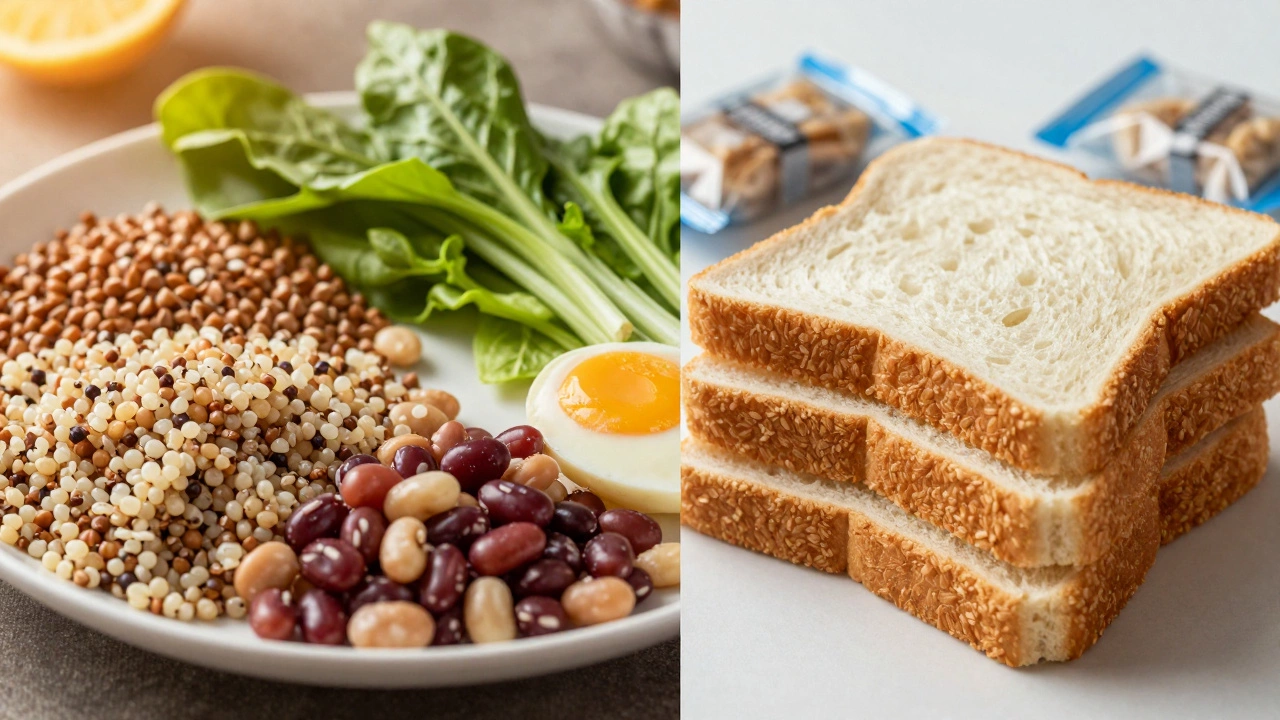
When you cut out gluten, you automatically remove some of the biggest sources of dietary fiber: whole wheat pasta, barley, rye bread, and standard cereals. Unless you consciously replace these with high-fiber alternatives like quinoa, oats (certified GF), legumes, and plenty of vegetables, your daily fiber intake can plummet. The average adult needs around 25-30 grams of fiber per day for optimal digestion. Many people on a strict gluten-free diet drop below 15 grams without realizing it.
Fiber acts as fuel for the good bacteria in your gut. Without it, those beneficial microbes starve, leading to reduced production of short-chain fatty acids like butyrate, which keep your intestinal lining healthy. The result? Constipation, irregular bowel movements, and a feeling of heaviness. If you’re relying heavily on rice-based products or corn starch, you’re missing out on the roughage that keeps things moving smoothly.
- Symptom: Constipation, hard stools, infrequent bathroom visits.
- Cause: Low fiber intake from eliminating whole grains.
- Fix: Add chia seeds, flaxseeds, lentils, and leafy greens to every meal.
Processed Gluten-Free Foods Are Not Health Halo Foods
This is the biggest misconception in the modern wellness world. Just because a package says "Gluten-Free" doesn’t mean it’s nutritious. In fact, many commercially available gluten-free baked goods are hyper-processed. To mimic the texture and elasticity of gluten, manufacturers often load these products with refined sugars, extra fats, and industrial binders like xanthan gum or guar gum.
Xanthan gum, while safe for most people in small amounts, can cause significant digestive distress when consumed in large quantities-which is easy to do if you’re eating multiple GF products daily. It’s a fermentable carbohydrate that draws water into the intestine, potentially causing gas, bloating, and diarrhea. If you’ve swapped a simple slice of whole-wheat toast for three slices of highly processed gluten-free white bread, you haven’t improved your diet; you’ve just changed the type of inflammation you might be experiencing.
| Attribute | Whole Wheat Bread | Processed GF White Bread |
|---|---|---|
| Fiber Content | High (3-4g per slice) | Low (0-1g per slice) |
| Added Sugar | Minimal | Often High (for browning/taste) |
| Additives | Standard preservatives | Xanthan/Guar Gum, Maltodextrin |
| Glycemic Impact | Moderate | High (spikes blood sugar faster) |
Nutrient Gaps: The Hidden Hunger
Wheat and other gluten-containing grains are often fortified with essential vitamins and minerals, including B vitamins (folate, thiamine, riboflavin) and iron. When you eliminate them without careful planning, you risk developing deficiencies. Iron deficiency alone can cause severe fatigue, brain fog, and pale skin. B-vitamin deficiencies can lead to nerve issues, mood swings, and low energy levels.
If you feel worse mentally or physically, check your nutrient status. A simple blood test can reveal if your ferritin (iron storage) or vitamin B12 levels have dropped. This isn’t about gluten toxicity; it’s about nutritional adequacy. Your brain runs on glucose and nutrients. If you’re restricting carbs too aggressively while cutting out fortified grains, your cognitive function may suffer.
Gut Microbiome Disruption
Your gut microbiome is incredibly sensitive to dietary changes. A sudden removal of complex carbohydrates found in wheat can alter the diversity of your gut bacteria. Some studies suggest that certain strains of bacteria thrive on resistant starches found in whole grains. When you remove their food source, these populations decline, potentially allowing less beneficial bacteria to take over.
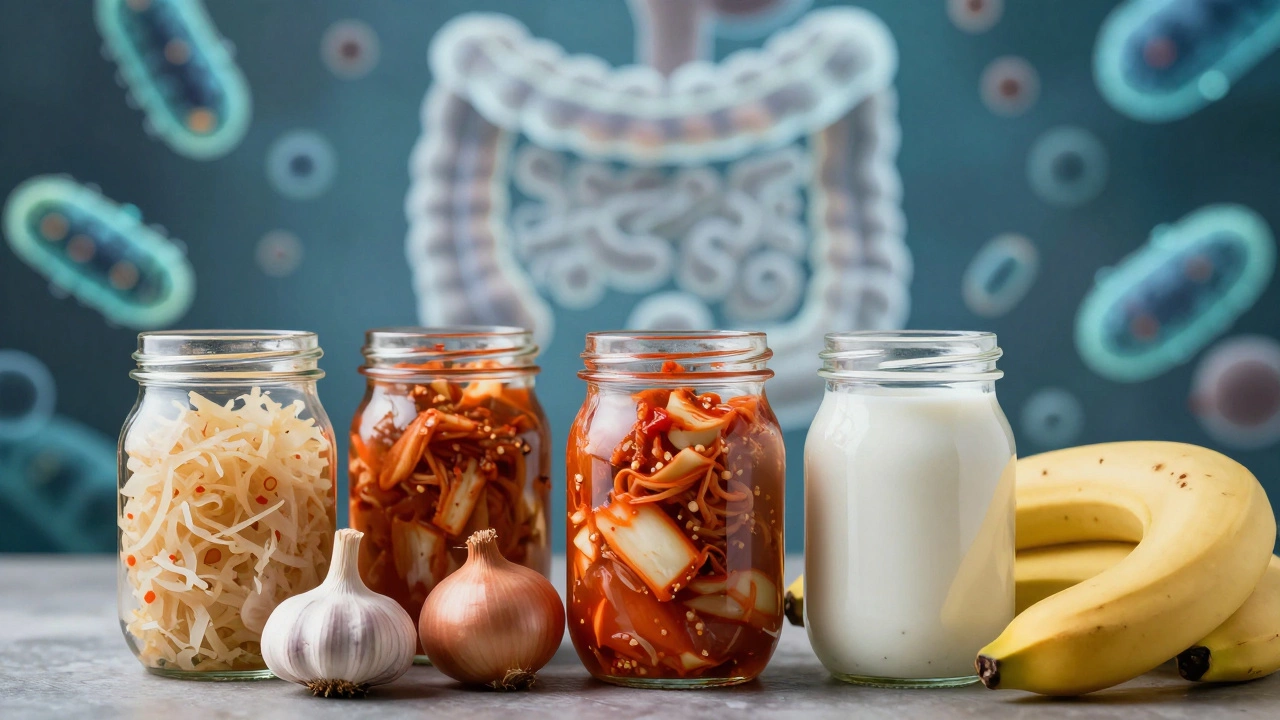
This shift can increase intestinal permeability, commonly known as "leaky gut," where toxins pass through the intestinal wall into the bloodstream, triggering systemic inflammation. Symptoms include joint pain, skin breakouts, and general malaise. Rebuilding microbial diversity takes time and requires prebiotic foods (like onions, garlic, and bananas) and probiotics (fermented foods like yogurt, kefir, and sauerkraut).
Underlying Conditions: Is It Really Gluten?
For the vast majority of people, feeling worse on a gluten-free diet suggests that gluten was not the primary culprit. Two conditions often get confused with gluten sensitivity: Small Intestinal Bacterial Overgrowth (SIBO) and FODMAP intolerance.
SIBO: This occurs when bacteria from the colon migrate up into the small intestine. These bacteria ferment food prematurely, causing massive bloating and gas. Interestingly, a low-FODMAP diet (which overlaps significantly with gluten-free) can sometimes help manage SIBO symptoms initially, but if the root cause isn’t treated with antibiotics or prokinetics, the relief is temporary. Sometimes, reintroducing certain fibers under medical guidance helps reset the bacterial balance.
FODMAPs: Fermentable Oligosaccharides, Disaccharides, Monosaccharides, And Polyols are short-chain carbs that are poorly absorbed in the small intestine. Wheat contains fructans, a type of FODMAP. However, so do onions, garlic, apples, and honey. If you’re avoiding gluten but still eating high-FODMAP foods, you’ll continue to feel bloated. Conversely, if you’re eating lots of gluten-free high-FODMAP foods (like mushrooms or cauliflower), you might feel worse than before.
How to Reset Your Gut and Feel Better
If you’re struggling, don’t panic. Your body is adaptable. Here is a practical roadmap to stabilize your digestion and energy levels while staying true to your dietary preferences.
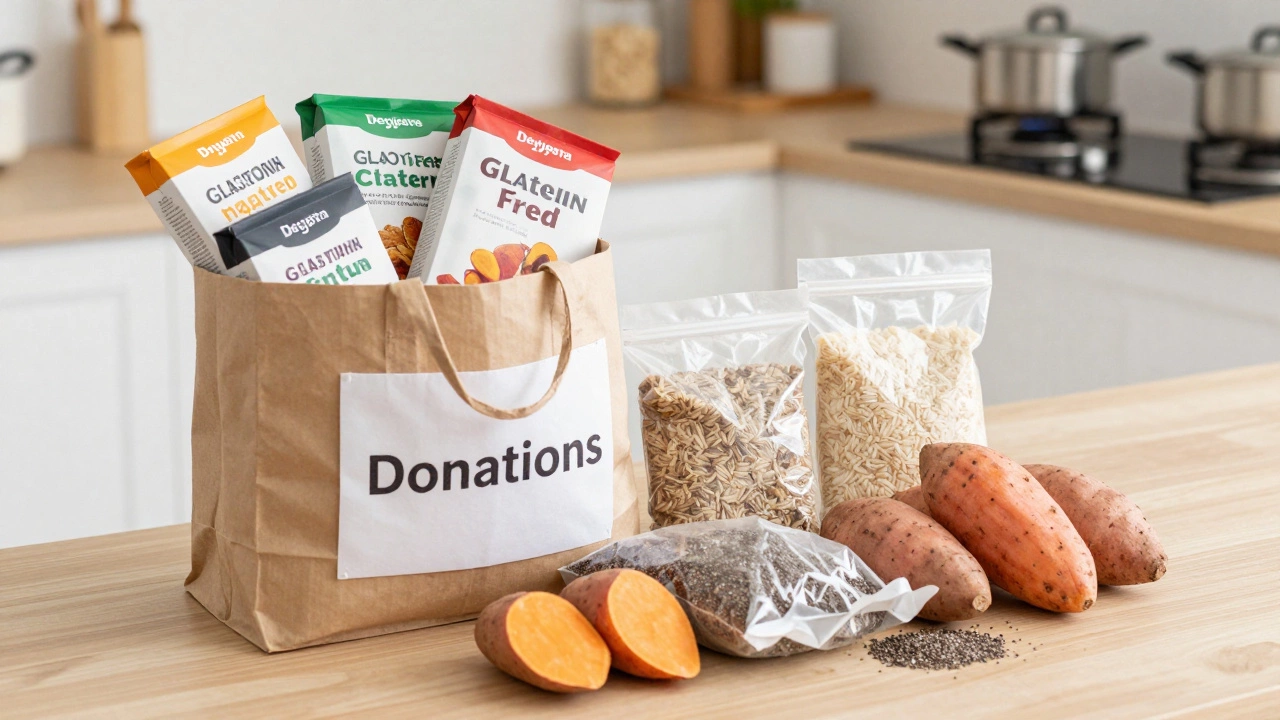
- Audit Your Pantry: Throw away or donate highly processed gluten-free snacks. Replace them with whole, single-ingredient foods like potatoes, sweet potatoes, rice, quinoa, and buckwheat.
- Boost Fiber Gradually: Don’t go from 10g to 30g overnight, or you’ll get more gas. Increase fiber by 5g per week. Use psyllium husk powder if needed to bridge the gap.
- Supplement Wisely: Consider a high-quality multivitamin specifically formulated for gluten-free diets, focusing on iron, folate, and B12. Consult your doctor before starting new supplements.
- Introduce Probiotics: Eat fermented foods daily. Kefir, kimchi, and miso provide live cultures that help repopulate your gut with beneficial bacteria.
- Track Symptoms: Keep a food diary for two weeks. Note what you eat and how you feel 2-4 hours later. Look for patterns unrelated to gluten, such as dairy, eggs, or specific fruits.
Conclusion: Listen to Your Body, Not Just the Label
Feeling worse on a gluten-free diet is a signal, not a failure. It tells you that your current approach is unbalanced. Whether it’s a lack of fiber, an overload of additives, or a hidden nutrient deficiency, the solution lies in refinement, not restriction. Focus on whole foods, prioritize gut health, and consider professional testing if symptoms persist. You can enjoy delicious gluten-free cakes and meals without sacrificing your well-being, but it starts with understanding what’s truly inside your plate.
Can gluten-free food make you gain weight?
Yes, it can. Many gluten-free packaged foods are higher in calories, fat, and sugar to compensate for the lack of gluten's binding properties. Additionally, lower fiber content can lead to less satiety, causing you to eat more. Choosing whole-food based gluten-free options helps prevent this.
Why do I feel bloated after eating gluten-free bread?
Gluten-free bread often contains high amounts of xanthan gum or guar gum to create texture. These gums are fermentable fibers that can cause gas and bloating in sensitive individuals. Also, if the bread is made primarily from rice or potato starch, it lacks the fiber needed for proper digestion, leading to sluggishness.
Is it normal to feel tired on a gluten-free diet?
Fatigue is a common complaint, often linked to nutrient deficiencies like iron, B12, or folate, which are abundant in fortified wheat products. It can also stem from low fiber intake affecting gut health or unstable blood sugar levels due to high-glycemic gluten-free substitutes.
Should I stop eating gluten-free if I feel worse?
Not necessarily. First, try improving the quality of your gluten-free diet by adding more whole foods and reducing processed items. If symptoms persist, consult a healthcare provider to rule out celiac disease, non-celiac gluten sensitivity, or other gastrointestinal issues like SIBO.
What are the best gluten-free grains for gut health?
Quinoa, buckwheat, amaranth, and certified gluten-free oats are excellent choices. They are naturally gluten-free, rich in fiber, and contain essential amino acids and minerals that support overall digestive health and energy levels.
Popular Posts

Toffee vs. Fudge: What's the Real Difference?
Mar, 9 2025

Best Birthday Cake Types: Flavors, Tips & Top Picks
Oct, 21 2025


How to Make Brownies That Aren't Dry or Hard
Mar, 12 2026