Vegan Chocolate Checker
Check if your chocolate contains hidden animal ingredients. Most chocolate contains dairy, but not all dark chocolate is vegan. Enter the ingredients list and we'll tell you if it's vegan or contains hidden non-vegan ingredients.
Most people assume chocolate is naturally vegan. After all, it comes from cocoa beans, right? But if you’re trying to eat plant-based, you might be shocked to find that most chocolate you buy isn’t vegan at all. The problem isn’t the cocoa-it’s what gets added to it. Even dark chocolate labeled as "70% cocoa" can contain milk, butterfat, or other animal-derived ingredients. And if you’re reaching for a bar because you think it’s "better for you," you could be eating more dairy than you realize.
Where Does the Dairy Hide?
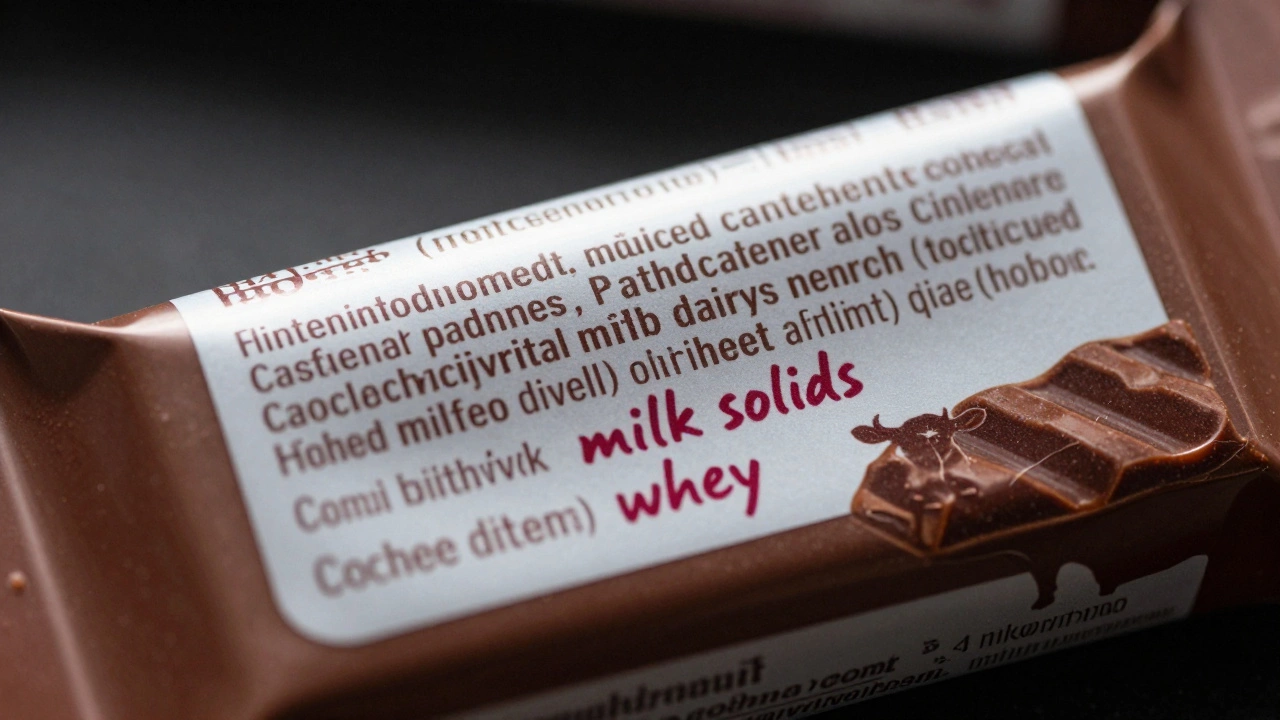
The biggest offender is milk powder. It’s added to chocolate to make it smoother, creamier, and more appealing to mainstream tastes. You won’t always see "milk" listed right on the front. Sometimes it’s buried in the ingredients as "milk solids," "whey," or "lactose." Even if a bar says "dairy-free" on the package, it might still be made on equipment that also processes milk-cross-contamination is common in factories that churn out both vegan and non-vegan chocolate.
Take a typical supermarket milk chocolate bar. Its ingredients usually include sugar, cocoa butter, whole milk powder, soy lecithin, and vanilla. That milk powder? It comes from cows. Even if you’re not allergic, it’s still an animal product-and that’s what makes it non-vegan. Some brands even add butterfat to improve texture. That’s not just milk-it’s concentrated dairy fat.
Dark Chocolate Isn’t Automatically Vegan
Many think dark chocolate is the safe choice. But here’s the catch: in the UK and US, manufacturers aren’t required to list potential milk traces unless they’re intentional ingredients. So a bar labeled "85% dark chocolate" might still contain milk as a processing aid. A 2023 study by the Vegan Society found that nearly 40% of dark chocolate bars sold in British supermarkets contained undeclared milk. That’s not a typo-40%.
Even some artisanal brands add dairy. Why? Because it’s cheaper than using plant-based emulsifiers, and it extends shelf life. If a chocolate bar tastes unusually creamy without any obvious plant-based ingredients, there’s a good chance it has milk fat in it.
What About White Chocolate?
White chocolate doesn’t even contain cocoa solids-it’s made from cocoa butter, sugar, and milk. That’s why it’s the least likely to be vegan. In fact, by law in the UK and EU, white chocolate must contain at least 20% cocoa butter and 14% milk solids. So unless it’s specifically labeled as vegan white chocolate (which is rare), it’s not plant-based.
How to Spot Real Vegan Chocolate
If you want chocolate that’s truly vegan, look for three things:
- Ingredients list: Only cocoa mass, cocoa butter, sugar, and maybe vanilla or soy lecithin. If you see milk, whey, lactose, ghee, or casein-skip it.
- Vegan certification: Look for the Vegan Society trademark or Certified Vegan logo. These mean the product was tested and produced without cross-contamination.
- Brand reputation: Companies like Green & Black’s (their dark 70% and 85% bars), Divine, Montezuma’s, and Loving Earth are transparent about their ingredients and often make their chocolate in dedicated vegan facilities.
Some brands even use sunflower lecithin instead of soy to avoid allergens. That’s a good sign they’re thinking about dietary restrictions beyond just veganism.
Why Do So Many Brands Add Dairy?
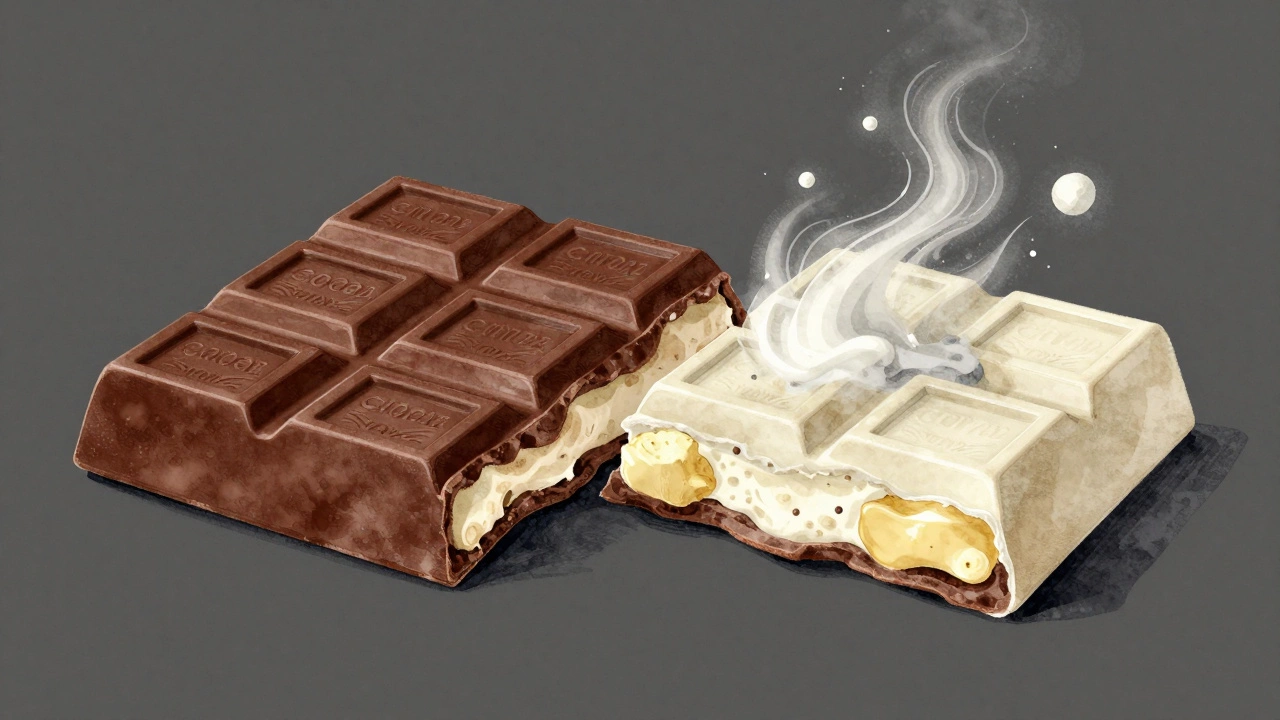
It’s about cost and convenience. Milk powder is cheap. It gives chocolate a smooth mouthfeel that consumers expect. Making chocolate without dairy requires more expensive plant-based alternatives like oat milk powder or coconut oil, which can affect texture and flavor. Most big manufacturers stick with what sells-and that’s milk chocolate.
Also, many people don’t ask. If customers don’t demand vegan options, companies won’t change. But that’s shifting. In the UK, sales of vegan chocolate grew by 17% between 2022 and 2024. More people are reading labels, and brands are responding.
What Can You Use Instead?
You don’t have to give up chocolate to be vegan. There are plenty of delicious alternatives:
- Dark chocolate with 70%+ cocoa: Check the label. Many are dairy-free.
- Plant-based chocolate bars: Brands like Vego, Hummingbird, and Booja-Booja make rich, creamy chocolate using almond, oat, or coconut milk.
- Homemade chocolate: Melt cocoa butter, mix in cocoa powder, coconut sugar, and a pinch of salt. Add vanilla or dried fruit. It’s simple, and you control every ingredient.
Some people even make chocolate from scratch using cacao nibs, blending them with dates and coconut oil. It’s not the same as a store-bought bar, but it’s pure, unprocessed, and completely vegan.
Is Vegan Chocolate Healthier?
Not necessarily. Just because something is vegan doesn’t mean it’s healthy. Some vegan chocolates are loaded with coconut oil, sugar, and additives to mimic the texture of dairy. The healthiest option is still dark chocolate with minimal ingredients-no added sugar, no dairy, no artificial flavors.
Look for bars with 70% cocoa or higher and less than 10g of sugar per serving. That’s the sweet spot for flavor and nutrition.
What About Chocolate Chips?
Most chocolate chips in grocery stores contain milk. Even "semi-sweet" chips often have dairy. If you’re baking vegan cookies or brownies, you’ll need to buy specifically labeled vegan chocolate chips. Brands like Enjoy Life and Pascha make chips that melt well and hold their shape. They’re more expensive, but they’re the only safe bet for baking.
Some people chop up a vegan chocolate bar instead of using chips. It works fine, though the pieces might melt unevenly.
Can You Trust "May Contain Milk" Labels?
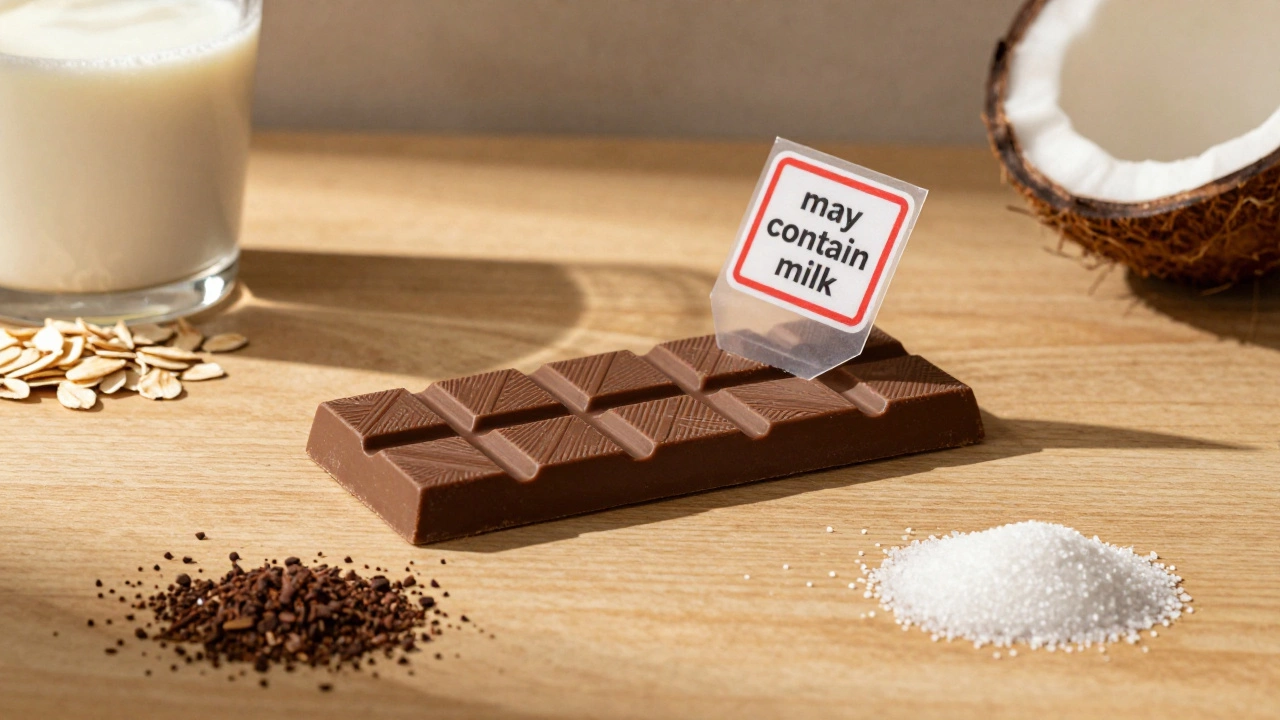
It depends. If you’re vegan for ethical reasons, even trace amounts of milk might be a dealbreaker. If you’re vegan for health reasons (like lactose intolerance), you might be fine with cross-contamination. But if you’re avoiding all animal products, treat "may contain milk" the same as "contains milk." The only way to be 100% sure is to choose certified vegan chocolate.
Companies that produce vegan products in dedicated facilities will say so on the label. If they don’t, assume it’s not safe.
Why This Matters for Vegan Desserts
If you’re making vegan desserts-brownies, cakes, truffles, or mousses-using non-vegan chocolate ruins the whole thing. Even a small amount of dairy can make your dessert unsuitable for vegans. That’s why it’s so important to check every ingredient, even the ones you assume are safe.
Many vegan dessert recipes call for chocolate without specifying it needs to be vegan. That’s where people get tripped up. Always double-check your chocolate before you start baking.
Final Tip: Taste Test
Some vegan chocolates taste bitter or waxy because they lack dairy fat. But that’s changing. Newer brands use cashew cream, oat milk, or rice syrup to create a creamy texture without animals. Try a few. You might be surprised how good they taste.
Don’t settle for the first vegan chocolate you try. Like wine or coffee, chocolate has flavor profiles. Some are fruity, some earthy, some nutty. Find what you like-and stick with brands that align with your values.
Is all dark chocolate vegan?
No. Many dark chocolates contain milk powder or butterfat, even if they’re labeled as 70% or 85% cocoa. Always check the ingredients list for milk solids, whey, or lactose. Certified vegan dark chocolate is the safest option.
Can I eat chocolate if I’m lactose intolerant?
If you’re lactose intolerant, you might tolerate small amounts of milk in chocolate, but it’s risky. Even trace dairy can cause symptoms. For safety, choose chocolate labeled vegan and made in a dedicated facility. Avoid anything that says "may contain milk."
Is cocoa butter vegan?
Yes. Cocoa butter is the fat extracted from cocoa beans. It’s 100% plant-based and commonly used in vegan chocolate. The problem isn’t cocoa butter-it’s the dairy added to it.
Are there vegan white chocolate options?
Yes, but they’re rare. Brands like Vego and Loving Earth make white chocolate using oat milk or coconut milk instead of dairy. They’re not as creamy as traditional white chocolate, but they’re the only true vegan option.
Why does vegan chocolate cost more?
Vegan chocolate often costs more because it uses higher-quality, plant-based ingredients and is made in smaller batches. Many brands avoid cross-contamination by using dedicated equipment, which increases production costs. But prices are dropping as demand grows.
If you’re new to vegan chocolate, start with a small bar from a trusted brand. Taste it plain. Then try it with fruit, nuts, or in a dessert. You might find you like it more than the dairy version.
Popular Posts

Preventing Hard Brownie Edges: Tasty Secrets
Mar, 1 2025