
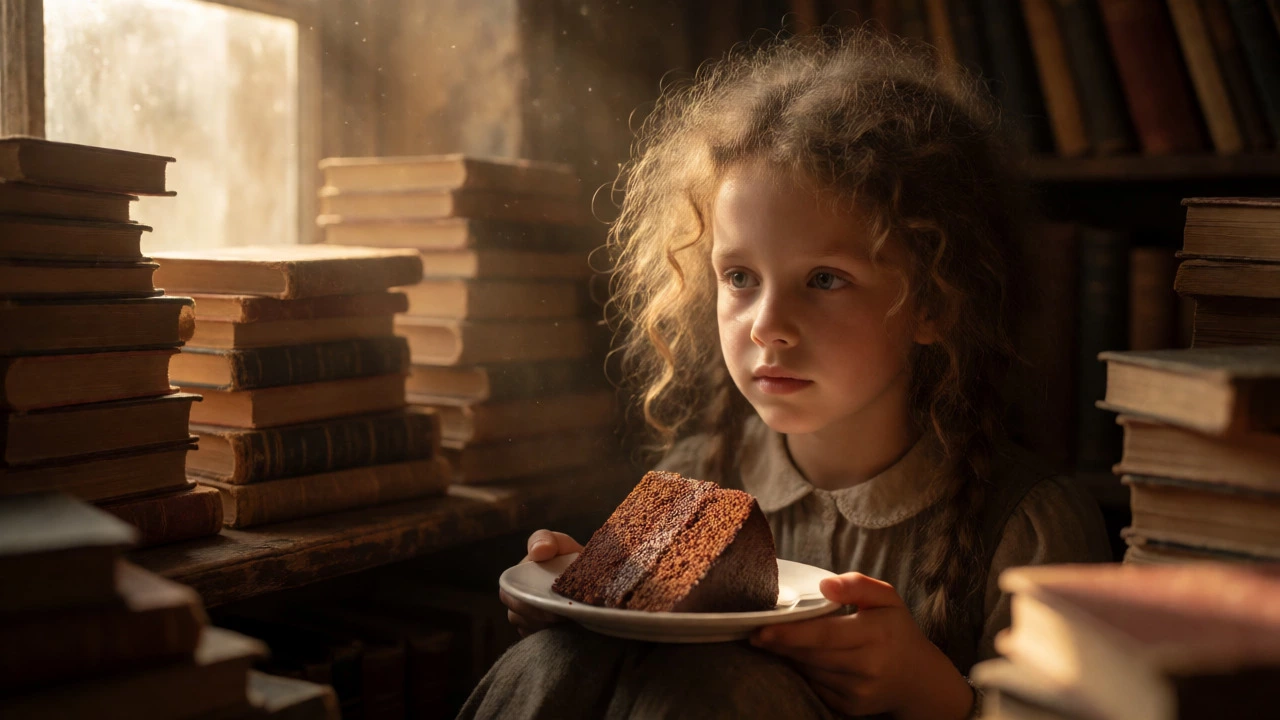
Matilda Cake Myth-Buster & Quiz
Think you know the story behind the famous "Matilda Cake"? Test your knowledge with our interactive myth-buster and quick quiz.
Debunking Common Myths
Click on each statement to reveal the truth based on historical facts and literary analysis.
Test Your Knowledge
Question 1 of 3Loading question...
You’re standing in your kitchen, whisking eggs into a bowl of sugar, when the question hits you: why on earth is this specific chocolate sponge called Matilda cake? It’s not named after a queen, a saint, or some obscure French pastry chef. It’s named after a little girl from a children’s book who was beaten by her father and loved books more than people. If you’ve ever baked one-or even just seen it on Pinterest-you might have assumed it was a random name attached to a trendy recipe. But there’s actually a solid, if slightly weird, reason behind the label.
The answer isn’t about the taste. It’s about literature, copyright law, and a very specific scene in Roald Dahl’s Charlie and the Chocolate Factory. In this article, we’ll untangle the story of how a fictional character became a real-world dessert staple, debunk the myths that circulate online, and explain why bakers love this cake beyond its literary connection. By the end, you’ll know exactly what makes a Matilda cake different from a standard Victoria sponge, and why the name stuck despite having no official recipe backing it up.
The Literary Origin: Who Was Matilda?
To understand the name, you have to look at the source material. Roald Dahl wrote a novel published in 1964 featuring a genius child named Matilda Wormwood. Matilda is abused by her parents, who hate reading and value TV over intelligence. She finds solace in books and develops telekinetic powers to fight back against injustice.
But here’s the twist: Matilda doesn’t bake cakes in the book. She eats them. Specifically, she enjoys simple pleasures while her family ignores her. However, the direct link between the book and the cake isn’t as straightforward as "Matilda liked cake, so we named it after her." The connection is more cultural than literal. When Danny DeVito directed the film adaptation in 1996, the aesthetic of the movie-quirky, darkly humorous, and nostalgic-spilled over into pop culture. Bakers started naming their rich, dense chocolate sponges "Matilda" because they evoked the same cozy, slightly melancholic comfort food vibe associated with the character’s quiet resilience.
It’s worth noting that Roald Dahl himself never trademarked "Matilda Cake." There is no official "Dahl Bakery" selling them. This means the name is entirely community-driven. It’s an example of how internet culture can rename traditional foods based on emotional associations rather than historical accuracy.
Is There Actually a Recipe for Matilda Cake?
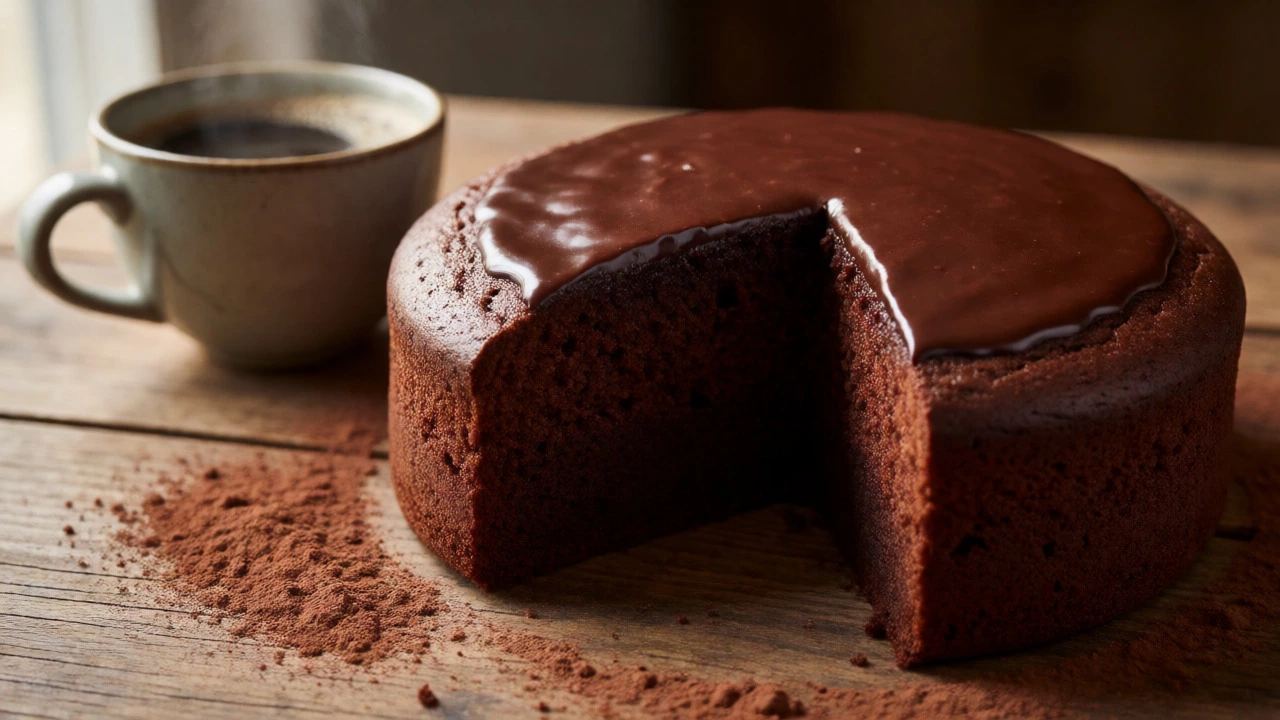
This is where things get messy. If you search for "Matilda cake," you won’t find one standardized recipe like you would for a Sacher Torte or a Black Forest Gateau. Instead, you’ll find three distinct variations, all claiming the title. Why? Because "Matilda" has become a brand umbrella for any moist, chocolate-heavy sponge that feels indulgent but homey.
- The Classic Chocolate Sponge: A basic cocoa-based sponge cake, often layered with buttercream or ganache. This is the most common version found in UK bakeries.
- The Vegan Variant: Many modern recipes labeled "Matilda" are accidentally vegan-friendly, using oil instead of butter and flax eggs instead of chicken eggs. This aligns with the character’s independent, self-sufficient nature.
- The Fruit-Infused Version: Some bakers add cherries or raspberries, playing off the idea of "forbidden fruit" or the colorful chaos of the factory scenes.
The lack of a single definition is frustrating for purists but liberating for home bakers. You don’t need to follow strict rules. If your chocolate cake is dense, moist, and served with a side of nostalgia, it qualifies. The name describes the experience of eating it, not the chemical composition of the batter.
Why Not Just Call It Chocolate Cake?
Good question. We have enough names for chocolate desserts already. So why do we keep reaching for "Matilda"? It comes down to marketing and emotion. "Chocolate cake" is generic. It’s safe. It’s boring. "Matilda cake" tells a story. It suggests something personal, something crafted with care, perhaps for someone who understands the power of words (or books).
In the UK, where I live in Brighton, local cafes use the name to differentiate their products. A "Matilda slice" sounds more intriguing than a "chocolate brownie." It attracts customers who grew up with the book or the movie. It taps into nostalgia. For many adults, the name triggers memories of childhood libraries, rainy afternoons, and the feeling of being small in a big world. That emotional resonance sells cakes better than any adjective could.
Also, let’s be honest: Roald Dahl’s brand is powerful. His estate manages his legacy carefully, but culinary uses often fall under fair use or general descriptive terms. Using "Matilda" leverages that brand recognition without infringing on copyrights, as long as you aren’t selling "Official Roald Dahl Matilda Cakes" with a logo.
Comparing Matilda Cake to Other Famous Literary Desserts
Matilda isn’t the only cake named after a fictional character. Let’s see how it stacks up against other famous examples to understand where it fits in the culinary canon.
| Cake Name | Source Material | Key Characteristics | Origin of Name |
|---|---|---|---|
| Matilda Cake | Charlie and the Chocolate Factory (1964) | Dense chocolate sponge, often moist, minimal frosting | Emotional association with the protagonist's resilience |
| Proust Madeleine | In Search of Lost Time (1913) | Small shell-shaped sponge cake, lemon zest | Famous literary passage triggering involuntary memory |
| Hobbit Pudding | The Lord of the Rings (1954) | Sweet pudding, often with dried fruits | Described in text; reflects Hobbits' love of second breakfasts |
| Narnia Lemon Drizzle | The Chronicles of Narnia (1950) | Light sponge with heavy lemon syrup glaze | Associated with the White Witch's enchanted feast |
Notice the pattern? Most literary cakes are tied to a specific scene or sensory detail in the text. Matilda is the outlier. There’s no scene where Matilda bakes a cake. Her connection is thematic. She represents the underdog who finds joy in simple things. That abstract link is enough for the internet to create a category.
How to Bake a True-to-Spirit Matilda Cake
If you want to make a cake that earns the name, focus on texture and simplicity. Forget elaborate piping or gold leaf. Matilda’s life was stripped of luxury, so her cake should feel humble yet satisfying.
- Use Oil, Not Butter: Vegetable oil keeps the crumb tender for days. Butter tastes great but dries out faster. Oil mimics the "long-lasting" endurance of the character.
- Add Coffee: Brew a strong cup of espresso and mix it into your dry cocoa powder. This deepens the chocolate flavor without making it taste like coffee. It adds complexity, much like Matilda’s hidden intellect.
- Keep Frosting Simple: A thin layer of chocolate ganache or vanilla bean buttercream is perfect. Avoid sugary fondant. The goal is comfort, not decoration.
- Serve Warm: Like the library in the book, warmth is inviting. Serve slices warm with a dollop of cream.
Here’s a quick ratio for a foolproof batter: * 2 cups flour * 2 cups sugar * ¾ cup cocoa powder * 2 teaspoons baking soda * 1 teaspoon salt * 2 eggs * 1 cup buttermilk * ½ cup vegetable oil * 2 cups boiling water/coffee
Mix dry ingredients. Whisk wet ones separately. Combine. Add boiling liquid last (it will look thin-that’s correct). Bake at 350°F (175°C) for 30-35 minutes. Let it cool completely before frosting.
Common Myths About the Name
Let’s clear up some confusion circulating on social media.
Myth 1: Matilda ate this exact cake in the movie. False. In the 1971 film Willy Wonka & the Chocolate Factory, and the 2005 remake Charlie and the Chocolate Factory, there is no scene featuring a cake labeled "Matilda." The character Matilda appears in the 1996 film Matilda, but she’s mostly seen reading or using her powers. No cake.
Myth 2: It’s named after Queen Matilda. There were several Queens named Matilda in English history, but none had a signature dessert that survived into modern times. The spelling difference (Matilda vs. Maud/Matilde) also separates them from the pop-culture reference.
Myth 3: It’s a regional British tradition. While popular in the UK, especially in independent cafes, it’s not a protected geographical indication. You can buy "Matilda cakes" in New York, Sydney, and Toronto. It’s a global internet phenomenon, not a heritage recipe.
Why This Name Matters for Bakers Today
For professional bakers, naming matters. "Matilda cake" signals a specific niche: literary, nostalgic, slightly intellectual, and comforting. It appeals to millennials and Gen Z who grew up with these stories. It’s a way to connect food with identity.
If you’re running a cafe, putting "Matilda Slice" on the menu invites conversation. Customers ask, "Which Matilda?" And then you tell them the story. That engagement drives sales. It turns a transaction into an interaction. Plus, it allows you to rotate flavors. One month it’s chocolate, next month it’s raspberry-chocolate. The name stays constant; the recipe evolves.
For home bakers, it’s a fun prompt. Next time you bake a chocolate cake, call it Matilda. Tell your guests why. Watch them smile. Food is memory, and sometimes, the best ingredient is a good story.
Did Roald Dahl invent Matilda cake?
No, Roald Dahl did not invent or mention a "Matilda cake" in his books. The name emerged decades later through fan culture and internet baking communities associating the character’s traits with a specific type of comforting chocolate sponge.
Is Matilda cake gluten-free?
Not inherently. Traditional recipes use wheat flour. However, because the term "Matilda cake" refers to a style rather than a fixed recipe, many bakers offer gluten-free versions using almond flour or GF blends. Always check the specific bakery’s allergen info.
What does Matilda cake taste like?
It typically tastes like a rich, moist chocolate sponge. Unlike airy genoise sponges, it is denser and fudgier. The flavor profile is deep cocoa, often enhanced with coffee or vanilla, with a soft crumb structure.
Can I make Matilda cake vegan?
Yes, easily. Since many "Matilda" recipes rely on oil and boiling water, swapping eggs for flax eggs or applesauce and using plant-based milk makes it naturally vegan-friendly without altering the texture significantly.
Why is it called Matilda if she didn't bake?
The name is metaphorical. It connects the cake to the character’s themes of resilience, simplicity, and finding joy in small comforts. It’s a branding choice driven by nostalgia and emotional association rather than literal plot points.
Popular Posts
How Long Do Brownies Last? Shelf Life & Storage Tips
Oct, 19 2025
Best Butter for Cheesecake: What You Need to Know
Jun, 12 2025

Why is Sugar Not Vegan?
Feb, 27 2025