Gluten-Free Chickpea Baking Assistant
Enter details about your chickpea product to assess its gluten-free safety level.
Compare the nutritional profile of chickpea flour versus traditional wheat flour per 100g.
Key Takeaways
- Chickpea flour contains 2.2x more protein than wheat flour
- Fiber content is 6.3x higher, supporting digestive health
- 7.6x more iron, crucial for those with malabsorption issues
- Half the glycemic index, preventing blood sugar spikes
Adjust your recipe when substituting chickpea flour for wheat flour.
Picture this: you are standing in your kitchen, ready to whip up a batch of those viral red velvet chickpea brownies or a dense, moist carrot cake. You grab the can of garbanzo beans, but then it hits you. Is it actually safe? If you have celiac disease or a severe gluten sensitivity, that question isn't just about preference-it is about health. The short answer is yes, chickpeas are naturally gluten-free. However, the reality of buying and cooking with them involves a few traps that could ruin your day (and your gut health).
Chickpeas, also known as garbanzo beans, belong to the legume family. Unlike wheat, barley, rye, and triticale, they do not contain the proteins gliadin and glutenin that form gluten. This makes them a powerhouse ingredient for anyone following a gluten-free lifestyle, especially when we talk about baking. They add protein, fiber, and a unique texture that mimics the moisture of eggs or butter in many recipes.
The Natural State: Pure Chickpeas Are Safe
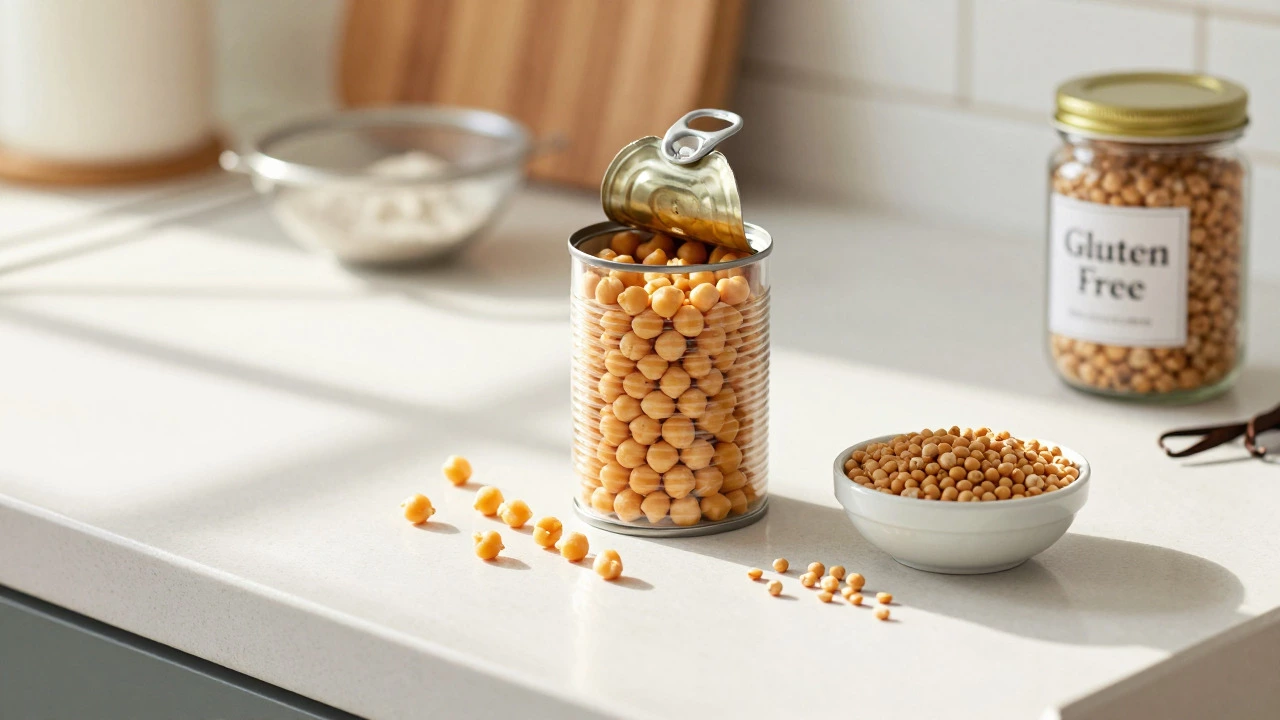
At their most basic level, raw, dried chickpeas are completely free of gluten. When you buy a bag of dry chickpeas from the bulk bin or a sealed package at the supermarket, you are dealing with a single-ingredient product. There is no hidden gluten here. This applies to canned chickpeas as well, provided they contain only chickpeas, water, and salt. Always check the label for additives like flavorings or preservatives that might introduce wheat-based ingredients, though this is rare in plain canned varieties.
For those new to gluten-free baking, chickpeas offer a versatile canvas. You can blend them into a batter for cakes, grind them into flour for breads, or roast them for crunchy toppings. The nutritional profile is impressive too. One cup of cooked chickpeas provides about 15 grams of protein and 12 grams of fiber. This helps stabilize blood sugar levels, which is often a concern for people managing autoimmune conditions alongside dietary restrictions.
Are raw chickpeas gluten-free?
Yes, raw, dried chickpeas are naturally gluten-free. They contain no gluten proteins unless contaminated during processing or packaging.
The Hidden Danger: Cross-Contamination
Here is where things get tricky. While the bean itself is safe, the environment it travels through might not be. Cross-contamination happens when gluten-free foods come into contact with gluten-containing grains. This can occur at several stages:
- Farming: Some farmers rotate crops. If wheat was grown on the same land the season before, trace amounts of gluten might remain in the soil or equipment.
- Processing: Many facilities process both wheat and legumes. If the machinery isn't thoroughly cleaned between batches, dust from wheat can settle on the chickpeas.
- Packaging: Shared packaging lines can lead to accidental mixing of ingredients.
If you have celiac disease, even tiny amounts of gluten-less than 20 parts per million (ppm)-can trigger an immune response. For non-celiac gluten sensitivity, the threshold might be higher, but caution is still wise. Look for products labeled "Certified Gluten-Free." These have been tested and verified to meet strict safety standards. In the UK and EU, any product labeled "gluten-free" must already contain less than 20 ppm of gluten by law, so the label alone is a strong indicator of safety.
Chickpea Flour: A Baker’s Best Friend
When it comes to making gluten-free cakes, baked goods made without wheat, barley, or rye, chickpea flour is a game-changer. It has a nutty, earthy flavor that pairs beautifully with spices like cinnamon, cardamom, and chocolate. Unlike rice flour, which can be gritty, or almond flour, which is high in fat, chickpea flour offers a balanced texture and high protein content.
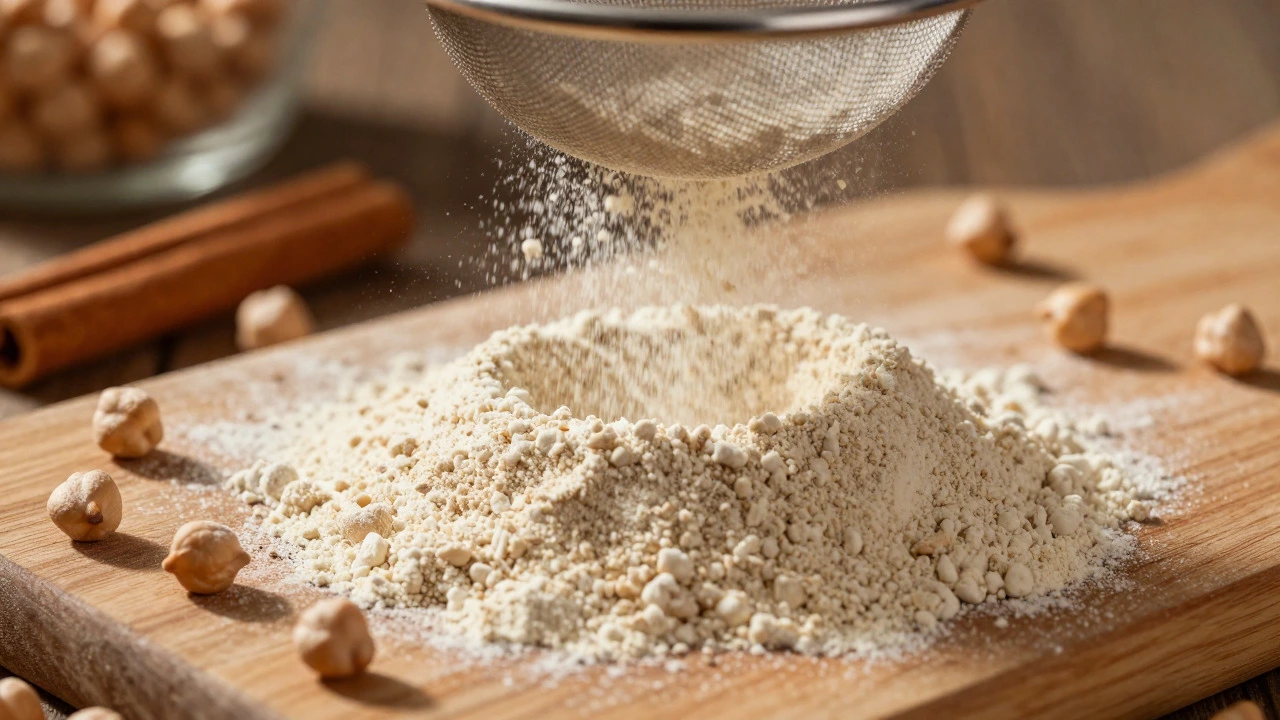
You can make your own chickpea flour by blending dried chickpeas until they turn into a fine powder. Just ensure your blender is clean and hasn't been used for wheat-based flours recently. Store-bought chickpea flour is convenient, but again, check for certification if you are highly sensitive. Brands like Bob's Red Mill and Rodelle offer certified options in many markets.
In baking, chickpea flour behaves differently than wheat flour. It lacks elasticity, so you won't get the same rise. To compensate, bakers often use leavening agents like baking powder or soda more generously. It also absorbs more liquid, so adjust your wet ingredients accordingly. A common ratio for substitution is 1:1, but adding an extra egg or a tablespoon of oil can help bind the crumb together.
Recipes That Shine: Beyond the Brownie
While chickpea brownies are famous, don't limit yourself. Here are some creative ways to use chickpeas in gluten-free desserts:
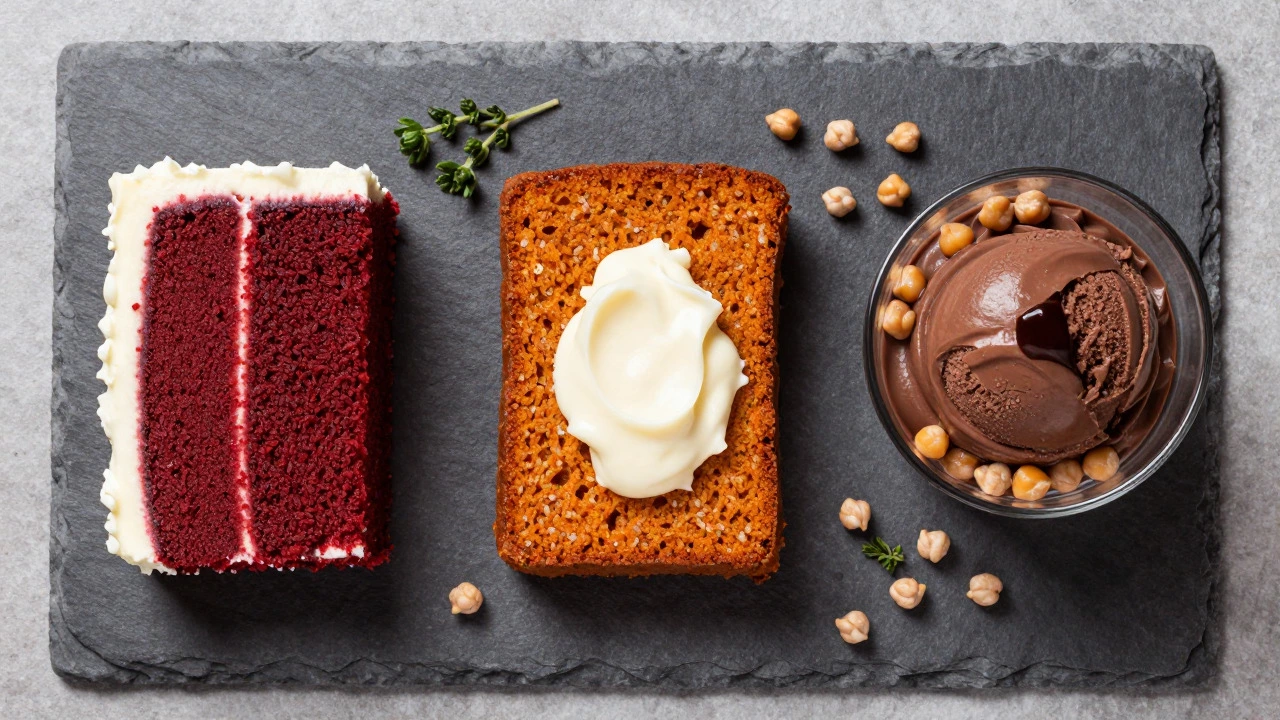
- Red Velvet Cake: Blend whole chickpeas with cocoa powder, sugar, and vanilla. The result is a dense, fudgy cake that stays moist for days.
- Carrot Cake: Use chickpea flour instead of all-purpose flour. Add grated carrots, walnuts, and cream cheese frosting. The earthiness of the chickpeas complements the sweetness of the carrots perfectly.
- Chocolate Mousse: Blend soaked chickpeas with dark chocolate and maple syrup. You won't taste the beans; you'll just get a rich, creamy mousse packed with protein.
- Biscotti: Mix chickpea flour with almonds and espresso powder. Bake twice for a crunchy, coffee-infused treat that holds its shape well.
These recipes work because chickpeas provide structure without gluten. They create a tender crumb that doesn't rely on the network of gluten strands found in traditional cakes. This makes them ideal for people who find many gluten-free baked goods dry or crumbly.
Navigating the Supermarket: What to Watch For
Shopping for chickpeas requires a bit of detective work. Not all labels are created equal. Here is a quick checklist to keep your pantry safe:
- Canned Beans: Check for "spiced" or "flavored" varieties. Some curry or taco-seasoned chickpeas may contain wheat-based thickeners or soy sauce (which often contains wheat).
- Hummus: Most hummus is safe, but some brands add breadcrumbs or wheat-based stabilizers. Stick to simple ingredients: chickpeas, tahini, lemon, garlic, olive oil.
- Falafel Mixes: Pre-made falafel mixes sometimes include semolina or wheat flour as a binder. Make your own using chickpea flour and herbs to be sure.
- Snacks: Roasted chickpea snacks are popular, but watch out for seasoning blends that might include maltodextrin derived from wheat (though usually corn-based, it varies by region).
In Brighton, where I live, local markets often sell loose dried chickpeas. Ask the vendor about their storage practices. If they store grains and legumes in open bins near each other, there is a risk of airborne contamination. Sealed packages are safer for those with high sensitivity.
Nutritional Benefits Beyond Gluten-Free
Choosing chickpeas isn't just about avoiding gluten; it's about gaining nutrition. Compared to refined white flour, chickpea flour is a nutrient density bomb. It is rich in folate, iron, magnesium, and potassium. These minerals support energy production and bone health, which can be compromised in people with celiac disease due to malabsorption issues.
The low glycemic index of chickpeas is another plus. Traditional cakes spike blood sugar quickly, leading to crashes later. Chickpea-based desserts release energy slowly, keeping you satisfied longer. This makes them a smarter choice for afternoon tea or post-workout snacks.
| Nutrient | Wheat Flour (White) | Chickpea Flour |
|---|---|---|
| Protein | 10g | 22g |
| Fiber | 2.7g | 17g |
| Iron | 0.9mg | 6.8mg |
| Glycemic Index | High (~70) | Low (~35) |
Troubleshooting Common Issues
New to chickpea baking? You might run into a few hiccups. Here is how to fix them:
- Too Dense: If your cake feels heavy, you might not have enough leavening. Increase baking powder by 1/4 teaspoon per cup of flour. Also, ensure your chickpeas are blended smoothly if using whole beans.
- Beany Taste: Some people dislike the distinct flavor of chickpeas. Mask it with strong flavors like chocolate, citrus zest, or warm spices. Soaking dried chickpeas overnight and discarding the water can also reduce bitterness.
- Dry Texture: Chickpea flour absorbs moisture. Add an extra tablespoon of milk, yogurt, or applesauce to your batter. Letting the batter rest for 15 minutes before baking allows the flour to hydrate fully.
Final Thoughts on Safety and Enjoyment
So, are chickpeas OK for a gluten-free diet? Absolutely. They are one of the safest and most nutritious alternatives available. By choosing certified products and being mindful of cross-contamination, you can enjoy delicious, hearty cakes and snacks without worry. Whether you are baking a festive holiday cake or a quick weeknight dessert, chickpeas bring depth, nutrition, and reliability to your gluten-free kitchen.
Can I substitute chickpea flour for all-purpose flour in any recipe?
Not exactly. Chickpea flour is denser and more absorbent. For best results, use it in recipes specifically designed for it, or replace up to 25% of the flour in standard recipes. Adjust liquids and leavening agents accordingly.
Is chickpea flour better than almond flour for gluten-free baking?
It depends on your goals. Almond flour is lower in carbs and higher in fat, giving a richer texture. Chickpea flour is higher in protein and fiber, offering a lighter, more substantial crumb. Both are excellent, but chickpea flour is often cheaper and less prone to becoming greasy.
Do I need to cook chickpea flour before eating it?
Yes, always cook chickpea flour. Raw chickpeas contain compounds that can cause digestive discomfort. Baking, boiling, or frying ensures they are safe and palatable.
Where can I buy certified gluten-free chickpeas in the UK?
Major supermarkets like Tesco, Sainsbury's, and Waitrose carry certified gluten-free brands. Health food stores and online retailers also offer specialized brands. Look for the Coeliacs UK endorsement mark for guaranteed safety.
Can chickpeas cause bloating for people with gluten intolerance?
Some people with gluten intolerance also have sensitivities to FODMAPs, which are fermentable carbohydrates found in chickpeas. If you experience bloating, try rinsing canned chickpeas thoroughly or soaking dried ones and changing the water multiple times before cooking.
Popular Posts
Cheese Fat Content: Mozzarella vs Emmental
Jan, 5 2025