Gluten-Free Oats Safety Checker
Is Your Oats Safe for Gluten-Free Baking?
This tool helps you determine if your oats meet safety standards for people with celiac disease or gluten sensitivity. Based on your inputs, it will show whether your oats are safe to use in gluten-free cakes.
Safety Result
When you’re baking gluten-free cakes, every ingredient matters. Oats are a popular choice-they add texture, chewiness, and a nutty flavor that works beautifully in muffins, cookies, and yes, even cakes. But here’s the real question: are oats gluten-free? The answer isn’t as simple as yes or no. And if you’re making cakes for someone with celiac disease or a severe gluten sensitivity, getting this wrong can mean a ruined dessert… or worse, a health crisis.
Why oats are tricky in gluten-free baking
Oats themselves don’t contain gluten. Gluten is a protein found in wheat, barley, and rye. Oats have a different protein called avenin, which most people with gluten sensitivity can tolerate just fine. The problem isn’t the oat-it’s what happens before it gets to your kitchen. Most oats are grown, harvested, stored, and processed alongside wheat, barley, or rye. That means even if the oat plant is naturally gluten-free, it picks up traces of gluten during farming or milling. A 2021 study from the University of Manitoba found that over 30% of conventional oats in the U.S. and U.K. had measurable gluten levels above 20 parts per million (ppm)-the international standard for labeling something "gluten-free." For someone with celiac disease, even 10 ppm of gluten can trigger an immune response. That’s why simply saying "oats are gluten-free" isn’t enough. You need to know where they came from.What "certified gluten-free oats" really means
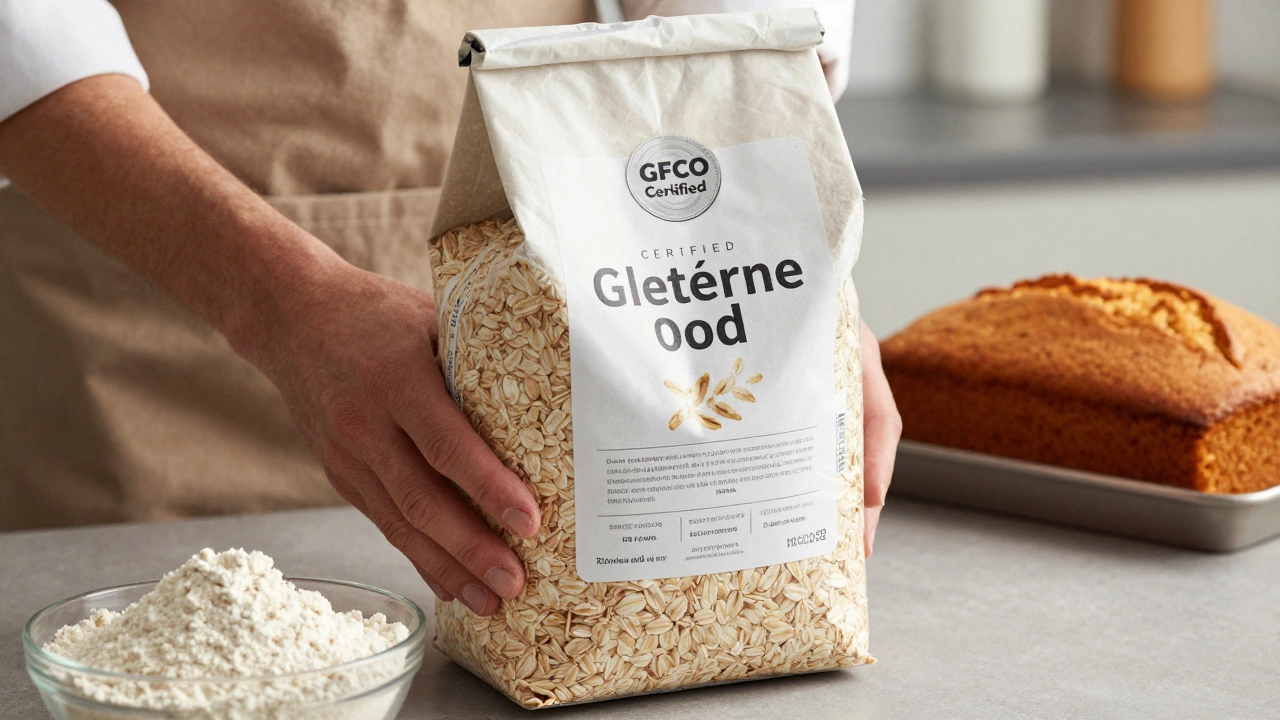
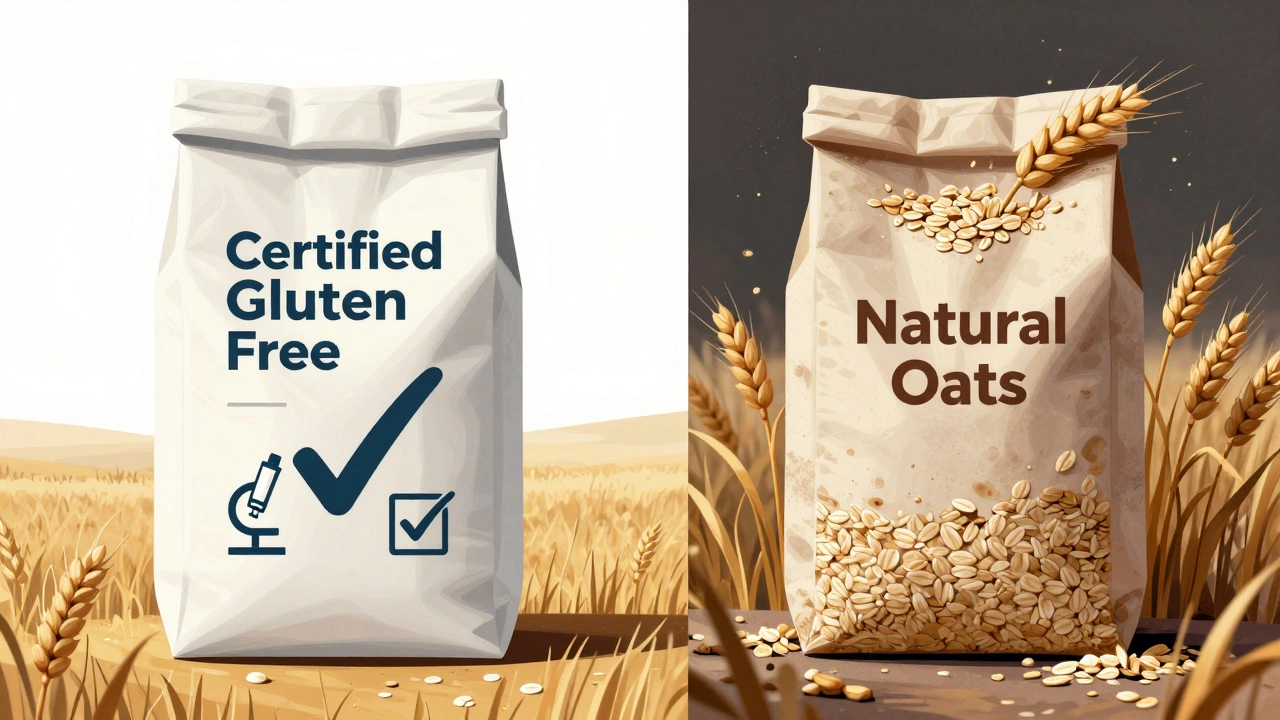
Not all oats are created equal. If you see "certified gluten-free oats" on a bag, that’s your safest bet. These oats come from farms that don’t grow gluten-containing grains nearby. They’re harvested with dedicated equipment, stored in clean silos, and processed in facilities that never touch wheat, barley, or rye. Brands like Bob’s Red Mill, Gluten-Free Oats by Quaker (specifically their "Gluten-Free" line), and Pure Oats from the UK’s Gluten Free UK Certification Program test every batch. They use ELISA testing to ensure gluten levels stay under 10 ppm-well below the 20 ppm threshold. Some even go as low as 5 ppm. In Brighton, I’ve seen bakers get burned by assuming "natural" or "pure" oats are safe. One local cake shop used "100% natural oats" in a gluten-free carrot cake. A customer with celiac had a severe reaction. The oats had been milled in the same facility as barley flour. The cake was pulled from shelves. The shop now uses only certified oats-and so should you.How to choose the right oats for gluten-free cakes
Here’s how to pick oats that won’t sabotage your gluten-free baking:- Look for the "Certified Gluten-Free" logo from trusted programs like GFCO (Gluten-Free Certification Organization), NSF, or Coeliac UK.
- Check the label for a specific gluten-free claim-not just "made in a gluten-free facility." That’s not enough.
- Avoid bulk bins. Even if the store claims they’re clean, cross-contamination is common in shared scoops.
- Stick to brands that list their testing method and threshold on the packaging. If they don’t, don’t risk it.
- When in doubt, call the manufacturer. Ask: "Do you test every batch for gluten? What’s your limit?"
Some bakers swear by oat flour made from certified oats. It blends well with almond flour or rice flour and gives cakes a soft, moist crumb-something you can’t always get with just starches. But again, only if it’s certified.
Can you make gluten-free cakes with regular oats?
Technically, yes-but you shouldn’t. If you’re baking for yourself and you’re sure you don’t react to trace gluten, maybe. But if you’re baking for someone else-especially if they have celiac disease, an autoimmune disorder, or a severe allergy-regular oats are a gamble you can’t afford to take. Celiac disease isn’t just an upset stomach. It’s an autoimmune condition where gluten damages the small intestine. Even tiny amounts can cause long-term harm: nutrient deficiencies, increased cancer risk, and chronic fatigue. That’s not a risk worth taking with a cake. And here’s the kicker: many people with non-celiac gluten sensitivity also react to oats that aren’t certified. Why? Because the cross-contamination levels are enough to trigger symptoms. It’s not about being "extra careful." It’s about science.What about oat milk in gluten-free cakes?
Oat milk is another sneaky source of gluten. Most commercial oat milks aren’t certified gluten-free. Even if the oats used are clean, the production line might process wheat-based drinks. A 2023 report from Coeliac UK tested 12 oat milk brands. Only 3 passed the 10 ppm standard. If your gluten-free cake recipe calls for oat milk, use only certified versions. Brands like Oatly (in their gluten-free labeled cartons) and Califia Farms’ gluten-free line are safe bets. Always double-check the label-even if you’ve bought it before. Manufacturers change suppliers without warning.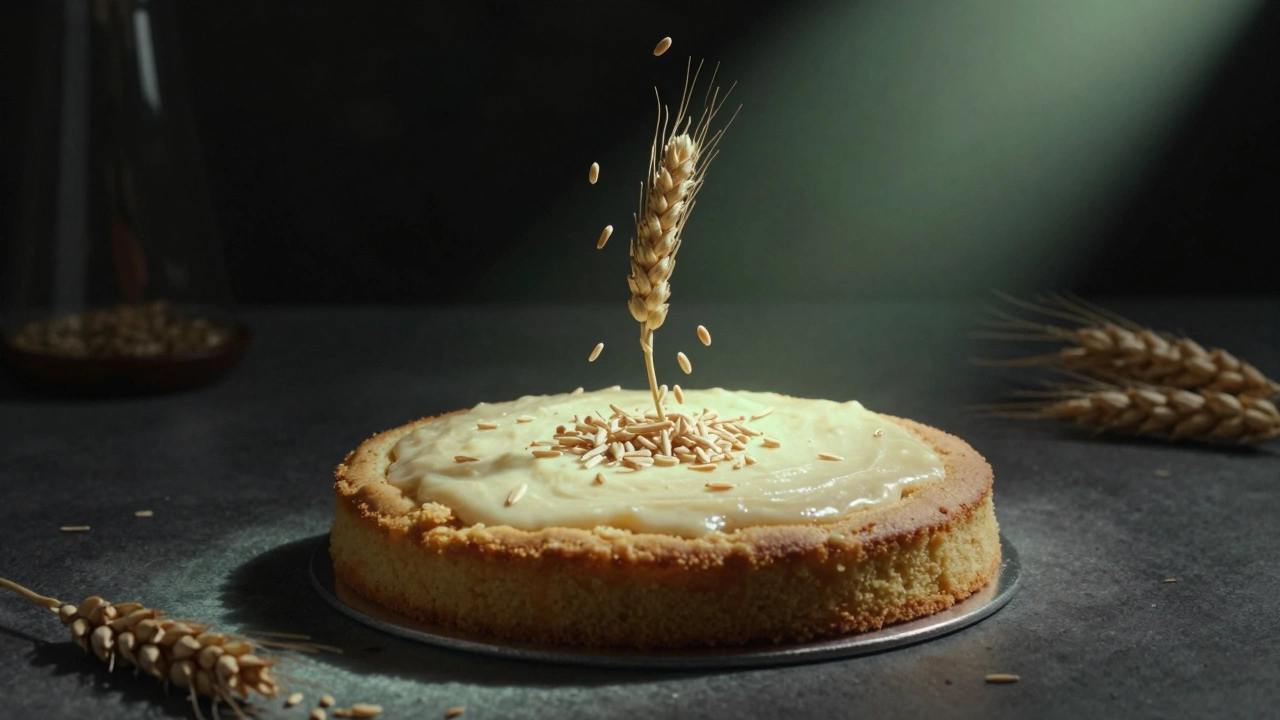
What to do if you’re unsure
If you’ve already bought oats and aren’t sure if they’re safe:- Don’t use them in cakes for others.
- Use them only in recipes where you’re the only one eating them.
- When in doubt, toss them. It’s cheaper than a hospital visit.
There’s no shame in buying new. Certified gluten-free oats cost a few pounds more, but they’re worth it. A single cake made with unsafe oats can ruin trust, damage relationships, and put someone’s health at risk.
Final takeaway: Trust the label, not the myth
The idea that "oats are naturally gluten-free" is misleading. They’re naturally free of gluten-but they’re rarely free of contamination. For gluten-free baking, especially cakes where texture and safety both matter, you need more than natural. You need certification. If you’re making gluten-free cakes for friends, family, or customers, use only certified gluten-free oats. It’s the only way to guarantee safety. And if you’re unsure? Ask. Test. Read the label twice. Better safe than sorry.Are oats naturally gluten-free?
Yes, oats don’t contain gluten-they have a protein called avenin instead. But they’re almost always contaminated with gluten from wheat, barley, or rye during farming or processing. That’s why "naturally gluten-free" doesn’t mean safe for people with celiac disease.
Can I use regular oats in gluten-free baking?
No, not if you’re baking for someone with celiac disease or a severe gluten sensitivity. Regular oats often contain gluten levels above 20 ppm due to cross-contamination. Certified gluten-free oats are the only safe option for gluten-free cakes.
How do I know if oats are truly gluten-free?
Look for a "Certified Gluten-Free" label from GFCO, NSF, or Coeliac UK. The brand should also state they test every batch and keep gluten below 10 ppm. Avoid oats from bulk bins or those without clear testing info.
Can oat milk be used in gluten-free cakes?
Only if it’s labeled "certified gluten-free." Many oat milks are processed on lines that also handle wheat. Brands like Oatly (gluten-free version) and Califia Farms’ gluten-free line are safe. Always check the label-even if you’ve used it before.
What happens if someone with celiac eats contaminated oats?
Even small amounts of gluten can damage the lining of the small intestine, leading to malnutrition, chronic fatigue, and increased risk of intestinal cancers. Symptoms may include bloating, diarrhea, or no visible reaction at all. The damage still happens.
Popular Posts

The 10 Most Popular Cakes Everyone Loves
Oct, 4 2026

Toffee vs. Fudge: What's the Real Difference?
Mar, 9 2025