Cheesecake Method Selector
Select the method that fits your needs to see detailed pros, cons, and tips.
Standard Oven
Fast & Dense
Water Bath
Silky & Smooth
No-Bake
Light & Cool
Select a Method Above
Click on one of the cards to compare textures, times, and risks.
You pull a golden, crack-free cheesecake out of the oven, slice into it, and wonder: why does one method yield a dense, fudgy brick while another produces a light, airy cloud? It’s not magic; it’s physics. The difference lies entirely in how heat is transferred to the delicate egg-and-dairy mixture. If you’ve ever struggled with cracked tops or weeping sides, you’re likely fighting against dry oven air. This guide breaks down the three main ways to cook cheesecake-baked, water bath, and no-bake-so you can pick the right technique for your desired texture and effort level.
The Science Behind Cheesecake Texture
Cheesecake is essentially a custard. The structure relies on eggs coagulating as they heat up. When eggs overcook, the protein bonds tighten too much, squeezing out moisture (whey) and creating rubbery textures or cracks. The goal of any baking method is to control this coagulation process gently.
Dry heat cooks fast but unevenly. Moist heat (steam) cooks slower and more evenly. Understanding this trade-off helps you decide which method fits your schedule and taste preferences. Do you want speed? Or do you want perfection?
Method 1: The Standard Oven Bake
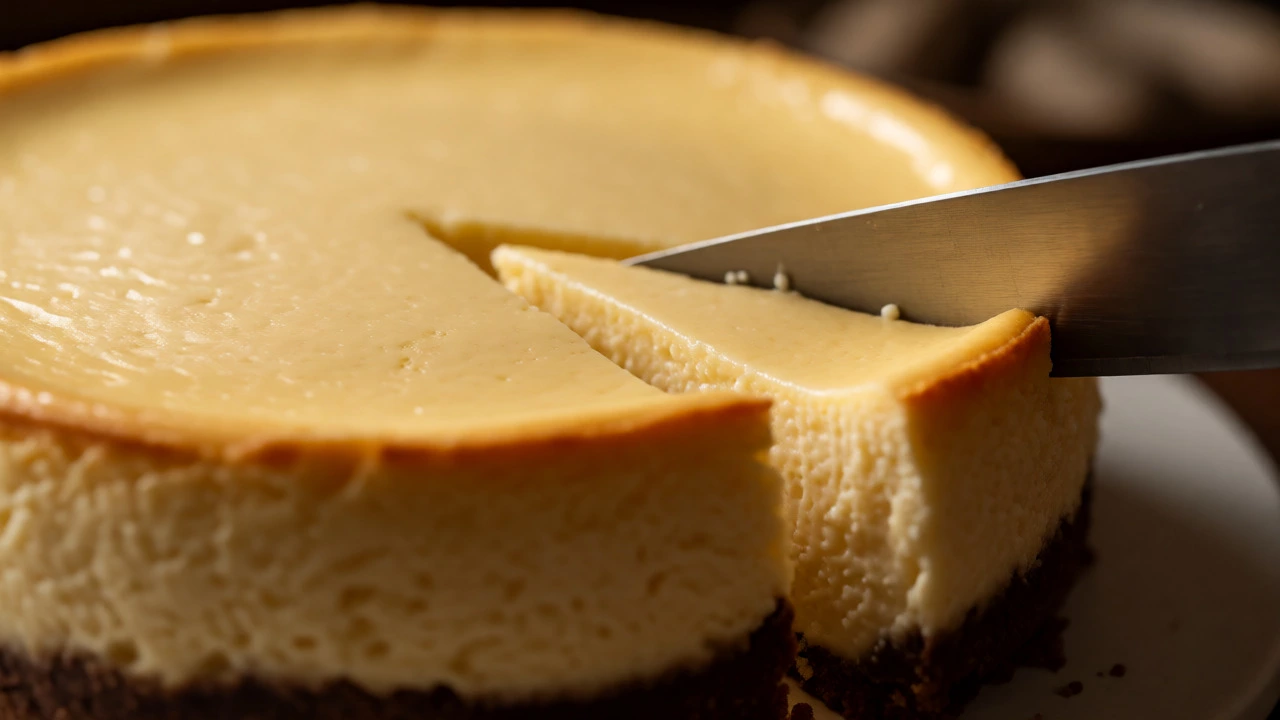
This is the quickest way to get a cheesecake done. You preheat your oven to around 325°F (160°C), place the springform pan directly on the rack, and bake until the edges are set but the center still jiggles slightly.
Pros: Fastest preparation time. No special equipment needed beyond a standard oven and springform pan. Cons: High risk of cracking due to rapid surface drying. The texture tends to be denser and sometimes grainier if not watched closely.
This method works best for recipes with higher sugar content or those using stabilizers like cornstarch. If you choose this route, keep the oven door closed. Opening it early causes temperature shocks that lead to immediate collapse or cracking.
Method 2: The Water Bath (Bain-Marie)
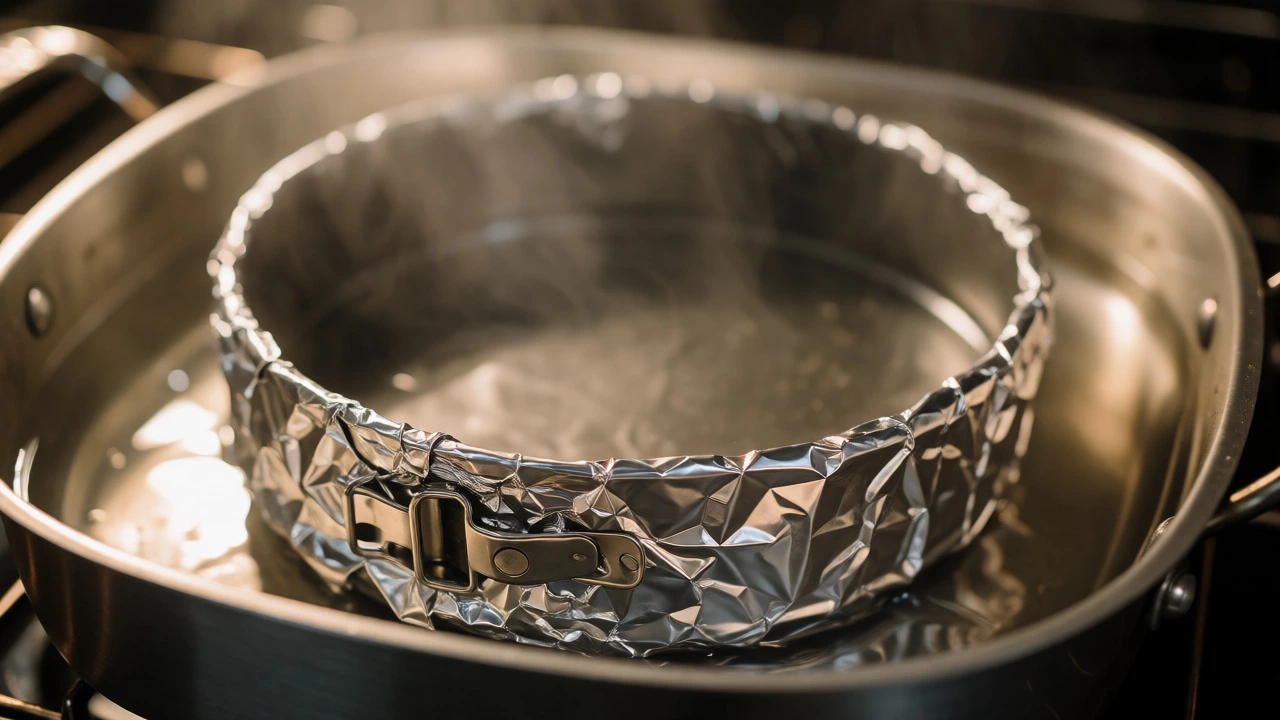
If you want that silky, New York-style smoothness, the water bath is non-negotiable. Here, you wrap the bottom of your springform pan in heavy-duty aluminum foil to prevent leaks, then place it inside a larger roasting pan filled with hot water. The water surrounds the cheesecake, maintaining a constant 212°F (100°C) environment around the batter.
Pros: Almost impossible to crack. Produces a creamy, uniform texture throughout. The steam prevents the top from drying out before the center sets. Cons: Takes longer (often 1.5 to 2 hours). Risk of water seeping into the crust if foil isn’t sealed properly.
The water bath acts as a thermal buffer. Instead of blasting the cheesecake with 325°F air, the water keeps the surrounding temperature mild. This allows the proteins to set slowly and evenly. Many professional bakers swear by this method for competition-level results.
Method 3: The No-Bake Chill
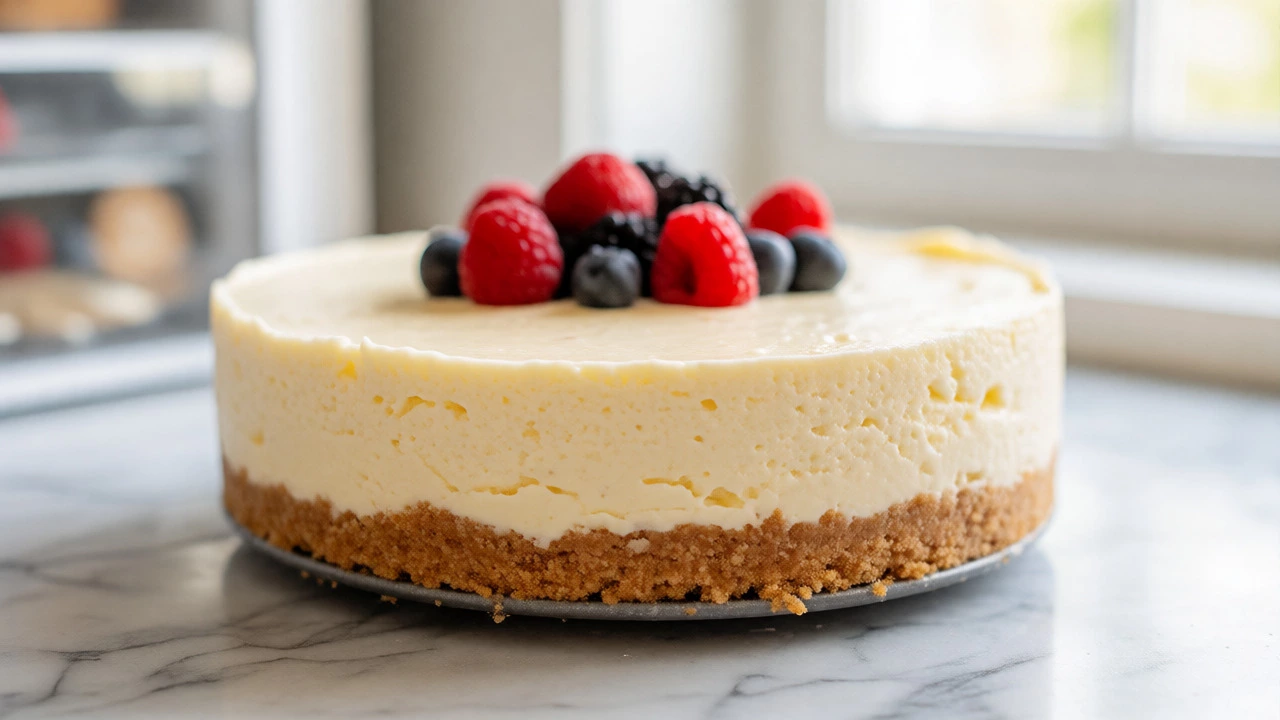
Skip the oven entirely. A no-bake cheesecake relies on refrigeration to set the structure. Typically, this involves whipping cream cheese with sugar, mixing in whipped cream or gelatin, pouring it into a pre-made crust, and chilling it for at least 4-6 hours.
Pros: Zero risk of burning or cracking. Lighter, mousse-like texture. Great for summer when you don’t want to heat up the kitchen. Cons: Requires significant planning time (overnight chill is often best). Can become soft if left out too long during serving.
No-bake versions often use gelatin to stabilize the mixture, ensuring it holds its shape when sliced. Without an oven, the flavor profile remains fresher and tangier, highlighting the quality of your dairy ingredients.
Comparing the Methods
Choosing the right method depends on what you value most: time, texture, or reliability. Here’s a quick breakdown to help you decide.
| Feature | Standard Oven | Water Bath | No-Bake |
|---|---|---|---|
| Prep Time | Low | Medium | Low |
| Total Time | 1.5 Hours | 2.5+ Hours | 4-8 Hours (Chill) |
| Texture | Dense, potentially grainy | Silky, creamy, smooth | Light, mousse-like |
| Crack Risk | High | Very Low | None |
| Best For | Quick weeknight desserts | Special occasions, NY style | Summer parties, beginners |
Tips for Success Across All Methods
Regardless of how you cook it, ingredient temperature matters. Always bring your cream cheese, eggs, and sour cream to room temperature before mixing. Cold ingredients create lumps that never fully incorporate, leading to a gritty texture even after baking.
Another common mistake is over-mixing. Once you add the eggs, mix on low speed just until combined. Over-beating incorporates too much air, causing the cheesecake to rise dramatically in the oven and then fall rapidly as it cools, resulting in a sunken center.
For baked versions, turn off the oven once the center is barely jiggly. Leave the door ajar and let the cheesecake cool inside for an hour. This gradual cooling prevents the sudden temperature drop that causes cracks.
Frequently Asked Questions
Why did my cheesecake crack?
Cracks usually happen because the cake was baked at too high a temperature or cooled too quickly. Using a water bath lowers the cooking temperature and adds humidity, which keeps the surface flexible as the interior sets. Letting the cake cool gradually in the turned-off oven also helps.
Can I make a water bath without foil?
You need a barrier to stop water from leaking into the crust. While some modern silicone molds are watertight, traditional metal springform pans almost always leak. Heavy-duty aluminum foil wrapped twice around the base is the standard solution. If you have a reusable silicone liner specifically designed for water baths, that works too.
Is no-bake cheesecake better than baked?
Neither is objectively "better." It depends on preference. Baked cheesecake has a richer, cooked flavor and firmer structure. No-bake is lighter, tangier, and easier to serve in hot weather. Choose based on the occasion and your texture preference.
How do I know when a baked cheesecake is done?
The edges should look set and slightly puffed, but the center (about 2-3 inches in diameter) should still jiggle like Jell-O when you gently shake the pan. It will firm up completely as it cools. If the center looks solid and dry, it’s already overcooked.
Do I need a special pan for cheesecake?
A springform pan is essential for easy removal. Look for one with a secure latch and a flat bottom. For water baths, ensure the pan is labeled "leak-proof" or reinforce it with foil. Regular cake pans are difficult to release without damaging the delicate sides.
Popular Posts

Unlocking the Secret to Perfectly Chewy Cookies
Apr, 4 2025
Best Tasting Birthday Cakes: A Delicious Quest
Mar, 13 2025
Best Practices for Storing Homemade Brownies
Jan, 28 2025

How to Order a Cake from Costco - Step‑by‑Step Guide
Oct, 10 2025