Cheesecake Texture Simulator
Adjust the slider below to see how different ratios of heavy whipping cream and sour cream affect your cheesecake's final profile.
Current Profile Analysis
Texture Prediction
A harmonious mix of structure and luxury.
Best For...
- New York Style Good
- No-Bake/Mousse Fair
- Crack Resistance High
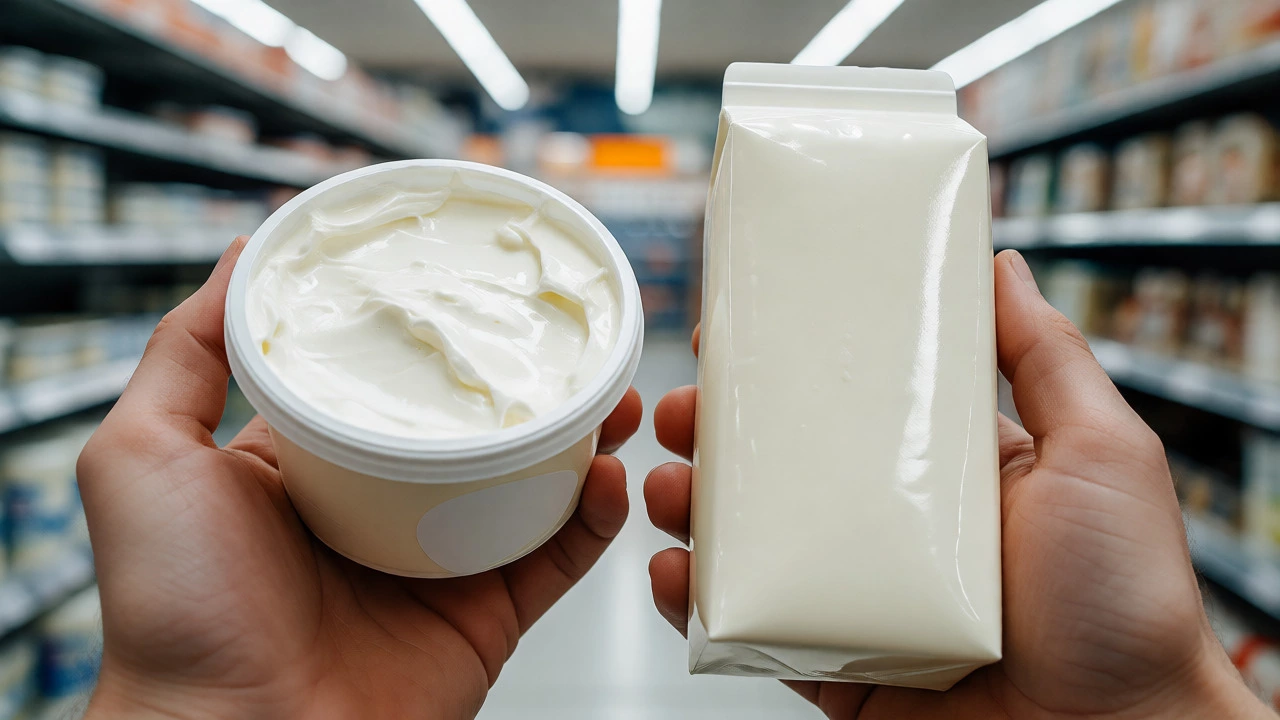
You are standing in the supermarket aisle, holding a tub of sour cream in one hand and a carton of heavy whipping cream in the other. The recipe on your phone just says "cream," but you know that using the wrong one could turn your dreamy New York-style slice into either a dense brick or a watery mess. This isn't just about following instructions; it's about understanding the chemistry of dairy fats and how they behave under heat.
The short answer? Neither is universally "better." They serve different jobs. If you want a tangy, traditional New York profile with a tighter crumb, you need sour cream. If you want a rich, velvety, almost mousse-like texture that melts on the tongue, heavy whipping cream is your hero. But here is the twist most bakers miss: the best cheesecakes often use both. Let's break down exactly why, when, and how to choose so you never ruin another batch.
What Each Ingredient Actually Brings to the Table
To make an informed choice, you have to look at what these products are made of. It’s not just about taste; it’s about fat content, moisture levels, and acidity.
Heavy whipping cream is high-fat dairy liquid, typically containing between 36% and 40% milk fat. In cheesecake, its primary job is richness and tenderness. Because it has such a high fat-to-water ratio, it coats the protein strands in the eggs and cheese, preventing them from bonding too tightly. This results in a softer, more luxurious mouthfeel. Think of it as the lubricant that keeps your cake from becoming rubbery.
Sour cream, on the other hand, is fermented dairy. It usually contains around 18-20% fat, but its superpower is lactic acid. This acidity does two critical things. First, it tenderizes the gluten (if you’re using flour) and proteins, leading to a smoother texture. Second, and more importantly for flavor, it cuts through the heaviness of the cream cheese. Without that tang, a cheesecake can taste cloyingly sweet and one-dimensional. Sour cream also helps stabilize the emulsion, reducing the risk of cracking during baking.
The Texture Test: Dense vs. Velvety
If you bake a cheesecake using only heavy cream, you will get something incredibly rich. It feels like eating a cloud infused with butter. However, without the structural support and slight firmness provided by the lower fat content and proteins in sour cream, it might feel slightly greasy or lack definition. It can be too soft to hold a sharp slice if you aren't careful with chilling times.
Conversely, a cheesecake made with only sour cream (and no extra heavy cream) tends to be denser. It has a classic, old-school bakery vibe. The texture is tight and substantial. Some people love this; others find it too heavy. The key difference lies in the air incorporation. Heavy cream whips up beautifully, allowing you to fold in air for a lighter lift. Sour cream doesn’t whip well-it breaks if you overbeat it-so it contributes density rather than fluffiness.
Here is a quick comparison to help you visualize the differences:
| Feature | Heavy Whipping Cream | Sour Cream |
|---|---|---|
| Fat Content | 36-40% | 18-20% |
| Primary Role | Adds richness, tenderness, and lightness | Adds tang, structure, and moisture balance |
| Texture Result | Velvety, smooth, melt-in-mouth | Dense, creamy, substantial |
| Flavor Profile | Neutral, milky, sweet | Tangy, acidic, complex |
| Baking Stability | Can separate if overheated | Helps prevent cracks via acidity |
Why Professional Bakers Often Use Both
If you look at recipes from serious pastry chefs or reputable sources like King Arthur Baking, you’ll notice a pattern. They rarely rely on just one. A common ratio for a standard 9-inch cheesecake might be 24 ounces of cream cheese, 1 cup of sugar, 3 eggs, and then a split of ½ cup heavy cream and ½ cup sour cream.
Why combine them? Synergy. The heavy cream provides the luxurious fat needed for that "melt-on-your-tongue" sensation. The sour cream provides the acidity needed to balance that fat and the proteins needed to set the cake firmly enough to slice cleanly. When you mix them, you get the best of both worlds: a filling that is rich but not greasy, and tangy but not overpowering.
Think of it like building a house. Heavy cream is the insulation-it makes everything cozy and soft. Sour cream is the framing-it gives the structure integrity. You need both for a sturdy, comfortable home.
When to Choose One Over the Other
There are specific scenarios where picking one ingredient exclusively makes sense. Here is how to decide based on what you are making.
Choose Heavy Whipping Cream If...
- You want a no-bake cheesecake: Since there is no heat to set the structure, you need the stability of whipped cream. Heavy cream whips to stiff peaks, providing the necessary volume and firmness that sour cream cannot offer on its own.
- You prefer a mild, sweet flavor: If you are pairing the cheesecake with strong flavors like dark chocolate, espresso, or berries, the neutral taste of heavy cream lets those ingredients shine without competing with a tangy background note.
- You are making a mousse-style filling: Folding whipped heavy cream into the cheese base creates a lighter, airy texture that feels less indulgent per bite, even though the calorie count might be higher due to fat content.
Choose Sour Cream If...
- You are making a classic New York Style: Authenticity matters here. The signature tang and dense, creamy texture of NY cheesecake come directly from sour cream. Substituting it changes the fundamental character of the dish.
- You struggle with cracked tops: The acidity in sour cream helps coagulate the egg proteins gently. This reduces the tension on the surface as the cake bakes, significantly lowering the chance of ugly cracks appearing.
- You want a longer shelf life: The acidity acts as a mild preservative. While both types keep well in the fridge, the pH level of sour cream-based cakes tends to maintain freshness and flavor stability slightly better over several days.
Common Pitfalls and How to Avoid Them
Even if you pick the right ingredient, you can still mess up the cheesecake. Here are the most frequent mistakes I see when helping friends bake in my kitchen in Brighton.
Using low-fat substitutes: Please, don't do it. Light sour cream or half-and-half introduces too much water. Water turns to steam in the oven, creating holes in your cake and making it weep after cooling. Stick to full-fat versions. If you must reduce calories, accept that the texture will change; don't expect the same result.
Cold ingredients: Whether you use heavy cream or sour cream, let them come to room temperature before mixing. Cold dairy causes the batter to curdle when mixed with eggs. Curdled batter leads to a grainy texture, not a smooth one. Take your ingredients out of the fridge at least two hours before you start.
Overmixing: Once you add the eggs, stop mixing aggressively. Air bubbles trapped in the batter expand in the oven, causing the cake to rise rapidly and then collapse, leading to cracks. Mix until just combined. This rule applies doubly if you are using heavy cream, which incorporates air easily.
Pro Tip: The Temperature Hack
Regardless of which cream you choose, temperature control is the single biggest factor in success. Bake your cheesecake at a low temperature, around 325°F (160°C), and consider using a water bath. The water bath surrounds the pan with gentle, humid heat, ensuring the edges don't cook faster than the center. This prevents the crust from pulling away from the pan and keeps the filling uniform.
After baking, turn off the oven and crack the door open. Let the cheesecake cool inside for an hour. This gradual cooling prevents thermal shock, which is the main cause of sinking centers and large fissures. Patience really is the secret ingredient here.
Final Verdict
So, is heavy whipping cream or sour cream better? For a baked cheesecake, sour cream is generally superior for structure and flavor balance, especially in traditional styles. However, adding a splash of heavy whipping cream elevates the luxury factor. If you are forced to choose only one, go with sour cream for baked goods because of its stabilizing acidity. Go with heavy cream for no-bake or mousse-style desserts where volume and lightness are key.
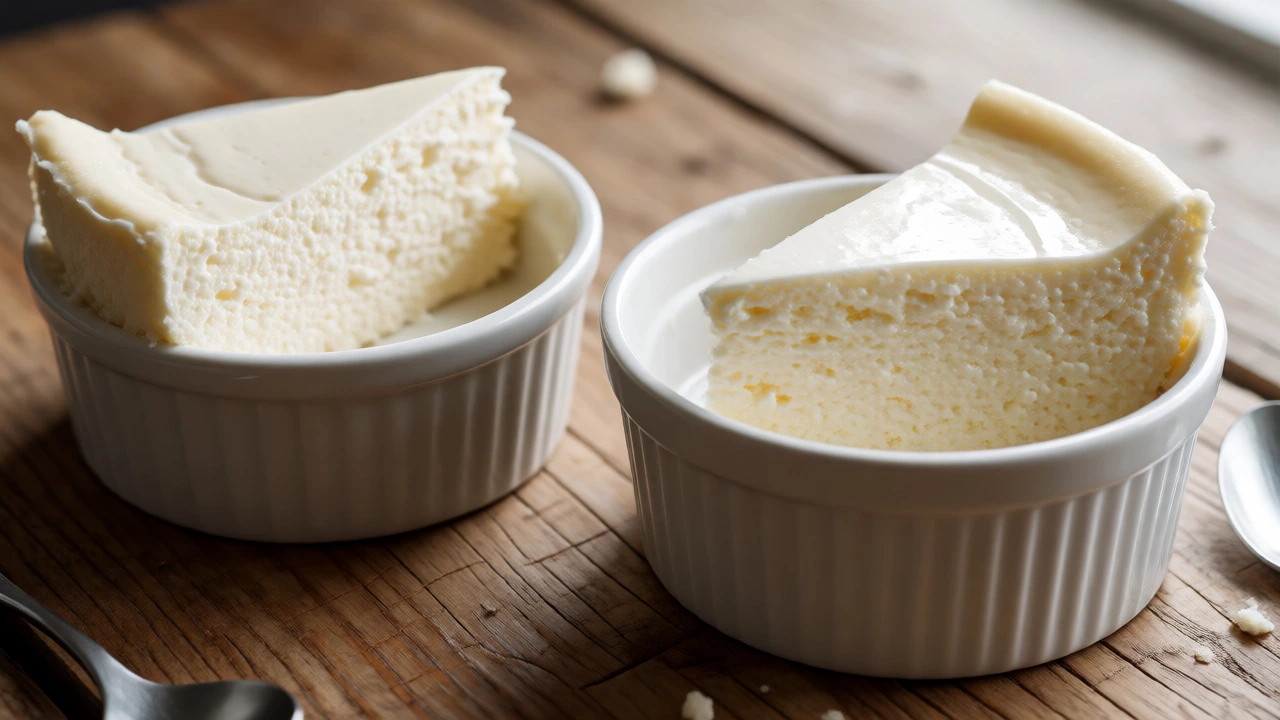
Your next step? Try a side-by-side test. Make two small ramekins of cheesecake-one with 100% sour cream, one with a 50/50 blend. Taste them cold and at room temperature. You will likely find that the blend wins every time, proving that in baking, collaboration beats competition.
Can I substitute Greek yogurt for sour cream in cheesecake?
Yes, full-fat Greek yogurt is a great substitute for sour cream. It offers similar acidity and thickness, which helps with texture and flavor balance. However, Greek yogurt is thicker and has less moisture than sour cream, so you may need to add a tablespoon of milk or heavy cream to loosen the batter slightly. The result will be very similar to a sour cream cheesecake, perhaps even slightly tangier.
Does heavy cream make cheesecake sweeter?
No, heavy cream itself is not sweet. However, because it is rich and fatty, it can mask tartness, making the overall perception of sweetness higher compared to a tangy sour cream base. If you use heavy cream exclusively, you might find you need slightly less sugar to achieve the same perceived sweetness level as a sour cream version.
Why did my cheesecake crack when I used heavy cream?
Cracking usually happens due to overbeating or rapid temperature changes. Heavy cream whips easily, incorporating lots of air. If you beat the batter too much after adding eggs, those air bubbles expand in the oven and burst the surface. Additionally, if you bake at too high a temperature, the edges set before the center, causing tension. Use a water bath and mix gently to prevent this.
Is crème fraîche a good alternative?
Absolutely. Crème fraîche is essentially a richer, less acidic version of sour cream. It has a higher fat content (around 30%) and a milder tang. Using crème fraîche instead of sour cream will yield a cheesecake that is silkier and less sharp. It is an excellent choice if you want the structural benefits of cultured dairy but find regular sour cream too aggressive in flavor.
How long should I chill a cheesecake before serving?
You should chill your cheesecake in the refrigerator for at least four hours, but overnight (8-12 hours) is ideal. This allows the fats in the heavy cream and sour cream to solidify completely, giving the cake a clean slice. Serving it too warm will result in a soft, collapsing center regardless of which cream you used.
Popular Posts

How to Say Mozzarella in Brazil?
Feb, 9 2025


Why Is It Called a Princess Cake?
Feb, 15 2025
Are Bagels Vegan? What to Look for on the Label
Apr, 26 2026