
Italian Pasta Etiquette Checker
Your Results
You might think you know how to eat pasta is a staple of Italian cuisine, traditionally served as a first course (primo) before meat or fish. But if you’re sitting at a trattoria in Rome or Milan, there’s a subtle choreography to the meal that goes beyond just twirling noodles. It’s not about being fancy; it’s about respecting the structure of the meal itself. And here’s the twist: understanding how pasta fits into the day is actually the key to appreciating why Tiramisu is the perfect ending, serving as a coffee-flavored dessert made with ladyfingers and mascarpone.
The Sacred Order of Courses
In the US or UK, we often mix everything on one plate. In Italy, the meal is segmented. This isn’t rigid snobbery; it’s digestive logic. The sequence is strict: Antipasto (appetizers), Primo (pasta or rice), Secondo (meat or fish), Contorno (vegetables), and finally Dolce (dessert). If you order pasta after your steak, the waiter will look at you like you’ve ordered ice cream for breakfast.
Pasta is always the primo. It’s lighter than a heavy roast but substantial enough to prepare your stomach for what comes next. Skipping this step or reversing it confuses the flow. When you understand that pasta is a bridge between the starter and the main protein, you start to see why portions are smaller than American "dinner plates." It’s designed to satisfy hunger without knocking you out before the second course arrives.
No Cheese on Seafood? Mostly True
You’ve heard the rule: never put parmesan on seafood pasta. Is it a law? No. But it’s a strong guideline rooted in flavor balance. Parmesan has a salty, umami punch that can overpower the delicate sweetness of shrimp, clams, or scallops. If you sprinkle grated cheese over linguine alle vongole, you’re masking the ocean’s taste.
However, rules have exceptions. Some regional dishes, like certain baked seafood pastas from Naples, might use breadcrumbs instead of cheese for crunch. Or perhaps a specific local pecorino works better than parmesan. But if you’re unsure, skip the shaker. Taste the dish first. If it needs salt, ask for sea salt, not aged cheese. Trust the chef’s pairing-they spent years getting that sauce right.
The Fork-and-Spoon Debate
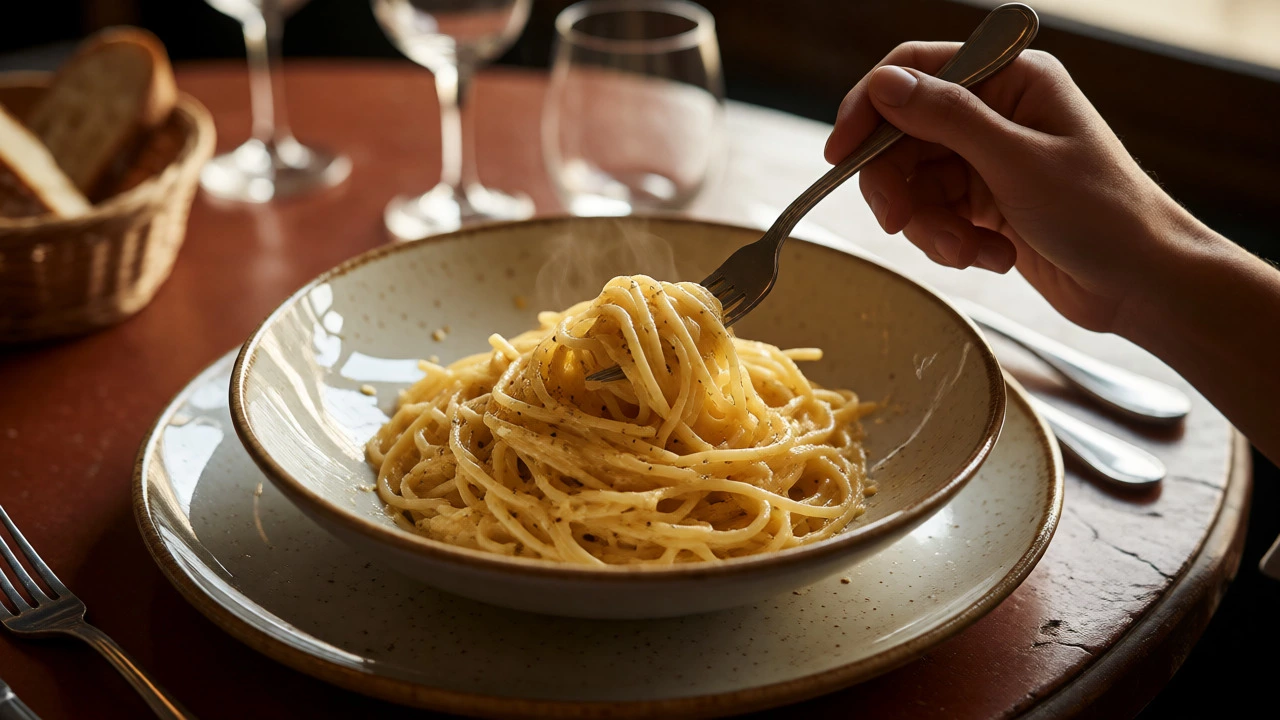
Here’s a hot take: most Italians don’t use a spoon to twirl spaghetti. Watch any nonna in Bologna, and you’ll see her use only the fork. She presses the tines against the plate’s edge to gather strands. Using a spoon is considered a tourist move, or something done by children who haven’t mastered the wrist action yet.
Why does this matter? Because using a spoon changes the texture. Twirling against the plate creates a neat, compact bite that holds sauce better. A spoon-wrapped bundle tends to be looser and drips more. Plus, it slows you down slightly, which is good-pasta should be eaten slowly while it’s hot. If you’re struggling, practice pressing the fork into the side of the bowl rather than swirling in mid-air. It looks natural and keeps your shirt clean.
| Action | Typical Tourist Behavior | Traditional Italian Approach |
|---|---|---|
| Cutting Pasta | Cuts long noodles with knife | Never cuts; twirls or slurps short shapes |
| Sauce Handling | Adds extra sauce from jar | Relies on chef’s emulsion; finishes in pan |
| Bread Usage | Eats bread with pasta | Uses bread for fare la scarpetta (cleaning plate) |
| Drinking During Meal | Guzzles water constantly | Sips wine/water sparingly to aid digestion |
Fare La Scarpetta: The Art of Bread
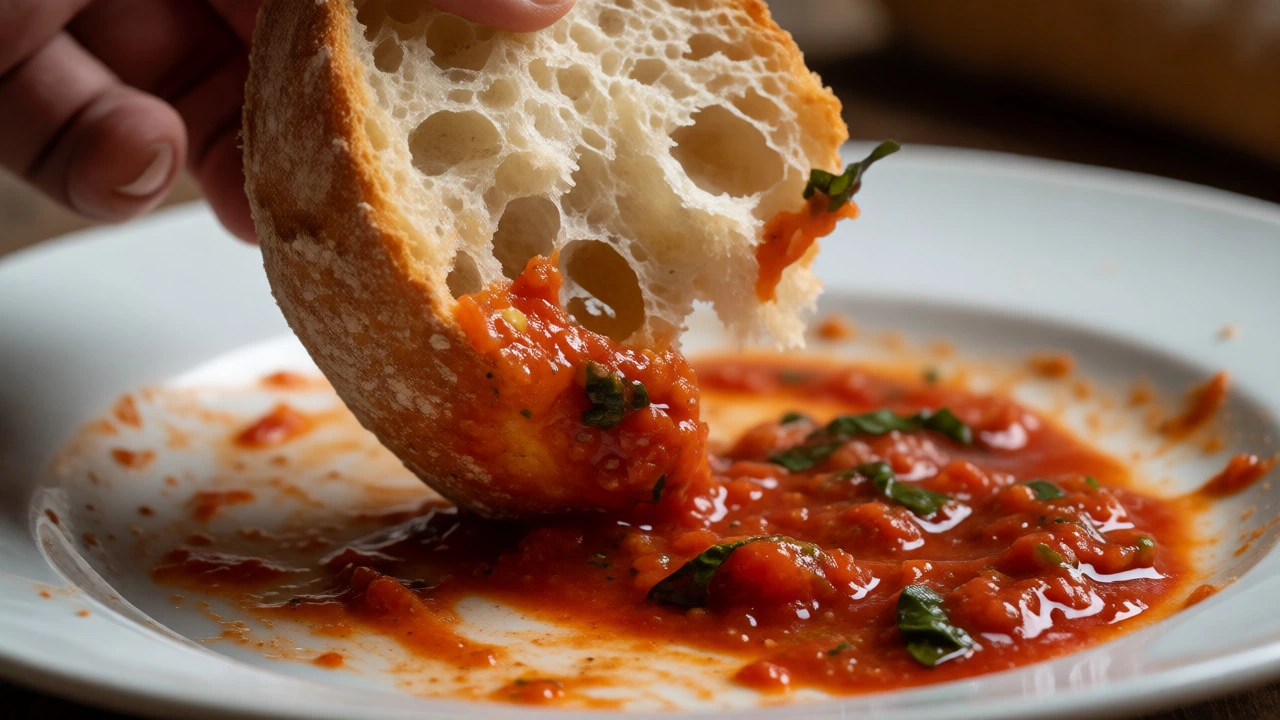
Italians rarely eat bread alongside pasta. Why? Because pasta is already a carb-heavy load. Adding a basket of focaccia turns a balanced meal into a coma-inducing pile of starch. Instead, bread plays a different role: it’s the tool for fare la scarpetta, which literally means "to make the little shoe." This is the act of using a piece of crusty bread to mop up the remaining sauce on your plate.
This is highly acceptable, even encouraged, in casual settings. It shows you enjoyed the food. Just don’t do it aggressively at a fine-dining restaurant unless everyone else is doing it. At home or in a trattoria, go ahead. Tear off a small piece, dip it in the leftover tomato or cream sauce, and eat it. It’s the best part of the meal, honestly. That sauce is where all the flavor lives.
Portion Control and Timing
A standard Italian pasta portion is about 80-100 grams dry weight per person. Compare that to the 200+ gram servings common in New York or London, and you see the difference. Italians eat less pasta because they expect more food later. If you stuff yourself on the primo, you won’t touch the secondo.
Timing matters too. Lunch is the main meal in many parts of Italy, especially in the south. Dinner is often lighter, sometimes just soup or salad. Don’t try to replicate a heavy American dinner every night. If you’re visiting, adjust your schedule. Eat a big lunch around 1:30 PM, then have a light aperitivo at 7 PM, followed by a modest dinner. Your body will thank you, and you’ll have room for dessert.
Why Tiramisu Fits Perfectly After Pasta
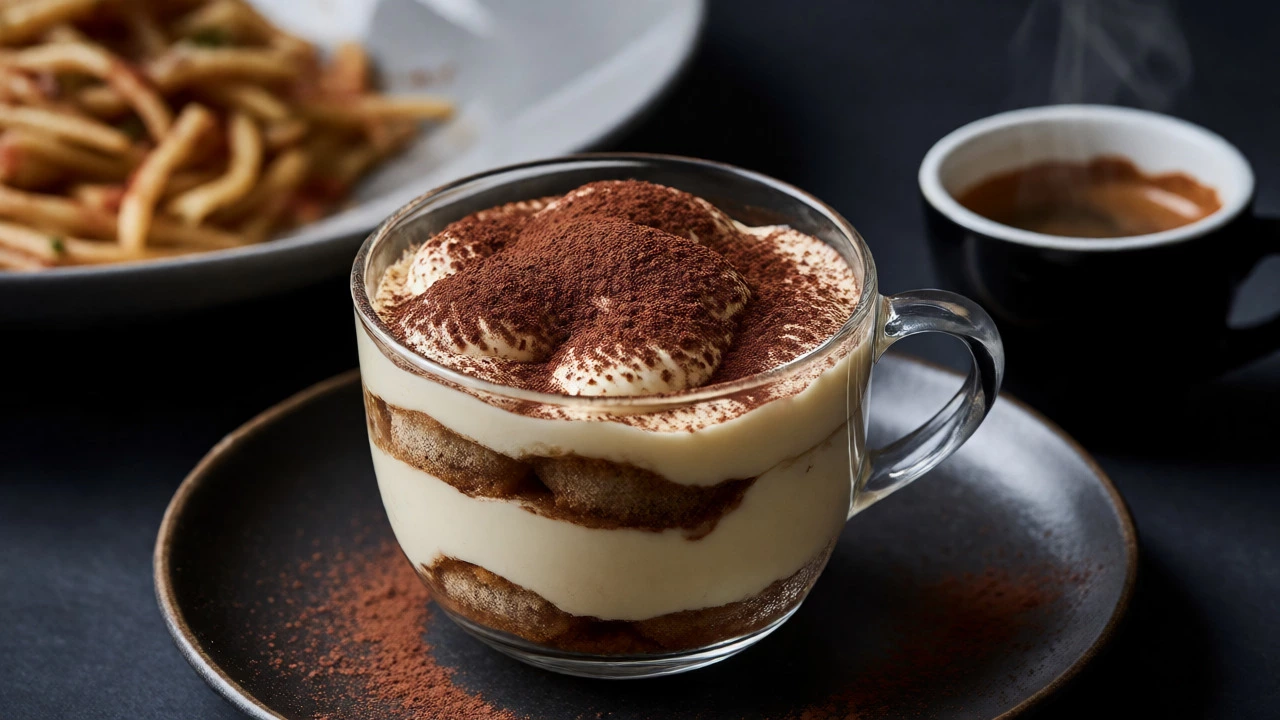
Now, let’s connect the dots to Tiramisu, a dessert consisting of coffee-soaked savoiardi biscuits layered with mascarpone cream. Why is this the ideal ender after a pasta-heavy meal?
First, caffeine. Espresso-based desserts help cut through the richness of cream sauces or fatty meats. If you had a carbonara, the bitterness of coffee balances the fat. Second, texture. Pasta is soft and warm. Tiramisu is cool, creamy, and slightly firm from the chilled mascarpone. This contrast refreshes the palate.
Also, Tiramisu isn’t overly sweet compared to cakes or cookies. After a savory, salty pasta course, a sugary bomb feels wrong. Tiramisu offers sweetness but anchors it with bitter cocoa powder and strong coffee. It’s a sophisticated finish that doesn’t leave you feeling bloated. It respects the preceding courses rather than erasing them.
Regional Nuances You Should Know
Italy isn’t a monolith. Eating habits shift north to south. In Emilia-Romagna, home of tortellini and ragù, meals are hearty and rich. Cheese is king. Here, you might get parmesan on almost anything except pure seafood. In Sicily, citrus and almond flavors dominate. You might find pasta with sardines or eggplant caponata, where sharpness replaces creaminess.
Don’t assume one rule applies everywhere. Ask locals. Say, "Is this traditional here?" Italians love sharing these details. They’ll tell you if putting ketchup on pasta is a crime (it is) or if adding lemon to risotto is genius (in some regions, yes). Observing regional differences makes you a smarter diner.
Practical Tips for Your Next Trip
If you want to eat like a local, follow these simple steps:
- Order sequentially. Wait for the primo to arrive before expecting the secondo. Don’t rush the kitchen.
- Skip the cheese shaker. Let the sauce speak. Add salt only if needed.
- Use your fork correctly. Practice twirling against the plate edge. Avoid cutting long noodles.
- Save room for dolce. Keep portions moderate so you can enjoy Tiramisu or gelato.
- Pair wisely. Red wine for meat sauces, white for cream or seafood. Coffee after, not during.
These aren’t arbitrary rules. They’re built on centuries of culinary refinement. When you respect the structure, you taste the food better. You notice the balance of acid, fat, and heat. You appreciate why the chef plated it that way.
Do Italians really never break spaghetti in half?
Generally, no. Breaking long pasta like spaghetti is seen as unnecessary and disrespectful to the dish's design. Long strands are meant to be twirled. Short pasta shapes like penne or rigatoni are eaten whole. Exceptions exist for very long handmade noodles in home settings, but in restaurants, keep them intact.
Is it rude to ask for parmesan cheese?
It’s not rude, but it can be redundant or inappropriate depending on the dish. For meat-based ragùs, it’s welcome. For seafood or delicate vegetable sauces, it might clash. Better to taste first. If you must ask, phrase it politely: "Would parmesan go well with this?" rather than dumping it immediately.
Why is Tiramisu served cold after hot pasta?
The temperature contrast cleanses the palate. Hot, savory pasta leaves a coating on the tongue. Cold, creamy Tiramisu resets your taste buds. Additionally, the caffeine in espresso helps digest the heavier fats from the main courses, making the meal feel lighter overall.
Can I drink coffee during the pasta course?
Traditionally, no. Coffee is strictly a post-meal ritual in Italy. Drinking it during the meal is believed to interfere with digestion. Save your espresso or cappuccino for after the dolce. This timing enhances the experience of both the savory courses and the dessert.
What if I’m vegetarian? Do I still follow the course structure?
Yes. Vegetarian meals in Italy also follow the antipasto-primo-secondo-contorno pattern. Your primo might be pasta with vegetables, and your secondo could be a frittata or grilled cheese. The structure remains the same; only the ingredients change.
Popular Posts
Sinking Cake: Why it Happens and How to Fix It
May, 27 2025
Macarons in Paris: What You Just Can’t Miss
May, 2 2025

Gluten-Free Baking: What to Avoid for Perfect Cakes
Jun, 20 2025