Birthday Cake Cost Calculator 2025
Calculate Your Cake Cost
How much should you really expect to pay for a birthday cake? It’s not just about the sugar and frosting-it’s about time, skill, ingredients, and where you buy it. A simple cake from the supermarket might cost £10, but a custom-designed one from a local bakery could set you back £80 or more. The difference isn’t just in looks; it’s in everything behind the scenes.
What Counts as a ‘Normal’ Cake?
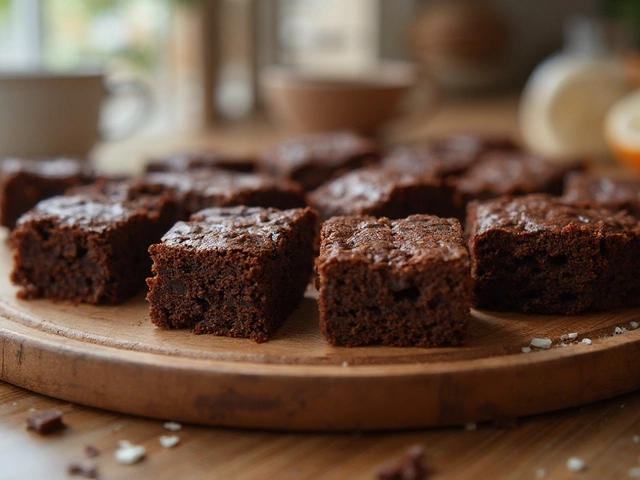
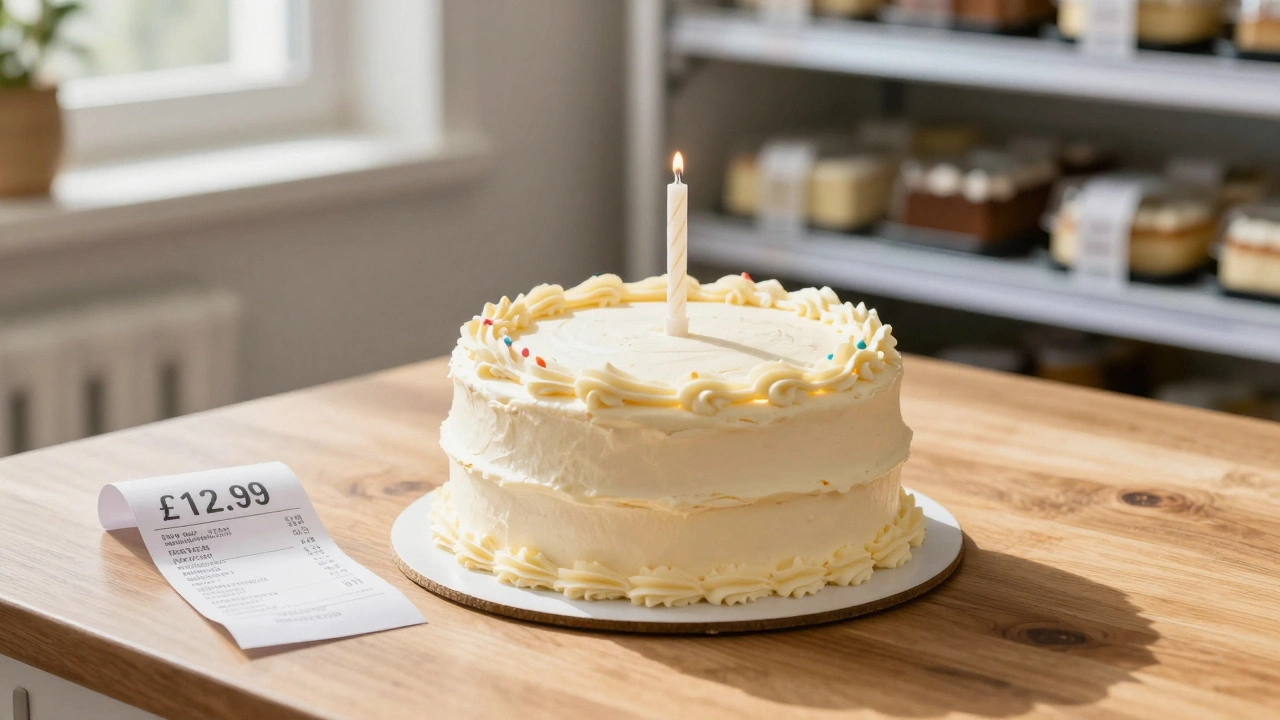
When people say ‘normal cake,’ they usually mean a basic round or square birthday cake-two layers, vanilla or chocolate sponge, buttercream frosting, maybe a few sprinkles or a single candle. No fondant figures, no intricate piping, no edible photos. Just something sweet to celebrate with.
In 2025, the average price for this kind of cake in the UK ranges from £15 to £35. That’s the sweet spot for most families. But here’s the catch: that price changes dramatically depending on where you get it. A cake from a large chain like Marks & Spencer or Tesco will be cheaper, but it’s mass-produced. A cake from a small bakery in Brighton or Bristol? That’s handmade, often with real vanilla, free-range eggs, and no preservatives. You’re paying for quality, not just quantity.
Supermarket Cakes: The Budget Option
If you’re looking to keep costs low, supermarkets are your go-to. A basic 6-inch round cake with buttercream and a plastic candle from Tesco, Sainsbury’s, or ASDA costs between £10 and £15. These cakes are baked in large factories, shipped in bulk, and stocked in the chilled section. They’re fine for a quick office party or a child’s birthday when you’re on a tight budget.
But here’s what you’re not getting: freshness. Most supermarket cakes sit on shelves for days. The buttercream is often made with vegetable fat, not real butter. The sponge can be dry. And if you want a custom message? That’s an extra £5. No one’s going to hand-pipe your kid’s name in icing-it’s printed on a wafer paper sticker.
For £15, you’re paying for convenience, not craftsmanship. And if you’ve ever bitten into a supermarket cake that tasted like cardboard and artificial vanilla, you know why many people skip them.
Bakery Cakes: The Sweet Spot
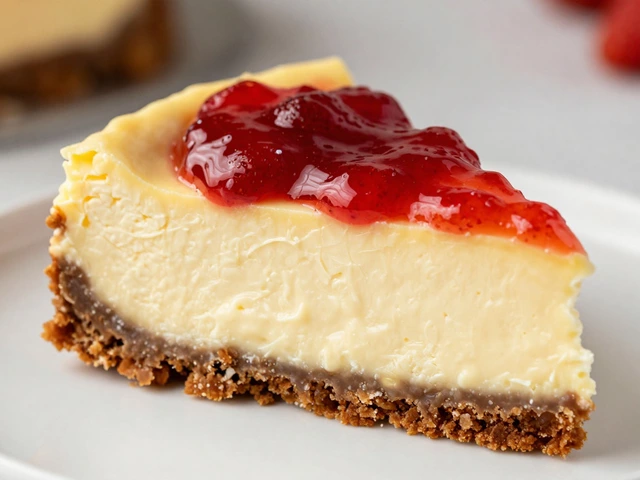
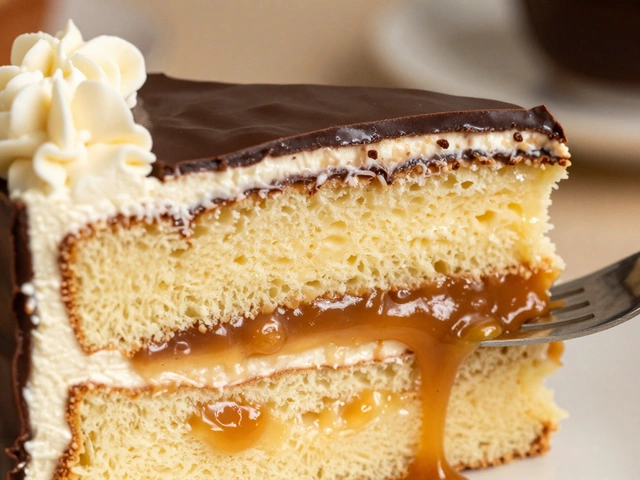
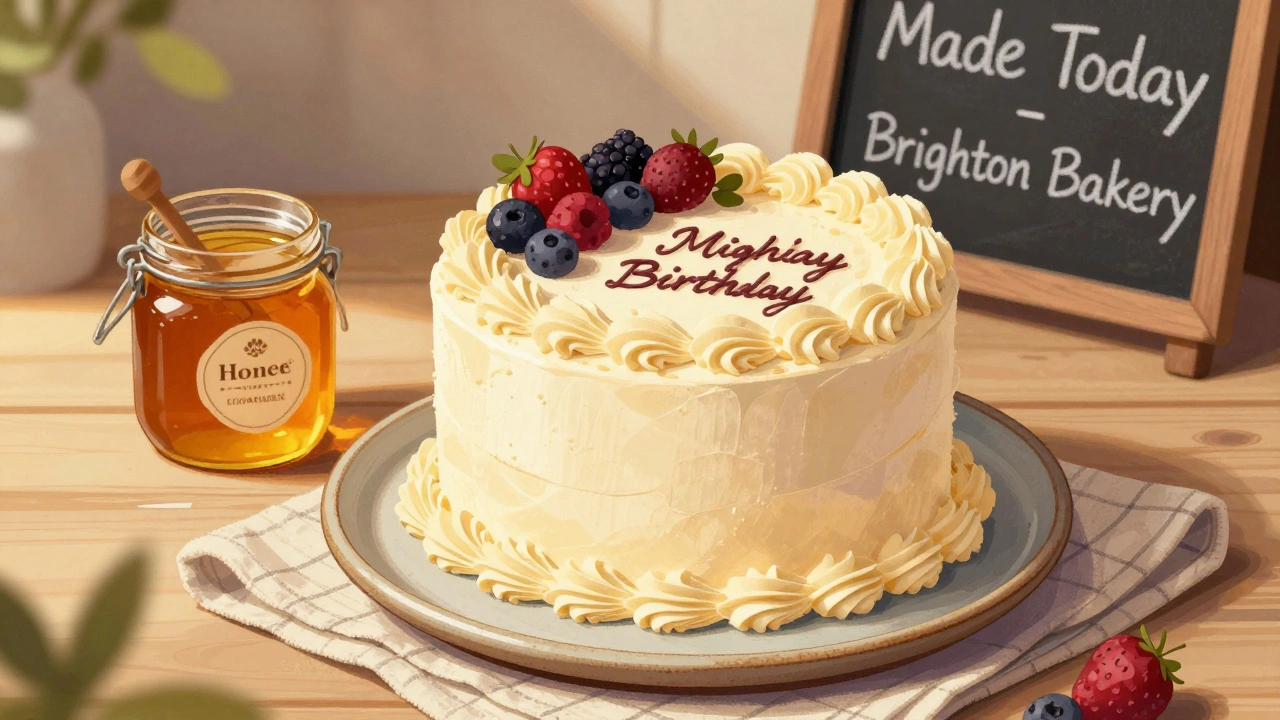
Go to a local bakery, and you’ll see the difference. A standard 8-inch two-layer cake with buttercream frosting, filled with jam or custard, and decorated simply costs £25 to £35. That’s the price most people pay for a ‘normal’ cake when they want something better than the supermarket.
Why the jump? Because bakeries use real ingredients. Butter from local dairies. Free-range eggs. Vanilla beans, not extract. They bake in small batches. The cake is made the morning of pickup or delivery. The frosting is whipped fresh. And yes, they’ll write your kid’s name in piping-by hand.
In Brighton, where food quality matters, many bakeries even offer organic flour and plant-based butter options. You might pay £32 for a cake, but you’re also paying for transparency. Ask the baker where the sugar comes from, and they’ll tell you. That’s worth something.
Custom Cakes: What Happens When You Go Beyond Normal
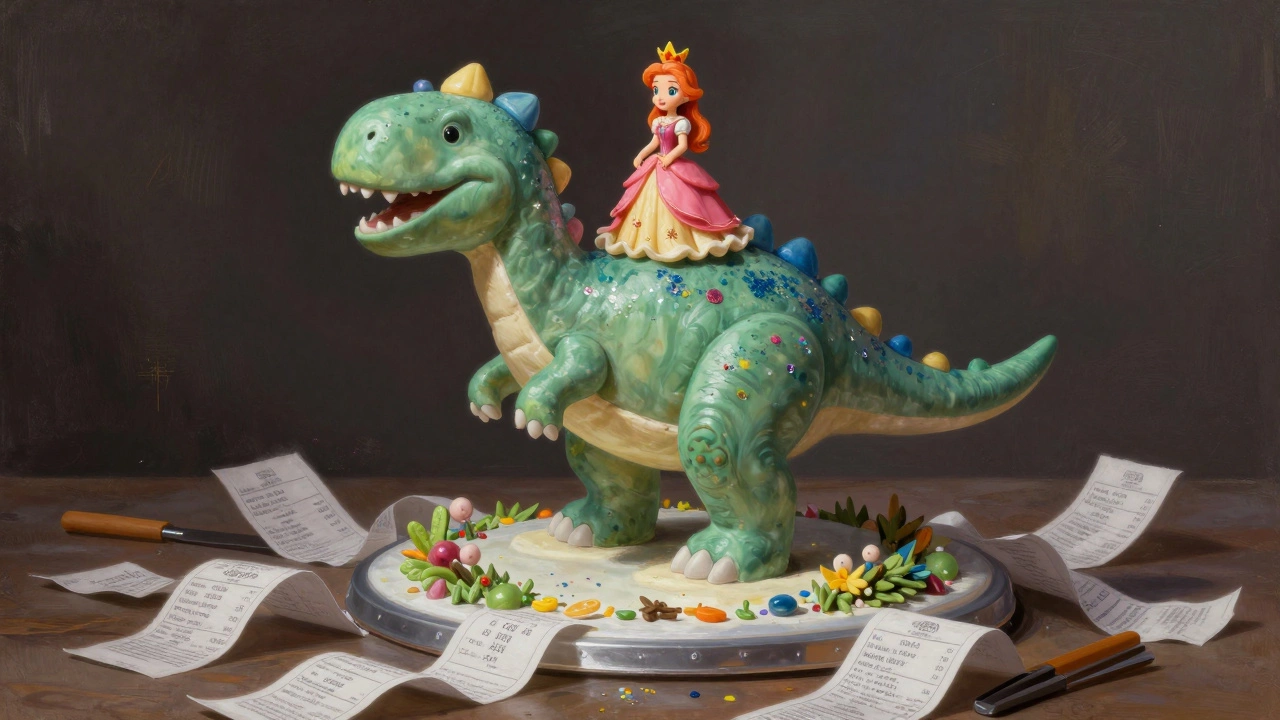
Now, if you want a cake shaped like a dinosaur, covered in fondant, with edible glitter and a figurine of your niece as a princess? That’s not a ‘normal’ cake anymore. That’s custom.
Custom cakes start at £50 and can easily hit £100-£150. Why? Because they take hours. A skilled cake artist might spend 6-10 hours on a single cake-designing, baking, leveling, filling, crumb-coating, chilling, piping, sculpting, painting. That’s not just baking. That’s art.
Some bakeries charge by the hour. Others charge based on complexity. A simple fondant bow might add £10. A hand-sculpted character? That’s £40 extra. And if you want it delivered? Add another £10-£15 for transport and insurance.
Most people don’t need this. But if you’re throwing a milestone birthday-say, a 50th or a first birthday with a theme-then it’s not just a cake. It’s the centerpiece.
Homemade: The Hidden Cost
Some people think baking at home saves money. And sometimes it does. But only if you already have the tools and ingredients.
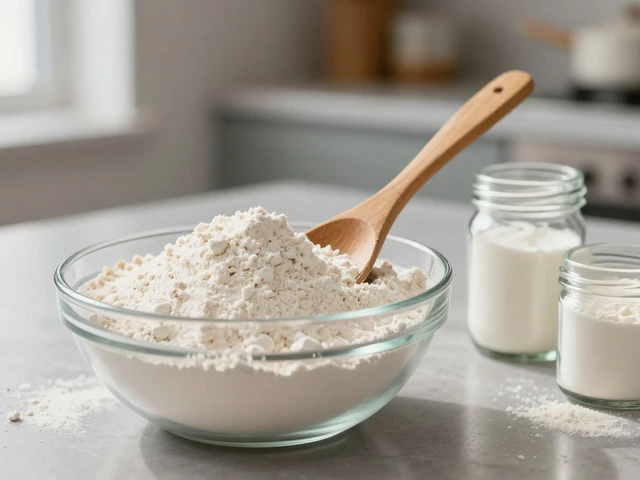
Let’s say you bake a cake from scratch: flour, sugar, eggs, butter, vanilla, baking powder, food colouring. The ingredients for a two-layer cake cost about £8-£12. Sounds cheap, right?
But then there’s the time. Baking, cooling, assembling, frosting, decorating-it takes 3-4 hours. If you value your time at £10 an hour, you’ve already spent £30-£40. Add in the cost of your oven’s electricity, your mixing bowls, your cake tins, your piping bags that wear out after three uses. Suddenly, you’re not saving much.
And let’s not forget the risk. A lopsided cake, a burnt bottom, a frosting disaster-those aren’t just embarrassing. They’re wasted ingredients and time. Most people who bake at home do it for the joy, not the savings.
Delivery and Extras: The Sneaky Costs
Many people forget the hidden fees. A £28 cake might seem affordable-until you see the delivery charge.
Most local bakeries charge £5-£10 for delivery within a 5-mile radius. Outside that? £15-£20. And if you need it at a specific time-say, 4 p.m. sharp for a party-you might pay a rush fee. Some bakeries charge £10 extra for same-day orders.
Then there’s the cake stand. Some places include it. Others charge £5 to rent one. Candles? Usually free. But if you want biodegradable glitter or edible flowers? That’s £3-£8 extra.
And don’t forget taxes. In the UK, cakes are zero-rated for VAT if they’re plain and meant to be eaten. But if you add decorations like fondant figures or chocolate sculptures, it becomes a luxury item-and gets taxed at 20%. That’s another £5-£7 tacked onto a £35 cake.
What You’re Really Paying For
At the end of the day, you’re not just buying cake. You’re buying:
- Time-someone else’s hours spent baking and decorating
- Quality-real butter, fresh eggs, no preservatives
- Expertise-knowing how to make a cake that doesn’t collapse
- Convenience-no mess, no cleanup, no stress
- Emotion-a cake that says, ‘I cared enough to get this right’
That’s why a £30 cake feels worth it. It’s not about the sugar. It’s about the celebration.
How to Save Without Sacrificing
You don’t need to spend £50 to have a great cake. Here’s how to get the best value:
- Order ahead. Same-day orders cost more. Book 3-5 days in advance for the best price.
- Keep it simple. Skip fondant. Stick to buttercream. Fewer decorations = lower price.
- Go local, not fancy. A small bakery in your town is cheaper than a ‘premium’ one in the city centre.
- Buy the cake, bring your own stand and candles. Most bakeries won’t charge extra if you provide them.
- Check for seasonal deals. Many bakeries offer 10% off in January or February when demand drops.
And if you’re on a tight budget? A £15 supermarket cake with fresh fruit on top and a handwritten card looks just as lovely-and costs less than a coffee.