Brownie Troubleshooter & Diagnosis Tool
Click on the issue you experienced:
Diagnosis Result:
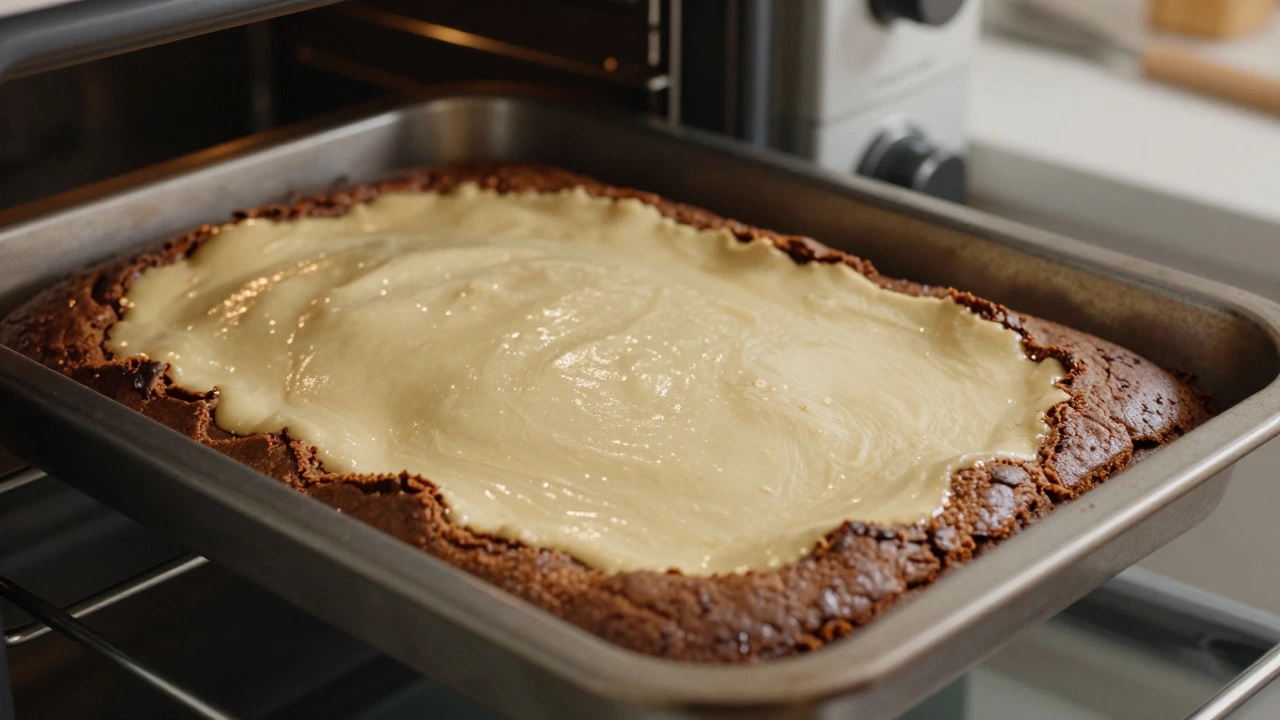
You pull the tray out of the oven, expecting that signature dark, crinkly crust. Instead, you’re staring at a matte, pale, almost doughy-looking surface. It’s not burnt. It’s not undercooked in the middle (hopefully). It just looks... wrong. If your brownie top is pale instead of glossy and cracked, it’s usually a signal that something went off-track during the mixing or baking phase. But don’t throw them away yet. There are ways to salvage the texture, and more importantly, there are specific steps to ensure your next batch hits that perfect fudgy standard.
Why Your Brownie Top Is Pale
To fix the problem, you first have to understand why it happened. A proper brownie crust isn't magic; it's chemistry. The shiny, crackly top forms when sugar dissolves in the eggs and butter, then recrystallizes as it bakes. If that layer stays pale, one of three things likely failed: temperature, mixing, or ingredients.
The most common culprit is an oven that runs cool. Many home ovens aren't accurate. If you set it to 350°F (175°C) but it’s actually sitting at 325°F (160°C), the inside will cook slowly, but the top won't get the intense initial heat needed to form that crust. Another possibility is over-mixing. If you beat air into the batter after adding the flour, you turn dense brownies into airy cake. Cake rises evenly and stays pale; brownies stay flat and develop a crust.
Can You Fix a Pale Brownie After Baking?
Here is the hard truth: you cannot really "add" a crust to a baked brownie. The structural change has already happened. However, you can improve the appearance and texture before serving. Here are your best options for rescue missions.
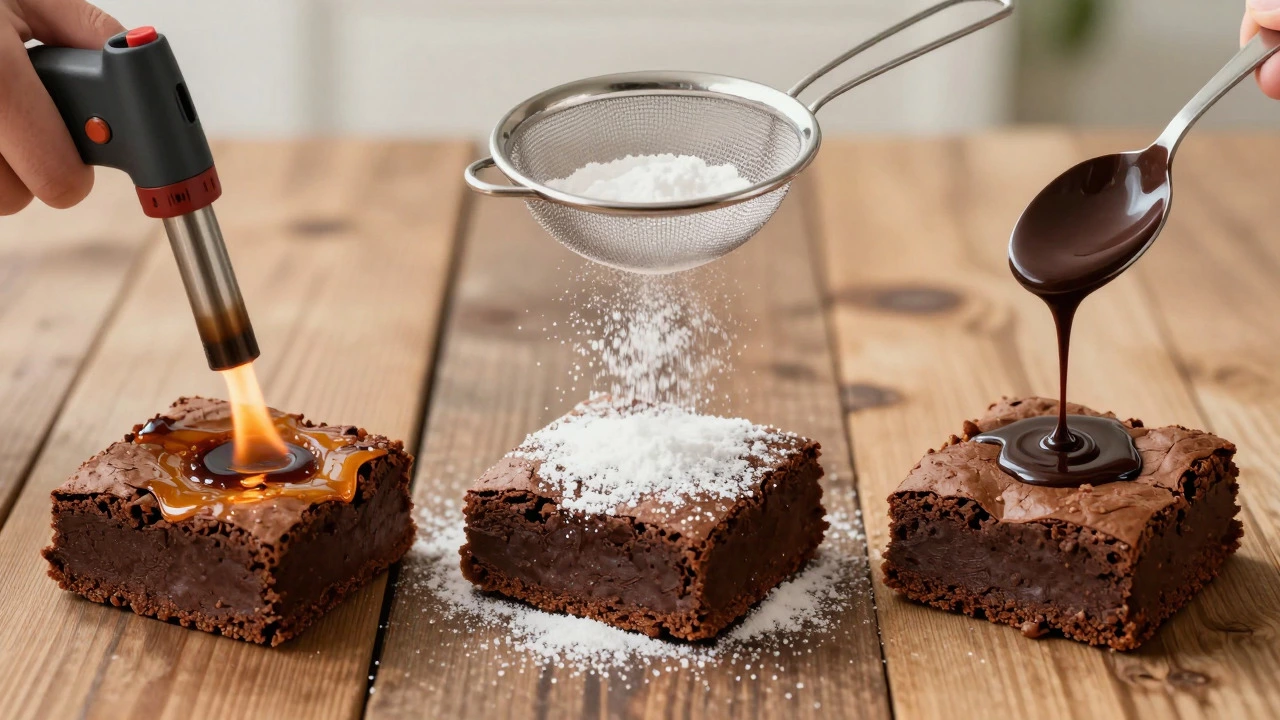
- The Torch Method: If the brownies are fully cooked inside but look raw on top, use a kitchen blowtorch. Briefly pass the flame over the surface. This will caramelize any residual sugar on top, giving you that dark, glossy look without overcooking the center. Be quick-seconds matter here.
- Sugar Dusting: Sprinkle a thin layer of granulated sugar over the warm brownies immediately after taking them out of the oven. As they cool, the sugar will melt slightly into the surface, creating a subtle crystalline crust that mimics the natural crackle.
- Chocolate Glaze: If the texture is too cakey, hide it. Melt some high-quality dark chocolate with a splash of heavy cream and drizzle it over the cooled squares. This adds richness and masks the pale appearance entirely.
If the brownies are undercooked in the middle because you tried to bake them longer to darken the top, cut them into smaller pieces and return them to the oven for short bursts. Watch them like a hawk.
How to Prevent Pale Tops Next Time
Prevention is always easier than cure. To guarantee that crinkly, dark top, you need to control three variables: fat content, mixing technique, and oven calibration.
1. Use More Butter, Less Oil
While oil makes brownies moist, butter contributes to the crust formation. Water in the butter evaporates, helping the structure set, while the milk solids contribute to browning. For a classic fudgy brownie, stick to unsalted butter. Avoid substituting all of it with vegetable oil if you want that signature top.
2. Stop Mixing Early
This is where most people go wrong. When you add the dry ingredients (flour, cocoa powder, salt) to the wet mixture, mix only until combined. You should still see streaks of flour. Over-mixing develops gluten, which makes the brownie tough and cakey. A pale top often accompanies a cakey interior because the batter was aerated too much.
3. Check Your Oven Temperature
Buy an inexpensive oven thermometer. Place it in the center of your oven. If the dial says 350°F but the thermometer reads 320°F, adjust accordingly. You might need to bake at 375°F (190°C) to compensate for a cool oven. Higher initial heat helps set the top quickly before the rest of the brownie finishes cooking.
4. Don't Cover with Foil Too Early
If you notice the edges are browning too fast, you might be tempted to cover the pan with aluminum foil. Do this only in the last few minutes if necessary. Covering the pan traps steam, which keeps the top soft and pale. Only use foil if the bottom is burning, not if the top is pale.
Brownie Troubleshooting Checklist
Use this table to diagnose your specific issue based on the final result.
| Symptom | Likely Cause | Solution |
|---|---|---|
| Pale, smooth top | Oven too cool, over-mixed batter, or covered with foil | Calibrate oven, mix less, bake uncovered |
| Cakey, light texture | Too much flour, too many eggs, or over-mixing | Weigh ingredients, reduce eggs, stop mixing early |
| Gummy, undercooked center | Under-baked or too much liquid/fat | Bake longer, check internal temp (175°F/80°C) |
| Cracked, uneven top | Normal for fudgy brownies, or oven rack too low | No fix needed, or move rack to center position |
| Dry, crumbly texture | Over-baked or too little fat | Reduce baking time, increase butter/oil ratio |
The Role of Ingredients in Browning
Not all chocolates are created equal. The type of cocoa or chocolate you use affects the final color. Natural cocoa powder is lighter and more acidic, while Dutch-processed cocoa is darker and alkalized. If you switch from natural to Dutch-processed, your brownies will naturally appear darker, even if the top doesn't crust properly. However, relying solely on dark cocoa won't fix a pale crust caused by poor technique.
Eggs play a dual role. They provide structure and emulsification. One whole egg plus two yolks is a common ratio for fudgy brownies. The extra yolk adds fat and richness, contributing to a denser, darker crumb. Using only whites can lead to a lighter, paler, and more cake-like result.
Pro Tips for the Perfect Batch
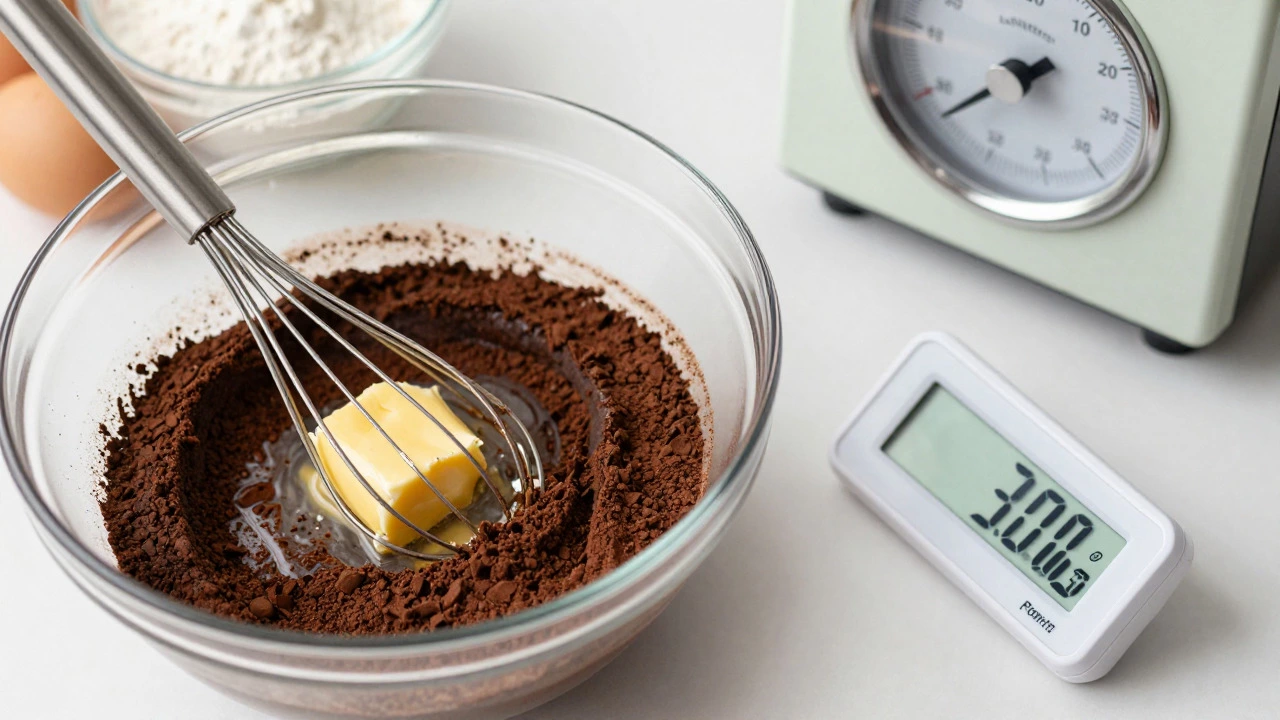
- Melt the butter completely: Don't just soften it. Melt it until it's liquid. This ensures the sugar dissolves properly, which is key for the crust.
- Use a glass or metal pan: Dark metal pans absorb heat faster, which can help with browning but risks burning the bottom. Glass pans distribute heat evenly but may require a slightly lower temperature. Light-colored aluminum pans are the safest bet for consistent results.
- Let them cool completely: Brownies continue to cook as they cool due to residual heat. Cutting them while hot can make them fall apart and reveal a gummy interior. Patience is key.
- Add-ins matter: Walnuts or pecans add crunch but can interfere with the smooth crust if they float to the top. Press them gently into the batter rather than sprinkling them on top.
Frequently Asked Questions
Why is my brownie top pale and shiny?
A pale, shiny top usually indicates that the sugar didn't caramelize properly. This can happen if the oven temperature was too low, the brownies were covered with foil during baking, or the batter was over-mixed, preventing the formation of the characteristic crackly crust.
Can I fix a pale brownie by putting it back in the oven?
You can try increasing the oven temperature and baking for a few more minutes, but be careful not to overcook the center. A better option is to use a kitchen torch to caramelize the surface sugar quickly without affecting the interior texture.
Does using Dutch-process cocoa make brownies darker?
Yes, Dutch-processed cocoa is alkalized, which neutralizes acidity and results in a darker color and milder flavor compared to natural cocoa powder. While it helps with overall color, it won't fix a pale crust caused by improper baking techniques.
Should I grease the pan to prevent sticking?
Lightly greasing the sides of the pan is helpful, but avoid greasing the bottom. Brownies need to grip the bottom of the pan to rise slightly and form a crust. Lining the pan with parchment paper is the best method for easy removal without sacrificing texture.
Why did my brownies turn out cakey instead of fudgy?
Cakey brownies are usually the result of over-mixing the batter, using too much flour, or having too many eggs relative to the amount of fat. Fudgy brownies require a higher fat-to-flour ratio and minimal mixing once the dry ingredients are added.