
Gluten-Free Ingredient Safety Checker
Check if your ingredient is gut-friendly
Enter any gluten-free baking ingredient to see if it's likely to cause bloating or is gentle on your gut.
If you’ve ever eaten a slice of cake, felt fine at first, and then spent the next three hours feeling like you swallowed a beach ball, you’re not alone. That swollen, tight, uncomfortable feeling in your belly - often called a gluten belly - doesn’t always mean you have celiac disease. It could just be your body reacting to gluten, even if you don’t have a diagnosed condition. And if you’re someone who loves baking or eating desserts, especially cakes, this can feel impossible to avoid.
What exactly is a gluten belly?
A gluten belly isn’t a medical diagnosis. It’s a term people use to describe bloating, gas, stomach pain, and that heavy, distended feeling after eating foods with gluten. Gluten is a protein found in wheat, barley, and rye. For some people, even small amounts trigger inflammation in the gut, slow digestion, and cause fluid retention. It’s not just about being allergic - it’s about your body struggling to process it cleanly.
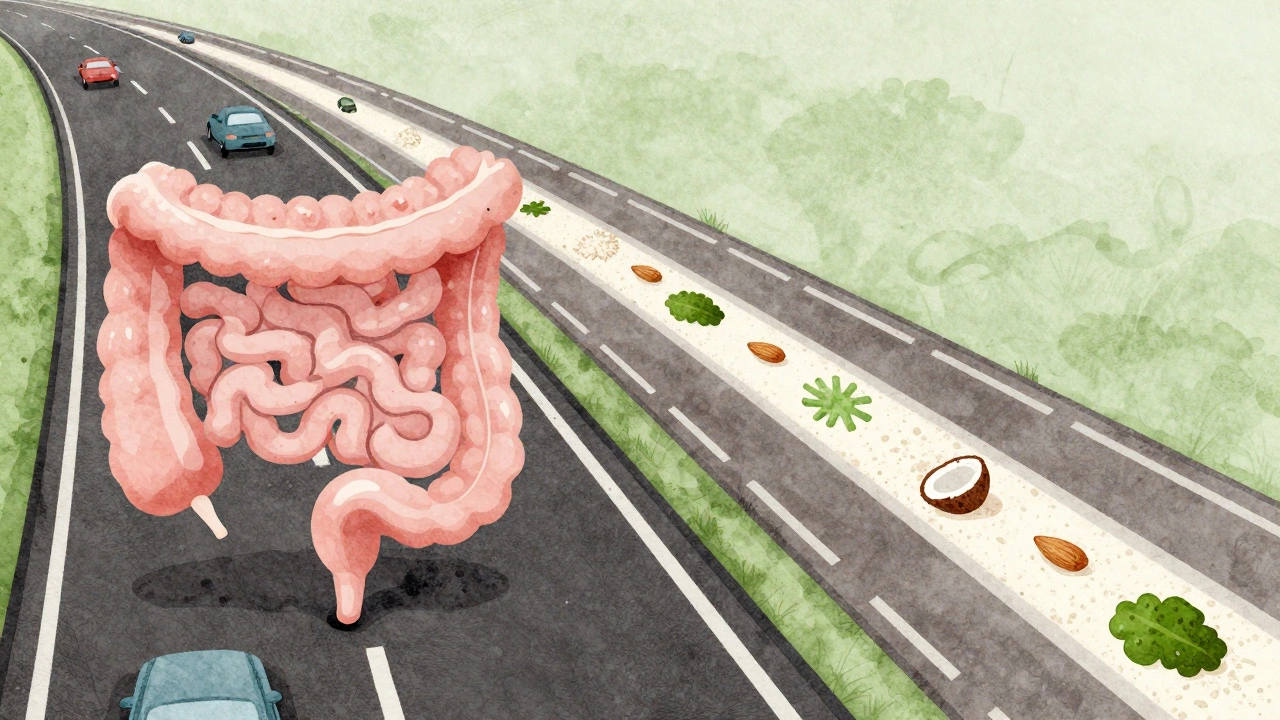
Think of it like this: your gut is a busy highway. Gluten can act like a roadblock. Traffic backs up. Bloating happens. And the cake you thought was a treat? Turns into a digestive headache.
Why gluten-free cakes help - but not always
Switching to gluten-free cakes sounds like the obvious fix. And for many, it works. But here’s the catch: not all gluten-free cakes are created equal. Many store-bought or even homemade gluten-free cakes replace wheat flour with rice flour, potato starch, or tapioca - all highly processed carbs that can spike blood sugar and still cause bloating. They might be gluten-free, but they’re not gut-friendly.
One woman in Brighton told me she switched to gluten-free cakes for months and still felt bloated. She finally realized her cakes were loaded with xanthan gum, corn syrup, and refined sugars. The gluten was gone, but the triggers weren’t.
How to actually get rid of a gluten belly
Getting rid of a gluten belly isn’t just about removing gluten. It’s about rebuilding your gut environment. Here’s what actually works:
- Go 100% gluten-free for at least 4 weeks - no exceptions. That includes sauces, soups, soy sauce, and even some candies. Gluten hides everywhere. Keep a food journal. Note what you eat and how you feel each day.
- Swap processed gluten-free flours for whole-food alternatives - almond flour, coconut flour, oat flour (certified gluten-free), and buckwheat flour digest better. They’re higher in fiber and protein, which helps regulate digestion. Try a simple almond flour cake recipe - it’s dense, moist, and doesn’t need gums or starches.
- Reduce added sugars and artificial sweeteners - even in gluten-free baking. Sugar feeds bad gut bacteria. Erythritol and stevia are better than sucrose, but too much can still cause gas. Stick to natural sweetness: mashed banana, dates, or a touch of maple syrup.
- Add fermented foods daily - sauerkraut, kefir, plain yogurt with live cultures. These help restore good bacteria. One tablespoon of sauerkraut with breakfast can make a noticeable difference in bloating within days.
- Drink more water and reduce alcohol - gluten can dehydrate your gut lining. Alcohol irritates it further. Swap one daily glass of wine for sparkling water with lemon.
Best gluten-free cake recipes for reducing bloating
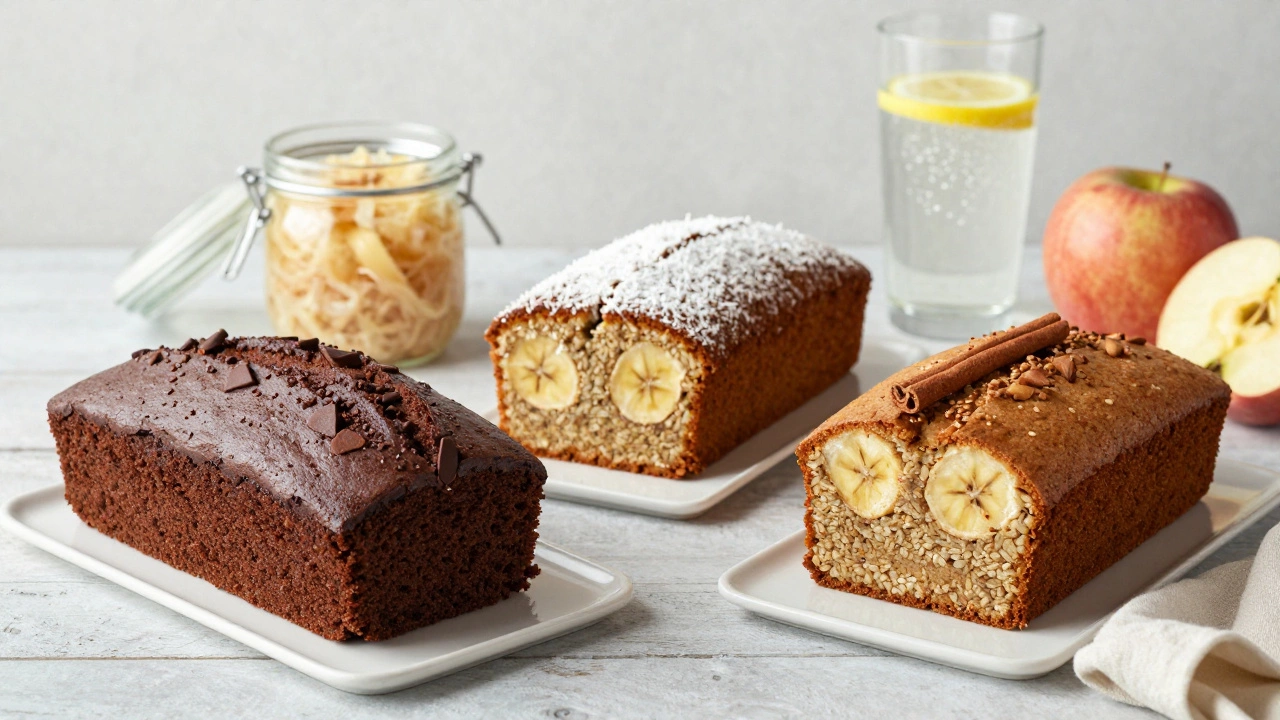
Not all gluten-free cakes are equal. Here are three that actually support gut health:
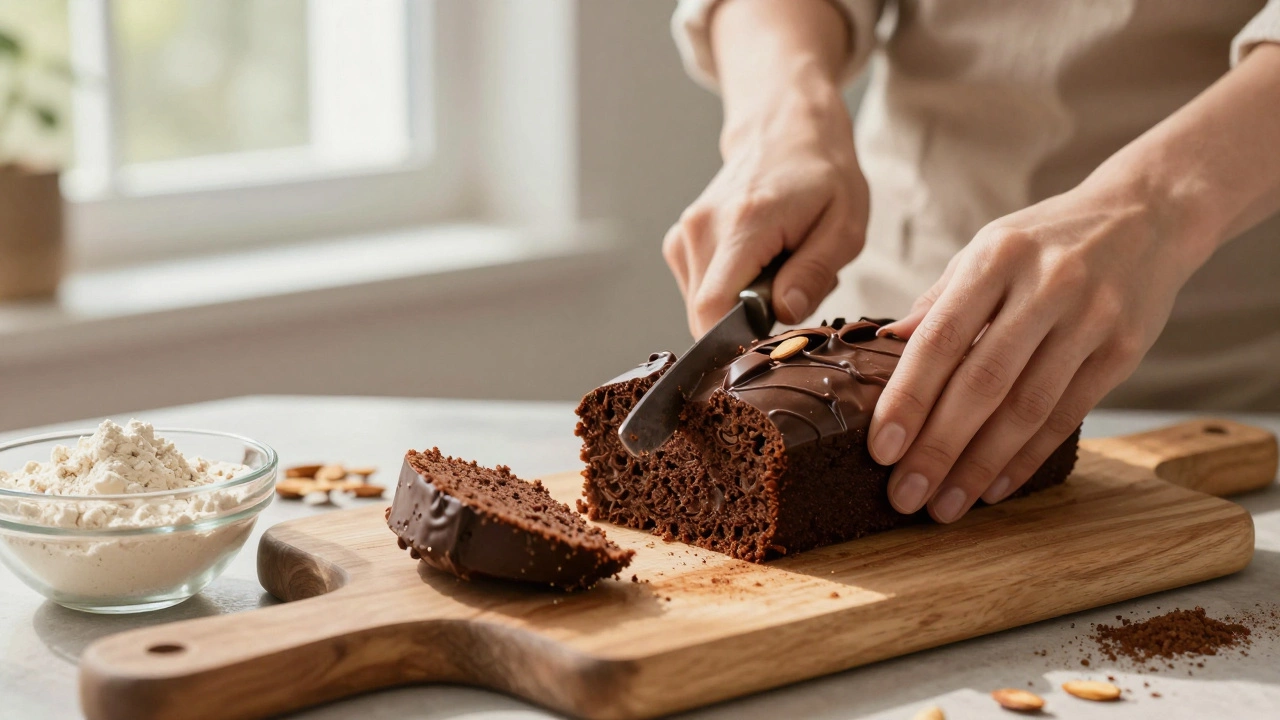
- Almond Flour Chocolate Cake - Uses almond flour, cocoa powder, eggs, coconut oil, and maple syrup. No gums. No starches. High in healthy fats and protein. One slice won’t spike your blood sugar.
- Coconut Flour Banana Cake - Coconut flour absorbs a lot of liquid, so it’s naturally low-carb. Combine with ripe bananas, eggs, vanilla, and a pinch of cinnamon. Moist, naturally sweet, and easy to digest.
- Buckwheat & Apple Spice Cake - Buckwheat isn’t wheat. It’s a seed. High in fiber and magnesium. Pair with grated apple, cinnamon, and a touch of honey. Bakes up tender and satisfying without the puffiness.
These recipes avoid xanthan gum, guar gum, and refined starches - the usual culprits behind gluten-free bloating. You’ll notice the difference in texture, too. They’re denser, not airy like traditional cakes. That’s a good thing.
What to avoid in gluten-free baking
Here’s what still causes bloating, even in gluten-free cakes:
- Xanthan gum - Used to mimic gluten’s stretchiness. Can cause gas and cramping in sensitive people.
- White rice flour - A refined carb that acts like sugar in your gut.
- Modified food starch - Often made from corn or potato. Hard to digest.
- Artificial flavors and colors - Not gluten, but they irritate the gut lining.
- High-fructose corn syrup - Found in many pre-made gluten-free mixes. A major bloating trigger.
Read labels like you’re solving a puzzle. If you can’t pronounce it, it’s probably not helping your belly.
How long until the bloating goes away?
Most people notice less bloating within 7-10 days of cutting out gluten and switching to whole-food gluten-free baking. Full gut healing takes 4-6 weeks. If you still feel swollen after six weeks, there might be another trigger - dairy, FODMAPs, or stress. Keep tracking. You might need to eliminate more than just gluten.
One client I worked with in Brighton kept eating gluten-free cakes and still felt bloated. We found she was reacting to the dairy in her butter substitute. Once she switched to coconut oil and oat milk, the bloating vanished.
Realistic expectations
Getting rid of a gluten belly doesn’t mean you’ll never feel full after eating again. Everyone feels full after cake - that’s normal. But you shouldn’t feel like you’ve swallowed a balloon. If you’re still bloated, tight, or gassy after meals, you’re still feeding your gut something it doesn’t like.
Think of it as cleaning out a closet. You don’t just throw away one item - you sort through everything. Gluten is the big one. But sugar, additives, and processed fats are the clutter that’s still taking up space.
What to do next
Start small. Pick one gluten-free cake recipe from above. Bake it this weekend. Eat it slowly. Notice how your body feels the next day. Write it down. Then try another. In four weeks, you’ll know what works for you.
You don’t have to give up cake. You just have to bake it differently. And when you do, your belly will thank you.
Can gluten-free cakes still cause bloating?
Yes. Many gluten-free cakes use rice flour, starches, gums, and added sugars that can still cause bloating. The problem isn’t always gluten - it’s the other ingredients used to replace it. Look for recipes with whole-food flours like almond, coconut, or buckwheat, and avoid gums and refined carbs.
How long does it take to see results after going gluten-free?
Most people notice less bloating within 7 to 10 days. Full gut recovery can take 4 to 6 weeks. If you don’t see improvement after six weeks, other triggers like dairy, FODMAPs, or stress may be involved. Keep a food journal to track patterns.
Is xanthan gum bad for a gluten belly?
It can be. Xanthan gum is a common thickener in gluten-free baking, but it’s a fermentable fiber that can cause gas and bloating in sensitive people. Many find relief by switching to recipes that use eggs or ground flaxseed for binding instead.
Can I eat gluten-free cakes every day?
Even gluten-free cakes should be an occasional treat. Most are still high in calories and low in nutrients. Focus on whole foods like vegetables, legumes, eggs, and nuts as your daily staples. Use gluten-free cakes as a celebration, not a daily habit.
What’s the best flour for gluten-free cakes that don’t bloat?
Almond flour, coconut flour, and certified gluten-free buckwheat flour are the best options. They’re high in fiber and protein, low in refined carbs, and don’t require gums or starches. Avoid white rice flour and tapioca starch - they’re the most likely to cause bloating.
Popular Posts

Can You Simply Pick Up a Costco Birthday Cake?
Nov, 29 2024

Exploring the Delight: All About Macaron Towers
Nov, 5 2024