Gluten-Free Mozzarella Checker
Check Your Mozzarella
Enter the ingredients list from your mozzarella packaging to verify if it's safe for gluten-free diets.
Enter ingredients to see if your mozzarella is gluten-free
When you're baking a gluten-free cake, every ingredient matters. You check the flour, the baking powder, even the vanilla extract. But what about mozzarella? It’s a common ingredient in desserts like baked cheesecakes, ricotta-mozzarella tarts, or even sweet stuffed pastries. If you’re avoiding gluten-whether for celiac disease, a wheat allergy, or just personal preference-you need to know: is mozzarella gluten-free?
Mozzarella is naturally gluten-free
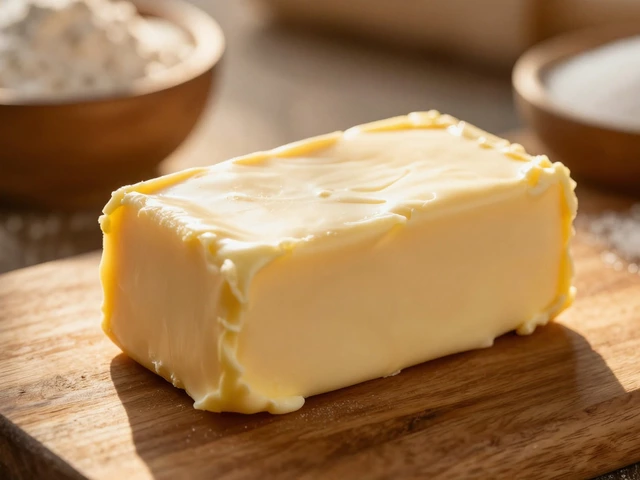
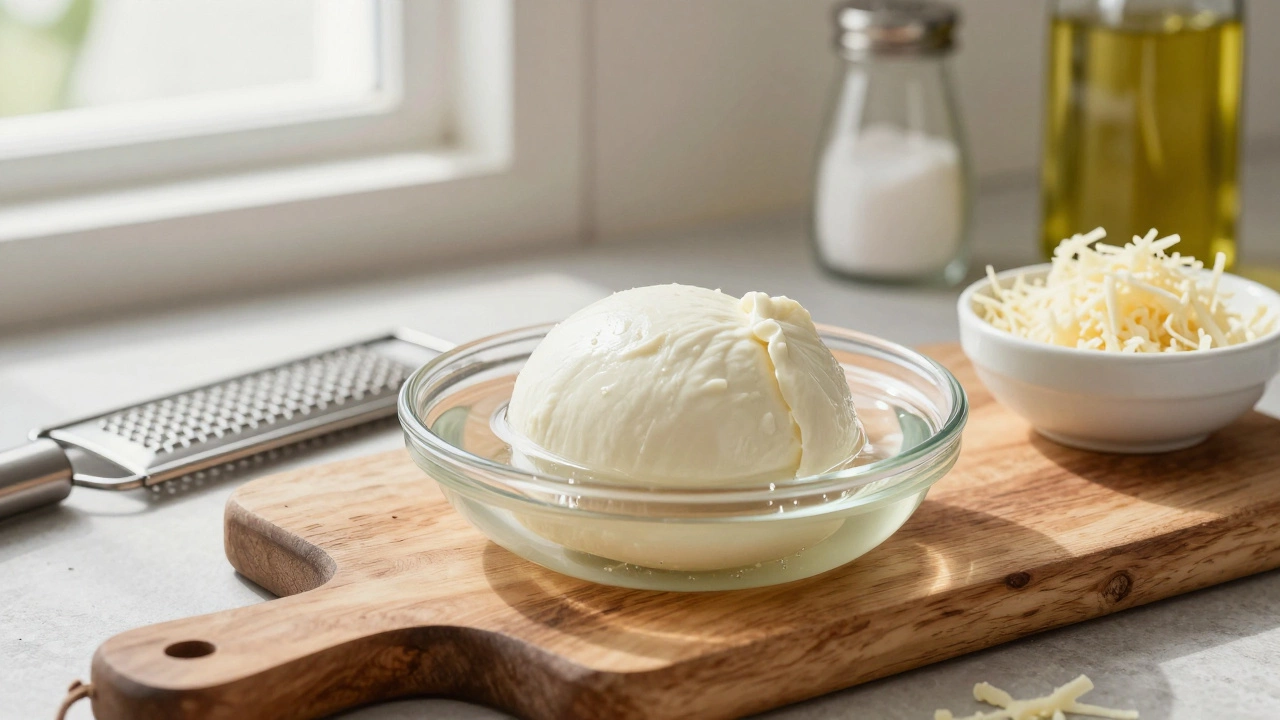
Mozzarella cheese starts with just three things: milk, rennet, and cultures. None of those contain gluten. Gluten is a protein found in wheat, barley, and rye. It doesn’t occur naturally in dairy. That means plain, fresh mozzarella-whether it’s the soft, milky kind sold in water or the firmer, low-moisture version used for baking-is inherently gluten-free.
Think about it: cows don’t eat wheat and turn it into cheese. Cheese is made by curdling milk. No grains involved. If you buy a block of mozzarella from the dairy case with nothing but ‘pasteurized milk, salt, bacterial culture, and enzymes’ on the label, you’re safe.
But processed mozzarella can be a problem
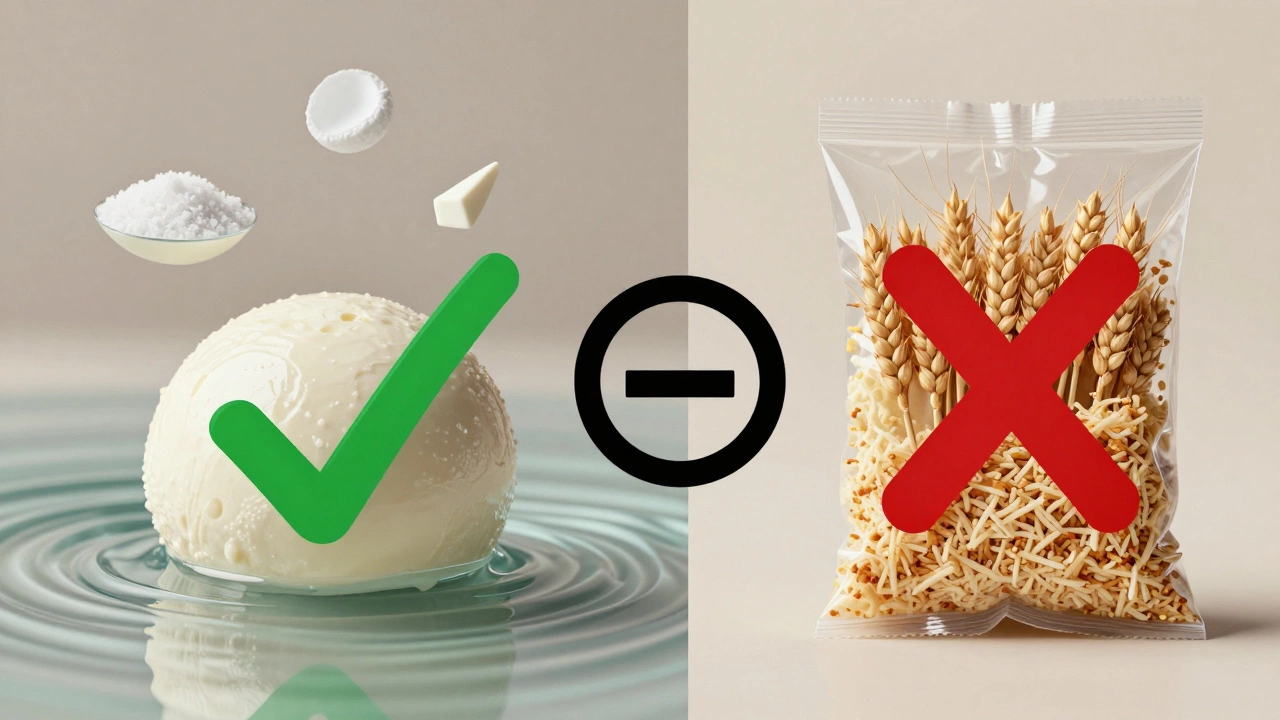
Here’s where things get tricky. Not all mozzarella is created equal. Pre-shredded mozzarella often has anti-caking agents added to keep the shreds from sticking together. Some of those agents-like modified food starch-can be made from wheat. Even if the starch is corn-based, cross-contamination during processing can still be an issue.
Pre-packaged mozzarella sticks or string cheese? Those are coated in breadcrumbs or batter in many cases. Even if the cheese inside is pure, the coating is usually made with wheat flour. Same goes for mozzarella balls that come in flavored brines-some brands add soy sauce, malt vinegar, or other gluten-containing seasonings to the liquid.
A 2023 study by the Celiac Support Association tested 47 brands of packaged mozzarella products. Of those, 12 contained detectable gluten above 20 ppm (the FDA’s threshold for labeling something gluten-free). All 12 had added ingredients like starches, seasonings, or coatings. The plain, whole-milk mozzarella in water? All passed.
How to spot gluten in mozzarella packaging
Reading labels isn’t optional if you’re gluten-sensitive. Here’s what to look for:
- Look for ‘gluten-free’ certification-a trusted logo from GFCO or NSF means the product was tested and made in a dedicated facility.
- Avoid ‘modified food starch’ unless it’s followed by ‘(corn)’ or ‘(potato)’. If it just says ‘starch’, assume it’s wheat unless proven otherwise.
- Check for flavorings and seasonings-terms like ‘natural flavors’, ‘smoke flavor’, or ‘spices’ can hide gluten. Some smoke flavoring is made with barley malt.
- Watch for shared equipment warnings-phrases like ‘made in a facility that also processes wheat’ aren’t a deal-breaker for everyone, but if you have celiac disease, it’s a red flag.
Stick to whole, unshredded mozzarella in water. Buy it from the deli counter where you can ask the staff if the cheese is handled on shared equipment. Or choose brands like Galbani, BelGioioso, or Sargento that clearly label their mozzarella as gluten-free.
Using mozzarella in gluten-free cakes and desserts
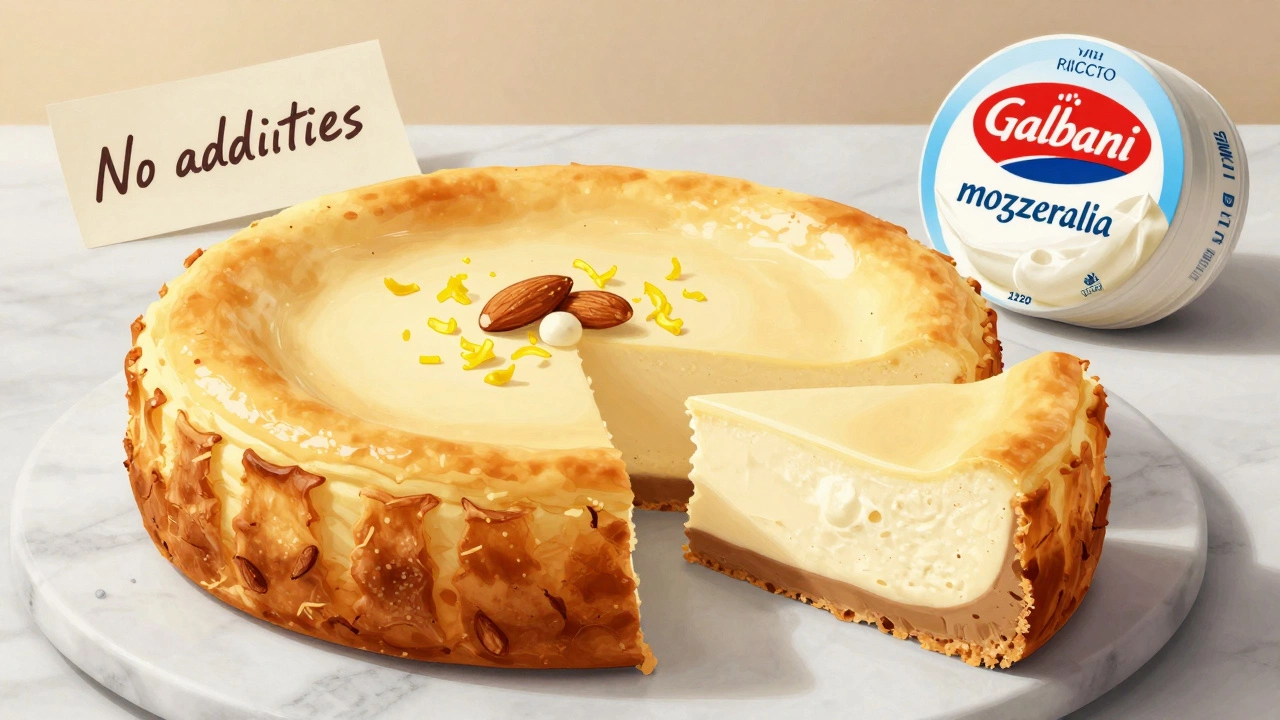
Yes, you can use mozzarella in gluten-free baking. It’s not common, but it works well in certain recipes. In Italian-style ricotta-mozzarella cheesecakes, it adds a creamy, mild texture that blends beautifully with eggs, sugar, and citrus zest. Some bakers even use low-moisture mozzarella in gluten-free pie crusts to add tenderness without gluten.
One popular gluten-free dessert recipe uses fresh mozzarella balls soaked in honey and lemon zest, then baked until golden. The cheese melts slightly, creating a custard-like center. It’s served with toasted almonds and a drizzle of olive oil-a simple, elegant dessert that’s naturally gluten-free if you use plain mozzarella.
Just make sure your other ingredients are safe too. If you’re making a gluten-free cake with mozzarella, double-check the sugar (some powdered sugars have anti-caking agents), the vanilla extract (some contain grain alcohol), and any flour blends you’re using.
What about lactose intolerance? Is mozzarella low-lactose?
While gluten isn’t an issue with plain mozzarella, some people confuse it with lactose intolerance. The good news: mozzarella is naturally low in lactose. During the cheese-making process, most of the lactose drains away with the whey. Fresh mozzarella still has some lactose-about 0.5-1 gram per ounce-but aged mozzarella has even less. Most people with mild lactose sensitivity can tolerate it fine.
If you’re both gluten-free and lactose-sensitive, look for lactose-free mozzarella. Brands like Green Valley Creamery and Lactaid make versions that are both gluten-free and lactose-free.
Real-world tip: What I use in my own gluten-free baking
In my kitchen in Brighton, I always buy whole-milk mozzarella balls packed in water. I drain them, pat them dry, and shred them myself with a box grater. That way, I know exactly what’s in it. I avoid anything labeled ‘pizza mozzarella’ or ‘shredded blend’-those almost always contain starches or additives.
I’ve made gluten-free tiramisu with mozzarella instead of mascarpone (yes, it works) and a no-bake cheesecake using fresh mozzarella and coconut cream. The texture is slightly different, but the flavor is clean and creamy. And best of all-I never had a reaction.
Bottom line: Yes, mozzarella can be gluten-free
Plain, unprocessed mozzarella is naturally gluten-free and safe for gluten-free baking. The risk comes from processing, packaging, and added ingredients. Always read labels. When in doubt, choose whole-milk mozzarella in water, shred it yourself, and keep it simple. Your gluten-free cake will thank you.
Is all mozzarella gluten-free?
No, not all mozzarella is gluten-free. Plain mozzarella made with just milk, salt, and cultures is naturally gluten-free. But pre-shredded, flavored, or processed versions may contain gluten through additives like modified food starch, seasonings, or coatings. Always check the label.
Can I use shredded mozzarella in gluten-free cakes?
Only if it’s labeled gluten-free and doesn’t contain anti-caking agents made from wheat starch. For safety, shred your own mozzarella from a block. That way, you control exactly what goes into your dessert.
Does mozzarella contain wheat?
No, mozzarella cheese itself does not contain wheat. Wheat is not an ingredient in traditional cheese-making. Any wheat presence comes from added ingredients during processing, not from the cheese itself.
Is fresh mozzarella safer than aged mozzarella for gluten-free diets?
Fresh mozzarella is generally safer because it has fewer additives. Aged mozzarella is less likely to have anti-caking agents, but it’s often sold pre-sliced or vacuum-sealed, which can mean shared equipment. Always check the label regardless of age.
What brands of mozzarella are reliably gluten-free?
Brands like Galbani, BelGioioso, Sargento, and Organic Valley label their plain mozzarella as gluten-free. Look for certification logos from GFCO or NSF. Avoid store-brand shredded mozzarella unless it explicitly states gluten-free.