Gluten-Free Sweet Potato Safety Checker
Is Your Sweet Potato Safe?
Check if your sweet potato product is safe for gluten-free baking based on form, processing, and labeling.
When you’re baking a gluten-free cake and reach for a sweet potato, you’re not just adding moisture and natural sweetness-you’re making a smart, nutrient-rich choice. But before you toss it into your batter, you might be asking: Is sweet potato gluten-free? The short answer is yes. Pure, unprocessed sweet potatoes contain no gluten. But the real question isn’t just about the tuber itself-it’s about what happens when it enters your kitchen, your recipe, and your pantry.
Why This Matters for Gluten-Free Baking
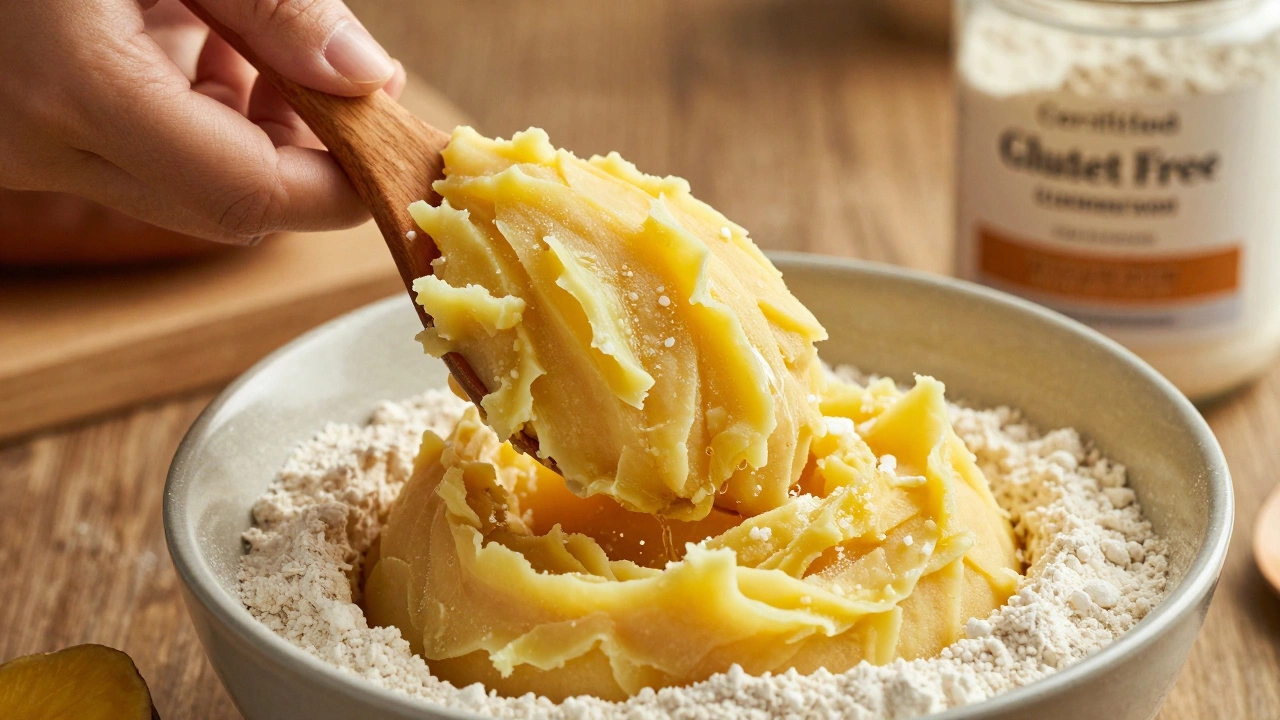
If you have celiac disease or non-celiac gluten sensitivity, even tiny amounts of gluten can trigger symptoms. That’s why every ingredient in a gluten-free cake needs to be double-checked. Sweet potatoes are naturally free of gluten proteins like gliadin and glutenin, which are found in wheat, barley, and rye. They’re a root vegetable, not a grain, so they don’t carry the same risk as oats or rice flour that might be cross-contaminated during processing.But here’s where people get tripped up: sweet potato flour. If you’re using store-bought sweet potato flour, you can’t assume it’s gluten-free just because the main ingredient is sweet potato. Many manufacturers process their flours on shared equipment with wheat. A 2023 study by the Gluten-Free Certification Organization found that 12% of sweet potato flour brands tested contained detectable gluten above 20 ppm-the legal limit for a gluten-free label in the U.S. and EU.
How to Use Sweet Potatoes Safely in Gluten-Free Cakes
To bake a cake that’s truly safe:- Use whole, fresh sweet potatoes-peel, steam, and mash them yourself. This eliminates any processing risk.
- If using canned sweet potato puree, read the label. Some brands add thickeners like modified food starch, which can be derived from wheat. Look for “gluten-free” certification on the can.
- When substituting flour, sweet potato flour can replace up to 30% of your gluten-free flour blend. It adds density and a subtle earthy sweetness, perfect for spice cakes or brownies.
- Never assume a product is safe just because it’s labeled “natural” or “organic.” These terms have no legal connection to gluten.
What About Cross-Contamination?
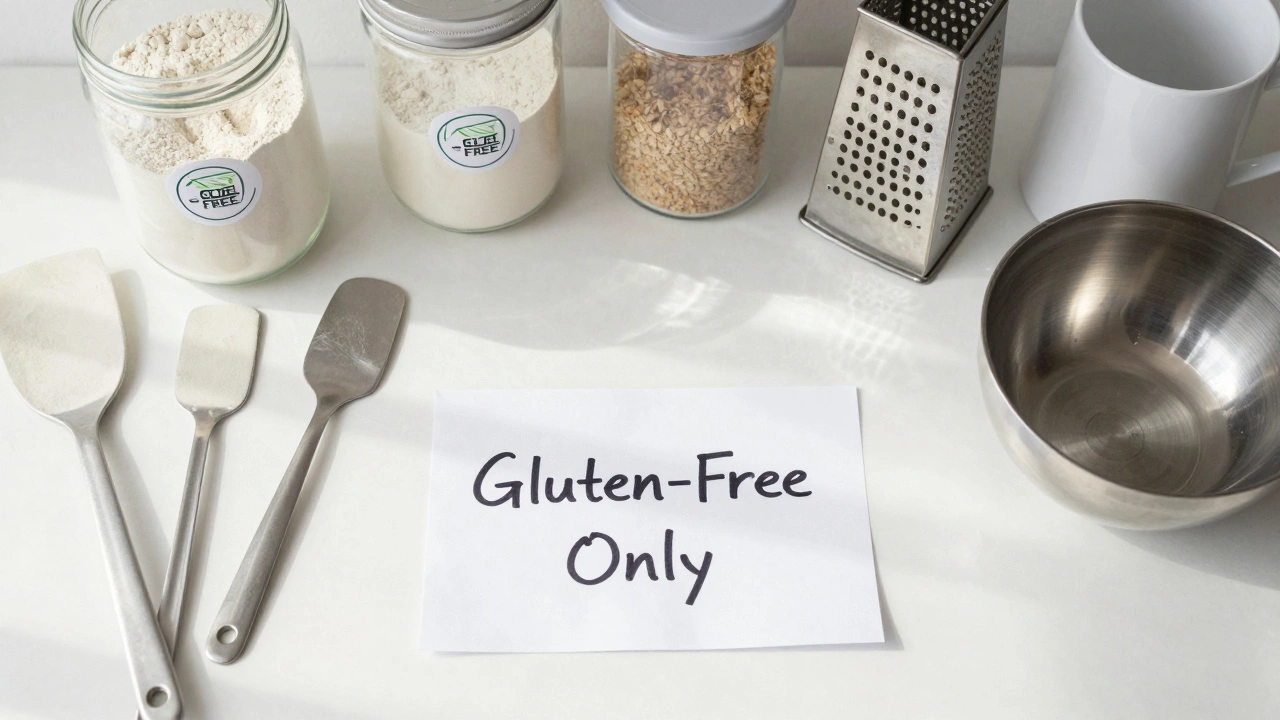
Even if your sweet potato is pure, your kitchen might not be. If you use the same grater, spoon, or mixing bowl that you’ve used for wheat-based cakes, you’re introducing gluten. A 2024 survey of 500 home bakers with celiac disease found that 41% had accidentally consumed gluten from shared utensils-even when using “gluten-free” ingredients.Here’s how to prevent it:
- Designate one set of tools for gluten-free baking only.
- Wash countertops, bowls, and spatulas with soap and water before use.
- Store sweet potatoes in a sealed container away from flour bins or bread crumbs.
- Wash your hands after handling wheat products before touching your gluten-free ingredients.
How Sweet Potatoes Improve Gluten-Free Cakes
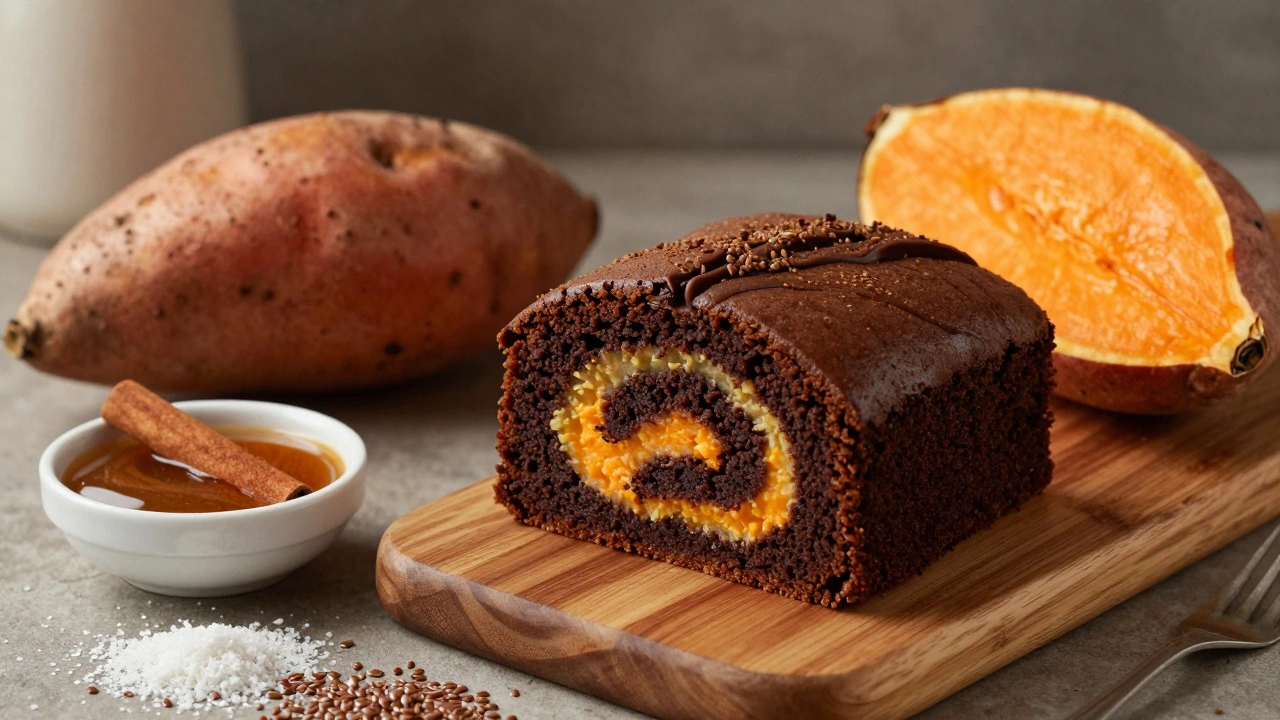
Sweet potatoes aren’t just safe-they’re a game-changer. Unlike many gluten-free flours that leave cakes dry or crumbly, sweet potato adds moisture, natural binding, and a rich, velvety texture. It also boosts fiber, vitamin A, and antioxidants. A 2025 blind taste test of 12 gluten-free chocolate cakes found that those made with 25% mashed sweet potato scored highest in moistness and flavor complexity.Try this simple swap: replace 1/2 cup of oil or butter in your favorite gluten-free cake recipe with 3/4 cup of cooled, mashed sweet potato. The cake will stay soft for days and need less added sugar.
Common Myths About Sweet Potatoes and Gluten
Some people believe sweet potatoes are “high-risk” because they’re starchy. But starch doesn’t equal gluten. Cornstarch, potato starch, and sweet potato starch are all naturally gluten-free. The confusion comes from products like sweet potato fries, which are often dusted with wheat flour before frying. That’s the problem-not the sweet potato, but the coating.Another myth: “If it’s a root vegetable, it’s fine.” Not always. Some pre-packaged sweet potato products contain additives like maltodextrin (sometimes made from wheat) or dextrose derived from wheat. Always check the full ingredient list.
Gluten-Free Sweet Potato Cake Recipe Tip
For a foolproof cake, combine:- 1 cup mashed sweet potato (about 1 medium potato)
- 1 cup gluten-free flour blend (with xanthan gum)
- 1/2 cup coconut sugar or maple syrup
- 1/3 cup avocado oil or melted coconut oil
- 2 eggs (or flax eggs for vegan)
- 1 tsp cinnamon, 1/2 tsp nutmeg, 1/2 tsp baking soda
- 1/2 tsp salt
Bake at 350°F for 30-35 minutes. The result? A cake that’s moist, naturally sweet, and safe for gluten-free diets.
What to Look for on Labels
When buying pre-made sweet potato products, look for:- “Certified Gluten-Free” logo (from GFCO, NSF, or Celiac Support Association)
- Ingredient list with no wheat, barley, rye, or malt
- No mention of “shared facility” unless it says “processed in a dedicated gluten-free facility”
If the label says “may contain wheat” or “processed in a facility that also handles wheat,” skip it. Even trace amounts can be harmful.
Storage and Shelf Life
Fresh sweet potatoes last 3-5 weeks in a cool, dark place. Once mashed and baked into a cake, they keep well for 5 days in the fridge or 3 months frozen. Unlike cakes made with refined sugars and oils, sweet potato cakes don’t dry out-they get even more flavorful over time.Alternatives to Sweet Potato in Gluten-Free Baking
If you’re allergic to sweet potatoes or just want variety, try:- Butternut squash (same texture, milder flavor)
- Carrots (adds sweetness and moisture, but less dense)
- Black beans (for fudgy brownies-yes, really)
- Applesauce (for lighter cakes)
Each has its own moisture level and flavor profile, so adjust sugar and spices accordingly.
Final Verdict
Yes, sweet potato is gluten-free. But only if it’s pure, unprocessed, and handled with care. In gluten-free baking, it’s one of the most reliable and delicious ingredients you can use. Just don’t let your kitchen become the source of contamination. Stick to whole foods, read labels like a detective, and keep your tools separate. Your cake-and your gut-will thank you.Is sweet potato naturally gluten-free?
Yes, sweet potatoes are naturally gluten-free. They are a starchy root vegetable, not a grain, and do not contain gluten proteins like gliadin or glutenin. Gluten is only found in wheat, barley, and rye.
Can I use sweet potato flour in gluten-free baking?
Yes, but only if it’s certified gluten-free. Many sweet potato flours are processed on shared equipment with wheat, leading to cross-contamination. Always look for a certified gluten-free label on the package. Unverified brands may contain unsafe levels of gluten.
Are canned sweet potatoes safe for gluten-free diets?
Not always. Some canned sweet potato products contain added thickeners like modified food starch, which can be made from wheat. Always check the ingredient list. If it lists only sweet potato and water, it’s safe. If you see “starch,” “dextrose,” or “maltodextrin,” investigate further.
Does cooking sweet potato remove gluten?
No. Cooking doesn’t destroy gluten. If gluten is present in the sweet potato product due to cross-contamination, heating it won’t make it safe. The only way to ensure safety is to use pure, uncontaminated sweet potatoes or certified gluten-free products.
Can I substitute sweet potato for eggs or oil in gluten-free cakes?
Yes. Mashed sweet potato can replace oil or butter in a 1:1 ratio, and it adds moisture and binding. It can also replace eggs in vegan recipes-use 1/4 cup of mashed sweet potato per egg. It works especially well in spice cakes, brownies, and muffins.
How do I avoid cross-contamination when baking with sweet potato?
Use separate utensils, bowls, and cutting boards for gluten-free baking. Wash surfaces with soap and water before use. Store sweet potatoes away from flour bins. Never use the same grater or spoon that touched wheat flour. If you bake both gluten-free and regular items, do them on different days.
Are sweet potato fries gluten-free?
Only if they’re homemade with no coating. Most restaurant and frozen sweet potato fries are dusted with wheat flour or cornstarch that may contain gluten. Always ask about ingredients or choose plain, uncoated versions.
Popular Posts
What's in Those Brownies?
Mar, 28 2025

Queen of Cakes: Who Holds the Crown in Baking?
Jun, 8 2025