Cheesecake Style Calculator
Enter your ingredient quantities to determine if you're making a dense New York style or a lighter regular cheesecake.
Walk into any bakery in Manhattan, and you’ll see it: a tall, pale, impossibly smooth slice of cake that looks like solidified cream. Now, think about the cheesecake you might have made at home or bought at a local café-perhaps lighter, fluffier, with a slightly uneven surface. These aren’t just marketing tricks. They are two distinct culinary traditions built on different chemistry, ingredients, and goals.
If you’ve ever wondered why some cheesecakes feel heavy while others float on your palate, you’re asking the right question. The difference between New York style cheesecake and what we often call "regular" or standard cheesecake comes down to density, ingredient ratios, and baking technique. Understanding these differences helps you choose the right one for your taste-and bake it correctly if you decide to make it yourself.
The Texture Divide: Dense vs. Light
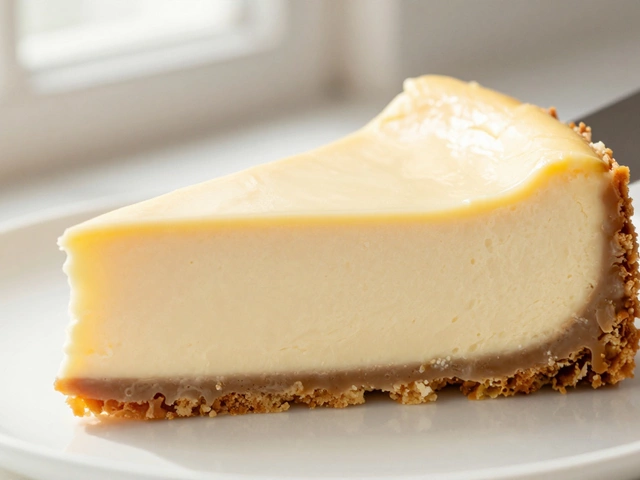
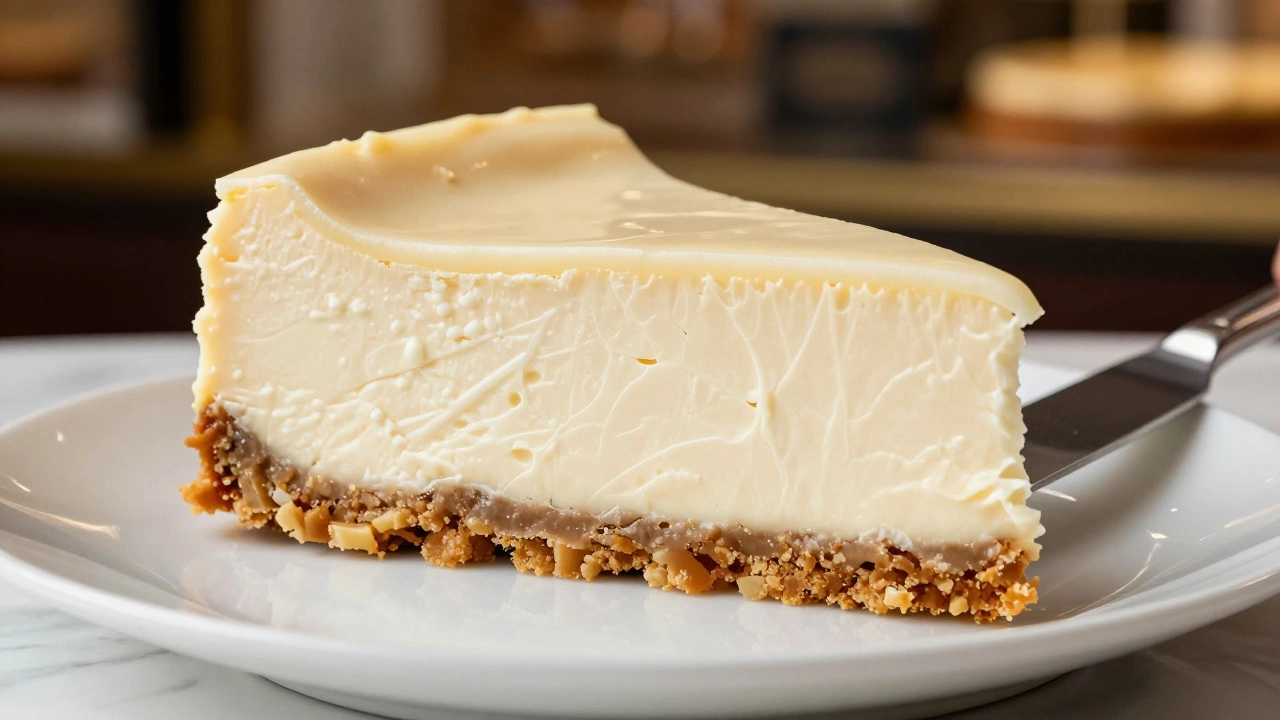
The most immediate difference you notice is mouthfeel. New York style cheesecake is famous for its density. It’s rich, heavy, and luxurious. When you cut into it, the knife meets resistance. It holds its shape perfectly, resulting in clean, sharp slices. This density isn’t an accident; it’s engineered through high-fat ingredients and minimal air incorporation.
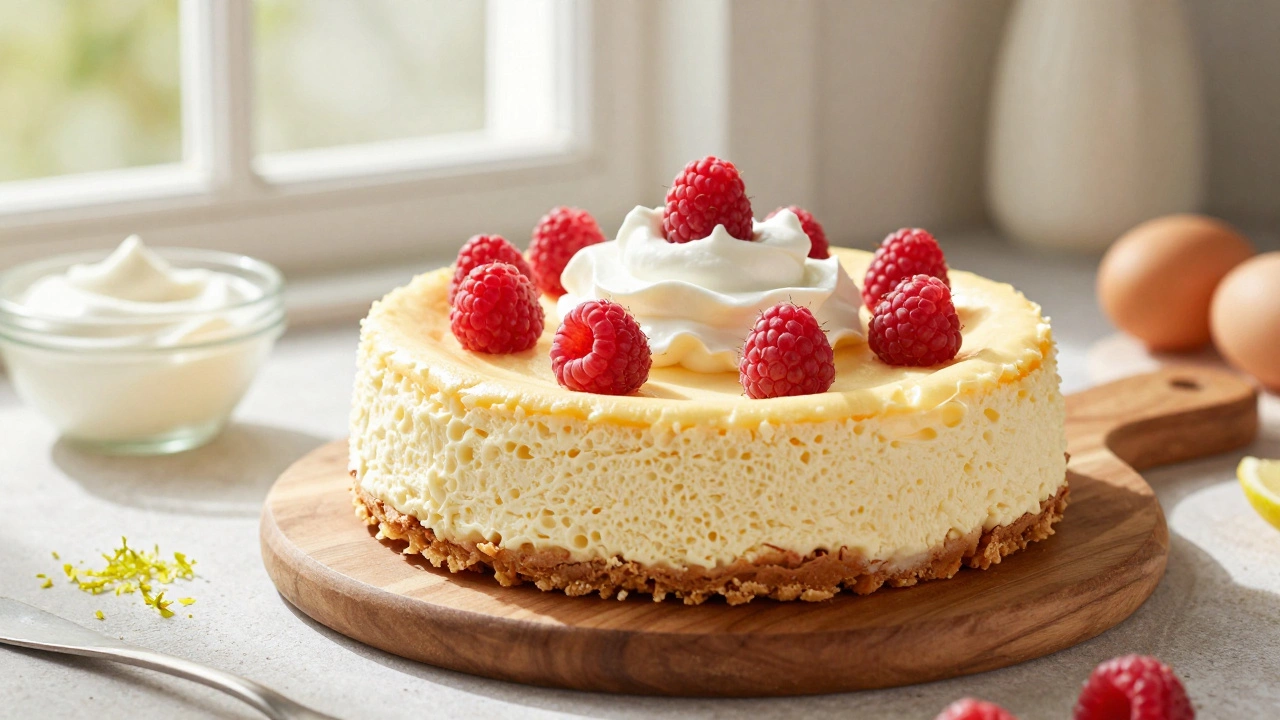
In contrast, "regular" cheesecake-which often refers to styles like Philadelphia-style (though this term is loosely used), German, or basic homemade versions-is typically lighter and airier. It has a softer, more mousse-like consistency. Some variations, particularly those using whipped egg whites or sour cream as a primary binder, can be almost fluffy. If you prefer a dessert that melts quickly without weighing you down, the lighter style wins. If you want a decadent experience that demands slow savoring, New York style is the choice.
Ingredient Breakdown: What Goes Inside?
To understand the texture, you have to look at the bowl. The ingredient lists reveal the philosophy behind each style.
| Ingredient | New York Style | Regular/Light Style |
|---|---|---|
| Cream Cheese | High quantity (3-4 blocks) | Moderate quantity (1-2 blocks) |
| Heavy Cream | Yes, significant amount | Rarely, or none |
| Eggs | Whole eggs + extra yolks | Whole eggs, sometimes separated |
| Sour Cream/Yogurt | Little to none | Often used as a base |
| Air Incorporation | Minimal (no whipping) | Higher (whipping eggs/cream) |
New York style relies heavily on full-fat cream cheese and heavy cream. The fat content is the star here. Heavy cream adds moisture and richness without adding structure, allowing the cake to remain incredibly smooth. Extra egg yolks are often added because they contain emulsifiers that create a silky texture and contribute to the dense, custard-like finish.
Regular cheesecake recipes often use sour cream, yogurt, or cottage cheese to lighten the load. These ingredients add tang and moisture but less fat. Many light recipes involve whipping egg whites separately and folding them in, which introduces air bubbles. This aeration creates a sponge-like structure rather than a dense block.
The Crust: Foundation Matters
You can’t talk about the cake without talking about the base. While both styles can technically use various crusts, there’s a strong convention for each.
New York style almost exclusively uses a graham cracker crust. It’s buttery, sweet, and crunchy. The thickness is usually substantial-about half an inch-to support the heavy filling above. The sweetness of the crust balances the intense richness of the filling. Sometimes, a thin layer of chocolate cookies is mixed in, but graham cracker remains the gold standard.
Regular cheesecakes have more variety. You might find digestive biscuit bases (common in the UK), ginger snap crusts, or even no-bake options with Oreo crumbs. In European styles like the German cheesecake (Käsekuchen), there is often no crust at all, or just a very thin pastry shell. The focus is entirely on the curd.
Baking Techniques: Heat and Time
How you bake the cheesecake dictates its final appearance and texture. New York style requires precision to avoid cracks and achieve that signature smoothness.
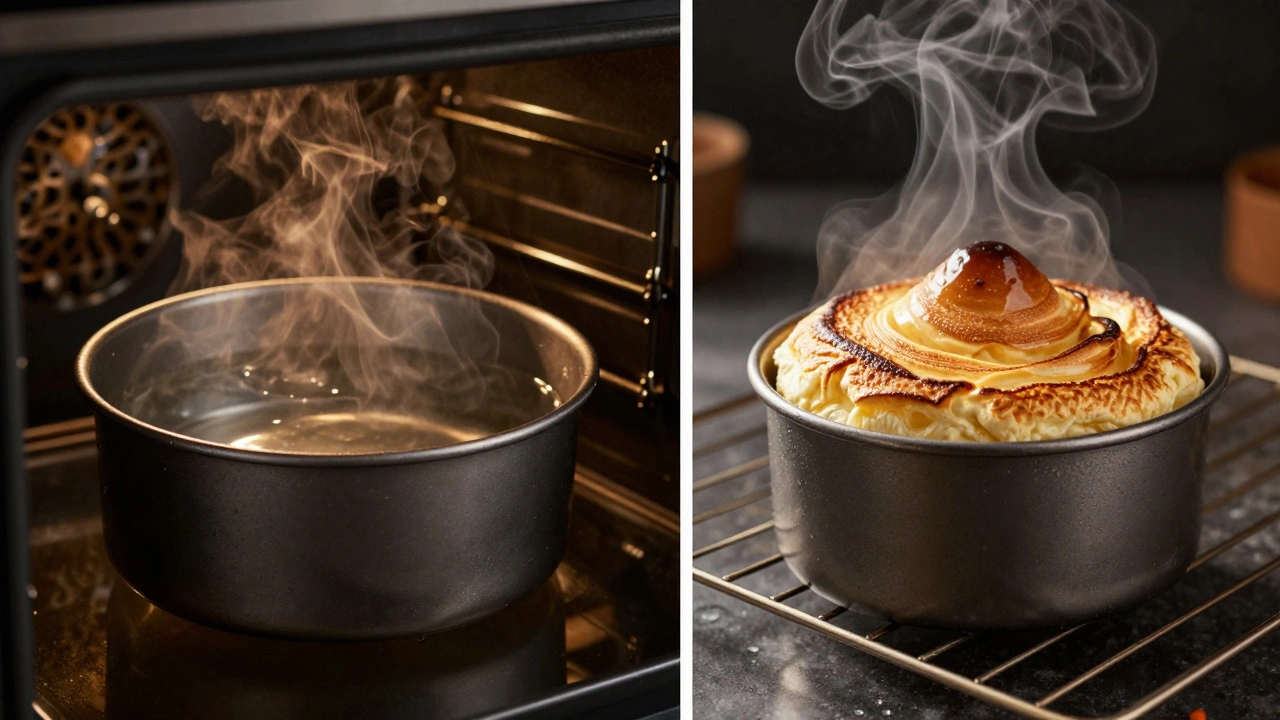
The secret weapon for New York style is the water bath (or bain-marie). The springform pan is placed inside a larger roasting pan filled with hot water. This method moderates the oven temperature around the cake, ensuring gentle, even cooking. It prevents the edges from setting too quickly while the center remains raw, which reduces the risk of cracking. The baking time is long-often over an hour at a low temperature (around 300°F or 150°C).
Regular cheesecakes might skip the water bath, especially if they are baked at higher temperatures for shorter periods. If the recipe includes whipped egg whites, it might be baked like a soufflé, rising significantly and then falling slightly. This style is more forgiving of minor temperature fluctuations but results in a less uniform texture.
Flavor Profile: Richness vs. Tang
Taste is subjective, but the profiles are distinct. New York style is overwhelmingly rich. The flavor is deep, creamy, and subtly sweet. Because there’s less acid-heavy dairy like sour cream, the tanginess is mild, coming primarily from the cream cheese itself. It’s a dessert that feels indulgent and luxurious.
Regular cheesecakes tend to be tangier. The addition of lemon juice, zest, or large amounts of sour cream cuts through the fat, creating a brighter, sharper flavor profile. This makes it a refreshing option, especially when topped with fresh berries or fruit compotes. It pairs well with lighter accompaniments because it doesn’t overwhelm the palate.
Which One Should You Choose?
Your choice depends on the occasion and your personal preference.
- Choose New York Style if: You want a show-stopping centerpiece for a dinner party. You love rich, decadent desserts. You prefer clean slices that hold their shape. You enjoy pairing dessert with coffee or port wine.
- Choose Regular/Light Style if: You are serving a large group and want something easier to eat. You prefer a tangier, fresher taste. You are making a no-bake version. You want to pair it with heavy fruits or chocolate sauces without feeling too heavy.
Common Mistakes to Avoid
Whether you’re baking New York style or regular, a few pitfalls can ruin the result.
- Overmixing: Especially in New York style, mixing too much incorporates air. This leads to cracks and a less dense texture. Mix until just combined.
- Hot Ingredients: Always use room-temperature cream cheese and eggs. Cold ingredients cause lumps, forcing you to overmix to smooth them out.
- Opening the Oven Door: For New York style, opening the door during baking causes sudden temperature drops, leading to sinking or cracking. Trust the timer.
- Skipping the Chill: Cheesecake needs time to set. New York style should chill for at least 4 hours, preferably overnight. Cutting it warm results in a mushy mess.
Is New York style cheesecake healthier than regular cheesecake?
Generally, no. New York style cheesecake is higher in calories, fat, and sugar due to the heavy use of cream cheese, heavy cream, and egg yolks. Regular cheesecakes that use yogurt, cottage cheese, or reduced-fat ingredients may offer a lower-calorie alternative, though the nutritional difference varies by specific recipe.
Why does my New York style cheesecake crack on top?
Cracking is usually caused by overmixing (incorporating too much air), baking at too high a temperature, or cooling too quickly. Using a water bath and letting the cheesecake cool slowly in the turned-off oven with the door ajar can prevent this.
Can I make New York style cheesecake without a water bath?
You can, but it’s risky. Without the water bath, the edges may cook faster than the center, leading to cracks or a rubbery texture. If you must skip it, place a pan of hot water on the rack below the cheesecake to add humidity to the oven.
What is the difference between New York style and Philadelphia style cheesecake?
The terms are often used interchangeably, but traditionally, Philadelphia style refers to a simpler, lighter cheesecake made primarily with cream cheese and fewer eggs, often without a crust. New York style is denser, richer, and always includes a crust and heavy cream.
How long does New York style cheesecake last in the fridge?
Properly stored in an airtight container, New York style cheesecake can last up to 5 days in the refrigerator. For best texture and flavor, consume it within 3 days. It can also be frozen for up to 3 months.
Popular Posts

Who Brought Macarons to Brazil?
Jan, 29 2026