King Cake Season Calculator
Select a year to see the official window for eating King Cake.
You might be looking at a calendar from two years ago and wondering why you’re asking about 2024. If you found this guide while planning for the upcoming season, the rules remain exactly the same, but the dates shift every year. King cake isn’t just a dessert; it’s a countdown clock. It marks the beginning of the carnival season that leads straight into Mardi Gras. Knowing when to eat it is less about hunger and more about respecting a tradition that has lasted centuries.
If you are outside the United States or new to the culture, the timing can feel confusing. Is it only for one day? Can I have it in January? What happens if I find the baby? This guide breaks down the exact window for eating king cake, the cultural reasons behind those dates, and what you need to know before taking that first bite.
The Official Window: From Epiphany to Fat Tuesday
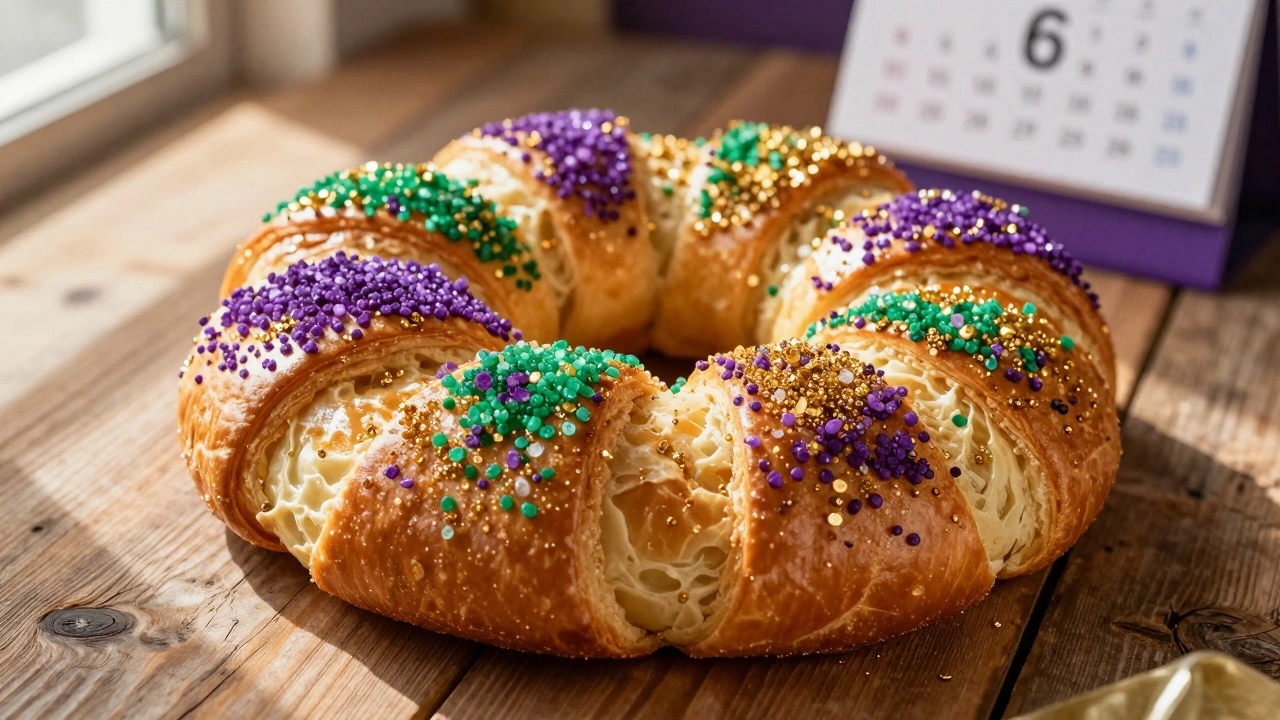
The season for king cake is strict. It begins on Epiphany, also known as Three Kings Day or Twelfth Night. This date falls on January 6th every year. On this day, Christians celebrate the visit of the Magi to the baby Jesus. In the context of Carnival, this is the "start gun." Bakers across Louisiana and beyond open their doors to sell these pastel-colored pastries starting this morning.
The season ends on Fat Tuesday, also known as Mardi Gras. This is the day before Ash Wednesday, which marks the start of Lent. Because Lent is a period of fasting and abstinence, people historically ate rich, fatty foods like sugar and eggs on the last possible night. That is why the day is called "Fat Tuesday." Once the clock strikes midnight on Fat Tuesday, the king cake season is officially over until the following January.
In 2024, Epiphany was January 6, and Fat Tuesday was February 13. If you are reading this in 2026, remember that Fat Tuesday moves every year because it depends on Easter. However, the rule stays constant: you eat king cake only between January 6 and the day before Ash Wednesday.
Why You Should Not Eat King Cake Early
You might see king cakes popping up in bakeries a week or two before January 6th. Some shops start production early to test recipes or satisfy eager customers. However, traditionalists frown upon eating it before Epiphany. Here is why:
- It breaks the ritual: The cake represents the three kings (Magi) visiting Jesus. Eating it before the feast day undermines the religious significance for many participants.
- It spoils the surprise: The plastic baby hidden inside the cake designates who becomes "king" or "queen" for the next gathering. If everyone eats it randomly throughout December, the social structure of the party dissolves.
- Freshness matters: King cake is best fresh. Buying it too early means it sits in your freezer or fridge, losing its texture. The cream cheese filling can separate, and the dough can dry out.
If you absolutely cannot wait until January 6th, you are technically breaking tradition. But in a modern world, some people treat it like any other seasonal treat. Just know that purists in New Orleans will likely judge you.
The Plastic Baby: Rules and Responsibilities
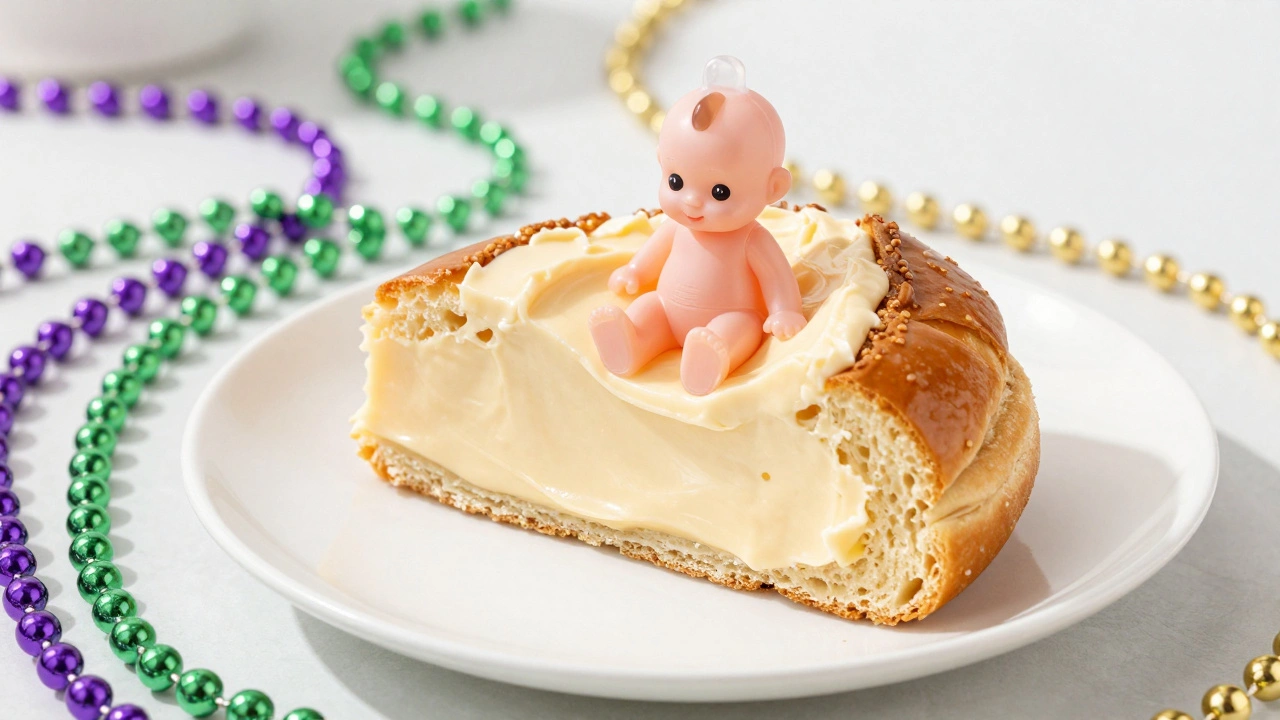
A key component of the king cake experience is the small plastic figurine hidden inside. Usually, it is a baby, representing the infant Jesus. Sometimes it is a bean, a ring, or a trinket. Finding the baby comes with specific obligations.
If you find the baby in your slice, you are now the "King" or "Queen" of the party. Your job is to host the next king cake party or provide the next cake. This creates a chain of responsibility that keeps the community connected throughout the season. If you buy a cake from a store, they often include a card with coupons for future purchases to help you fulfill this duty.
What if you don’t find the baby? You simply enjoy your slice. The person who finds it takes the spotlight. In large gatherings, multiple babies might be hidden in different sections of the cake to ensure several people get the chance to be crowned.
Regional Variations: Where Does This Apply?
While New Orleans is the epicenter of king cake culture, the tradition extends further. You will find king cakes in:
- Louisiana: Every town, not just New Orleans. Mobile, Alabama, also has a strong history with king cake due to its French colonial roots.
- Mississippi and Texas: Cities near the Gulf Coast often adopt the tradition.
- International Communities: Parts of Spain, Portugal, and Latin America have similar Epiphany breads, though they may look different. In Spain, it’s called Roscón de Reyes.
If you live in Brighton, England, or anywhere else without a local Carnival parade, you can still participate. Many international bakers ship frozen king cakes, or you can make your own. The timeline remains the same regardless of location.
Types of King Cake: Choosing Your Flavor
Not all king cakes are created equal. When deciding when to eat yours, consider the type. Different varieties have different shelf lives and preparation needs.
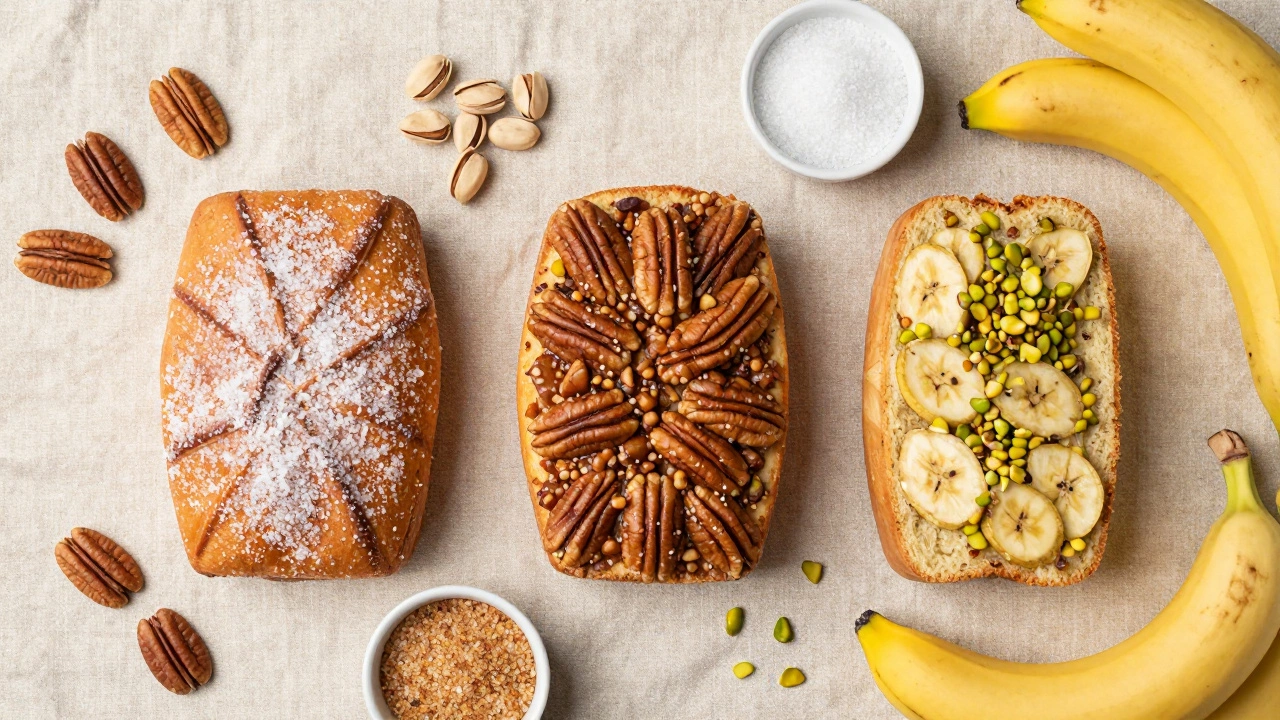
| Type | Description | Best For | Shelf Life |
|---|---|---|---|
| Traditional | Purple, green, and gold sugar on top. No filling. | Purists, light eaters | 3-5 days refrigerated |
| Cream Cheese Filled | Sweet cream cheese inside the dough. | Dessert lovers, parties | 2-3 days refrigerated |
| Praline Pecan | Butterscotch-like praline filling with pecans. | Nut lovers, traditionalists | 3-4 days refrigerated |
| Banana/Pistachio | Fruit or nut fillings, popular in newer variations. | Experimenters | 2-3 days refrigerated |
If you are buying a filled cake, plan to eat it within a few days. The moisture from the filling can make the dough soggy if stored too long. Traditional sugar-topped cakes last longer and are easier to freeze.
How to Store and Freeze King Cake
Since the season spans several weeks, you might want to buy a whole cake and eat it over time. Here is how to keep it fresh:
- Refrigerate: Keep sliced or unsliced cake in an airtight container in the fridge. Consume within 3-5 days.
- Freeze: Wrap individual slices tightly in plastic wrap, then foil. They can last up to 3 months. Thaw at room temperature.
- Room Temperature: Only suitable for unfilled, traditional cakes for 1-2 days. Avoid this if there is cream cheese or fruit filling.
Never leave a filled king cake out on the counter for more than two hours. The dairy in the filling can spoil quickly, especially in warm weather.
Common Mistakes to Avoid
Even experienced eaters make errors. Here are pitfalls to watch for:
- Eating it after Fat Tuesday: While no one will stop you, it feels off-season. Save your sweet tooth for Easter treats instead.
- Ignoring the baby: If you find the baby, you must acknowledge it. Host the next party or send a gift to the next person in line.
- Buying stale cake: Check the bakery’s reputation. Freshly baked king cake has a soft, bread-like texture. Stale cake is hard and crumbly.
- Forgetting dietary restrictions: King cake is heavy on sugar, gluten, and dairy. If you have guests with allergies, check if the bakery offers vegan or gluten-free options.
Conclusion: Embrace the Season
Knowing when to eat king cake is simple: January 6 to Fat Tuesday. But the joy comes from the shared experience. Whether you are in New Orleans or Brighton, joining this tradition connects you to a global community celebrating faith, food, and fun. Plan your parties, hide the baby, and enjoy every slice before the season ends.
Can I eat king cake after Mardi Gras?
Technically, yes, but it goes against tradition. The season ends at midnight on Fat Tuesday. Eating it later is seen as missing the point of the Carnival celebration. However, if you have leftovers, go ahead and enjoy them-just don’t expect others to join you.
What do the purple, green, and gold colors mean?
The colors were officially adopted by the Rex organization in 1872. Purple represents justice, green represents faith, and gold represents power. These colors are used throughout the Carnival season in decorations and attire.
Is king cake only eaten in New Orleans?
No. While New Orleans is famous for it, king cake is popular throughout Louisiana, Mobile, Alabama, and parts of Mississippi and Texas. Similar Epiphany breads exist in Spain, Portugal, and Latin America.
What happens if I find the baby in my slice?
You become the "King" or "Queen" of the party. Traditionally, you are responsible for hosting the next king cake gathering or providing the next cake. It’s a way to keep the tradition going through the season.
Can I make king cake at home?
Yes! Many bakers make king cake at home. Recipes range from simple sugar-topped dough to complex cream cheese-filled versions. Making it yourself allows you to control ingredients and customize flavors for your family’s preferences.
Popular Posts

Why Is It Called Miserable Cake?
Apr, 11 2025