
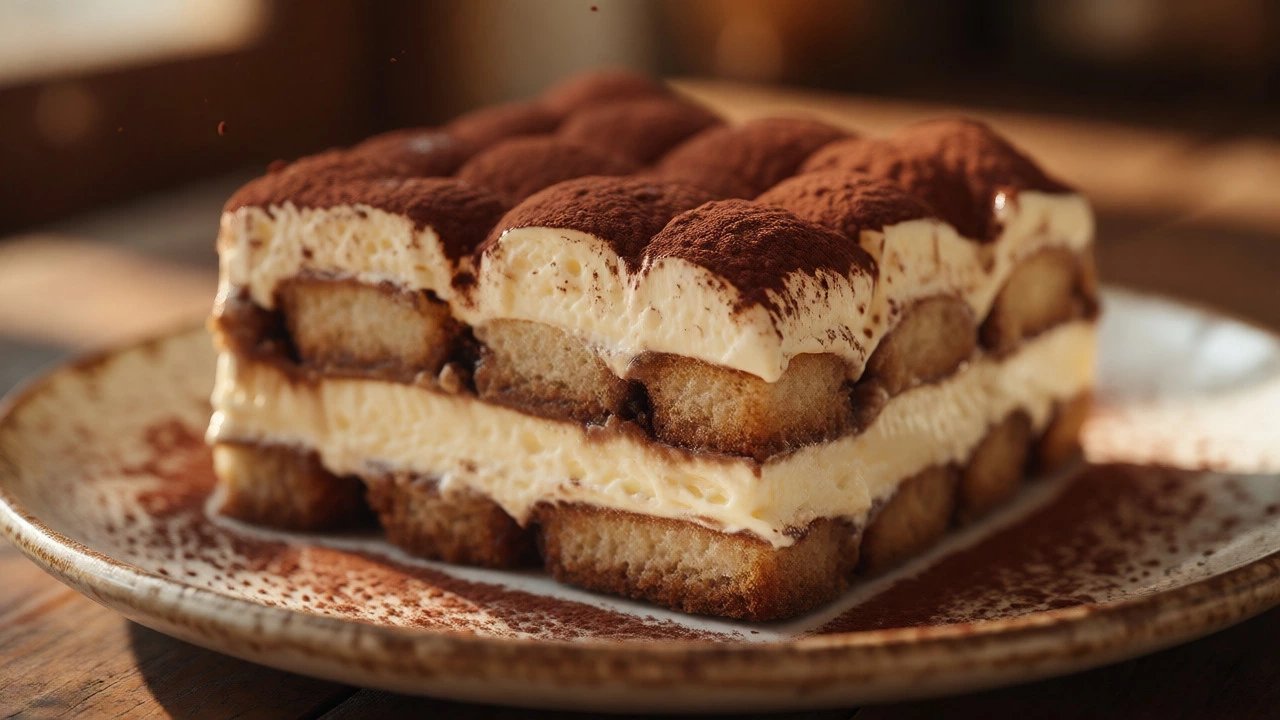
The Ultimate Dessert Matchmaker
Not sure what to order or bake? Let our algorithm analyze your palate against the world's top contenders.
Step 1: Your Texture Preference
Step 2: Flavor Balance
Your Match:
Key Characteristics
Ask ten people for their favorite dessert and you’ll get eleven answers. Some will shout chocolate cake, others will whisper about a perfectly ripe mango sorbet, and a few might argue for a warm apple pie. But if you look at global sales data, restaurant menus, and social media trends, one name keeps popping up with stubborn consistency: tiramisu.
Is it actually the "most delicious"? That’s subjective, obviously. Taste is personal. But there is a reason why this coffee-soaked, mascarpone-topped classic from Italy has conquered the planet. It hits every sensory button we love-creamy, bitter, sweet, and textural all at once. If you’ve ever wondered why tiramisu dominates dessert lists from Tokyo to Toronto, let’s break down exactly what makes it tick, how it compares to other heavy hitters, and whether it deserves the title of the world’s greatest sweet treat.
The Science of Craving: Why We Love Tiramisu
Before we declare a winner, we need to understand why our brains light up when we see that dusting of cocoa powder. Tiramisu isn’t just sugar; it’s a complex interplay of fats, caffeine, and carbohydrates. The base ingredient, mascarpone, is a Italian cream cheese known for its high fat content and mild, slightly sweet flavor. Unlike regular cream cheese, which can be tangy, mascarpone is rich and velvety. When whipped with eggs and sugar, it creates an aerated mousse that melts on your tongue.
Then there’s the contrast. You have the bitterness of espresso or strong coffee cutting through the richness of the dairy. This balance is key. Pure sweetness gets cloying fast. But add caffeine and cocoa, and suddenly the palate stays engaged. Plus, the ladyfingers (savoiardi) provide a structural crunch that softens as they absorb the liquid, creating a layered experience that’s satisfying rather than monotonous.
A Brief History of the World’s Favorite Sweet
Tiramisu translates roughly to "pick me up," a nod to its energizing combo of coffee and sugar. While its exact origins are debated between Veneto and Friuli Venezia Giulia regions in Italy, most food historians agree it emerged in the late 1960s or early 1970s. It didn’t hit international fame until the 1980s, spreading rapidly across Europe and then the US.
What’s interesting is how adaptable it is. Traditional recipes use raw egg yolks, but many modern versions cook them into a zabaglione or omit them entirely for safety. Some chefs swap ladyfingers for sponge cake or even pound cake. Others add Marsala wine, rum, or Amaretto. This flexibility means tiramisu fits almost any dietary preference or local ingredient availability, helping it stay relevant while trendier desserts fade away.
Head-to-Head: Tiramisu vs. The Competition
To really answer "is it the best," we have to compare it to other global icons. Here’s how tiramisu stacks up against three other major contenders: chocolate cake, cheesecake, and crème brûlée.
| Dessert | Primary Flavor Profile | Texture | Complexity | Global Appeal |
|---|---|---|---|---|
| Tiramisu | Coffee, Cocoa, Cream | Silky, Layered, Soft Crunch | Moderate (Assembly) | Very High |
| Chocolate Cake | Sweet, Rich Chocolate | Moist, Dense | Low-Moderate (Baking) | Universal |
| Cheesecake | Tangy, Sweet, Vanilla | Creamy, Dense, Crumbly Base | High (Baking & Cooling) | High |
| Crème Brûlée | Vanilla, Caramelized Sugar | Custard, Hard Shell | High (Technique) | Moderate-High |
Notice the pattern? Tiramisu wins on texture variety and flavor balance. Chocolate cake is safer but simpler. Cheesecake is richer but heavier. Crème brûlée is elegant but requires precise technique to avoid rubbery custard or burnt sugar. Tiramisu sits in the sweet spot: impressive enough for dinner parties, easy enough for home cooks, and balanced enough to eat more than one slice without feeling sick.
Why Tiramisu Wins on Versatility
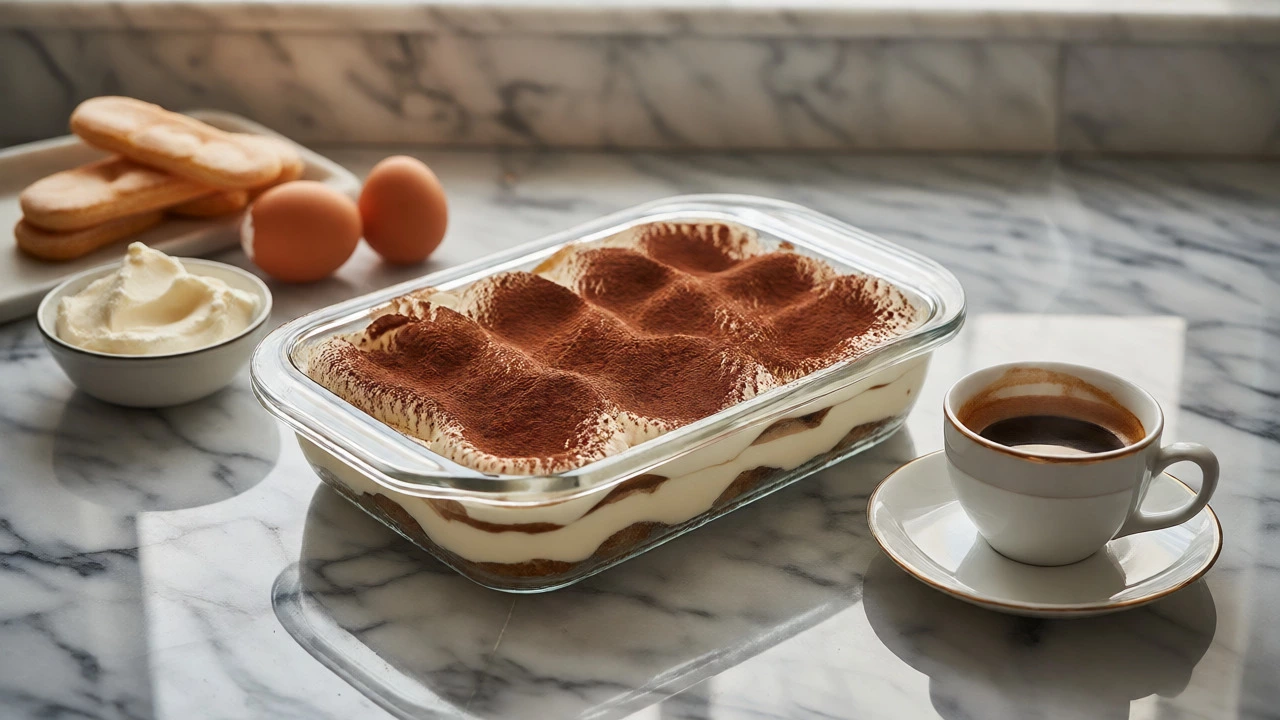
One reason tiramisu maintains its top spot is its chameleon-like nature. You can make it vegan by swapping mascarpone for cashew cream and using aquafaba instead of eggs. Gluten-free? Use GF ladyfingers or almond flour biscuits. Want it lighter? Reduce the sugar and increase the coffee strength. Want it boozy? Add Kahlúa or Baileys.
Compare this to a soufflé, which collapses if you look at it wrong, or a macaron, which demands perfect humidity control. Tiramisu is forgiving. If your ladyfingers get too soggy, chill it longer. If it’s too dry, brush more coffee. It’s resilient, which makes it a favorite for both professional pastry chefs and weekend bakers.
Common Pitfalls That Ruin Tiramisu
Even the best dessert fails if executed poorly. If you’re trying to recreate the magic at home, watch out for these mistakes:
- Over-soaking the ladyfingers: They should be damp, not swimming. A quick dip is enough. They continue to absorb moisture in the fridge.
- Using low-fat mascarpone: Fat carries flavor. Low-fat versions lack the luxurious mouthfeel that defines tiramisu.
- Serving it cold straight from the fridge: Let it sit for 10-15 minutes before serving. Cold dulls the aroma of coffee and cocoa.
- Skipping the cocoa dusting: The cocoa adds necessary bitterness to cut the sweetness. Don’t skip it.
Is There a Better Contender?
Some might argue for Japanese mochi, French éclairs, or Brazilian brigadeiros. Each has its charm. Mochi offers unique chewiness. Éclairs provide crisp pastry and airy cream. Brigadeiros deliver intense chocolate punch. But none combine comfort, sophistication, and accessibility quite like tiramisu.
It’s also culturally significant. In Italy, it’s often served after meals as a digestif-friendly finish. Globally, it signals quality dining. Ordering tiramisu feels like making a thoughtful choice-it’s neither too basic nor too pretentious.
Final Verdict: Does It Deserve the Title?
So, is tiramisu the most delicious sweet in the world? Objectively, no single dessert can claim that crown because taste is individual. Subjectively? For millions of people, yes. Its ability to balance bitter and sweet, creamy and crunchy, simple and sophisticated gives it a universal appeal that few rivals match.
If you haven’t tried authentic tiramisu recently, give it another shot. Make sure the coffee is strong, the mascarpone is fresh, and the cocoa is unsweetened. You might just find yourself agreeing with the global consensus.
Why is tiramisu so popular worldwide?
Tiramisu is popular because it balances rich, creamy textures with the bitterness of coffee and cocoa, appealing to a wide range of palates. It is also relatively easy to prepare compared to other complex pastries, making it accessible for home cooks and restaurants alike.
Can tiramisu be made without alcohol?
Yes, traditional tiramisu does not require alcohol. Many authentic recipes use only espresso and water. Alcohol like Marsala wine or rum is often added for depth of flavor but can be omitted for children or those avoiding alcohol.
What is the difference between mascarpone and cream cheese?
Mascarpone is an Italian cream cheese with a higher fat content (typically 60-75%) and a milder, sweeter taste. American cream cheese has less fat (around 33%) and a tangier, saltier profile, which alters the flavor and texture of tiramisu significantly.
How long should tiramisu rest before serving?
Tiramisu needs at least 4 hours to set, but 12-24 hours is ideal. This allows the ladyfingers to fully absorb the coffee and the mascarpone mixture to firm up, creating the proper cohesive texture.
Is tiramisu healthy?
Tiramisu is a calorie-dense dessert due to high amounts of mascarpone, sugar, and eggs. However, it contains antioxidants from cocoa and coffee. It should be enjoyed in moderation as part of a balanced diet.
Popular Posts
How Much Does a Macaron Tower Cost?
Mar, 21 2025


Who Made the Best Tiramisu in the World?
Apr, 25 2025