
Royal Cake Ingredient Converter
Your Royal Shopping List
Quick Royal Tips:
- Stick to high-quality, room-temperature butter for a smoother crumb.
- Don't overmix your batter-that's the secret to a light, airy sponge.
- Use a touch of sea salt to balance the sweetness in chocolate cakes.
The Undisputed Champion: Chocolate Cake
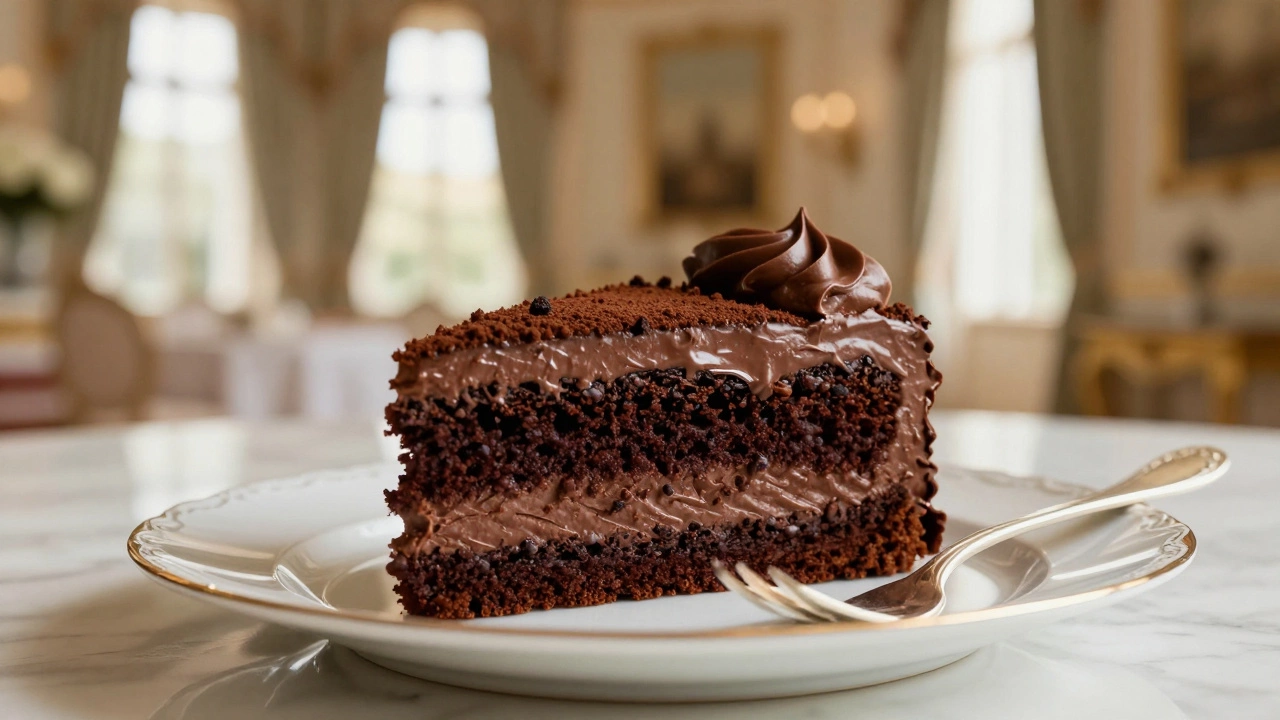
If there was one treat the Queen couldn't resist, it was Chocolate Cake is a rich, cocoa-based sponge cake typically layered with frosting or ganache. . Royal sources and former staff have frequently mentioned that while she enjoyed a wide variety of tea-time treats, chocolate was her ultimate weakness. We aren't talking about the hyper-sweet, store-bought variety, but rather a deep, moist cake that focuses on the quality of the cocoa.
To get this right at home, avoid using cocoa powder that tastes like cardboard. Look for a Dutch-processed cocoa, which is treated with an alkali to reduce acidity. This gives the cake a darker color and a smoother, more mellow flavor. When you bake it, try adding a teaspoon of espresso powder. You won't taste the coffee, but it makes the chocolate flavor pop and feel more "royal." Imagine a dense, velvety sponge paired with a light chocolate buttercream-that's the vibe the Queen preferred.
The Classic Afternoon Tea Staple: Victoria Sponge
You can't talk about British royalty without mentioning the Victoria Sponge is a classic British cake consisting of two layers of sponge cake sandwiched with jam and whipped cream or buttercream. . This cake is named after Queen Victoria, but it remained a favorite for Elizabeth II. It's the quintessential centerpiece for afternoon tea, usually served with a pot of Earl Grey.
The trick to a perfect Victoria Sponge is the "equal weights" method. You use the same weight of butter, sugar, flour, and eggs. If you use 200g of butter, use 200g of everything else. This creates a sturdy yet soft cake that holds up under a generous layer of raspberry jam. For a truly royal touch, use fresh raspberries instead of store-bought jam to get that bright, tart contrast against the sweet sponge.
| Cake Type | Key Flavor Profile | Best Occasion | Secret Ingredient |
|---|---|---|---|
| Chocolate Cake | Deep, Rich Cocoa | Evening Dessert | Espresso Powder |
| Victoria Sponge | Buttery, Fruity | Afternoon Tea | Fresh Raspberries |
| Fruit Cake | Spiced, Dense | Holidays/Christmas | Brandy/Rum Soak |
The Traditionalist's Choice: Fruit Cake
While chocolate was her indulgence, Fruit Cake is a dense cake containing a high proportion of dried fruits and nuts, often soaked in alcohol. was a staple for celebrations. Think of the coronation cakes or the holiday spreads at Sandringham. These cakes aren't meant to be light; they are meant to be rich, heavy, and capable of lasting for weeks.
The key to a royal-grade fruit cake is the "soak." You don't just throw raisins into the batter. You soak the dried fruits in brandy or rum for at least 24 hours-sometimes even weeks. This ensures the fruit doesn't suck the moisture out of the cake, leaving you with a moist, fudgy texture. If you're baking this, remember to bake it at a lower temperature for a longer time to prevent the edges from burning before the center is set.
Decoding the Royal Palate: Why These Choices?
Why didn't the Queen go for fancy macarons or complex layered tortes? It comes down to a preference for tradition and balance. The British royal palate generally favors ingredients that are locally sourced and familiar. The contrast between a salty tea and a sweet sponge is a sensory experience that has defined British culture for centuries.
Furthermore, the role of Afternoon Tea is a light meal eaten between lunch and dinner, typically consisting of tea, scones, and cakes. is not just about eating; it's a ritual. The cakes served during this time need to be easy to eat with a fork and a teacup nearby. A massive, messy slice of cake wouldn't fit the etiquette of the occasion. A neatly sliced piece of Victoria Sponge or a small chocolate square is exactly what's needed.
How to Bake Like a Royal Chef
You don't need a palace kitchen to recreate these flavors. The secret lies in the Baking Process is the method of preparing food by dry heat, typically in an oven. . Most home bakers rush the process, but the royal approach is all about patience. For instance, when making a buttercream, beat the butter and sugar until they are almost white. This incorporates air and makes the frosting light rather than greasy.
Another pro tip is to use a KitchenAid Mixer or a high-quality stand mixer to ensure the aeration is consistent. If you're doing it by hand, you'll need a lot of elbow grease. Also, always weigh your ingredients using a digital scale. Measuring by "cups" is too imprecise for the kind of consistency a royal chef would strive for. A difference of 10 grams of flour can be the difference between a fluffy sponge and a dense brick.
Common Mistakes to Avoid
When trying to recreate these royal treats, the biggest mistake is over-sweetening. Modern cakes often rely on heaps of refined sugar, but traditional British cakes rely more on the richness of butter and the depth of fruit or cocoa. If your cake tastes like a sugar bomb, you've gone too far.
Another pitfall is using cold eggs. When you add cold eggs to creamed butter, the mixture can "split" or curdle. This happens because the cold eggs tighten the fat molecules. To avoid this, place your eggs in a bowl of warm water for five minutes before cracking them. Your batter will stay smooth and emulsified, leading to a much better rise in the oven.
Did Queen Elizabeth II bake her own cakes?
While she had a full staff of royal chefs and pastry experts, she certainly understood the process. However, her role was primarily as the connoisseur and decision-maker on the menu rather than the primary baker.
What was the Queen's favorite type of chocolate?
She generally preferred high-quality dark and milk chocolate, leaning toward traditional British brands and artisanal chocolates that weren't overly processed.
Is Victoria Sponge the same as a layer cake?
In a way, yes. It is a two-layer cake, but unlike American layer cakes, it is usually not heavily frosted on the outside. Instead, it is lightly dusted with powdered sugar (icing sugar) on top.
Can I make these cakes gluten-free?
Yes, you can use a 1:1 gluten-free flour blend. However, since these cakes rely on the structure of wheat protein (gluten) for their lift, you may need to add an extra half-teaspoon of baking powder to ensure they don't turn out too dense.
What is the best tea to pair with chocolate cake?
A bold English Breakfast tea or a smoky Lapsang Souchong pairs beautifully with the richness of chocolate, as the tannins in the tea help cut through the fat of the cocoa butter.
Next Steps for Your Royal Baking Journey
If you've mastered the chocolate sponge, why not move on to scones? A royal tea is never complete without warm scones, clotted cream, and strawberry jam. The debate over whether the jam or the cream goes first (the Devon vs. Cornwall debate) is a rabbit hole you'll definitely want to explore.
For those who want to get even more advanced, try experimenting with different types of cocoa beans or sourcing organic, grass-fed butter. These small changes in ingredient quality are exactly how you move from a "good" home cake to a "royal" dessert. Start with the Victoria Sponge, get your timing right, and then dive into the rich world of chocolate and fruit cakes.
Popular Posts
Why Some Fruits Aren't Vegan: Surprising Truths
Feb, 17 2025