Fudge Stirring Decision Guide
Select the current state of your fudge to see the Stirring Rule and the Goal for this phase.
Initial Melting
Ingredients are combining over heat
Boiling Stage
Mixture is bubbling & rising temp
Cooling & Setting
Removed from heat & cooling
Quick Takeaways for Perfect Fudge
- Stir gently during the initial melting phase to prevent burning.
- Stop stirring completely once the mixture begins to boil.
- Wait until the mixture reaches the specific target temperature before any further agitation.
- Over-stirring during the boiling phase leads to crystallization (graininess).
- The "final beat" after the fudge leaves the heat is where the magic happens.
The Danger of Constant Stirring
When you're heating Sugar and fats, you're creating a concentrated syrup. The goal of a smooth fudge is to keep the sugar crystals small and evenly distributed. Here is the problem: every time you stir a boiling sugar syrup, you're physically pushing sugar molecules together. This encourages them to bond and form larger crystals. In the candy world, this is called crystallization.
If you stir constantly while the mixture is boiling, you're essentially seeding the entire pot with crystals. Instead of a creamy consistency, you get a gritty texture that feels like eating wet sand. You want the sugar to dissolve and stay in a liquid state until you intentionally trigger the crystallization process at the very end.
The Three Phases of Fudge Agitation
To get it right, you have to treat the cooking process like three distinct chapters. Each one has its own rule about the spoon.
Phase 1: The Melt (Active Stirring)
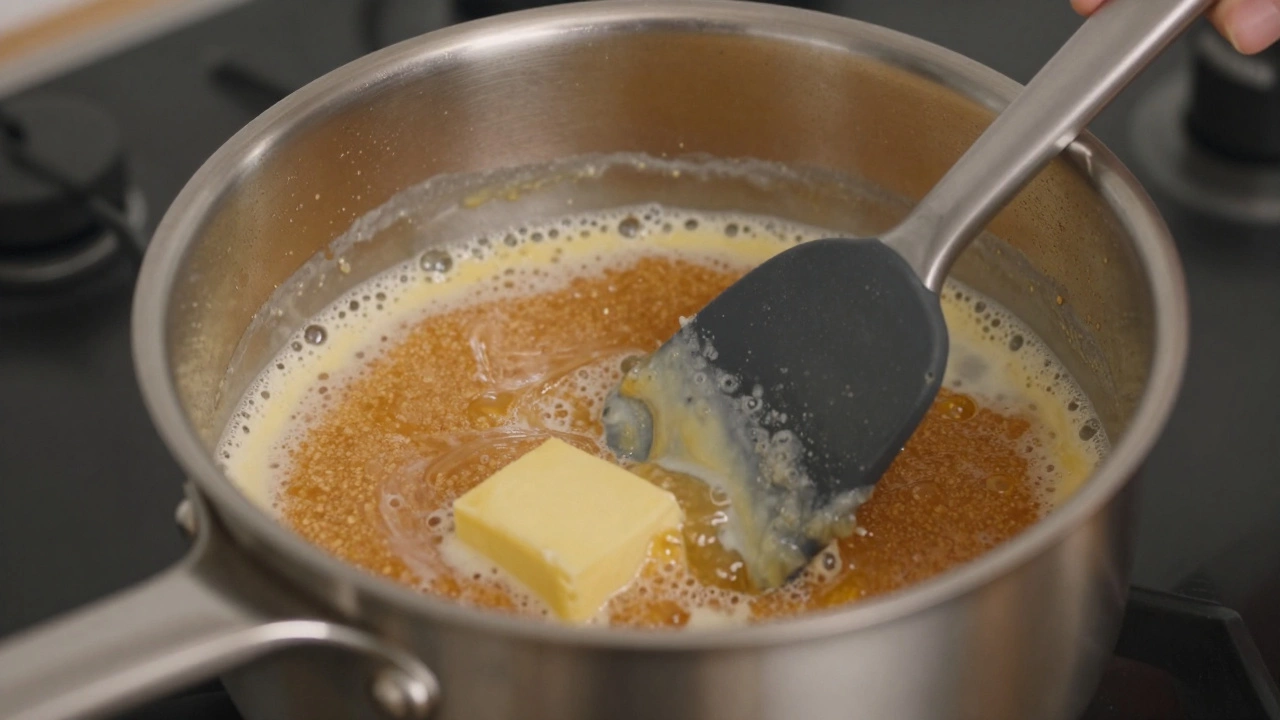
At the start, when you're combining butter, milk, and sugar over medium heat, you should stir. Why? Because the ingredients are thick and the heat isn't uniform. You need to make sure the butter is fully incorporated and that the sugar isn't clumped at the bottom where it can scorch. Use a silicone spatula to scrape the corners of the pan. At this stage, the temperature is low, so you aren't at risk of triggering the dreaded graininess yet.
Phase 2: The Boil (Hands-Off Approach)
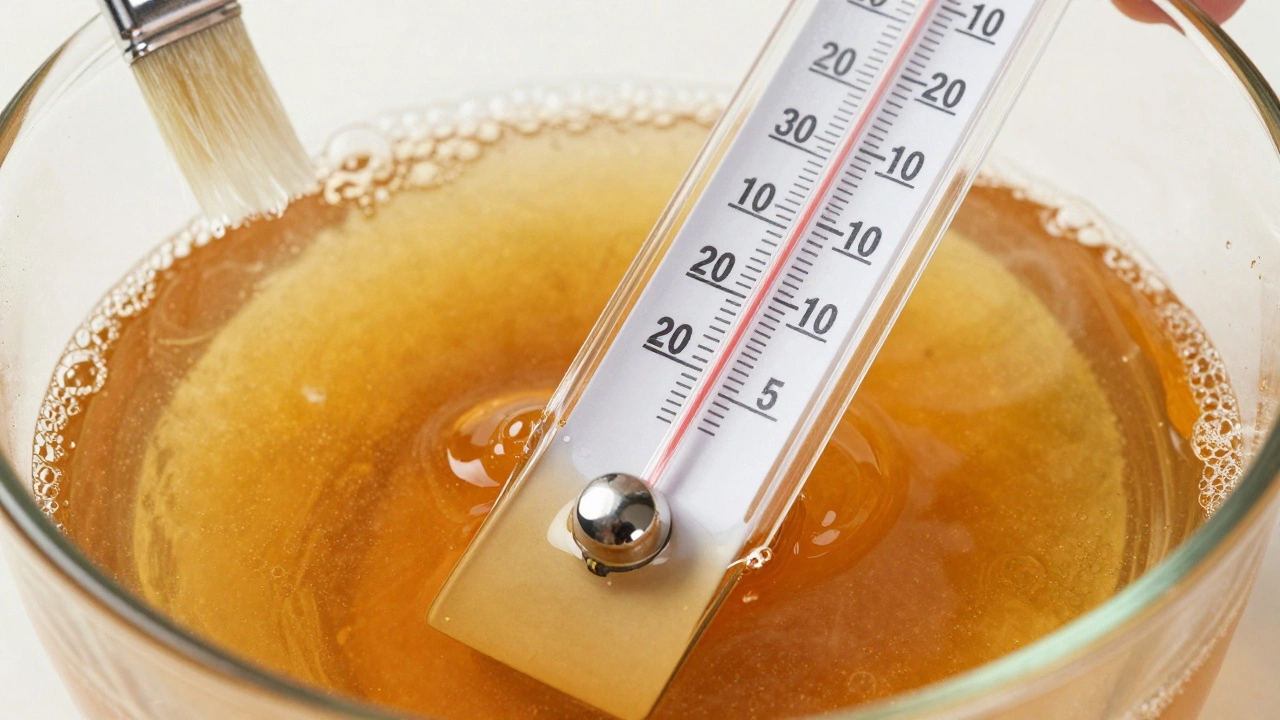
Once the mixture hits the boiling point, put the spoon down. This is the critical window. You're waiting for the mixture to reach a specific temperature-usually between 235°F and 240°F (113°C to 115°C) for a standard fudge. To track this accurately, you must use a Candy Thermometer, which is a specialized tool designed to measure the high temperatures of boiling sugar syrups.
If you see crystals forming on the sides of the pot during this phase, do not stir them back into the mix. If you do, those crystals act as "seeds" and will cause the entire batch to crystallize instantly. Instead, take a pastry brush dipped in warm water and gently wash the side of the pot. This dissolves the stray crystals without disturbing the rest of the syrup.
Phase 3: The Cooling and Beating (Intense Stirring)
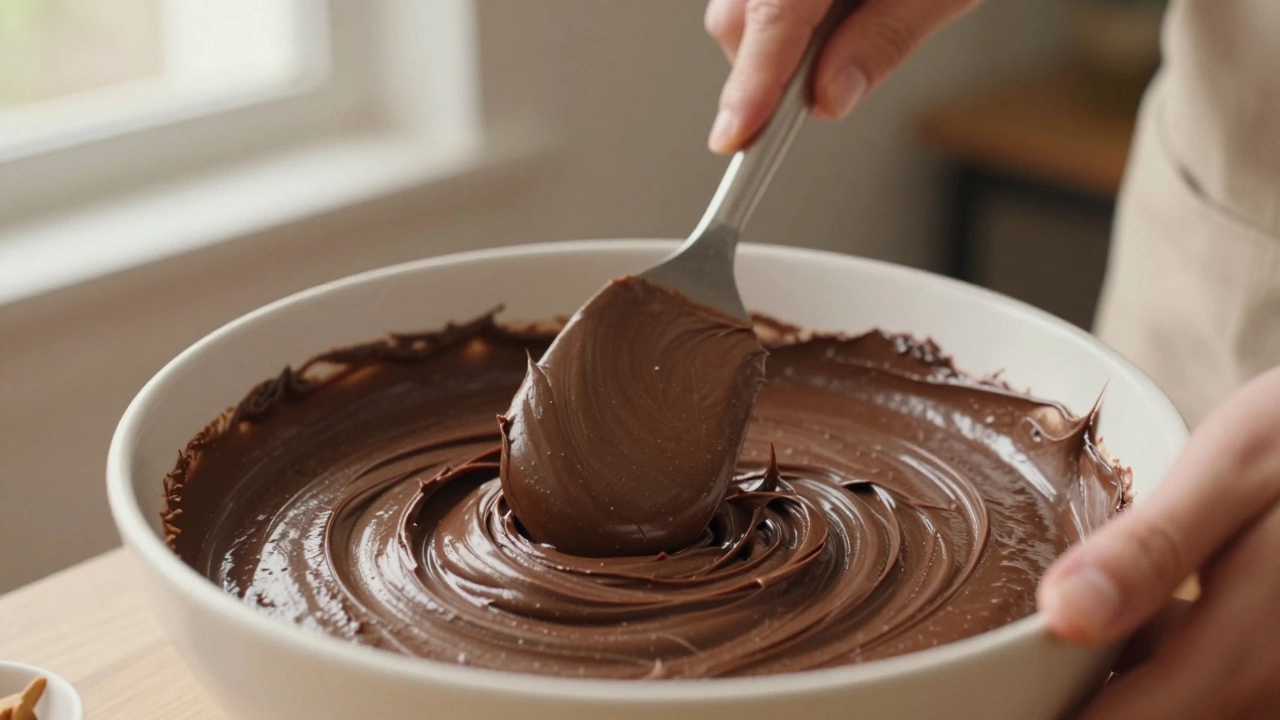
Now the rules flip. Once you remove the pot from the heat and let it cool slightly (usually for about 5 to 10 minutes), you need to stir-and stir hard. This is called "beating" the fudge. By stirring vigorously now, you are creating millions of tiny sugar crystals. Because they are so small and numerous, they don't feel gritty on the tongue; they feel creamy.
| Stage | Stirring Level | Goal | Risk of Not Following |
|---|---|---|---|
| Initial Melting | Moderate | Even heat / Mixing | Burnt bottom of the pan |
| Boiling/Rising Temp | None (Zero) | Prevent crystallization | Grainy, sandy texture |
| Cooling/Setting | High/Vigorous | Create micro-crystals | Soft, unstable, or gummy fudge |
Common Pitfalls and How to Fix Them
Even with the right stirring technique, things can go wrong. One common issue is using the wrong pot. A thin-bottomed pan creates "hot spots" that burn the sugar even if you stir. Switch to a heavy-bottomed saucepan or a Double Boiler if you're making a particularly delicate chocolate fudge. The double boiler uses steam to heat the ingredients, which removes the risk of scorching entirely.
Another mistake is ignoring the "soft-ball stage." In traditional confectionery, this is the point where the syrup, when dropped into cold water, forms a soft, pliable ball. If you stop heating too early, your fudge will be too soft to hold its shape. If you go too far, it becomes hard like a candy bar. This is why the thermometer is non-negotiable.
The Science of Creaminess: Why it Works
The secret to fudge is essentially a controlled failure of chemistry. We want the sugar to crystallize, but we want it to happen in a way that the crystals are too small for the human tongue to detect. The human tongue can generally detect sugar crystals that are larger than 30 microns. By beating the fudge during the cooling phase, you're ensuring the crystals stay well below that limit.
Some recipes suggest adding Corn Syrup or a pinch of Cream of Tartar. These are called "interfering agents." They physically get in the way of the sugar molecules, making it harder for them to bond into large crystals. If you use these, you have a bit more leeway with your stirring, but the "no-stir during boil" rule is still your safest bet for a professional finish.
Essential Gear for Fudge Success
You can't rely on a meat thermometer here. You need a tool that can handle high heat and react quickly. A digital probe thermometer is great for accuracy, but a traditional glass candy thermometer is often preferred because it doesn't risk electronic failure in a boiling pot of sugar. Pair this with a heavy-duty silicone spatula-metal spoons can scratch your pans and don't scrape the edges as effectively, which increases your risk of burning the mix during the melting phase.
Why is my fudge grainy even though I didn't stir it while boiling?
Graininess can be caused by a few things. First, check if you had sugar crystals on the side of the pot that fell back into the mix. Second, you might have beaten the fudge for too short a time during the cooling phase. Finally, if you used a low-quality sugar with uneven crystal sizes, it can occasionally affect the final result.
Can I use a slow cooker to make fudge?
Yes, but the stirring rules change. Slow cookers heat very slowly and evenly. You don't need to worry as much about burning, but you still shouldn't stir excessively once the mixture reaches a simmer to avoid graininess. However, because slow cookers don't reach the high temperatures of a stove as quickly, you'll need to monitor the temperature closely with a thermometer to ensure it hits the soft-ball stage.
What happens if I stir the fudge too much at the end?
Unlike the boiling phase, you generally can't "over-stir" during the final beating phase. The more you beat it (up to a point), the smoother it becomes. However, if you beat it for too long after it has already set, you might incorporate too much air, making the fudge slightly spongy rather than dense and creamy.
Do I need to stir if I'm using a recipe with condensed milk?
Condensed milk recipes are more forgiving because they contain a lot of dissolved solids and stabilizers. You can stir a bit more during the heating process, but the general rule remains: stir to prevent burning, but avoid aggressive mixing once it's bubbling to maintain that signature velvet texture.
How do I know when to stop stirring and start waiting?
As soon as the mixture reaches a steady, bubbling boil, stop stirring. At this point, the liquid is hot enough that the sugar is staying dissolved. Your only job now is to watch the thermometer and wait for it to hit the target temperature.
Next Steps for Your Fudge Journey
If you've mastered the stirring technique, try experimenting with different flavors. Start with a basic chocolate or vanilla, then move on to peanut butter or salted caramel. Remember that different ingredients change the boiling point slightly. For example, adding a heavy dose of peanut butter might make the mixture thicker, requiring a bit more patience during the melting phase. If your fudge ever comes out too soft, don't throw it away-you can often melt it back down, bring it up to the correct temperature again, and re-beat it for a second chance at perfection.
Popular Posts


The 10 Most Popular Cakes Everyone Loves
Oct, 4 2026