
Candy Thermometer 101: Pick the Right One, Get Accurate Readings, Keep It Clean
If you’re serious about candy, caramel, or fudge, a candy thermometer is your best friend. It tells you exactly when sugar hits the stage you need, so you avoid burnt batches or runny results. In this guide we’ll walk through what to look for, how to read it properly, and the easiest ways to keep it in top shape.
Choosing the Right Candy Thermometer
First off, not all thermometers are created equal. The two main types are dial (or analog) and digital. Dial models are sturdy, cheap, and work well in a busy kitchen, but they can be slower to react. Digital ones give instant readings, often with a large LCD, and many come with a clip that snaps onto the pot rim. For beginners, a digital thermometer with a range of 100°F‑400°F (38°C‑204°C) is ideal – it covers the soft‑ball stage up to the hard‑crack stage.
Other features to watch for:
- Calibration knob or button: lets you reset the zero point for accuracy.
- Heat‑resistant silicone sleeve: protects your hands and prevents the probe from melting.
- Easy‑read markings: clear numbers or color bands make a quick glance possible.
Don’t forget the price. You can find reliable digital models for $15‑$25, which is a small investment compared to wasted ingredients.
How to Use a Candy Thermometer Correctly
When you add the thermometer, make sure the tip is fully submerged but not touching the bottom of the pan. The metal can get hotter than the liquid, giving a false high reading. Stir the mixture gently to keep the temperature even and watch the display.
Here are the key sugar stages most home cooks need:
| Stage | Temp (°F) | Uses |
|---|---|---|
| Soft‑ball | 235‑245 | Fudge, soft caramels |
| Firm‑ball | 245‑250 | Peanut brittle, nougat |
| Hard‑ball | 250‑265 | Candy bars, toffee |
| Soft‑crack | 270‑290 | Caramel sauce, lollipops |
| Hard‑crack | 300‑310 | Hard candy, brittles |
When you hit the target temperature, pull the pot off the heat immediately. Sugar continues to cook from residual heat, so having a timer handy helps you stop it in time.
Cleaning, Storing, and Troubleshooting Tips
After each use, wash the probe with warm, soapy water. Avoid submerging the entire thermometer if it’s not waterproof – just clean the tip and wipe the body. Some digital models let you soak the probe for a minute, but always check the manual.
Store the thermometer in a dry place, preferably hanging from its metal clip. This prevents the probe from bending and keeps the dial or sensor from getting knocked.
Common problems:
- Reading too high: tip touching the pan bottom. Re‑position it higher.
- Slow response: battery low on digital units. Swap the battery.
- Sticky numbers on dial: gently tap the knob; if it won’t move, it may need professional repair.
Remember, a candy thermometer is only as good as the way you use it. Take a moment to calibrate it before big batches – fill a glass with ice water, insert the probe, and make sure it reads 32°F (0°C). If it’s off, adjust the calibration until it’s spot‑on.
With the right thermometer and these simple habits, you’ll stop guessing and start nailing every candy recipe. So grab your thermometer, set those temps, and let the sweet success roll.
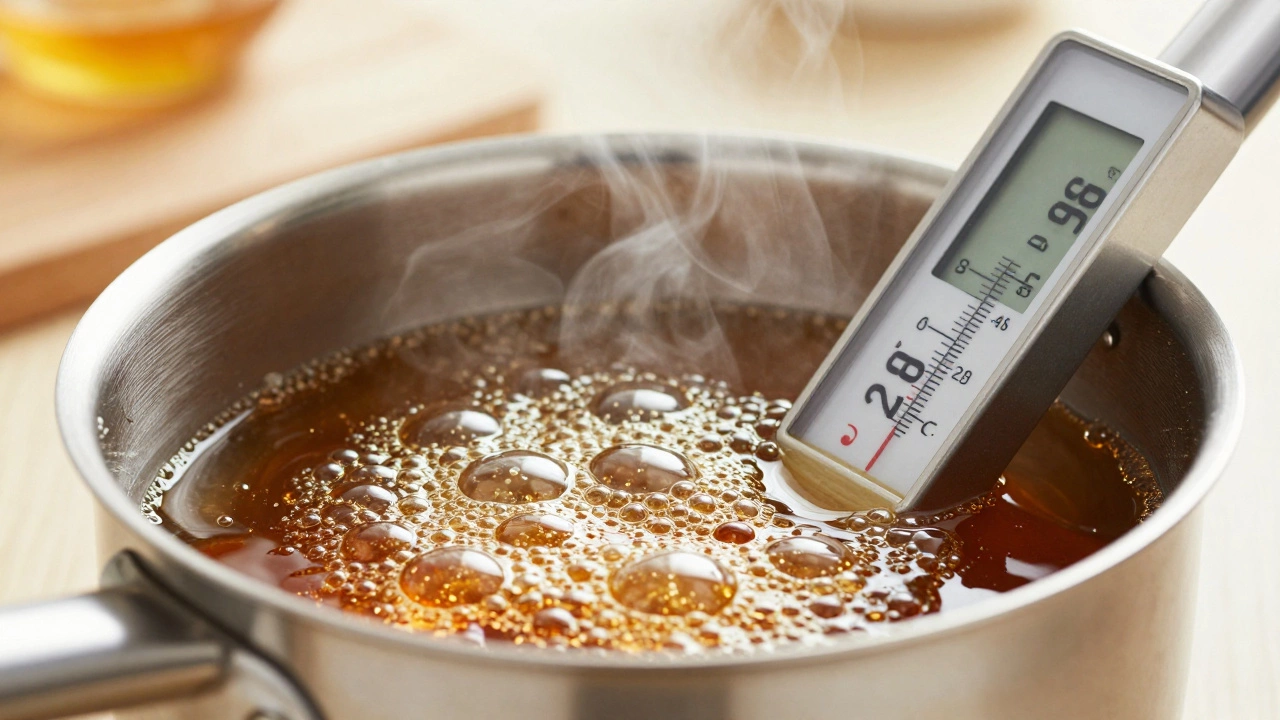
Why Does Fudge Get Hard? The Science Behind Soft, Creamy Fudge
Discover why fudge gets hard and how to fix it. Learn the science of sugar crystallization, the importance of the soft-ball stage, and tips for creamy texture.
View More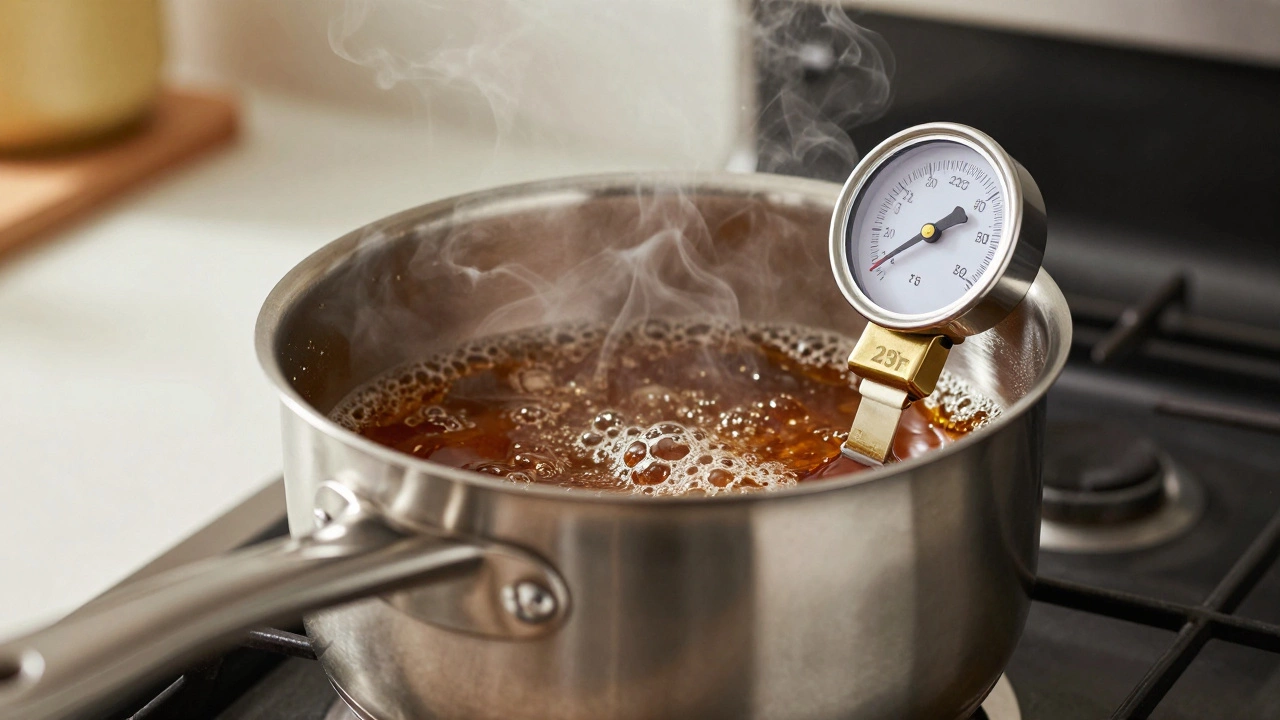
How Long to Boil Fudge for Soft Ball Stage: Time, Temp & Tips
Learn exactly how long to boil fudge for the perfect soft ball stage. Discover why time is unreliable, how to use a candy thermometer, and tips for avoiding grainy or hard fudge.
View More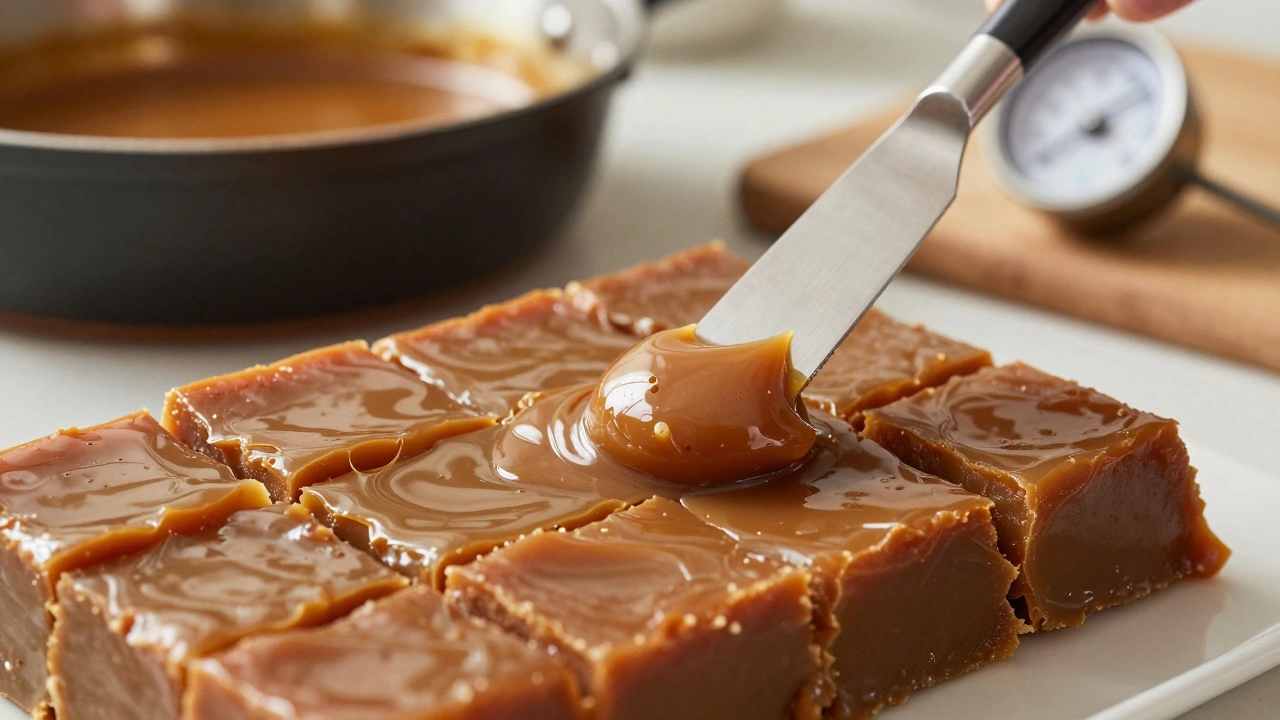
Why Did My Fudge Not Get Hard? Troubleshooting Soft Fudge
Discover why your homemade fudge stayed soft and learn how to fix it. From temperature control to ingredient ratios, troubleshoot common mistakes and master the art of perfect, firm fudge every time.
View More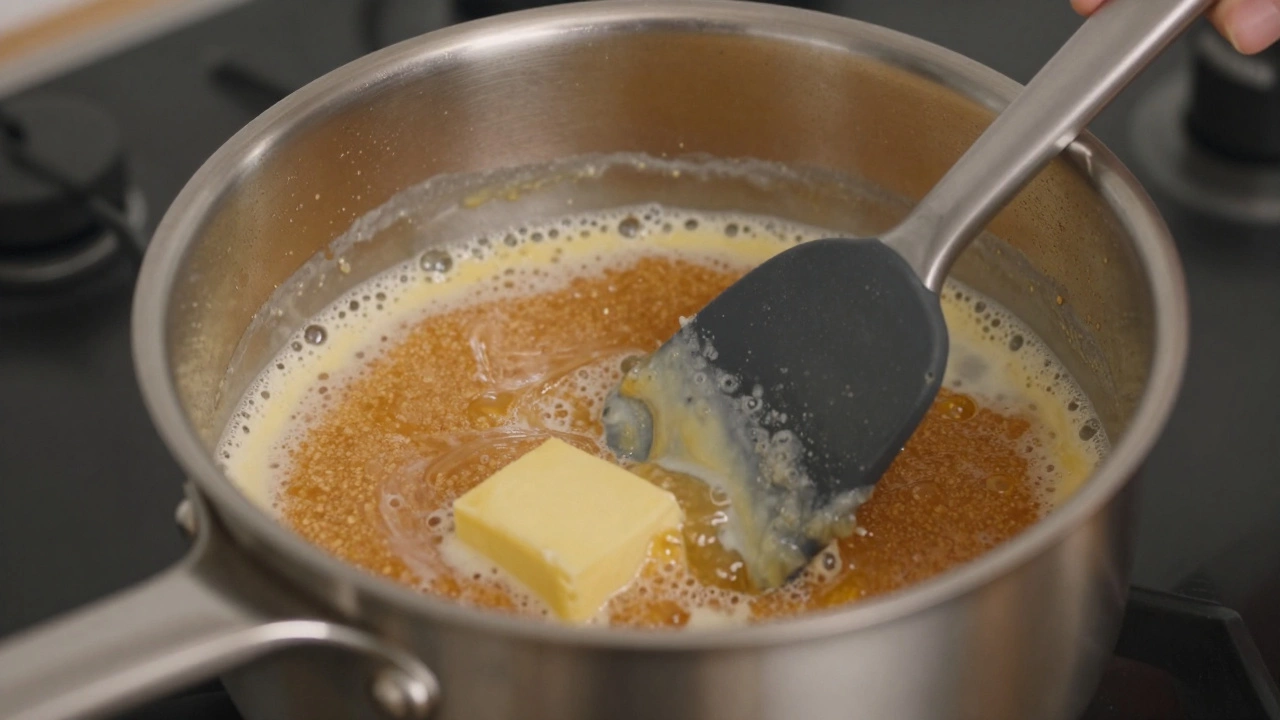
The Truth About Stirring Fudge: When to Mix and When to Wait
Learn exactly when to stir your fudge and when to stop. Avoid graininess and achieve a professional, creamy texture with our guide to fudge agitation.
View More
Fudge Temperature Guide: The Exact Soft‑Ball Stage and How to Hit It Every Time
Wondering what temperature to cook fudge at? Get the exact soft-ball range, quick fixes, altitude adjustments, and a simple step-by-step to nail creamy fudge.
View MorePopular Posts



How Many Macarons Do You Need for a Tower?
May, 31 2025