Fudge Texture Diagnostic Tool
Diagnose Your Fudge Issues
Adjust the sliders and check your process steps to find out why your fudge turned out hard, grainy, or sticky.
1. Cooking Parameters
2. Process Checklist
Adjust the parameters above and click 'Analyze' to get a diagnosis of your fudge texture.
You pour the hot mixture into the pan. You wait for it to cool. You cut a piece, and instead of that luxurious, melt-in-your-mouth creaminess, you get a chunk of rock-hard candy that threatens to crack your molars. It’s frustrating, especially when the smell was so promising. But here is the good news: hard fudge isn’t usually a sign of bad ingredients. It’s almost always a case of physics gone slightly wrong.
The difference between a silky bar and a sugary brick comes down to one thing: crystal size. If you want to know what keeps fudge from getting hard, you need to understand how sugar behaves under heat. This isn’t just about following a recipe; it’s about controlling the environment in your saucepan.
The Crystal Size Theory: Why Texture Matters
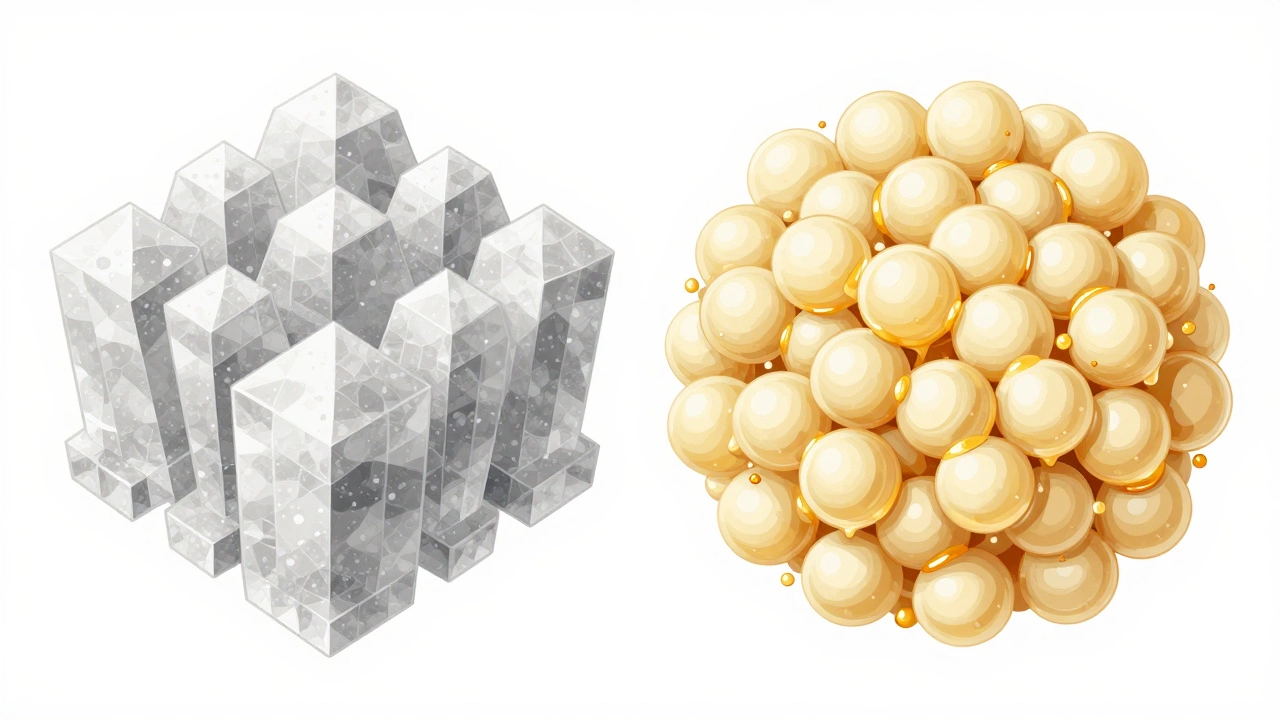
To make fudge, you are essentially creating a supersaturated sugar solution. When water evaporates from your milk and sugar mix, the sugar molecules have nowhere left to go but to bond with each other as the mixture cools. These bonds form crystals.
If those crystals grow large, they become visible to the naked eye. They feel gritty or hard on the tongue. This is what happens when you boil the mixture too long or fail to agitate it properly. The result is a texture closer to rock candy than confectionery.
If the crystals remain microscopic, they scatter light and create a smooth, opaque surface. Your tongue perceives this as creamy and soft. The goal of every fudge maker is to encourage millions of tiny crystals to form simultaneously, rather than letting a few large ones dominate the structure.
| Crystal Size | Texture Description | Cause |
|---|---|---|
| Large (Visible) | Hard, gritty, crunchy | Overcooking, lack of agitation, undissolved sugar |
| Microscopic (Invisible) | Soft, creamy, smooth | Correct temperature, proper beating, interfering agents |
The Role of Temperature: The Soft-Ball Stage
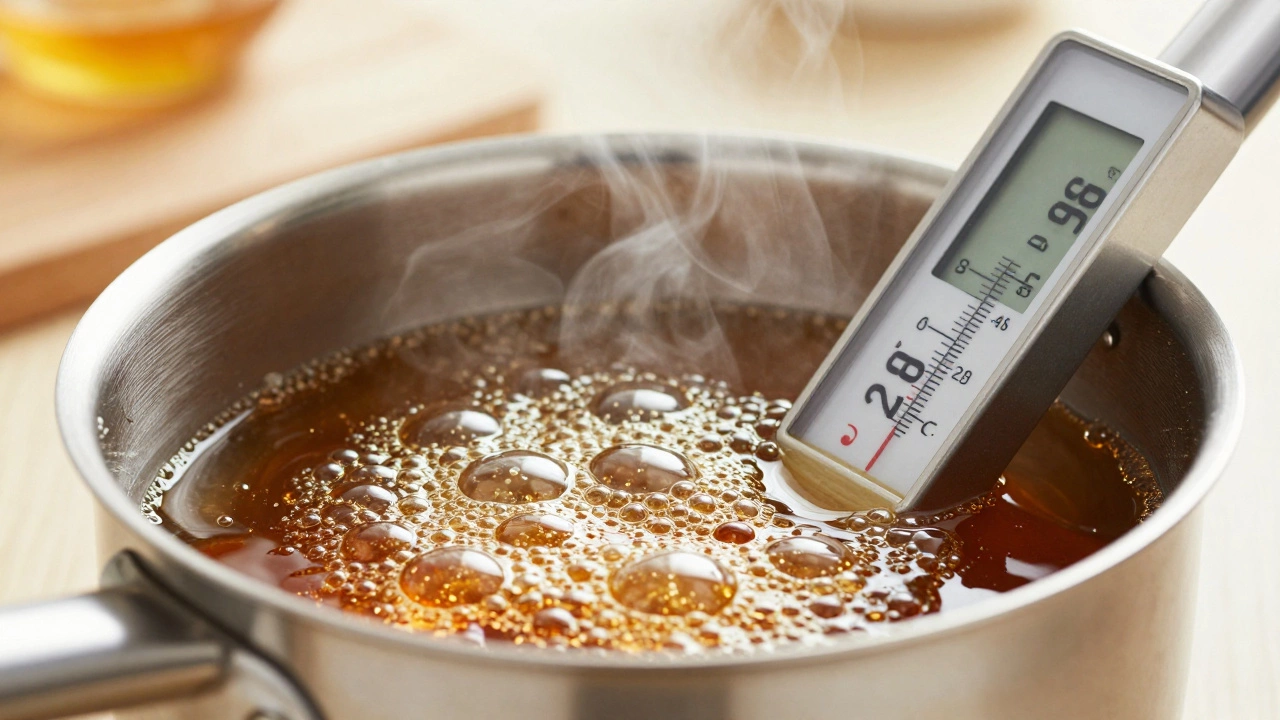
Temperature is the primary control knob you have. In candy making, specific temperatures correspond to specific water contents. For fudge, you are aiming for the "soft-ball stage." This occurs between 234°F and 240°F (112°C - 116°C).
Here is why precision matters. If you pull the pot off the heat at 228°F, there is still too much water in the mix. The fudge will never set; it will remain sticky and gooey. If you let it climb to 248°F (the firm-ball stage), you’ve evaporated too much water. The sugar concentration becomes too high, forcing the crystals to pack tightly together as they cool, resulting in a hard, brittle snap.
Without a candy thermometer, you are guessing. While the cold-water test (dropping a bit of syrup into ice water) works in a pinch, it is subjective. A digital instant-read thermometer gives you an exact number. Check it constantly once you hit 220°F, because the temperature can spike quickly in the final minutes.
Interfering Agents: The Secret to Softness
Sugar wants to crystallize. To keep fudge soft, you need to introduce substances that physically block sugar molecules from linking up into large structures. These are called "interfering agents." Most standard recipes include two key players: butter and corn syrup (or golden syrup in the UK).
Butter contains fat and water. Fat coats the forming sugar crystals, preventing them from sticking to one another. Water dilutes the sugar concentration slightly. Using full-fat, unsalted butter is non-negotiable for texture. Low-fat spreads contain too much water and stabilizers that can throw off the chemical balance, leading to grainy results.
Corn syrup (or glucose syrup) is liquid glucose. Unlike sucrose (table sugar), which forms strong crystals, glucose is sticky and viscous. It gets in the way of the sucrose crystals, keeping them small and dispersed. If you omit this ingredient, your fudge is far more likely to turn out hard and crumbly. Never substitute regular sugar for corn syrup without adjusting the entire recipe chemistry.
The Agitation Phase: Beating the Right Way
Once the mixture reaches the correct temperature, you remove it from the heat. This is the critical moment where many home cooks lose control. You must let the mixture cool to body temperature (around 110°F or 43°C) before you start stirring. If you beat it while it’s hot, the crystals won’t have time to nucleate properly, and you’ll end up with a grainy mess.
When you do start beating, you need consistent agitation. This shear force breaks up any large crystal clusters that begin to form. Use a wooden spoon or a hand mixer on low speed. Beat until the mixture loses its glossy shine and turns matte and pale. This change in appearance signals that the air has been incorporated and the crystals have formed.
Stop immediately once it thickens. Over-beating incorporates too much air and can actually toughen the fudge, making it dense and hard to chew. Under-beating leaves it too soft. Practice makes perfect here.
Common Mistakes That Lead to Hard Fudge
Even with the right technique, small errors can ruin the batch. Here are the most frequent culprits:
- Undissolved Sugar: If you dump granulated sugar into cold milk and don’t stir it thoroughly over low heat before boiling, those undissolved grains act as seeds for large crystals. Always dissolve the sugar completely before raising the heat to a boil.
- Adding Ingredients Too Early: Butter, vanilla, and nuts should be added after you remove the pot from the heat. Adding them during the boil can lower the temperature unpredictably or cause the mixture to seize.
- Humidity: Sugar is hygroscopic, meaning it attracts moisture from the air. Making fudge on a rainy day in Brighton can sometimes lead to softer, stickier fudge because it absorbs ambient humidity. Conversely, very dry air can accelerate cooling, requiring faster agitation.
- Using the Wrong Pan: Pouring hot fudge into a metal bowl might seem efficient, but metal conducts heat rapidly. This causes the edges to set instantly while the center remains liquid, leading to uneven crystal formation. Glass or ceramic pans provide slower, more even cooling.
Troubleshooting: Can You Save Hard Fudge?
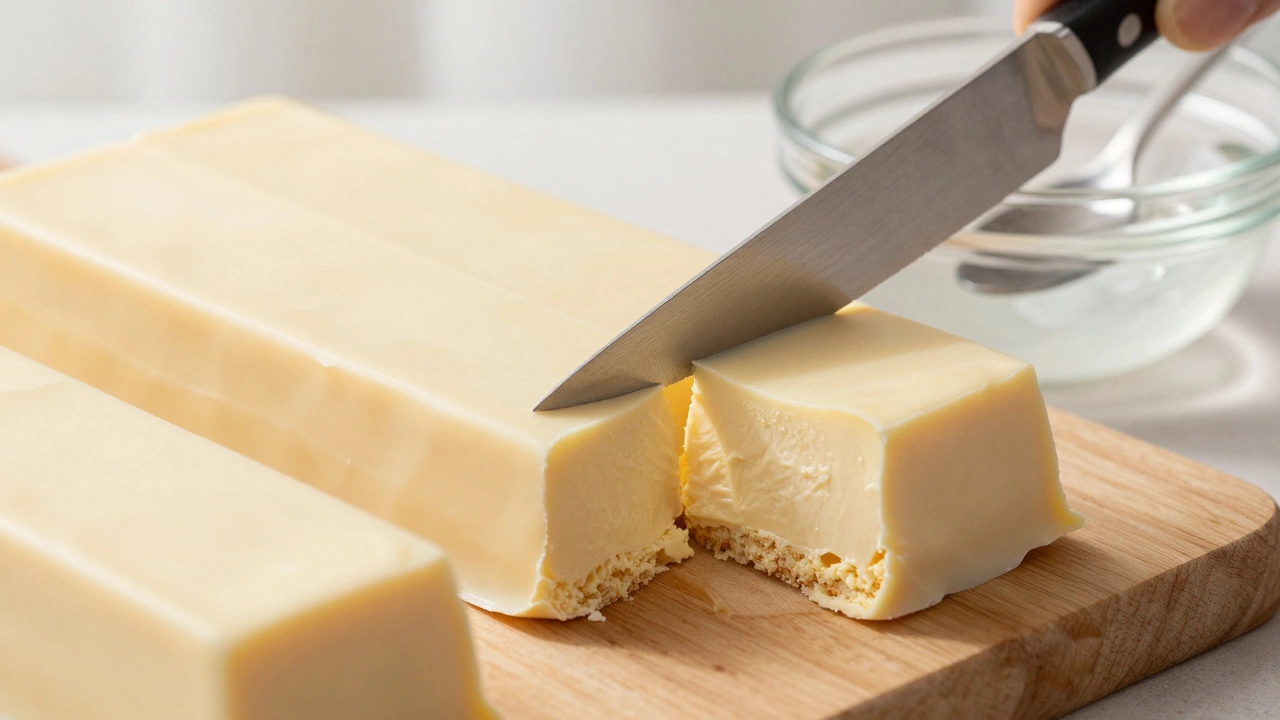
If your fudge has already hardened, don’t throw it away. You can often rescue it by reversing the process. Break the hard fudge into small pieces and return it to a saucepan. Add a splash of milk or cream (about 1 tablespoon per cup of fudge). Heat gently, stirring constantly, until the fudge melts back into a smooth liquid.
Bring it back to the soft-ball stage (234°F-240°F). Remove from heat, let it cool to 110°F, and re-beat it. This second chance allows you to correct the crystal structure. Just be careful not to overcook it again, as repeated heating can degrade the flavor of the dairy.
Storage Tips to Maintain Texture
Proper storage ensures your fudge stays soft for weeks. Wrap individual pieces in wax paper or parchment paper, then place them in an airtight container. Store at room temperature in a cool, dry place. Avoid the refrigerator unless your kitchen is extremely hot, as cold air can dry out the fudge and make it harder. If you do refrigerate, let it come to room temperature before eating to restore its creamy texture.
Why did my fudge turn out hard like candy?
Your fudge likely reached a temperature higher than 240°F (116°C), entering the firm-ball or hard-ball stage. This evaporates too much water, causing sugar crystals to pack tightly. Alternatively, you may have beaten the mixture while it was still too hot, encouraging large crystal growth.
Can I use honey instead of corn syrup?
Yes, you can substitute honey for corn syrup in a 1:1 ratio. Honey acts as an interfering agent similar to corn syrup, preventing large crystal formation. However, honey has a distinct flavor that will alter the taste profile of your fudge, so pair it with complementary flavors like chocolate or peanut butter.
How do I know if my fudge is done without a thermometer?
Use the cold-water test. Fill a small glass with ice water. Drop a teaspoon of the hot syrup into the water. If it forms a soft ball that flattens when pressed between your fingers, it’s ready. If it dissolves, it’s undercooked. If it holds its shape firmly, it’s overcooked.
Why is my fudge grainy instead of hard?
Graininess indicates that sugar crystals formed but were not kept microscopic. This usually happens if the sugar wasn’t fully dissolved before boiling, or if the mixture was disturbed (stirred) during the cooking phase. Stirring while boiling encourages crystallization, leading to a sandy texture.
Does adding salt affect the hardness of fudge?
Salt primarily enhances flavor, but excessive amounts can interfere with crystal formation. Use only the amount specified in the recipe. Salt does not significantly soften or harden fudge on its own, but it balances the sweetness, making the texture feel more pleasant on the palate.
Popular Posts
Do Potatoes Have Gluten? Exploring Gluten-Free Bakes
Feb, 19 2025