
Almond Flour: Gluten‑Free Baking Made Easy
When working with almond flour, a finely ground nut powder made from blanched almonds, prized for its low‑carb, gluten‑free profile. Also known as almond meal, it adds moist texture and a subtle sweet flavor to baked goods. Explore how almond flour can transform your recipes without sacrificing taste.
Why Choose Almond Flour?
For anyone into gluten‑free baking, the practice of creating pastries without wheat, barley or rye, almond flour provides the protein and healthy fats that keep cakes from crumbling. If you’re watching carbs, low‑carb desserts, sweet treats that stay under 10 g of net carbs per serving often rely on almond flour to bulk up without spiking sugar. Curious about almond flour nutrition, its high vitamin E, magnesium, and monounsaturated‑fat content makes it a heart‑friendly choice for everyday baking. Together, these factors explain why almond flour has become a staple for health‑focused bakers.
Practical tips make the switch painless: use a 1:1 ratio when swapping almond flour for regular flour in dense cakes, but add an extra egg or a bit of xanthan gum for airy loaves. Store it in an airtight jar in the fridge to keep its fresh, nutty flavor—heat and light can turn it bitter. When you’re ready to bake, toast the flour lightly for an extra depth of flavor; it’s a trick pros use for brownie bases and cheesecake crusts. Below you’ll find a hand‑picked collection of posts that dive into specific uses, from almond‑flour cheesecake crusts to low‑carb birthday cakes, giving you step‑by‑step guidance and creative ideas to put this versatile ingredient to work.
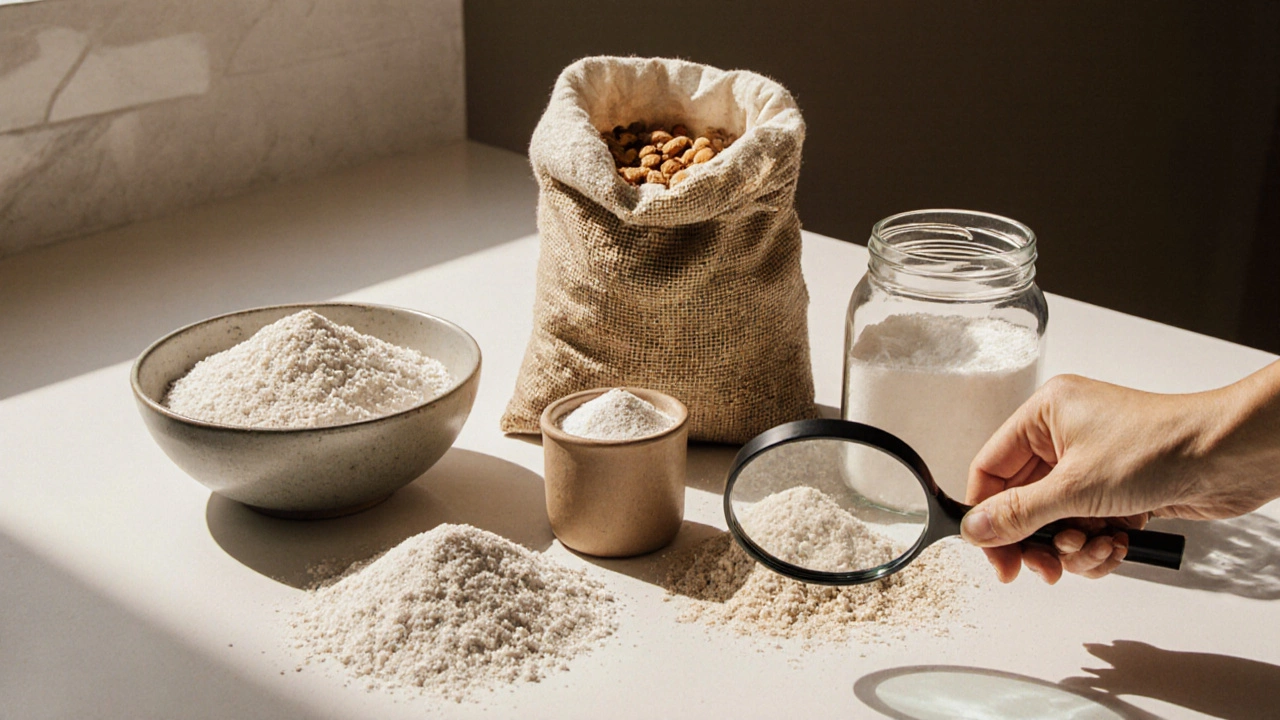
Best Gluten‑Free Flour for Cake Baking
Discover the top gluten‑free flours for cakes, learn how to blend them for perfect texture, and avoid common pitfalls with a handy cheat‑sheet.
View MorePopular Posts



Vegan Desserts: What Am I Lacking as a Vegan?
May, 14 2025

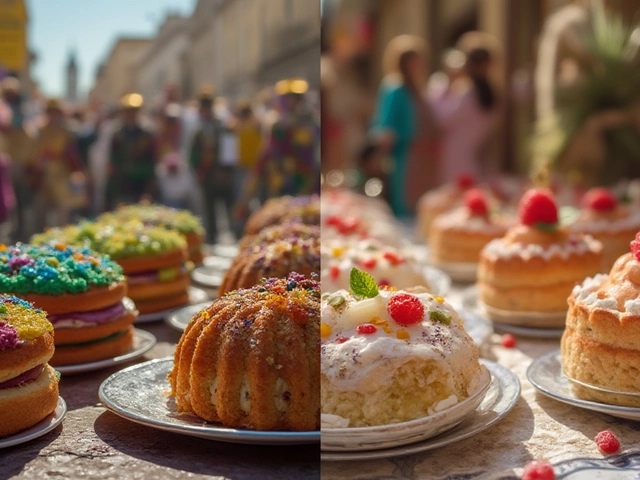
King Cake vs Queen Cake: What’s the Real Difference?
Jul, 22 2025