
Evaporated Milk Fudge: Simple Recipes, Tips, and Why It Works
When you make evaporated milk fudge, a rich, smooth chocolate treat made with concentrated milk instead of heavy cream. Also known as condensed milk fudge, it’s one of the most forgiving sweets you can make—no candy thermometer needed, no fancy equipment, just a pot, a spoon, and patience. This isn’t just a cheap substitute for fancy fudge. It’s a classic American pantry staple that’s been trusted for decades because it actually works, even if you’re new to candy-making.
What makes evaporated milk, milk with about 60% of the water removed, giving it a thicker, richer texture. Also known as canned milk, it’s the secret behind fudge that sets perfectly without curdling or graininess. Unlike heavy cream, which can separate if overheated, evaporated milk holds its structure under heat. That’s why it’s the go-to for home bakers who want creamy fudge without the stress. And it’s not just about texture—evaporated milk adds a subtle caramel note that deepens the chocolate flavor. You’ll find it in nearly every fudge recipe that says "easy" or "beginner-friendly," and for good reason.
Then there’s the fudge texture, the smooth, melt-in-your-mouth quality that separates good fudge from chalky or oily messes. Also known as fudge consistency, it’s all about timing and temperature control—not fancy tools. Stir too early, and you get grainy fudge. Stir too late, and it won’t set right. The trick? Wait until the mixture cools just enough—usually after you take it off the heat—before you start stirring. That’s when the sugar crystals form evenly, not clump together. This is why recipes like the one in post 63987 emphasize *when* to stir, not how often. It’s not magic. It’s science, made simple.
You might wonder why anyone uses evaporated milk instead of cream or butter. The answer? Availability, cost, and reliability. If you’re out of heavy cream, or if you’re baking on a budget, evaporated milk is your backup hero. It’s shelf-stable, lasts for months in the pantry, and doesn’t require refrigeration until opened. That’s why it’s a staple in emergency dessert kits, school bake sales, and grandma’s kitchen. And yes, it still tastes indulgent. A single batch of evaporated milk fudge can turn a Tuesday into a treat day.
People also mix in vanilla, nuts, or even a pinch of salt—but the base stays the same: sugar, chocolate, and evaporated milk. Skip the vanilla? You’ll notice a flat taste, as post 57331 explains. Add too much butter? It can make the fudge greasy. Too little chocolate? It turns into sweet candy, not fudge. These aren’t guesses. These are real outcomes from real bakers who’ve tried it all.
And here’s the thing: this isn’t a trend. It’s a tradition. Evaporated milk fudge has survived because it’s practical, delicious, and forgiving. You don’t need a kitchen scale, a stand mixer, or a degree in food science. You just need to follow the steps, trust the process, and let the sugar do its job. The posts below show you exactly how—whether you’re fixing grainy batches, swapping ingredients, or just trying to make your first batch without a disaster.
What you’ll find here aren’t just recipes. They’re fixes, explanations, and shortcuts from people who’ve been there—burned the pot, over-stirred, or wondered why their fudge didn’t set. All of it, boiled down to what actually matters.
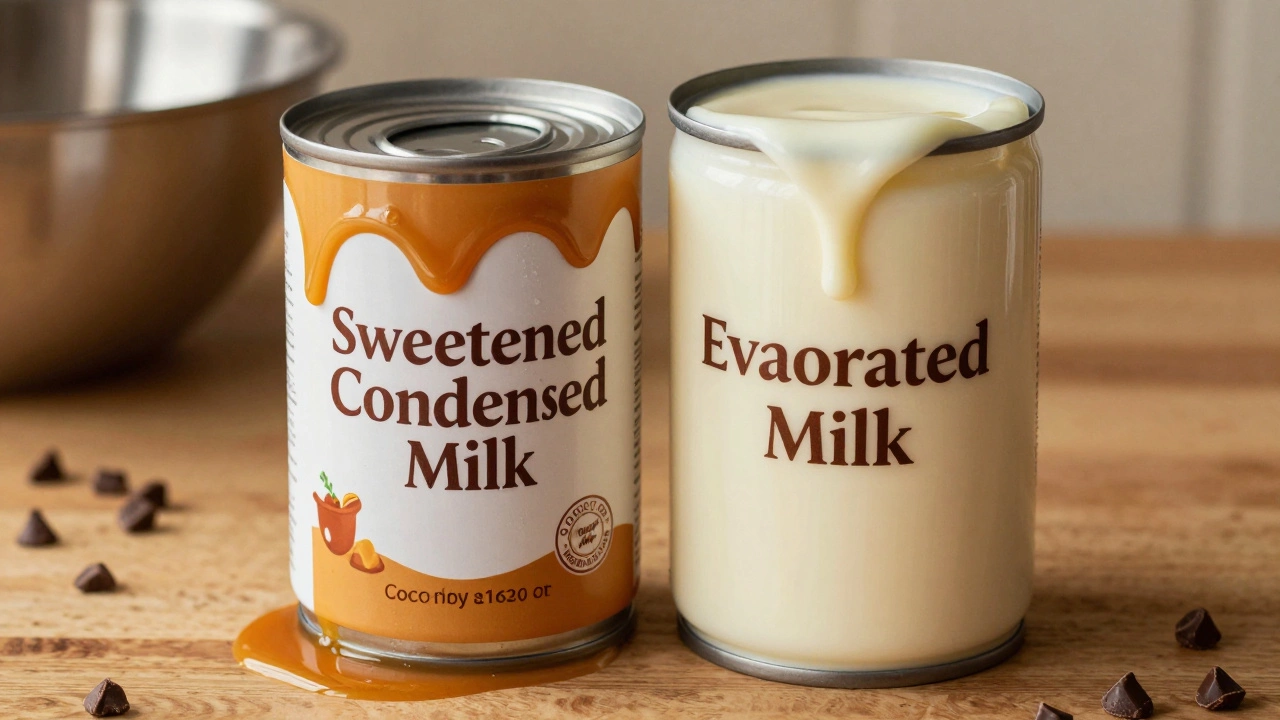
Condensed Milk vs Evaporated Milk for Fudge: Which One Really Works?
Condensed milk makes fudge smooth and easy. Evaporated milk won't set properly unless the recipe is designed for it. For perfect fudge every time, use sweetened condensed milk.
View More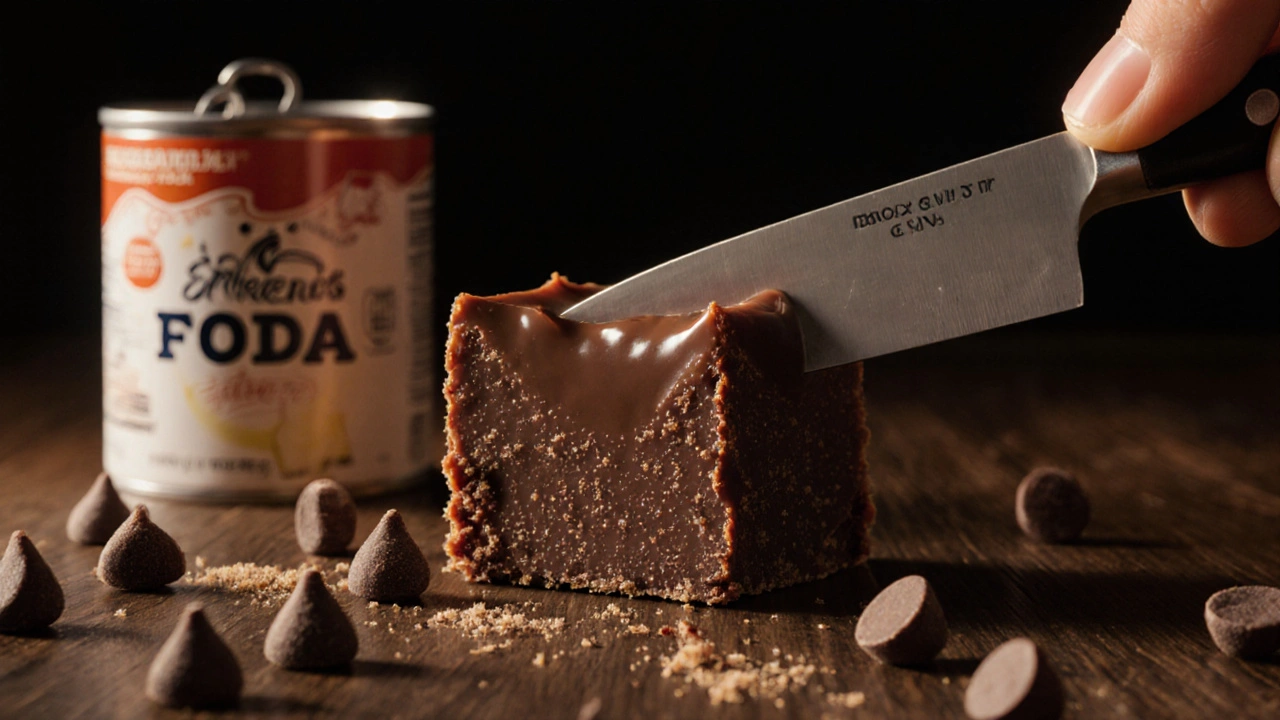
Why Use Evaporated Milk in Fudge? The Science Behind the Creaminess
Evaporated milk is the secret to smooth, non-grainy fudge. It reduces water content for better sugar crystallization, gives rich texture without added sugar, and outperforms regular milk or condensed milk in classic recipes.
View MorePopular Posts





Costco Cakes Without Ordering: What You Need to Know
May, 23 2025