Fudgy Brownies: The Ultimate Guide to Perfect Texture, Storage, and Secrets
When you think of fudgy brownies, a rich, dense, and intensely chocolatey baked treat that sits between cake and candy. Also known as chocolate brownies, they’re the kind of dessert that doesn’t need frosting to shine—just a little salt and a cold glass of milk. What makes them different from cakey brownies? It’s all about the ratio of fat to flour, the way the sugar caramelizes, and how long you let them cool before cutting.
Getting that perfect fudgy brownies texture isn’t luck—it’s science. Too much flour? They turn dry. Overbake them? They crack and harden. Underbake? They’re gooey in a way that’s messy, not indulgent. The sweet spot is usually 20–25 minutes in a preheated oven, but the real trick starts after you pull them out. brownies cooling time, the critical 2-hour wait before slicing lets the internal structure set. Cut too soon, and you’ll get smears instead of clean edges. This isn’t just advice—it’s why professional bakers always let theirs rest overnight.
And then there’s storage. brownies shelf life, how long they stay fresh without going stale or moldy depends on how you store them. At room temperature, they last 3–4 days in an airtight container. In the fridge? Up to 5 days, but they firm up. Freeze them, and they’ll keep their fudgy soul for up to 3 months. A lot of people don’t know you can reheat a frozen brownie in the microwave for 10 seconds and it’ll taste like it just came out of the oven.
Why do some brownies turn hard after baking? It’s usually because they were overmixed. Stirring the batter too much develops gluten, which turns soft chocolate into something chewy and tough. The best brownie batter is lumpy. Don’t try to make it smooth. Let the chocolate do the work.
And if you’ve ever wondered why your brownies are crumbly or greasy on the bottom, it’s likely the type of fat you used. Butter gives flavor, but oil gives moisture. Many bakers use a mix of both. And if you’re using cocoa powder instead of melted chocolate, make sure it’s unsweetened—otherwise, you’ll end up with something that tastes more like candy than a proper brownie.
These aren’t just recipes. They’re fixes. Solutions. Tiny adjustments that turn a good brownie into one you’ll make again and again. You’ll find posts here that explain why cooling time matters more than baking time, how to revive stale ones, what happens if you skip the flour, and why some people swear by adding a pinch of espresso powder to deepen the chocolate flavor—without making it taste like coffee.
Whether you’re baking for a crowd, packing them for a gift, or just treating yourself after a long day, the right brownie is the kind that doesn’t need explaining. It just disappears. And below, you’ll find every real, tested, no-fluff tip we’ve collected over the years—straight from bakers who’ve been there, burned the batch, and figured it out anyway.
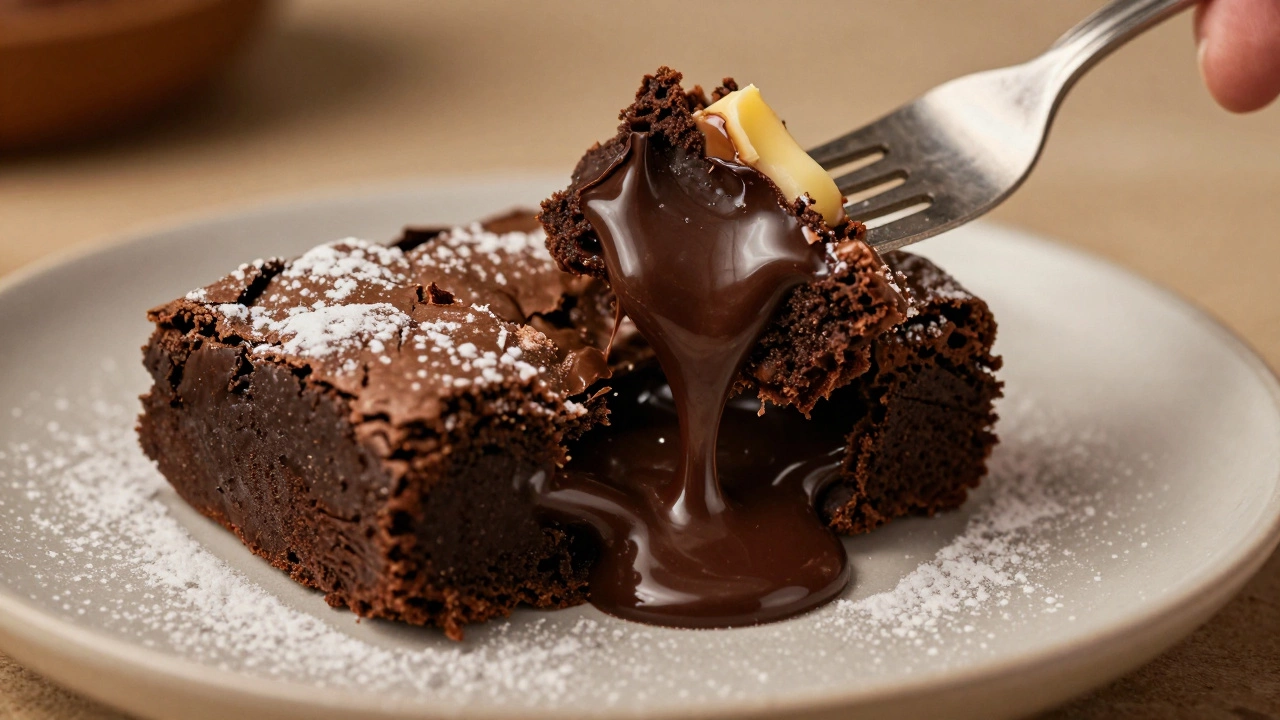
How Many Types of Brownies Are There? A Complete Guide to Brownie Varieties
Discover the seven main types of brownies-from fudgy and chewy to vegan and gluten-free-and learn how to pick or bake the perfect one for any occasion. No fluff, just real differences and practical tips.
View MorePopular Posts

Macarons in Brazil: A Sweet Exploration
Mar, 23 2025