Vegan Sugar: What It Is, Where to Find It, and Which Sweet Treats Really Work
When you buy vegan sugar, a type of sugar processed without animal-derived bone char. Also known as plant-based sugar, it’s the sweetener behind many dairy-free cookies, vegan brownies, and cruelty-free fudge. But here’s the catch: most white sugar in the U.S. and UK isn’t vegan. It’s filtered through bone char—ground-up animal bones—to bleach it white. That’s not a secret, but it’s rarely on the label. If you’re avoiding animal products, you can’t assume sugar is safe just because it’s not milk or eggs.
That’s why cane sugar, a common alternative to beet sugar, often comes in vegan versions if labeled organic or unrefined matters. So does beet sugar, a root-based sweetener that never touches bone char. And then there’s coconut sugar, a natural, unrefined option with a caramel-like taste. These aren’t just trendy swaps—they’re the real deal for people who want their desserts to match their values. You’ll find these in recipes for vegan Oreos, fudge without gelatin, and even macarons that skip animal products entirely.
It’s not just about the sugar itself. The whole dessert chain matters. If you’re making a batch of brownies, and you use vegan sugar but then add regular marshmallows or buttercream made with dairy, you’ve missed the point. That’s why so many posts here focus on the full picture: from vegan sugar to the frosting on top. You’ll see how people replace honey with maple syrup, how to read labels on chocolate chips, and why some brands of icing sugar still sneak in bone char even when they say "natural."
Some folks think vegan sugar tastes different. It doesn’t—not if you pick the right kind. Organic cane sugar, for example, behaves just like regular sugar in baking. Coconut sugar might darken things a bit, but it adds depth. The key is knowing what you’re buying. Look for labels that say "unrefined," "organic," or "vegan certified." Skip anything that just says "natural"—that word means nothing here.
And don’t get tricked by big brands. Even if a cookie says "dairy-free," the sugar inside might not be vegan. That’s why we’ve got posts breaking down exactly which treats are accidentally vegan—and which ones aren’t, no matter how clean the packaging looks. You’ll find out why some chocolate bars are safe, why certain marshmallows are a no-go, and how to make your own vegan fudge that doesn’t taste like compromise.
Whether you’re baking for yourself, for a friend, or just trying to eat more mindfully, vegan sugar isn’t a niche trend. It’s a practical step. And once you know how to spot it, you’ll start seeing it everywhere—in your pantry, in store-bought treats, even in the recipes you’ve been using for years. The next time you reach for sugar, you won’t just be sweetening your dessert. You’ll be making a choice.
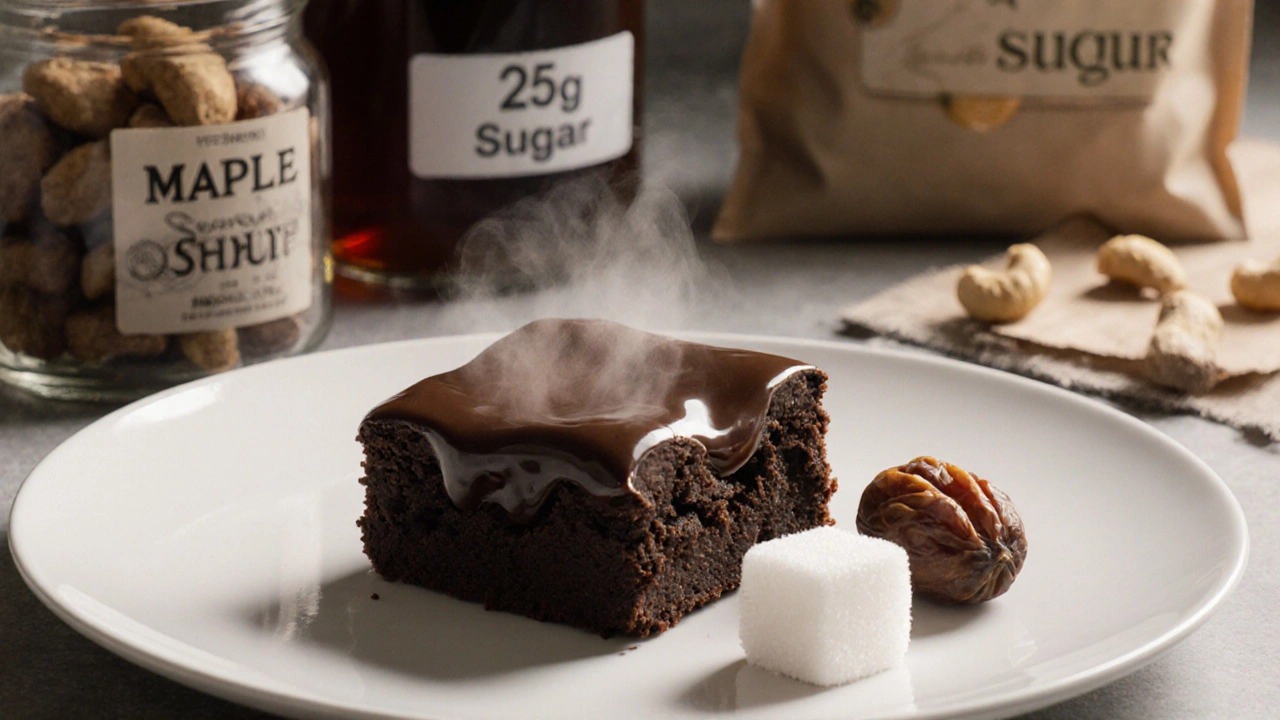
What Are the Downsides of Vegan Desserts?
Vegan desserts aren't automatically healthy. Many are loaded with sugar, processed ingredients, and lack key nutrients. Learn the real downsides and how to enjoy them without the trade-offs.
View MorePopular Posts

Can You Freeze Cream Cheese?
Feb, 25 2025