
Cheesecake Cheese Selector
Select Your Base Cheese
Pro Tip:
Select a cheese on the left to see its cheesecake potential.
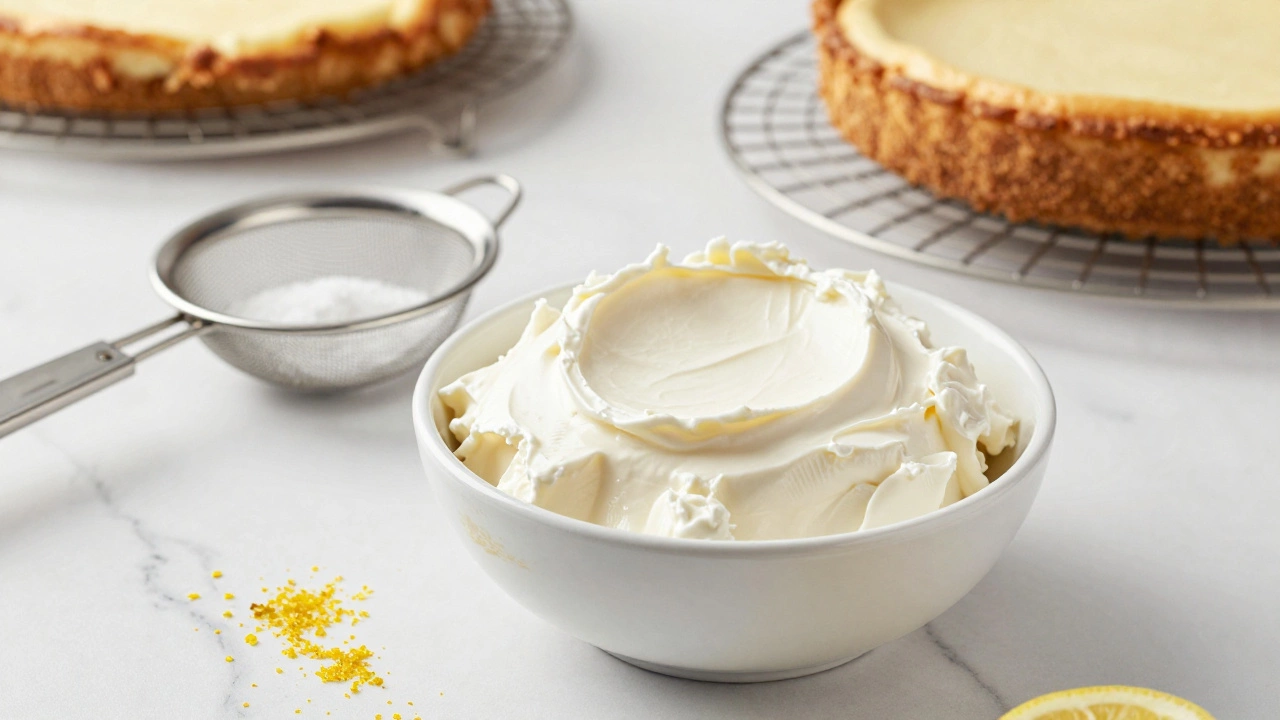
You’ve got a graham cracker crust cooling on the counter and a bowl of sugar ready to go. But you’re staring at the dairy aisle, confused by the options. Can you really use just any soft white cheese? The short answer is no. While almost any fresh cheese *can* technically be mixed into batter, some create that iconic dense, tangy New York slice, while others yield an airy, lemon-kissed Italian treat.
Choosing the right cheese for cheesecake isn't just about flavor; it’s about texture, fat content, and moisture levels. Get this wrong, and you might end up with a soup puddle or a rubbery brick. Let’s break down exactly which cheeses work, why they behave differently, and how to pick the winner for your specific craving.
The Gold Standard: Full-Fat Cream Cheese
If you picture a classic American cheesecake, you are picturing Cream Cheese a semi-soft cheese made from milk and cream, known for its high fat content and mild tang. It is the undisputed king of the genre for a reason. Its high fat content (usually around 33% to 36%) provides richness and structure without needing excessive eggs or thickeners.
Not all cream cheese is created equal, though. If you grab the light or low-fat version, you are inviting trouble. These varieties contain added stabilizers like cornstarch or carrageenan to mimic the mouthfeel of fat. When baked, these stabilizers can cause weeping, cracking, or a strange, gelatinous texture. Always reach for the full-fat block style. Avoid the pre-spreadable tubs-they often have higher water content and additives that interfere with emulsification.
For the best results, look for brands that list only milk, cream, salt, and bacterial cultures. In the UK, where I’m writing this from, Philadelphia is the standard, but local British brands like Anchor or even artisanal farmstead cream cheeses offer a sharper, more complex tang that elevates the final dessert. Soften the cheese to room temperature before mixing; cold cheese creates lumps that no amount of blending will fix.
The Italian Alternative: Ricotta
Swap out the cream cheese for Ricotta a whey cheese made from sheep or cow milk, characterized by a grainy texture and mild sweetness, and you transform the dish entirely. This is the backbone of Italian cheesecakes, particularly those from Sicily. Ricotta has a much lower fat content than cream cheese, resulting in a lighter, fluffier crumb.
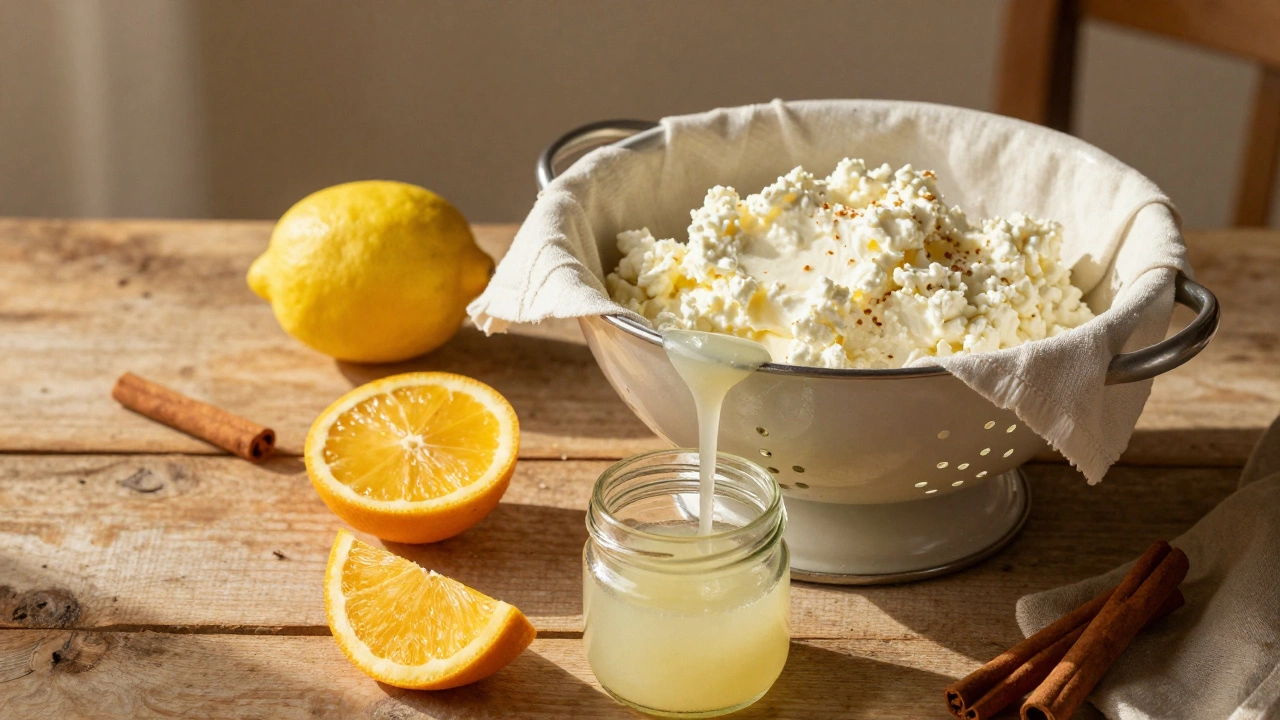
However, ricotta comes with a caveat: texture. Store-bought ricotta can be watery or overly smooth. For a truly authentic experience, drain your ricotta in a cheesecloth overnight to remove excess whey. This step concentrates the flavor and prevents a soggy center. Because ricotta lacks the structural integrity of cream cheese, recipes using it often rely heavily on eggs and sometimes breadcrumbs or semolina to hold the shape.
The flavor profile is also distinct. Ricotta is milder and sweeter, lacking the sharp tang of cream cheese. This makes it the perfect canvas for citrus zest-lemon and orange are traditional pairings-or warm spices like cinnamon and nutmeg. If you miss that signature bite, add a splash of lemon juice or a tablespoon of yogurt to the mix.
The Luxury Option: Mascarpone
Want something that tastes like a dream? Enter Mascarpone an Italian cream cheese with a very high fat content, resulting in a rich, buttery, and spreadable consistency. Technically not a cheese in the traditional sense-it’s a butterfat product-mascarpone brings an unparalleled silkiness to cheesecake. It is incredibly rich, with a fat content that can exceed 50%.
Pure mascarpone cheesecake is rare because it can be overwhelmingly heavy. Most bakers use it as a blend, replacing half of the cream cheese with mascarpone. This hybrid approach gives you the structure of cream cheese with the luxurious mouthfeel of mascarpone. The result is a denser, smoother cake that feels decadent rather than dense.
Be careful with acidity. Mascarpone breaks easily if exposed to acidic ingredients like lemon juice or sour cream too early in the mixing process. Add acids last, and fold them in gently. Also, because it is so rich, you may need to reduce the sugar slightly in your recipe to balance the palate.
The Tangy Twist: Cottage Cheese
This might sound unappealing to some, but cottage cheese is a secret weapon for ultra-smooth, protein-packed cheesecakes. Cottage Cheese a fresh cheese curd product with varying curd sizes, known for its high protein and low fat content is naturally chunky, which is why it seems like a bad fit. But here is the trick: you must blend it until completely smooth before adding it to your batter.
When blended, cottage cheese becomes creamy and adds a subtle tang similar to cream cheese but with less fat and more protein. It is a favorite among health-conscious bakers. However, because it has high moisture content, you need to be vigilant about draining it. Use small-curd cottage cheese for easier blending, and consider adding an extra egg yolk to help bind the moisture.
The flavor is cleaner and less fatty than cream cheese, making it ideal for fruit-topped cheesecakes where you want the berry compote to shine without competing against heavy dairy notes.
Other Contenders: Goat Cheese, Blue Cheese, and Neufchâtel
Once you master the basics, you can experiment with stronger flavors. Goat Cheese a fresh or aged cheese made from goat's milk, known for its distinct earthy and tangy flavor offers a sophisticated, earthy tang. It works beautifully in no-bake cheesecakes or when swirled into a cream cheese base. Just remember that goat cheese is drier, so you may need to add a bit more cream or yogurt to achieve the right batter consistency.
Blue cheese is bold. Using Blue Cheese a veined cheese with strong flavors, such as Roquefort or Gorgonzola creates a savory-sweet profile that pairs surprisingly well with honey, walnuts, or pear compotes. Use it sparingly-a quarter cup folded into a cream cheese base is enough to impart flavor without overwhelming the dessert.
In the US, you’ll often see Neufchâtel a soft French cheese similar to cream cheese but with lower fat content mentioned in recipes. It is essentially a lower-fat cream cheese. It works fine, but expect a slightly softer set and less richness. It is a budget-friendly option but doesn’t deliver the same premium texture.
| Cheese Type | Fat Content | Texture Result | Best For |
|---|---|---|---|
| Cream Cheese | High (33-36%) | Dense, Rich, Smooth | Classic NY Style, No-Bake |
| Ricotta | Low-Medium | Light, Airy, Grainy | Italian Style, Citrus Flavors |
| Mascarpone | Very High (50%+) | Silky, Decadent, Dense | Luxury Blends, Tiramisu-style |
| Cottage Cheese | Low | Smooth (if blended), Light | Healthy Options, Fruit Toppings |
| Goat Cheese | Medium | Tangy, Earthy, Firm | Gourmet Swirls, Savory-Sweet |
Pro Tips for Working with Cheesecake Dairy
No matter which cheese you choose, technique matters more than the brand. Here are three rules to follow:
- Room Temperature is Non-Negotiable: Cold cheese does not emulsify properly with sugar and eggs. You will get lumps. Leave your blocks out for at least two hours before mixing.
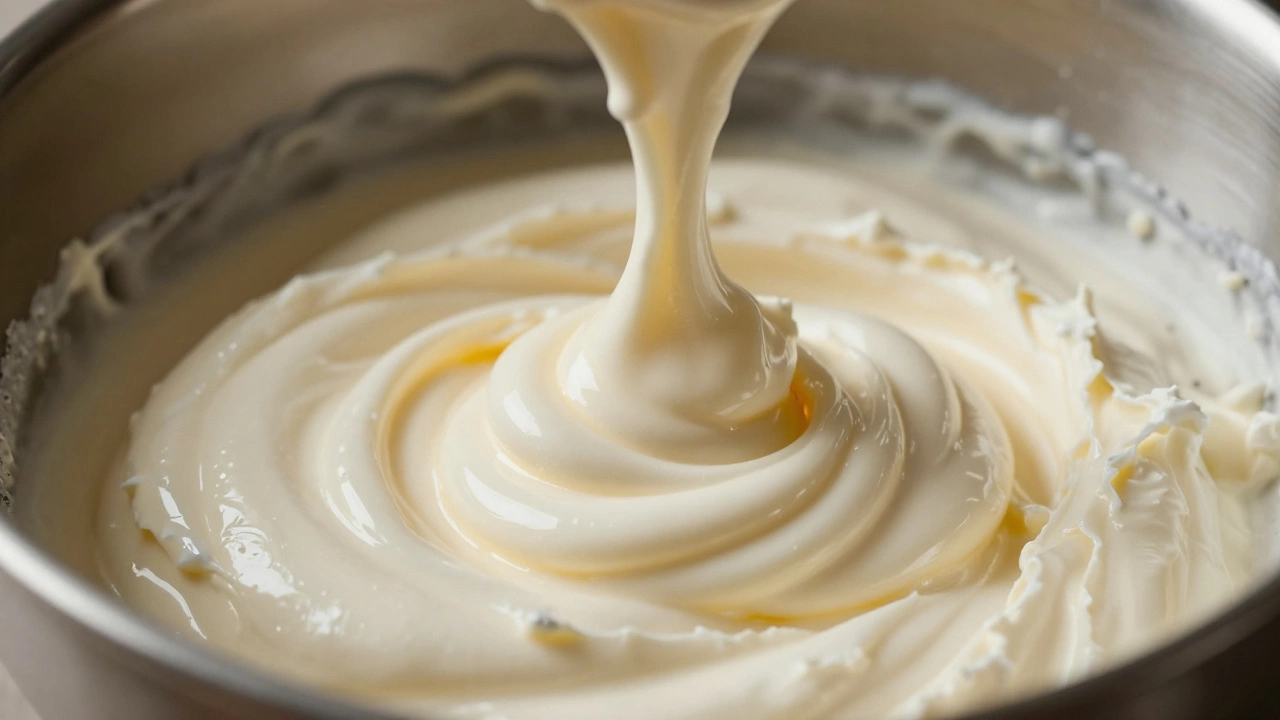
- Avoid Overmixing: Once you add the eggs, mix on low speed just until combined. Overbeating incorporates air bubbles that expand in the oven and then collapse, leading to cracks and holes in the finished cake.
- Drain Moisture: For ricotta and cottage cheese, strain them first. Excess liquid is the enemy of a clean slice. A simple colander lined with cheesecloth works wonders.
Frequently Asked Questions
Can I use light cream cheese for cheesecake?
It is not recommended. Light cream cheese contains stabilizers and fillers that can cause the cheesecake to crack, weep, or have a rubbery texture. For the best results, always use full-fat cream cheese.
What is the difference between ricotta and cream cheese cheesecake?
Cream cheese cheesecake is dense, rich, and tangy, typical of New York style. Ricotta cheesecake is lighter, airier, and milder in flavor, often associated with Italian traditions. Ricotta requires draining to avoid sogginess.
Can I substitute mascarpone for cream cheese?
You can, but it will change the texture significantly. Mascarpone is much richer and softer. A common approach is to use a 50/50 blend of mascarpone and cream cheese to maintain structure while adding luxury.
Why did my cheesecake turn out soupy?
This usually happens when using high-moisture cheeses like ricotta or cottage cheese without draining them first. It can also occur if the cheesecake was underbaked or not chilled sufficiently before slicing.
Is cottage cheese good for cheesecake?
Yes, if blended until completely smooth. Cottage cheese adds protein and a subtle tang while reducing fat. It is excellent for healthier versions but requires careful moisture management.
Popular Posts
What Are Good Vegan Snacks? A Practical Guide
Sep, 3 2026
Exploring the Delight: All About Macaron Towers
Nov, 5 2024
Macaron Price Guide 2025: How Much Do They Cost?
Oct, 15 2025