
Fudge Ingredient Swap Analyzer
Recipe Configuration
Perfect Match!
Evaporated milk is the correct choice for boiled fudge
Quick Comparison Reference
| Property | Evaporated Milk | Condensed Milk |
|---|---|---|
| Added Sugar | None | ~40-45% |
| Water Removed | ~60% | ~85% |
| Best For | Boiled fudge | No-cook fudge |
| Effect on Crystals | Aids formation | Inhibits formation |
Imagine you’re standing in your kitchen, ready to make a batch of rich, creamy fudge. You reach for the can labeled evaporated milk is a canned milk product made by removing about 60% of the water from fresh cow's milk. But wait-the pantry is empty. The only thing left is a can of sweetened condensed milk is a thick, sweet dairy product made by removing water from milk and adding sugar.. It looks similar, tastes sweet, and seems like it should work. So, you swap them out. What happens next? Does your fudge turn into a delicious surprise, or does it become a sticky, unmeltable disaster?
The short answer is that swapping these two ingredients changes the chemistry of your fudge entirely. You won’t get traditional fudge. Instead, you’ll likely end up with something closer to a caramel bar or a dense, chewy nougat. To understand why, we need to look at what makes fudge, fudge-and how these two milks play very different roles in that process.
The Chemistry Behind Creamy Fudge
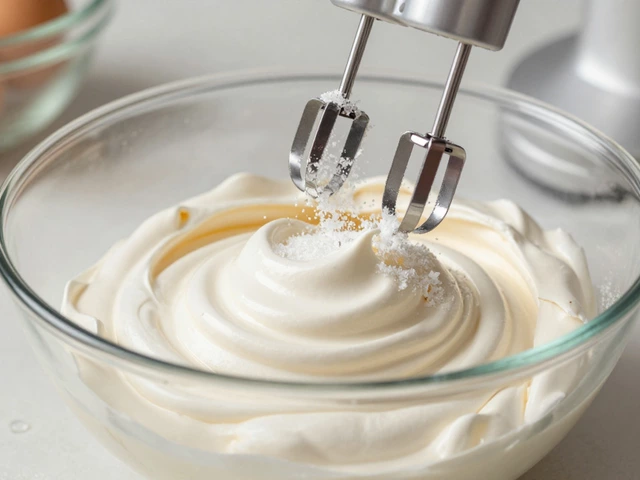
Fudge isn’t just melted chocolate and milk. It’s a specific type of confectionery that relies on controlled sugar crystallization is the process where dissolved sugar forms small crystals as the mixture cools.. When you boil sugar, butter, and milk together, you are creating a supersaturated solution. As this mixture cools, the sugar wants to return to its solid state. If you beat the mixture while it cools, you force the sugar to form millions of tiny crystals. These microscopic crystals create the smooth, melt-in-your-mouth texture we associate with good fudge.
If the crystals are too large, the fudge becomes grainy. If they don’t form at all, the fudge becomes hard and glassy, like brittle candy. The key to controlling this lies in the balance of sugar, fat, and water. This is where your choice of milk becomes critical.
Evaporated Milk: The Traditional Choice
Traditional fudge recipes often call for evaporated milk because it provides moisture without adding extra sugar. Since the water content has been reduced, it concentrates the milk solids (proteins and fats) which help stabilize the emulsion. More importantly, it allows you to control the total sugar content of the recipe. In a standard fudge recipe, you add granulated sugar separately. This gives you precise control over the boiling point, which determines the final texture.
When you use evaporated milk, you are essentially adding liquid and milk solids to dilute the sugar syrup slightly. This helps prevent the sugar from becoming too concentrated too quickly, giving you more time to manage the cooling and beating process. The result is a softer, creamier candy that sets properly within an hour or two.
Sweetened Condensed Milk: The Sweet Thickener
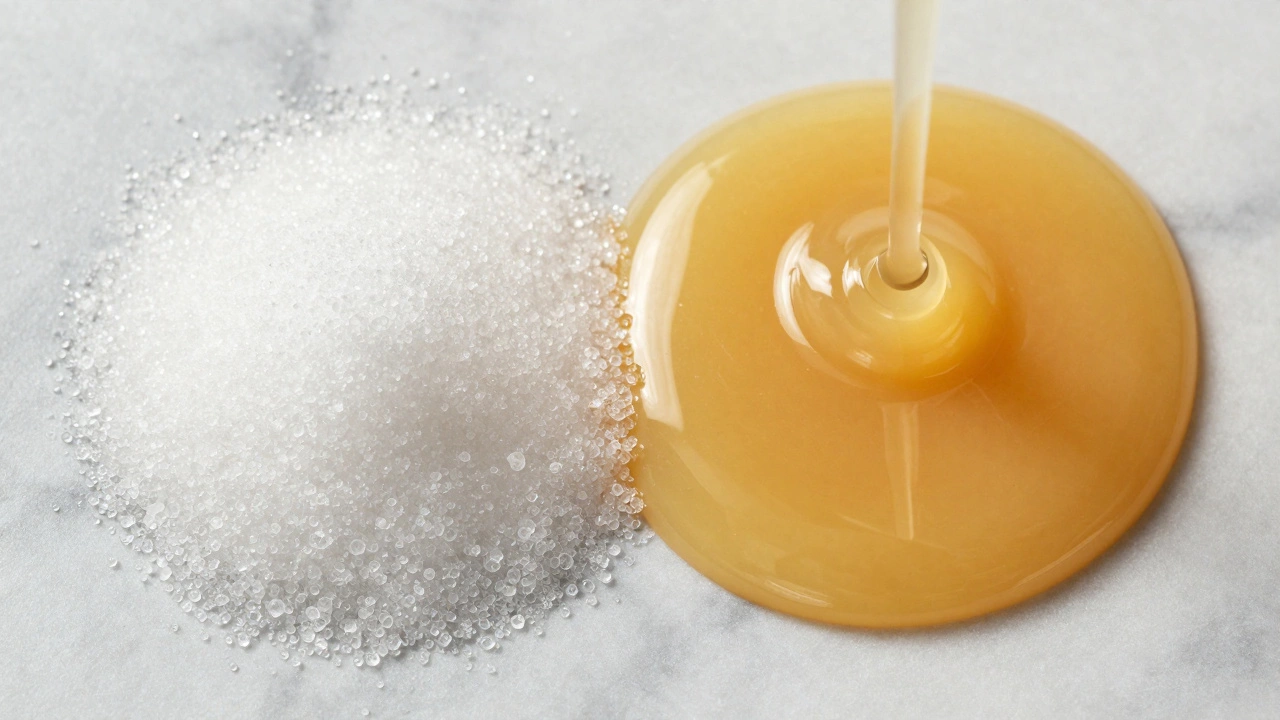
Sweetened condensed milk is a completely different beast. It contains roughly 40-45% added sugar. That means if you swap it for evaporated milk, you are doubling-or even tripling-the amount of sugar in your bowl compared to what the recipe intended. It is also much thicker and stickier due to the high concentration of both milk solids and sucrose.
This ingredient is the star of no-cook fudge recipes, where it is mixed directly with melted chocolate and butter. In those cases, the sugar is already dissolved and stabilized by the chocolate. But in a boiled fudge recipe, introducing this pre-sweetened, viscous liquid disrupts the delicate balance required for proper crystallization.
| Attribute | Evaporated Milk | Sweetened Condensed Milk |
|---|---|---|
| Sugar Content | None (natural lactose only) | High (~40-45% added sucrose) |
| Water Content | Moderate (removed ~60%) | Low (removed ~85%) |
| Texture | Pourable liquid | Thick, syrupy paste |
| Role in Fudge | Dilutes sugar syrup, aids crystallization | Adds sweetness, inhibits crystallization |
| Resulting Texture | Smooth, creamy, bite-sized | Chewy, hard, or grainy |
What Actually Happens When You Swap Them?
If you substitute sweetened condensed milk for evaporated milk in a traditional boiled fudge recipe, three main things will likely go wrong:
- Excessive Hardness: Because you’ve added so much extra sugar, the boiling point of your mixture will rise higher than intended. Even if you stop cooking at the correct temperature (soft-ball stage, around 235°F or 113°C), the total sugar load is too high. As it cools, the excess sugar will harden significantly, resulting in fudge that is difficult to cut and potentially tooth-breaking.
- Inhibited Crystallization: The high viscosity and sugar concentration of condensed milk can interfere with the formation of fine sugar crystals. Instead of a smooth matrix, you might get a structure that is either too amorphous (glassy) or develops large, gritty crystals. This leads to a grainy mouthfeel rather than a creamy one.
- Over-Sweetness: Fudge is already a sweet treat. Doubling the sugar content can overwhelm the palate, masking the subtle flavors of vanilla, chocolate, or nuts. The taste profile shifts from balanced richness to cloying sweetness.
In some cases, if you reduce the amount of granulated sugar in the recipe to compensate for the condensed milk, you might salvage the texture. However, this requires careful adjustment of ratios and temperatures, effectively turning it into a new recipe rather than a simple substitution.
When Is Sweetened Condensed Milk Okay?
There is one scenario where using sweetened condensed milk works beautifully: no-cook fudge. In these recipes, you simply mix melted chocolate, butter, and sweetened condensed milk, then refrigerate until set. Here, the condensed milk acts as a binder and sweetener, and since there is no boiling step to manage crystallization, the texture turns out soft, chewy, and fudgy-just not in the traditional sense.
If you love the flavor profile of condensed milk but want traditional fudge texture, consider using it as an addition rather than a replacement. For example, you could add a few tablespoons of condensed milk to a standard recipe for extra richness, provided you reduce the granulated sugar slightly. But never replace the entire volume of evaporated milk with it in a boiled recipe.

Troubleshooting Your Failed Swap
Did you already make the swap and end up with a brick of sugar? Don’t throw it away. You can often rescue failed fudge by re-melting it. Add a splash of water or evaporated milk, heat gently until smooth, and re-boil to the correct temperature. Then, cool and beat again. This resets the crystallization process. If it’s too hard, adding a bit more liquid during the re-melt can help soften the final product.
Alternatively, chop up the hardened mass and use it as a topping for ice cream, mix it into cookie dough, or crumble it over yogurt. It may not be fudge, but it’s still edible and sweet.
Key Takeaways for Future Baking
- Don’t swap blindly: Evaporated milk and sweetened condensed milk are not interchangeable in boiled confections.
- Control your sugar: Fudge texture depends on precise sugar-to-liquid ratios. Adding pre-sweetened ingredients throws off this balance.
- Know your method: Use condensed milk for no-cook recipes; use evaporated milk (or whole milk) for boiled recipes.
- Rescue attempts work: Re-melting and re-cooking can often fix texture issues caused by ingredient swaps.
Understanding the role of each ingredient helps you troubleshoot and innovate with confidence. Next time you’re missing an ingredient, check the science before you swap. Your fudge-and your teeth-will thank you.
Can I use sweetened condensed milk instead of evaporated milk in fudge?
No, you should not substitute sweetened condensed milk for evaporated milk in traditional boiled fudge recipes. Condensed milk contains a high amount of added sugar, which will alter the sugar-to-liquid ratio, leading to overly hard, grainy, or excessively sweet fudge. Evaporated milk provides moisture and milk solids without extra sugar, allowing for proper crystallization.
What is the difference between evaporated milk and sweetened condensed milk?
Evaporated milk is unsweetened canned milk with about 60% of the water removed, resulting in a pourable liquid. Sweetened condensed milk has about 85% of the water removed and includes significant amounts of added sugar, making it thick, sticky, and very sweet. They are not interchangeable in most recipes.
Why does my fudge turn out hard when I use condensed milk?
The high sugar content in sweetened condensed milk increases the total solids in the mixture. When boiled, this leads to a higher concentration of sugar than the recipe intends. As it cools, the excess sugar hardens significantly, creating a texture that is more like brittle candy than creamy fudge.
Can I fix fudge that turned out too hard after using condensed milk?
Yes, you can often rescue hard fudge by re-melting it. Break the fudge into pieces, add a small amount of water or evaporated milk, and heat gently until smooth. Re-boil to the soft-ball stage (235°F/113°C), then cool and beat again. This resets the crystallization process and can improve the texture.
Is there any recipe where I can use condensed milk for fudge?
Yes, sweetened condensed milk is perfect for no-cook fudge recipes. In these methods, you mix melted chocolate, butter, and condensed milk without boiling. The mixture is then chilled until set. This avoids the crystallization issues associated with boiled fudge and results in a soft, chewy treat.
Popular Posts

How Long Does Fresh Pastel Dough Last in the Fridge?
May, 13 2025