Tiramisu Ingredient Balance Calculator
Calculate the perfect ratio of coffee, alcohol, and cream for your tiramisu based on the number of servings.
Ingredient List
Balance Tip:
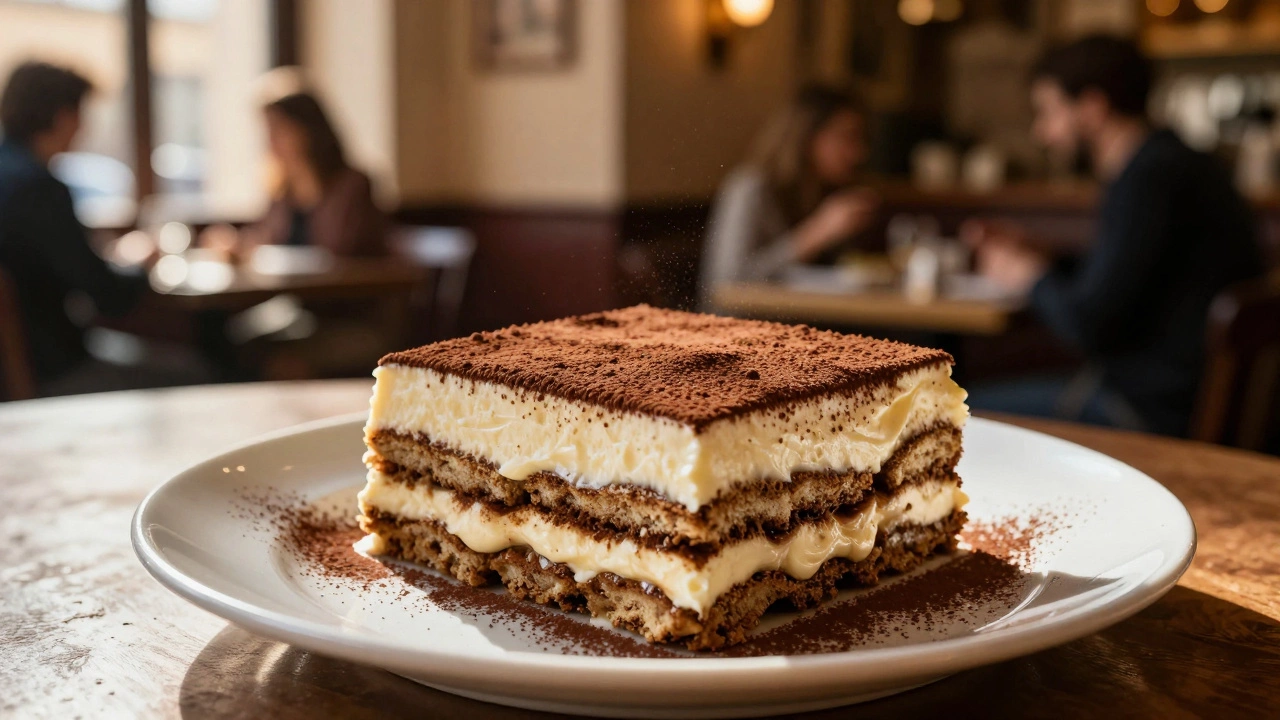
Walk into any trattoria in Rome or a family-run cafe in Naples, and you will hear the same question asked by tourists and locals alike. What is the absolute best Italian dessert? The menu is usually crowded with options. You have creamy panna cotta, flaky cannoli filled with sweet ricotta, and delicate gelato scoops that melt on your tongue. But if you ask a chef who has spent decades perfecting their craft, the answer rarely changes. Tiramisu takes the crown.
This isn't just about popularity. It is about balance. Italian desserts often walk a fine line between rich and refreshing. Tiramisu hits that sweet spot perfectly. It combines the bitterness of strong coffee with the sweetness of sugar and the tang of cream. It requires no baking, which keeps the texture light rather than dense. When you take a bite, you get layers of flavor that build up slowly. That is why it remains the gold standard for Italian sweets.
Why is tiramisu considered the best Italian dessert?
Tiramisu is widely regarded as the best because of its perfect balance of flavors. It combines bitter espresso, sweet mascarpone cream, and slightly alcoholic liqueur. Unlike many other desserts that are purely sugary, tiramisu offers complexity. The use of ladyfingers soaked in coffee adds a unique textural contrast to the smooth cream. Its no-bake nature also ensures it stays light and airy, making it an ideal ending to a heavy meal.
The Science Behind the Creaminess
To understand why this dessert works so well, you need to look at the star ingredient. Mascarpone is not just regular cream cheese. It is a fresh Italian buttercream with a high fat content, usually around 40% to 60%. This fat content is crucial. It gives the dessert its signature silky mouthfeel without needing stabilizers or thickeners like cornstarch. When you whip egg yolks with sugar and fold them into mascarpone, you create a custard-like base that is stable yet delicate.
Many people mistake mascarpone for ricotta or cream cheese. Ricotta is grainy and lighter, while cream cheese is tangier and denser. Mascarpone is neutral in taste but incredibly rich. This neutrality allows the other flavors to shine. If you used cream cheese, the tartness would clash with the coffee. If you used whipped cream alone, the dessert would lack body and melt too quickly. The specific properties of mascarpone make it irreplaceable in this context.
You also need to consider the eggs. Traditional recipes use raw egg yolks. This might sound risky, but the alcohol from the liqueur and the acidity of the lemon juice often used in the recipe help mitigate bacterial risks. For those worried about safety, pasteurized eggs are a safe alternative that delivers the same richness. The whites are sometimes whipped separately and folded in to add airiness, creating a mousse-like consistency that feels light despite the high fat content.
The Role of Coffee and Liqueur
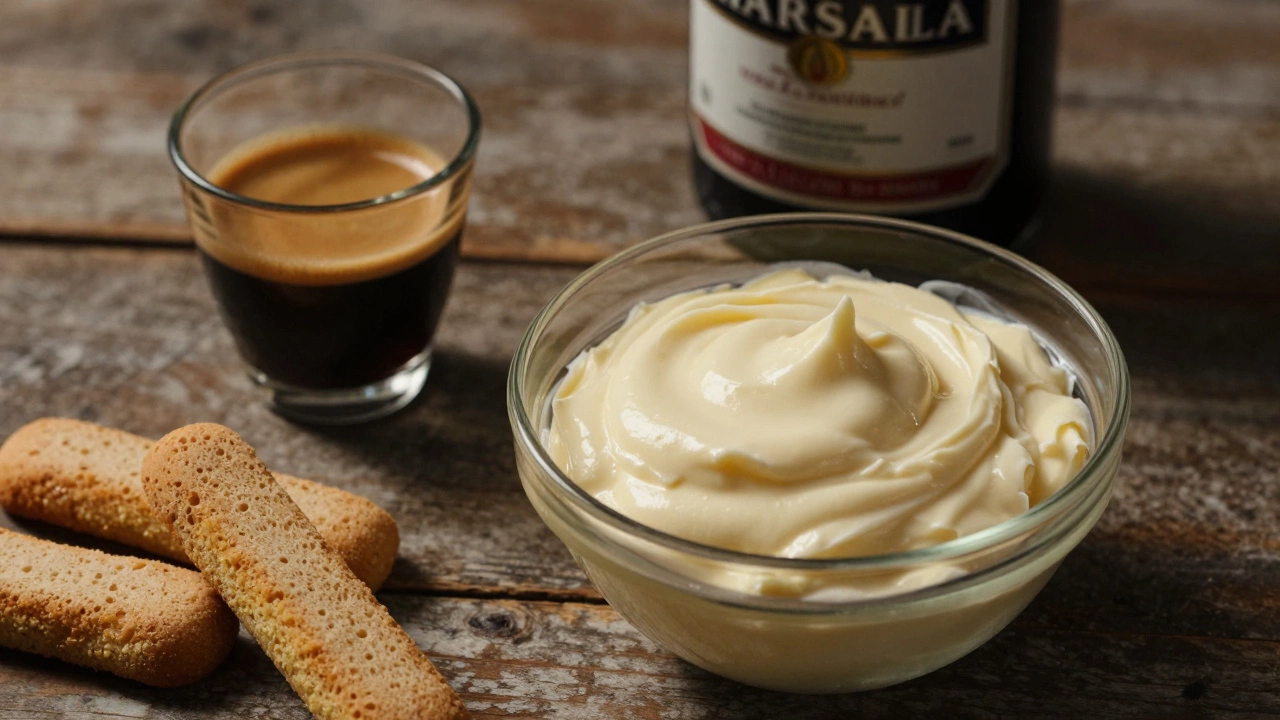
The second pillar of this dessert is the soaking liquid. You cannot use weak drip coffee here. You need Espresso. Espresso is concentrated and intense. When ladyfingers dip into it, they absorb the flavor quickly without becoming soggy mush. The bitterness of the coffee cuts through the richness of the mascarpone. Without this bitter element, the dessert would be cloyingly sweet. It is a classic example of how contrast enhances flavor perception.
Most traditional recipes call for adding a liqueur to the coffee mixture. Marsala wine is the most common choice in Italy. Marsala is a fortified wine from Sicily. It has a nutty, caramel-like flavor that pairs beautifully with both coffee and cream. Some variations use Amaretto, which adds an almond note, or dark rum for a deeper, spicier kick. The alcohol does more than just add flavor; it helps preserve the dessert slightly and adds a warming sensation that balances the cold temperature at which it is served.
If you prefer a non-alcoholic version, you can skip the liqueur entirely. However, you should compensate by using a stronger coffee or adding a teaspoon of vanilla extract. The goal is to ensure the coffee flavor remains prominent. A subtle hint of orange zest can also brighten the profile, mimicking the complexity that alcohol usually provides.
The Ladyfinger Foundation
The structural integrity of the dessert relies on Ladyfingers, known as *savoiardi* in Italy. These are dry, sponge-like biscuits designed specifically to absorb liquids. They are not meant to be eaten dry in this context. Their porous structure allows them to soak up the coffee mixture rapidly. This creates a cake-like layer that holds the cream together.
A common mistake home cooks make is soaking the ladyfingers for too long. You want them moist, not disintegrated. Dip them quickly, one second per side, and place them immediately into the dish. If they sit in the coffee pool, they will turn into mush and release excess moisture into the cream, causing the layers to separate. The ideal texture is a firm bite that yields slightly under pressure. This contrast between the soft cream and the resilient biscuit is what makes every spoonful interesting.
You can find savoiardi in most supermarkets now, but quality varies. Look for brands that list simple ingredients: flour, sugar, eggs, and maybe a bit of yeast or baking powder. Avoid versions with added preservatives or artificial flavors, as these can impart a metallic aftertaste that clashes with the natural ingredients. If you can, buy them from an Italian grocery store where turnover is high, ensuring freshness.
Cocoa Powder: The Final Touch
No discussion of this dessert is complete without mentioning the dusting on top. Cocoa powder is not just for decoration. It serves a functional purpose. Cocoa powder absorbs moisture from the surface of the cream, preventing it from drying out or forming a skin. It also adds a final layer of bitter chocolate flavor that ties the whole experience together.
Use unsweetened cocoa powder. Sweetened drinking mixes contain corn syrup and milk solids that will not sift evenly and may leave sticky patches. Sift the cocoa generously over the top right before serving. If you prepare the dessert ahead of time, wait until the last minute to add the cocoa. Over time, the moisture from the cream will darken the powder, turning it gray and losing its visual appeal. A fresh dusting looks elegant and signals that the dessert is ready to eat.
Some modern chefs experiment with alternatives like crushed pistachios or chocolate shavings. While these are delicious, they change the character of the dessert. The classic cocoa dusting is part of the identity. It provides a matte finish that contrasts with the glossy sheen of the cream underneath. Stick to the classics unless you are intentionally reinventing the dish.
Variations and Regional Differences
While the basic formula remains consistent, regional variations exist. In Veneto, where the dessert originated, some recipes include a hint of Marsala in the cream itself, not just the coffee soak. In Northern Italy, you might see a version made with Zabaglione, a warm egg-and-wine custard, instead of the mascarpone mixture. This creates a lighter, more ethereal texture but lacks the robust creaminess of the standard version.
In the United States and other countries, adaptations often include using instant coffee mixed with water due to the lack of espresso machines in homes. While convenient, this results in a thinner, less flavorful soak. If you do not have an espresso machine, try brewing very strong French press coffee and reducing it slightly to concentrate the flavor. This gets you closer to the authentic intensity needed for the proper balance.
Vegetarian and vegan versions have also emerged. Vegan tiramisu uses cashew-based creams or coconut cream to mimic mascarpone. While innovative, these substitutes lack the specific fatty acid profile of dairy mascarpone. They tend to be heavier and less aromatic. For a true appreciation of the "best" Italian dessert, sticking to traditional dairy ingredients yields the most authentic result.
How to Serve It Right
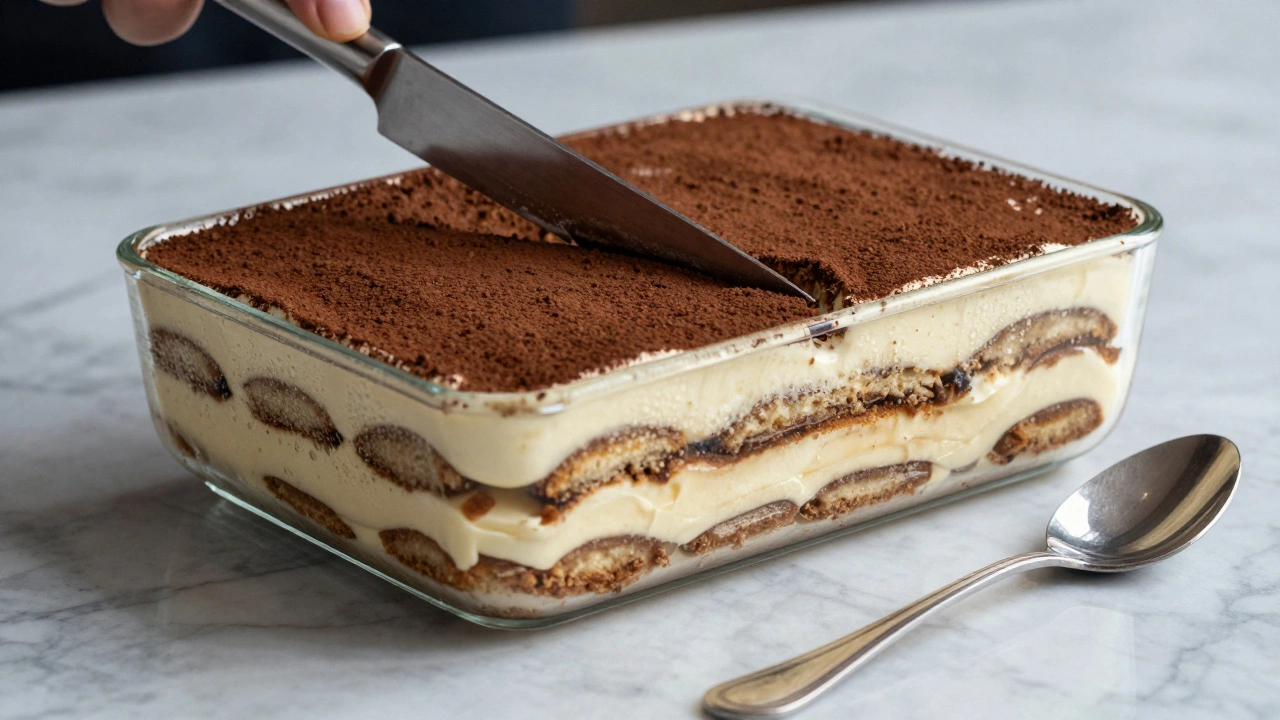
Serving temperature matters. Tiramisu should be chilled thoroughly, ideally for at least six hours, but overnight is better. This resting time allows the flavors to meld. The coffee infuses the biscuits fully, and the cream sets firmly. Serving it straight from the fridge is key. If it warms up, the structure collapses, and the distinct layers blur into a single mass.
Cut clean squares with a sharp knife. Wipe the blade between cuts to maintain neat edges. Serve each portion on a small plate with a spoon. It is not a fork dessert. The combination of textures requires a spoon to scoop up both the cream and the soaked biscuit simultaneously. Pair it with a small cup of decaffeinated coffee or a digestif like grappa to cleanse the palate after the richness.
Store leftovers in the refrigerator for up to three days. After that, the ladyfingers begin to break down excessively, and the flavor dulls. Do not freeze it. Freezing alters the texture of the mascarpone, causing it to become grainy upon thawing. Enjoy it fresh for the best experience.
| Ingredient | Function | Key Attribute | Common Substitute (Not Recommended) |
|---|---|---|---|
| Mascarpone | Provides richness and structure | High fat content (40-60%) | Cream Cheese (too tangy) |
| Espresso | Adds bitterness and aroma | Concentrated flavor | Drip Coffee (too watery) |
| Ladyfingers | Structural base | High absorption rate | Sponge Cake (holds too much moisture) |
| Marsala Wine | Flavor enhancement | Nutty, fortified profile | Table Wine (too acidic) |
| Cocoa Powder | Bitter finish and moisture control | Unsweetened, fine grind | Cacao Nibs (too crunchy) |
Why Other Desserts Fall Short
It is easy to argue for cannoli or gelato. Cannoli are fantastic, but they are messy. The shell can go stale quickly, and the filling is often just sweet ricotta without much depth. Gelato is refreshing, but it is a standalone treat. It does not offer the complex interplay of textures and temperatures that tiramisu does. Panna cotta is elegant, but it can be bland if the vanilla quality is poor. It lacks the bold personality of coffee-infused cream.
Tiramisu stands out because it is a complete sensory experience. It engages taste (sweet, bitter, salty), smell (coffee, alcohol, cocoa), and touch (smooth, firm, airy). It is substantial enough to feel like a meal but light enough to not weigh you down. This versatility makes it suitable for casual gatherings and formal dinners alike. It bridges the gap between rustic comfort food and refined cuisine.
Final Thoughts on the Perfect Bite
Finding the best Italian dessert is subjective, but the evidence points strongly to one winner. Tiramisu respects its ingredients. It does not hide behind excessive sugar or complicated techniques. It relies on the quality of the mascarpone, the strength of the espresso, and the precision of the assembly. When done correctly, it is a masterpiece of simplicity. Next time you are debating what to order, trust the crowd and choose the layered box of coffee-soaked bliss. Your palate will thank you.
Can I make tiramisu without alcohol?
Yes, you can easily make tiramisu without alcohol. Simply omit the Marsala wine or liqueur from the coffee soaking mixture. To maintain the flavor complexity, consider adding a teaspoon of vanilla extract or a squeeze of lemon juice to the cream mixture. The dessert will still be delicious, though slightly less nuanced than the traditional version.
How long does tiramisu need to chill?
Tiramisu needs to chill for at least 6 hours, but overnight is ideal. This resting period allows the ladyfingers to fully absorb the coffee mixture and the cream to set properly. Skipping this step results in a loose, messy dessert where the layers do not hold together.
What is the difference between mascarpone and cream cheese?
Mascarpone is a fresh Italian buttercream with a much higher fat content (40-60%) compared to cream cheese. It is smoother, richer, and less tangy. Cream cheese has a distinct sour flavor and a denser texture, which would alter the taste and mouthfeel of the tiramisu significantly.
Can I use regular coffee instead of espresso?
You can, but it is not recommended. Regular coffee is too watery and lacks the intensity needed to balance the sweet cream. If you must use regular coffee, brew it very strong and reduce it by half to concentrate the flavor. Instant coffee dissolved in hot water is a better substitute than weak drip coffee.
Is it safe to eat raw eggs in tiramisu?
There is a small risk of salmonella when using raw eggs. To minimize this risk, use pasteurized eggs, which are heat-treated to kill bacteria without cooking the egg. Alternatively, you can cook the egg yolk and sugar mixture over a double boiler to create a safe, cooked custard base before folding in the mascarpone.
Popular Posts
The 10 Most Popular Cakes Everyone Loves
Oct, 4 2026