
Decode the Meaning of "Brownie"
Imagine you’re at a casual dinner party in Brighton. The conversation is light, the wine is flowing, and suddenly, your friend turns to you with a warm smile and says, "You’ve been such a brownie today." You pause. Do they mean you taste like chocolate? Are they comparing you to a dense, fudgy square of baked goods? Or is this some obscure British slang you missed?
It’s a moment that trips up even native speakers sometimes. The word brownie is one of those linguistic chameleons that shifts meaning depending entirely on where you are, who is speaking, and what era you’re living in. To answer the question directly: calling someone a "brownie" usually means you are acknowledging their helpfulness, loyalty, or sweet nature. However, if you’re in America, it might just be a confusing reference to a cookie or a scout.
The Mythical Roots: Where Did the Word Come From?
To understand why we call people "brownies," we have to look back further than baking history. We need to look into folklore. In Scottish and Irish mythology, a brownie was a type of household spirit or fairy. These weren’t the malicious trolls of Norse legend. They were benevolent, hardworking creatures.
Legend says these spirits would sneak into homes at night while the family slept. They would sweep the floors, mend fences, milk cows, and churn butter. In exchange, they didn’t ask for money. They asked for simple offerings-usually a bowl of cream, porridge, or milk left out by the hearth. If you thanked them too much or offered them clothes (which was considered insulting), they would vanish forever.
This mythological background is crucial. When you call someone a "brownie" in a positive, archaic sense, you are likening them to this helpful spirit. You are saying they are diligent, quiet about their efforts, and genuinely useful to the household or group. This definition is largely historical now, but it forms the bedrock of the term’s positive connotation.
The Girl Scouts Connection: A Modern Institutional Meaning
If you live in the United States or Canada, the most likely association with the word "brownie" isn’t mythology-it’s youth organizations. The Girl Scouts of the USA has a division called Brownies, which typically includes girls in second and third grade (ages 7-9).
In this context, calling someone a "Brownie" (capitalized) identifies them as a member of this specific troop level. It carries connotations of community service, learning basic skills, and earning badges. If an American adult calls another adult a "brownie," it’s often a nostalgic or teasing reference to this childhood phase. It implies innocence, structured activity, or perhaps a playful jab at someone being overly eager to follow rules.
However, there is a nuance here. Unlike the mythical brownie who works unseen, the Girl Scout Brownie is very visible. She wears a uniform, attends meetings, and participates in public events. So, if someone calls you a Brownie in this sense, they aren’t praising your secret diligence; they’re referencing your participation in a structured, communal environment.
Baking vs. Being: The Culinary Confusion
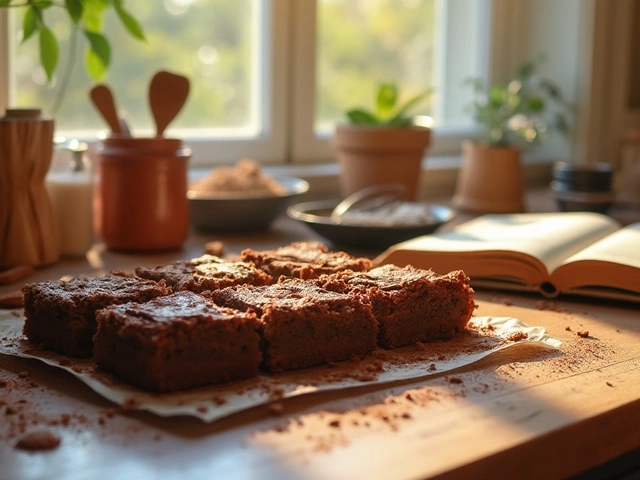
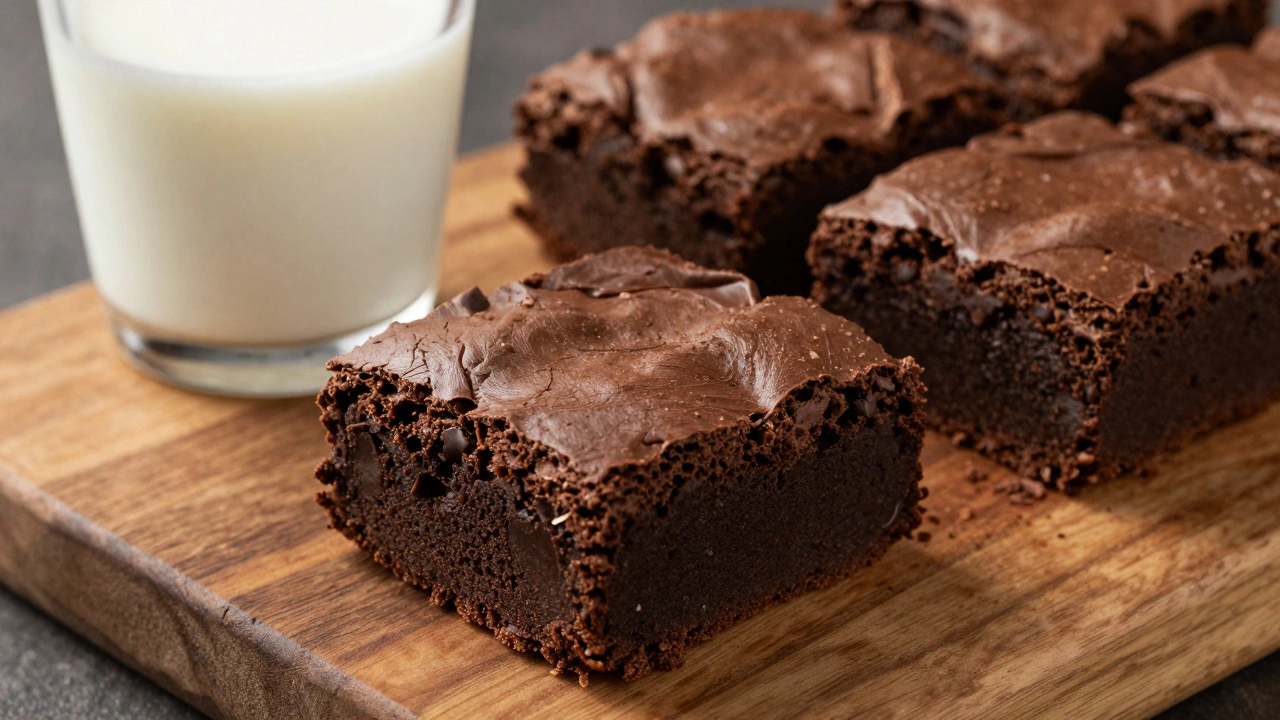
Let’s address the elephant in the room-or rather, the dessert in the box. A chocolate brownie is a bar-shaped chocolate cake. Originating in the United States in the early 20th century, it is dense, rich, and chocolatey. There is a fierce debate among bakers about whether a brownie should be cakey (light and airy) or fudgy (dense and moist). Both exist. Both are delicious.
So, when does food become an insult or a compliment? Calling someone a "brownie" because of the dessert is rare but possible. It usually happens in two scenarios:
- The Compliment: "You’re sweet like a brownie." This is straightforward. It means the person is kind, pleasant, and enjoyable to be around.
- The Insult (Rare): "You’re as dry as a brownie." If a brownie is overbaked, it becomes crumbly and unpleasant. Calling someone a "dry brownie" might imply they are boring, lacking in flavor, or emotionally unavailable. However, this is not a common idiom. Most people would just say someone is "dry" or "boring."
It is important to distinguish between the US and UK definitions of the food itself. In the UK, a "brownie" is almost always the chocolate bar. In the US, the same item is sometimes called a "fudge brownie" to distinguish it from lighter variations. But neither region commonly uses the food name as a standalone nickname for a person unless it’s clearly affectionate.

Slang and Affectionate Nicknames
In modern casual English, especially in the UK and Australia, "brownie" can be used as a generic term of endearment. It’s similar to calling someone "mate," "love," or "darling."
If a shopkeeper hands you your change and says, "Here you go, brownie," they are using it as a friendly, informal filler. It suggests warmth and approachability. This usage is gender-neutral and age-flexible, though it’s more common when addressing children or younger adults. Using it on a CEO in a boardroom would be inappropriate. Using it on a toddler at a bakery is perfectly normal.
There is also a darker, older slang usage that has largely faded but still exists in certain subcultures or older literature. In some contexts, particularly mid-20th century American slang, "brownie" could refer to a young prostitute or a drug user. Do not use this meaning. It is offensive, outdated, and harmful. If you encounter this usage, it will likely be in historical fiction or crime dramas set in the 1950s-1970s. In contemporary conversation, assume the positive or neutral meanings first.
Context Clues: How to Decode the Meaning Instantly
Since "brownie" has multiple meanings, how do you know which one applies in real-time? Look at these three factors:
- Capitalization: Is it written as "Brownie"? If yes, it’s likely referring to the Girl Scout division. If it’s lowercase "brownie," it’s either the myth, the food, or a nickname.
- Geography: Are you in North America? Think Girl Scouts or Chocolate. Are you in the UK/Ireland? Think Mythology, Friendly Slang, or Chocolate.
- Tone: Is the speaker smiling and handing you a treat? It’s affectionate. Is the speaker talking about household chores? It might be a reference to helpfulness. Is the speaker discussing scouting troops? It’s institutional.
| Context | Meaning | Connotation | Region |
|---|---|---|---|
| Girl Scouts | Member of the 7-9 year old division | Neutral/Nostalgic | USA/Canada |
| Folklore | Helpful household spirit | Positive (Diligent) | UK/Ireland/Global |
| Casual Slang | Term of endearment (like "mate") | Positive/Friendly | UK/Australia |
| Baking | Chocolate bar dessert | Neutral (Food) | Global |
| Outdated Slang | Offensive term for youth/prostitution | Negative/Harmful | Historical USA |
Why Ambiguity Matters in Communication
Language evolves. Words drift. "Cool" once meant temperature; now it means stylish. "Sick" once meant ill; now it means impressive. "Brownie" sits in an interesting middle ground. It hasn’t lost its original meanings, but it has gained new layers.
When you call someone a brownie, you are engaging in a social contract. You are assuming they share your cultural context. If you call your American colleague a "brownie" because you think they’re being helpful like a Scottish fairy, they might look confused. They might think you’re offering them a snack. They might think you’re making fun of their childhood scouting days.
The key is intention. If you want to praise someone’s help, say "Thanks for helping out, you’re a lifesaver." If you want to be affectionate, use a nickname you know they like. If you want to discuss dessert, specify "chocolate brownie." Avoid using "brownie" as a standalone descriptor for a person unless you are sure of the local dialect and the relationship dynamic.
Final Thoughts on Usage
So, what does it mean to call someone a brownie? It depends. But mostly, it means something good. Whether it’s the helpful spirit of folklore, the friendly slang of the British high street, or the sweet nature of a beloved dessert, the core thread is positivity. Just avoid the outdated slurs, check your geography, and maybe offer a glass of milk if you’re invoking the fairies.
Is calling someone a "brownie" an insult?
Generally, no. In modern usage, it is usually a term of endearment or a reference to helpfulness. However, in very old or specific historical contexts, it had negative slang meanings related to exploitation. In contemporary conversation, it is safe to assume it is friendly or neutral.
What is the difference between a brownie and a blondie?
A brownie is made with cocoa powder or melted chocolate, giving it a dark color and chocolate flavor. A blondie is made without chocolate, using brown sugar and vanilla instead, resulting in a lighter, caramel-like flavor and pale color. Both have the same dense, bar-cookie texture.
Are Girl Scout Brownies only for girls?
Yes, the Girl Scouts organization is specifically for girls. Boys of similar ages can join Cub Scouts, which has a different structure and naming convention. The term "Brownie" in this context is exclusive to the Girl Scout program.
Where did the mythical brownie come from?
The mythical brownie originates from Celtic folklore, particularly in Scotland and Ireland. They were believed to be small, human-like spirits that helped households with chores in exchange for small offerings like cream or milk.
Can I call my boyfriend a brownie?
You can, if he likes chocolate or finds the idea of a helpful household spirit cute. It’s a playful, affectionate nickname. However, ensure he doesn’t associate the word with Girl Scouts or find it confusing. Context and his personal reaction matter most.
Popular Posts
Discovering the Sweet History of Elvis Presley Cake
Jan, 15 2025