
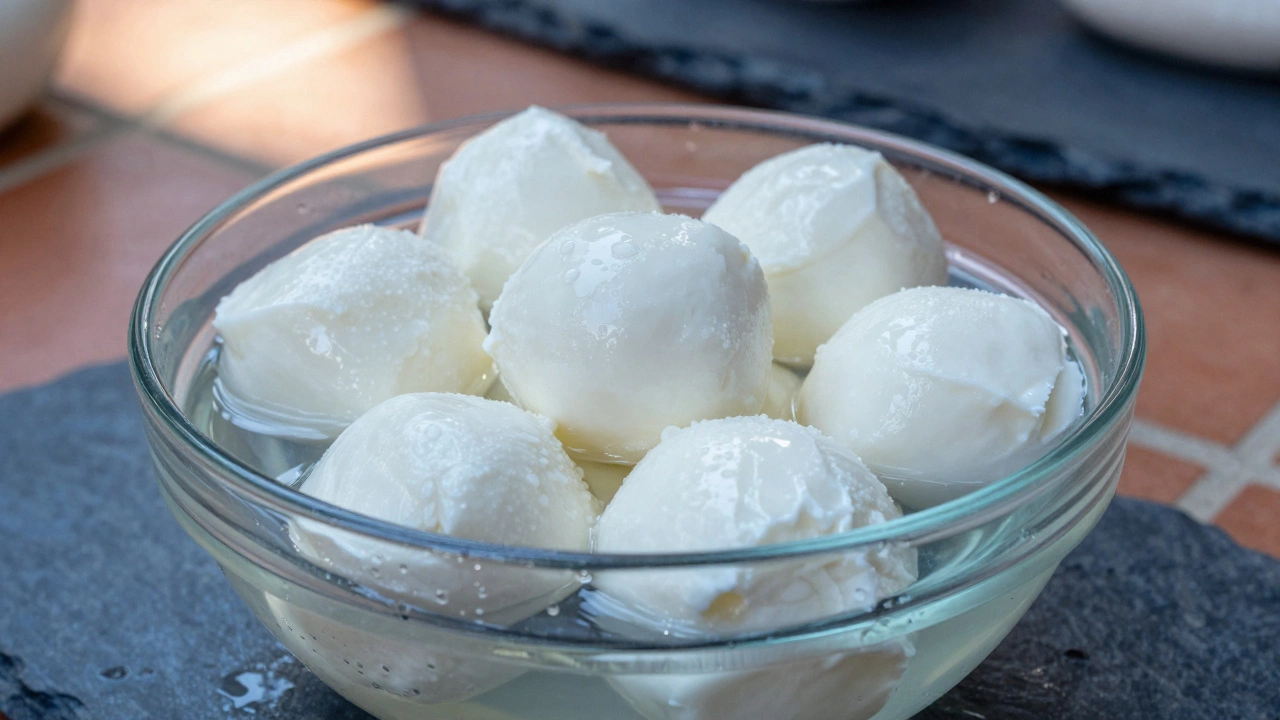
When you search for Mozzarella in Portugal, you might expect to find a different name entirely. The truth is simpler than most realize. In Portuguese, the word remains remarkably similar. It is commonly referred to as "Mozzarella" with a local pronunciation twist. However, depending on the region and the specific type of fresh cheese, you may encounter terms like "Queijo Fresco" or even regional brands that mimic the texture of Italian imports.
This distinction matters especially when navigating international recipes. Many home cooks get tangled up when translating ingredients from English or Italian menus to Portuguese shopping lists. While you might hear about Tiramisu in the same breath, that famous dessert does not actually call for Mozzarella. Understanding the specific naming conventions prevents buying errors in the local Mercado.
The Linguistic Reality of Cheese Names
In mainland Portugal, the word Mozzarella is widely accepted and understood by consumers. Unlike many other loanwords that get fully translated, the dairy community prefers the original Italian name. When walking into a Pingo Doce or Continente store, the packaging will almost always display "Mozzarella." Sometimes, you will see "Mozzarella de Leite de Vaca" to specify cow’s milk, distinguishing it from Buffalo Mozzarella.
Pronunciation shifts slightly due to the Portuguese phonetic system. The double 'z' becomes softer, sounding closer to 'tz'. The final 'a' receives a clear stress. This subtle shift helps locals identify it quickly on labels. In some older bakeries or traditional cheese mongers, they might simply group it under Fresh Curd Cheese. You need to ask for the stretch factor. If they give you something hard or crumbly, it is not correct. Mozzarella needs elasticity.
The regulatory framework in the European Union ensures certain standards for this product. Imported versions often carry the PDO label, guaranteeing origin. Local versions produced within the EU borders meet hygiene standards set by the ASFSA. Knowing which label you buy changes the flavor profile significantly. Imports from Italy hold a distinct tang compared to domestic production found in the Minho region.
Differentiating Fresh Cheeses in Portugal
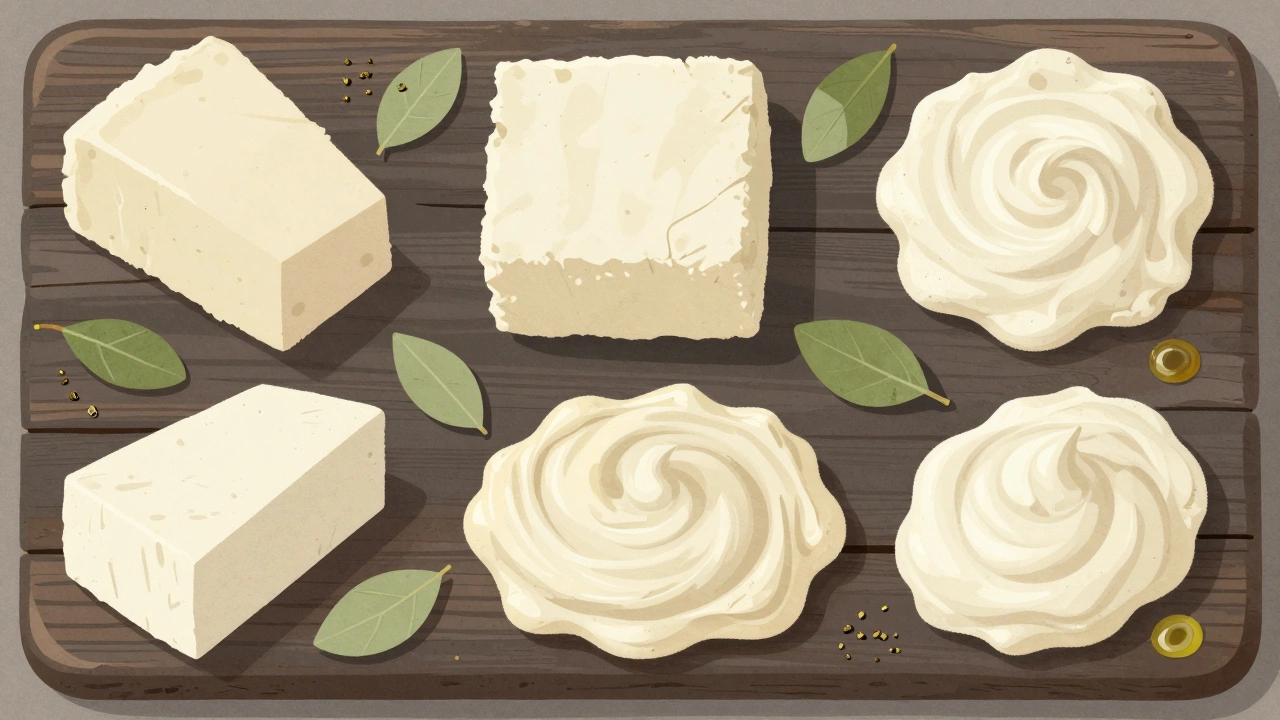
Confusion often arises because Portugal has its own robust culture of fresh cheese. The term Requeijão comes up frequently in discussions about creamy dairy spreads. This is not Mozzarella. Requeijão is much softer, almost spreadable, and lacks the elastic pull. Using Requeijão in a lasagna results in a melted puddle rather than a structural layer. If you substitute incorrectly, your dish loses the desired texture completely.
Another common option is Queijo Fresco. While generic, this label covers a broad spectrum of mild white cheeses sold in blocks. Some varieties mimic Mozzarella closely enough for grilled cheese sandwiches. Others are drier, intended for baking over fish. Always check the moisture content listed on the nutrition panel. High water content indicates a cheese capable of stretching. Low moisture suggests it is meant for grating or crumbling.
| Cheese Name | Texture | Best Use Case | Substitute |
|---|---|---|---|
| Mozzarella | Elastic, smooth | Pizza, Lasagna | Gouda |
| Requeijão | Spreadable, creamy | Sandwich fillings | Cream Cheese |
| Queijo Fresco | Firm, mild | Baking, Snacking | Feta |
| Burrata | Rich, liquid inside | Salads | Mozzarella |
The Tiramisu Connection Explained
Why do people link Mozzarella to Tiramisu? The confusion stems from both being iconic Italian exports. Tiramisu relies heavily on Mascarpone. It is a heavy, high-fat cream cheese, distinctly thicker than whipping cream but milder than sour cream. Mozzarella brings no benefit to this recipe. Substituting Mozzarella in Tiramisu ruins the structural integrity of the dessert.
In Portugal, Mascarpone is readily available in larger supermarkets. It retains its Italian name. You will not find a Portuguese translation for it on shelf tags. If you cannot find it, some bakers use a mix of full-fat cream cheese and heavy cream to approximate the fat content. However, authentic results require sourcing the correct dairy product.
This confusion highlights the importance of precise ingredient identification. When traveling or expatriating to Lisbon or Porto, knowing the exact term saves time. Grocery stores stock these items near the deli counters. Staff speak the language fluently. Asking for "Mozzarella" yields the correct block of cheese every time.
Buying Tips for Expats and Visitors
If you are living in Portugal long-term, identifying the right brand matters. Look for vacuum-sealed packaging for longer shelf life. Bricks wrapped in paper are fresher but spoil faster. Keep them submerged in salted water if refrigeration allows. In local butcher shops, Carniceirias, you might find fresh curds made on site. These often lack preservatives.
Check the expiration date printed on the wrapper. Imported Italian cheese has stricter traceability codes. Local products might just list batch numbers. Price varies significantly based on milk source. Cow milk is cheaper. Buffalo milk commands a premium price point. Budget accordingly if you plan weekly meal prep.
Avoid pre-shredded bags if possible. Anti-caking agents interfere with melting properties. Buy the ball and shred it yourself. This small step improves texture in baked goods drastically. Grate while cold for easier handling. Warm cheese shreds clump together immediately upon contact with air.
Nutritional Profiles and Dietary Needs
Dietary restrictions influence choice. Mozzarella is naturally lactose-containing unless aged significantly. Fresh versions contain active lactose levels. Those avoiding dairy look for plant-based alternatives now finding space in Portuguese aisles. Brands like O’Shimura or supermarket private labels offer coconut oil bases mimicking the melt.
Lactose-free options appear under "Baixo Teor de Lactose." The enzyme breaks down sugars during processing. Taste remains largely unchanged. Nutritional data lists protein grams per serving. Standard Mozzarella offers high calcium intake. Balance this against saturated fats if monitoring heart health guidelines.
Vegetarians should check for rennet sources. Animal rennet disqualifies some adherents. Veganism requires excluding all animal derivatives. Labels clearly mark "Sem Glúten" (Gluten Free) and "Vegan". Portuguese labeling laws align with EU transparency standards ensuring no hidden allergens.
Storage Best Practices
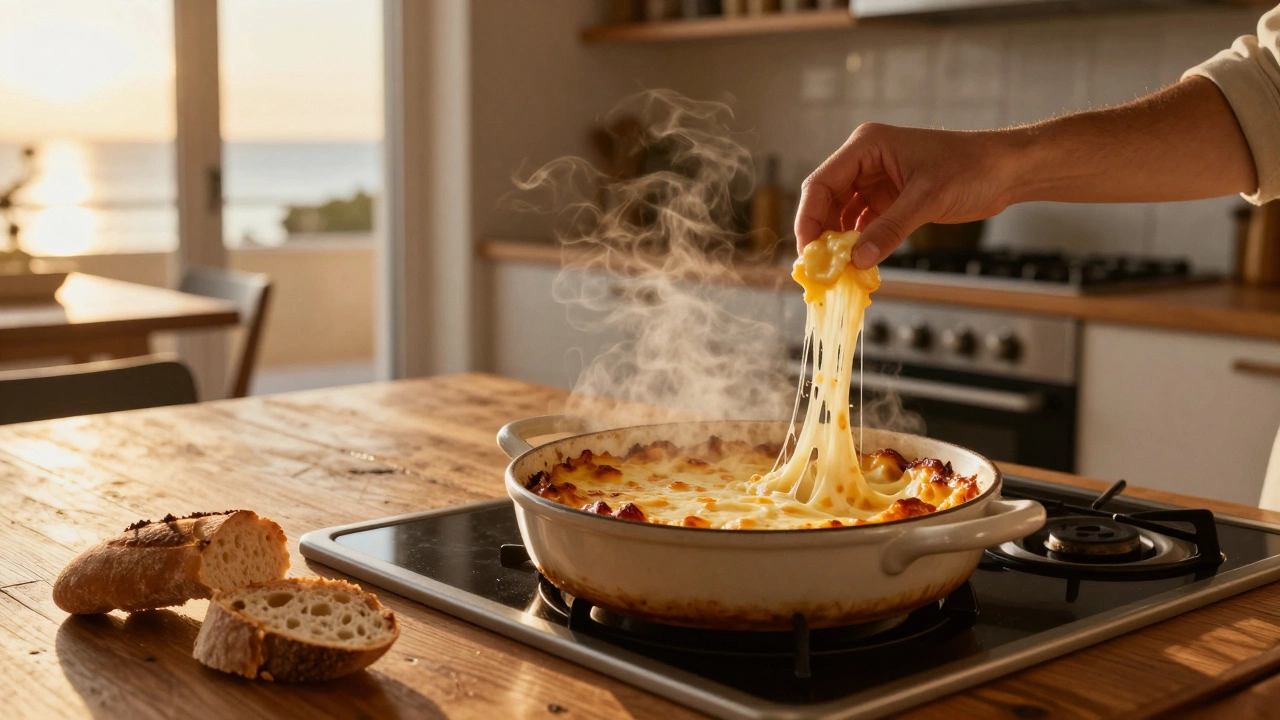
Proper storage extends freshness by days. Wrap cheese tightly in wax paper. Avoid direct plastic cling wrap against the rind surface. This prevents oxygen deprivation leading to mold growth. Store in the coldest part of the refrigerator away from the door. Humidity controls matter greatly for soft cheeses.
For long-term preservation, freezing works. Texture changes occur after thawing. Better suited for cooked applications rather than raw consumption. Label containers with dates before placing in the freezer. Thaw slowly in the fridge overnight before use to prevent weeping water.
Regional Differences Within Portugal
Southern regions might stock fewer varieties than northern hubs. Northern cities like Braga have more artisanal producers. Coastal areas receive faster imports via ports. Interior towns rely on local farms. Travelers should adjust expectations based on location. Large urban centers supply everything found online or in major capitals.
Supermarket chains differ too. MinipreÇo focuses on budget basics. Select specializes in higher-end gourmet foods. Your choice depends on quality requirements. Gourmet shops import authentic Italian variants weekly. Check their social media pages for new arrival updates before visiting.
Cultural Significance of Dairy in Portugal
Dairy plays a central role in the national diet. Sheep milk cheeses dominate traditional identity. Goat milk follows. Cow milk Mozzarella sits as a foreign import. Despite being non-traditional, acceptance is high due to pizza culture adoption. Younger generations grew up loving pasta dishes featuring this cheese.
Culinary fusion brings old meets new. Chefs use Mozzarella in fusion desserts occasionally, blurring lines. It remains primarily savory though. Do not confuse marketing gimmicks with staple ingredients. Stick to proven methods when replicating family recipes to ensure consistent outcomes every time.
Popular Posts
The Best Ways to Store Tiramisu and Keep It Fresh
Jan, 13 2025



Cheese Fat Content: Mozzarella vs Emmental
Jan, 5 2025